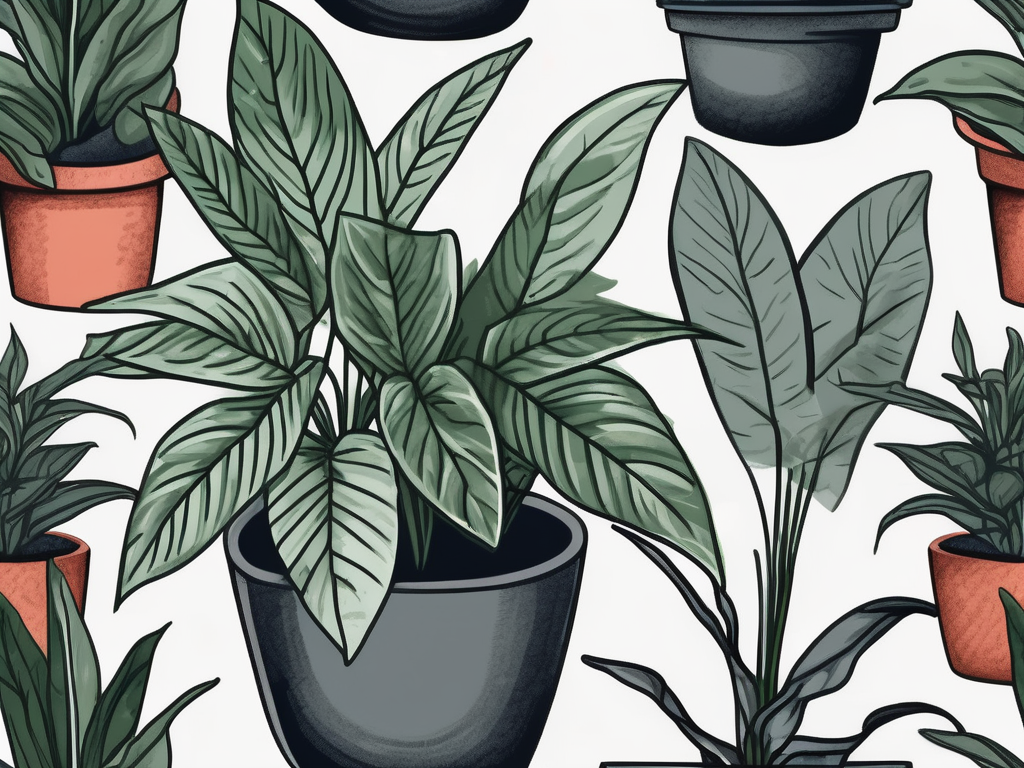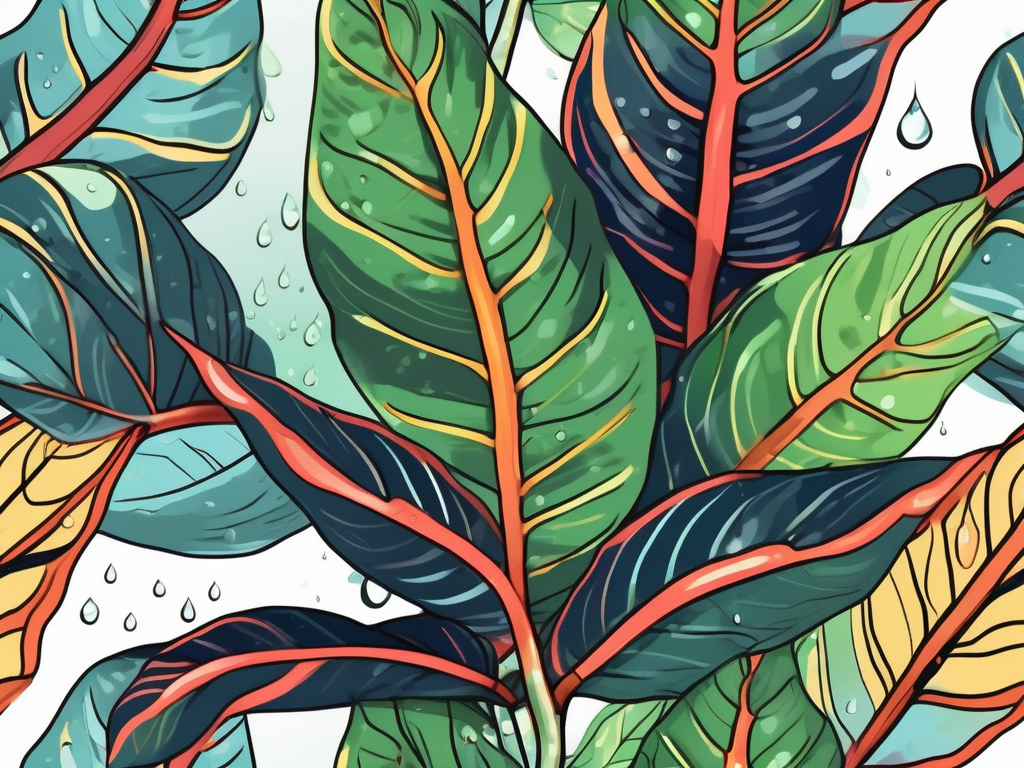
Humidity is a tricky thing when it comes to houseplants, especially those with bold, colorful leaves like crotons. These vibrant beauties are quite the show-stoppers in any home, but they do have some specific needs. One of the most important factors in keeping your croton healthy and happy is understanding how humidity affects it.
In this article, we'll chat about why humidity matters for crotons, how you can tell if your croton is craving more moisture, and some practical tips for creating the perfect environment for your plant. We'll also touch on how to balance humidity with other care factors to keep your croton thriving.
Why Humidity is Important for Croton Plants
Crotons, with their dazzling array of leaf colors and patterns, hail from tropical regions where humidity is naturally high. In their native habitat, they bask in the moist air, which helps them maintain their vibrant appearance. When we bring them into our homes, replicating these conditions can be a bit of a challenge.
So, why is humidity so crucial for crotons? Simply put, the moisture in the air helps these plants regulate their water intake and prevents their leaves from drying out. In a dry environment, crotons may struggle to keep their leaves from getting crispy, and they might lose some of that stunning vibrancy.
Imagine trying to keep your skin hydrated in a desert. Not easy, right? Crotons feel the same way in low humidity. They thrive best in conditions where the humidity levels are between 40% and 80%. Anything below that can lead to a host of problems, from leaf drop to brown edges.
Signs Your Croton Needs More Humidity
Now, you might be wondering how to tell if your croton is not getting the humidity it needs. Luckily, these plants are pretty communicative if you know what to look for.
- Leaf Curling: One of the first signs that your croton needs more humidity is if the leaves start to curl inward. This curling is a defense mechanism to reduce water loss.
- Brown Tips: If you notice the tips of the leaves turning brown and crispy, it's a clear signal that your plant is not happy with the moisture level in the air.
- Leaf Drop: In severe cases, your croton might start dropping leaves. This can be a sign of stress due to insufficient humidity.
If you see these signs, it's time to take action. The good news is that there are plenty of ways to increase humidity around your croton without turning your home into a steam room. Let's explore some strategies.
Simple Ways to Increase Humidity for Your Croton
Boosting the humidity around your croton doesn't have to be complicated or expensive. Here are some straightforward methods to create a more comfortable environment for your plant:
- Mist It: A quick and easy way to add moisture is by misting your croton with water. Use a spray bottle with a fine mist setting and give your plant a gentle spritz once or twice a day.
- Use a Humidity Tray: Place a shallow tray filled with pebbles and water under your croton's pot. As the water evaporates, it will increase the humidity around the plant.
- Group Your Plants: Consider clustering your croton with other humidity-loving plants. Plants naturally release moisture into the air, and grouping them together can create a little microclimate.
- Invest in a Humidifier: If you're serious about maintaining humidity levels, a small humidifier can be a great investment. It provides consistent moisture to keep your croton content.
These methods are easy to implement and can make a big difference in your croton's health and appearance. It's all about finding what works best for you and your home.
Balancing Humidity with Other Care Factors
While humidity is a crucial component of croton care, it's important to remember that it's just one piece of the puzzle. To truly thrive, your croton needs the right balance of light, water, and nutrients too.
Think of it like baking a cake. You need the right amount of each ingredient for it to turn out perfectly. Too much or too little of any one thing can throw off the whole recipe.
- Light: Crotons love bright, indirect light. A spot near a window with filtered sunlight is ideal. Just be cautious of direct sun, which can scorch those pretty leaves.
- Water: When watering, aim to keep the soil consistently moist but not soggy. Overwatering can lead to root rot, while underwatering can cause leaf drop.
- Fertilizer: During the growing season, feed your croton with a balanced, water-soluble fertilizer every month to keep it nourished.
By keeping these factors in check alongside humidity, you'll create a harmonious environment for your croton to flourish.
The Role of Temperature in Humidity Levels
Temperature and humidity often go hand in hand, and understanding their relationship can help you fine-tune your croton care routine. In general, warm air holds more moisture than cold air, which can impact the humidity levels in your home.
For crotons, a comfortable temperature range is between 60°F and 85°F. If your home tends to be on the cooler side, especially during winter months, you might notice humidity levels dropping. This can be problematic for your croton, as it may struggle to maintain its moisture levels.
On the flip side, if your home gets too warm, the air might become too dry, especially if you're using heating systems. To combat this, consider using a humidifier or placing plants in a naturally humid room, like the bathroom, to help maintain a stable environment.
Humidity and Pest Prevention
One benefit of maintaining proper humidity levels is that it can help keep pests at bay. Many common houseplant pests, like spider mites, thrive in dry conditions. By keeping the air around your croton humid, you can create an environment that's less favorable for these pesky invaders.
Of course, humidity alone won't prevent all pests, but it's a helpful factor in creating a resilient plant. Regularly inspect your croton for any signs of pest activity, such as webbing or tiny insects on the leaves. If you spot any unwelcome guests, address the issue promptly with appropriate treatments, like insecticidal soap or neem oil.
Humidity Challenges in Different Seasons
Seasonal changes can pose unique challenges for maintaining humidity levels. During winter, indoor heating can dry out the air significantly, making it difficult to keep your croton happy. In contrast, summer might bring naturally higher humidity, but air conditioning can still dry things out.
To manage these seasonal shifts, be proactive about monitoring humidity levels. A simple hygrometer can be a handy tool to help you keep track of the moisture in your home. Adjust your humidity-boosting strategies as needed, such as increasing misting or using a humidifier during drier months.
Creating a Croton-Friendly Space
If you're looking to create a croton-friendly space, consider incorporating elements that naturally boost humidity. Water features, like small indoor fountains, can add both beauty and moisture to a room. You might also think about adding other tropical plants alongside your croton to create a lush, vibrant corner of your home.
Incorporating natural materials, like wood and stone, can also enhance the overall feel of your plant area, making it a welcoming spot for both you and your plants. Remember, the goal is to create an environment that mimics the croton's natural habitat as closely as possible.
Monitoring and Adjusting Humidity Levels
Finally, it's important to remember that monitoring and adjusting humidity levels is an ongoing process. Your croton's needs might change over time, and being attuned to those shifts is key to keeping it healthy.
Regularly check the humidity around your plant and make adjustments as needed. Experiment with different humidity-boosting methods until you find what works best for you. And don't forget to enjoy the process—after all, caring for plants is as much about the journey as it is about the destination.
Final Thoughts
Caring for crotons involves understanding the role of humidity and balancing it with other essential factors like light and water. By keeping an eye on your plant's needs and making adjustments as necessary, you can enjoy the vibrant beauty of crotons in your home for years to come.
At Cafe Planta, we love helping plant people create thriving green spaces. If you ever have questions or need advice, feel free to email us or drop us a message on Instagram. Let's connect and grow our love for plants together!