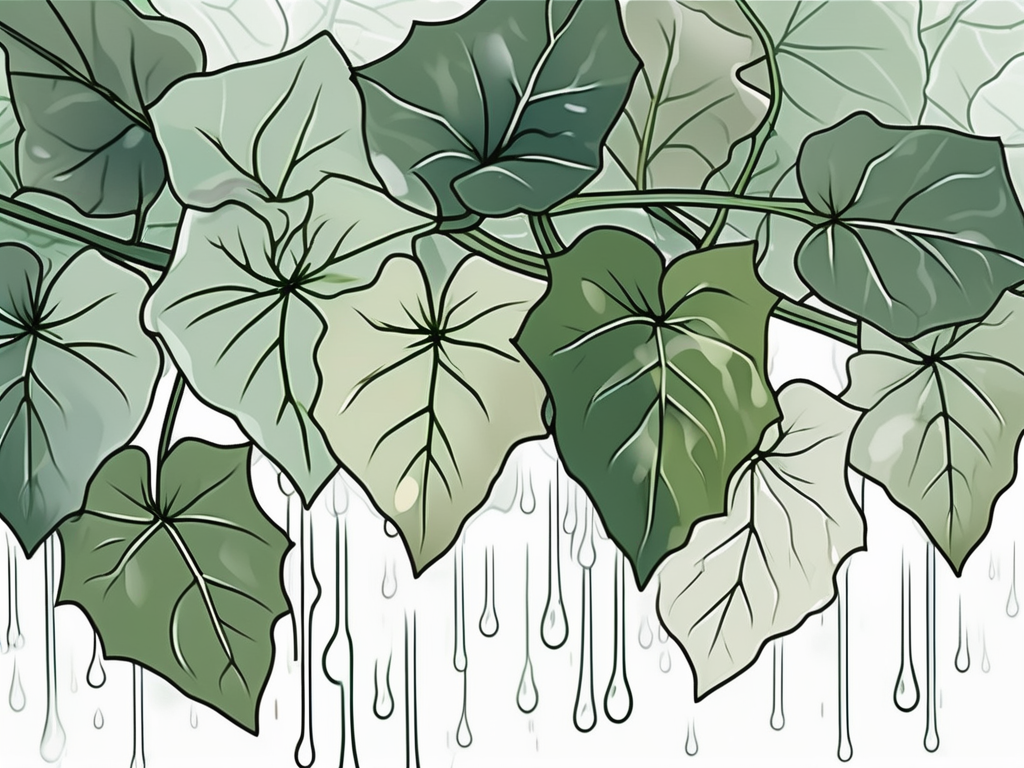
English Ivy, with its trailing vines and charming leaves, is a beloved plant for many. But like all living things, it has preferences, and one of those is humidity. If you've ever wondered why your English Ivy might look a bit...sad, it could be due to the moisture in the air—or lack thereof.
In this article, we're going to chat about how humidity affects English Ivy, providing you with practical insights and tips along the way. We'll touch on why humidity matters, how to manage it, and what signs to look for if your ivy is struggling. Ready to turn your home into a happy haven for your English Ivy?
Why Humidity Matters for English Ivy
So, why does humidity even matter? Imagine living in a desert when you're used to a rainforest. That's how English Ivy feels in a dry environment. This plant hails from regions with naturally high humidity, like parts of Europe and Asia. That means it thrives in moist air, which helps it grow those beautiful, glossy leaves.
When the air is too dry, the plant can struggle to maintain its health. Dry air can lead to crispy leaves, slowed growth, and even pest problems. On the flip side, too much humidity isn't great either, as it can cause mold and mildew. It's all about finding that sweet spot.
Here's a quick breakdown of why humidity is a friend to your English Ivy:
- Moisture Retention: Humidity helps the leaves retain moisture, preventing them from drying out.
- Better Growth: Proper humidity levels can enhance the plant's growth rate and overall vitality.
- Pest Deterrence: Some pests are less likely to bother your ivy when it's in a humid environment.
Ideal Humidity Levels for English Ivy
Now that we know humidity is important, what's the ideal range? English Ivy prefers humidity levels between 40% and 60%. This range mimics its native habitats and supports healthy growth. If you're unsure about the humidity in your home, a hygrometer is a handy tool. It's like a thermometer, but for moisture, and it can help you keep track of your indoor environment.
If your home tends to be on the dry side, especially during winter months or in air-conditioned spaces, you might need to take some extra steps to boost humidity. But don't worry, it's easier than it sounds!
And if you're someone who loves a warm, cozy home, remember that heating can dry out the air. You might need to balance that coziness with a bit of humidity for your plant's sake. Your English Ivy will thank you with lush leaves and vigorous growth.
Signs Your English Ivy Needs More Humidity
Reading the signs that your English Ivy needs more humidity is like learning a new language. But once you know what to look for, it's pretty straightforward. Here are some telltale signs:
- Brown Leaf Edges: This is a classic sign of low humidity. The plant is losing moisture faster than it can absorb it.
- Wilting Leaves: Even with regular watering, if the leaves are wilting, dry air could be the culprit.
- Slow Growth: If your ivy seems to be taking a break from growing, it might be a sign of inadequate humidity.
Interestingly enough, too much humidity can also cause problems, like yellowing leaves or mold. So, it's all about balance. Keep an eye on your plant, and soon enough, you'll be able to tell what it needs just by looking at it.
Simple Ways to Increase Humidity
Increasing humidity doesn't have to mean turning your home into a sauna. There are simple and effective ways to create a more humidity-friendly environment for your English Ivy. Here are a few ideas:
- Misting: A quick spritz with a spray bottle can help, but don't overdo it. A light misting every couple of days should suffice.
- Humidifiers: These devices are great for maintaining consistent humidity levels. They come in all shapes and sizes, so you can find one that fits your needs.
- Group Your Plants: Plants release moisture into the air, so grouping them together can naturally increase humidity around them.
- Use Pebble Trays: Place a tray filled with pebbles and water under your plant pot. As the water evaporates, it adds humidity to the air.
These methods aren't just for English Ivy, either. If you have other humidity-loving plants, they'll appreciate the extra moisture too.
Managing Humidity in Different Seasons
Seasons change, and so does the humidity in your home. In the winter, heating systems can dry out the air, while summer might bring about naturally higher humidity levels. It's important to adjust your care routine based on the season.
- Winter: Consider using a humidifier or placing your plants in kitchens or bathrooms where humidity is naturally higher.
- Summer: While natural humidity is often higher, air conditioning can dry out the air. Keep an eye on your plant and adjust as needed.
On the other hand, during transitional seasons like spring and fall, you might find that humidity levels are just right without much interference. Always keep an eye on your plant's condition, as it's the best indicator of whether or not it's happy with its environment.
Signs of Too Much Humidity
While low humidity is often the issue, too much can also be a problem. If your English Ivy starts showing signs of excess moisture, you might need to dial it back a bit. Here are some hints that humidity levels are too high:
- Yellowing Leaves: This can be a sign of root rot, often caused by too much moisture.
- Mold or Mildew: If you see any fuzziness or spots on the leaves, it might be due to excess humidity.
- Soft, Mushy Stems: This indicates an overabundance of moisture.
If you notice these signs, try reducing watering frequency or improving airflow around your plants. Sometimes just a slight adjustment can make a big difference.
Humidity and Pests: The Connection
Humidity can also play a role in pest management. Some pests love dry conditions, while others thrive in humid environments. For English Ivy, keeping the right balance can help keep pests at bay.
Common pests like spider mites tend to infest plants in dry conditions. By maintaining adequate humidity, you might reduce the likelihood of these pests troubling your ivy. Conversely, too much humidity can invite fungal gnats and other moisture-loving pests.
Regularly inspecting your plants and maintaining optimal humidity can help keep your English Ivy healthy and pest-free.
Making Humidity Work for Your Interior Design
Humidity doesn't just affect plant health—it's also an interior design consideration. Balancing aesthetics with plant needs can be a fun challenge. Here are some ways to integrate humidity management into your home design:
- Plant Placement: Position plants in naturally humid areas like bathrooms or kitchens.
- Decorative Humidifiers: Some humidifiers are designed to be stylish and can blend seamlessly into your decor.
- Terrariums: These enclosed environments can naturally maintain higher humidity levels and make beautiful design elements.
With a bit of creativity, you can create a space that not only looks great but also supports the health of your English Ivy and other plants.
Choosing the Right English Ivy Variety
Not all English Ivy is created equal. Some varieties might be more tolerant of different humidity levels. When choosing an ivy for your home, consider your environment and the specific needs of each variety.
Some popular types include:
- Hedera helix: The classic English Ivy, known for its adaptability and classic look.
- Hedera canariensis: Also known as Canary Island Ivy, this type prefers slightly warmer conditions.
- Hedera colchica: Persian Ivy is known for its larger leaves and can be a bit more forgiving of lower humidity.
Choosing the right variety can make a big difference in how well your plant adapts to its surroundings. It's worth doing a bit of research to find the best fit for your home.
Final Thoughts
English Ivy is a beautiful addition to any home, but like all plants, it has its quirks. Understanding humidity's role can help you keep your ivy healthy and thriving. By paying attention to your plant's needs and making a few adjustments, you can enjoy a lush, green companion.
At Cafe Planta, we're here to support you on your plant journey. Whether you're looking for a new plant friend or need advice on care, we've got you covered. Feel free to reach out to us via email or connect with us on Instagram. Let's grow together!