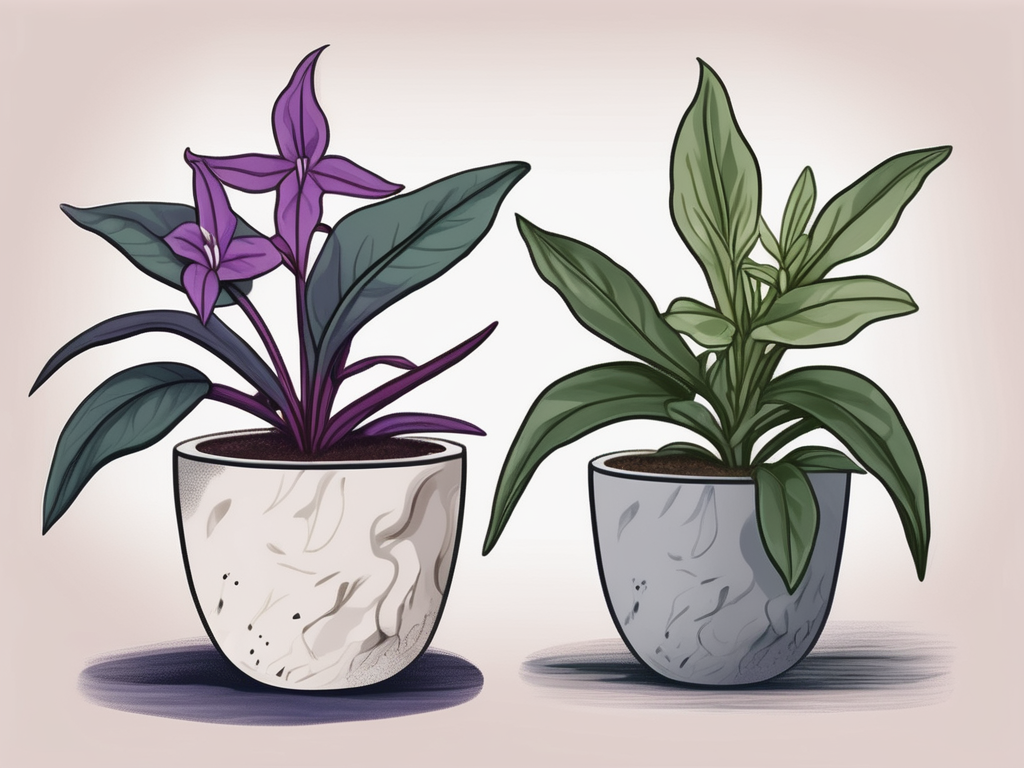
Have you ever wondered why your peperomia seems to thrive in some seasons and struggle in others? The answer often lies in the air around them. Humidity, that invisible blanket of moisture, plays a significant role in the health and happiness of your peperomia plants.
In this guide, we’ll explore the ins and outs of how humidity affects peperomias, what their ideal conditions are, and how you can create the perfect environment for them. Whether you’re a seasoned plant parent or just starting out, these tips will help you keep your peperomia healthy and vibrant.
Understanding Peperomia and Its Natural Habitat
Peperomia is a diverse genus with over a thousand species, each with its own unique appearance and needs. But what they all share is their tropical origin. Found primarily in South and Central America, these plants have adapted to thrive in humid environments, often under the canopy of larger trees where they receive filtered light and consistent moisture.
Knowing this, it’s no surprise that humidity is crucial for peperomia. It mimics their natural habitat, providing the right conditions for growth and vitality. Now, you might be thinking, "But I don’t live in a tropical rainforest!" Don’t worry, creating a suitable environment at home is easier than you might think.
Why Humidity Matters for Peperomia
Humidity affects plants in several ways, from their ability to photosynthesize to their overall health. For peperomias, the right humidity level ensures they can absorb water efficiently through their leaves, not just their roots. This is especially important for epiphytic varieties that might not have direct access to soil moisture.
When humidity levels drop, peperomias can suffer. You might notice their leaves becoming crispy or edges turning brown, a sign that they’re losing moisture faster than they can replace it. On the flip side, too much humidity can lead to fungal issues and root rot. Striking the right balance is key.
Ideal Humidity Levels for Peperomia
So, what’s the sweet spot for peperomia? Generally, they prefer humidity levels between 40% and 60%. This range helps maintain their turgor pressure, keeping leaves firm and healthy while preventing the excess moisture that invites mold and mildew.
In most homes, especially during summer, humidity levels naturally fall within this range. However, winter can be a different story. Heating systems can dry out the air, dropping humidity levels significantly. This is when your peperomia might need a little extra help.
Measuring Humidity in Your Home
Before you can adjust humidity, you need to know what you’re working with. This is where a hygrometer comes in handy. It’s a small, often inexpensive device that measures the moisture content in the air.
Place your hygrometer near your peperomia to get an accurate reading of the plant’s environment. Check it at different times of the day, as humidity can fluctuate with temperature changes.
If you find that your home is too dry, consider these solutions:
- Humidifiers: A straightforward way to add moisture to the air. There are plenty of models available, from basic to high-tech, that suit different room sizes and budgets.
- Grouping Plants: Plants release moisture into the air through a process called transpiration. Grouping several plants together can naturally increase humidity around them.
- Water Trays: Place a shallow tray filled with water and pebbles near your plant. As the water evaporates, it helps to raise the humidity levels.
Adjusting Your Home Environment
Now that you know your home’s humidity level, it’s time to make some adjustments if needed. A humidifier is a great investment for plant lovers, providing consistent moisture that benefits not just peperomias but many other houseplants too.
Alternatively, you can create a micro-environment for your peperomia. This could be as simple as placing it in a room that naturally has higher humidity, like a bathroom or kitchen. Keep in mind that these areas should still have adequate lighting, as peperomias need bright, indirect light to thrive.
If a humidifier isn’t in the cards, consider using a pebble tray. Fill a shallow tray with pebbles and water, making sure the water level is below the top of the pebbles. Place your plant pot on the pebbles. As the water evaporates, it will increase the humidity around the plant.
Signs Your Peperomia Needs More Humidity
Peperomias are quite communicative about their needs, and they’ll show signs if they’re not happy with the humidity level. Look out for these indicators:
- Leaf Curling: When leaves start to curl inward, it’s often a sign that they’re trying to conserve moisture.
- Brown Edges: Dry, brown edges on leaves suggest that the air is too dry for your peperomia’s liking.
- Wilting: While this can also be a sign of under-watering, if your soil is moist and leaves are wilting, check the humidity.
Address these signs promptly by increasing humidity around your plant. Often, a little extra moisture in the air can work wonders.
Caring for Peperomia in Low Humidity Environments
If you live in a particularly dry climate or it's the middle of winter, you might need to take extra precautions to keep your peperomia happy. Here are some tips:
- Mist Regularly: Lightly misting your peperomia can temporarily increase the humidity around it. Be careful not to overdo it, as too much moisture can lead to fungal issues.
- Use a Humidity Tray: As mentioned before, a tray with water and pebbles can help elevate the humidity around your plant.
- Choose the Right Pot: Terracotta pots are porous and can absorb moisture, which might not be ideal in dry environments. Consider using ceramic or plastic pots to retain more moisture.
These small adjustments can make a significant difference, ensuring your peperomia remains lush and vibrant.
Humidity and Peperomia Varieties
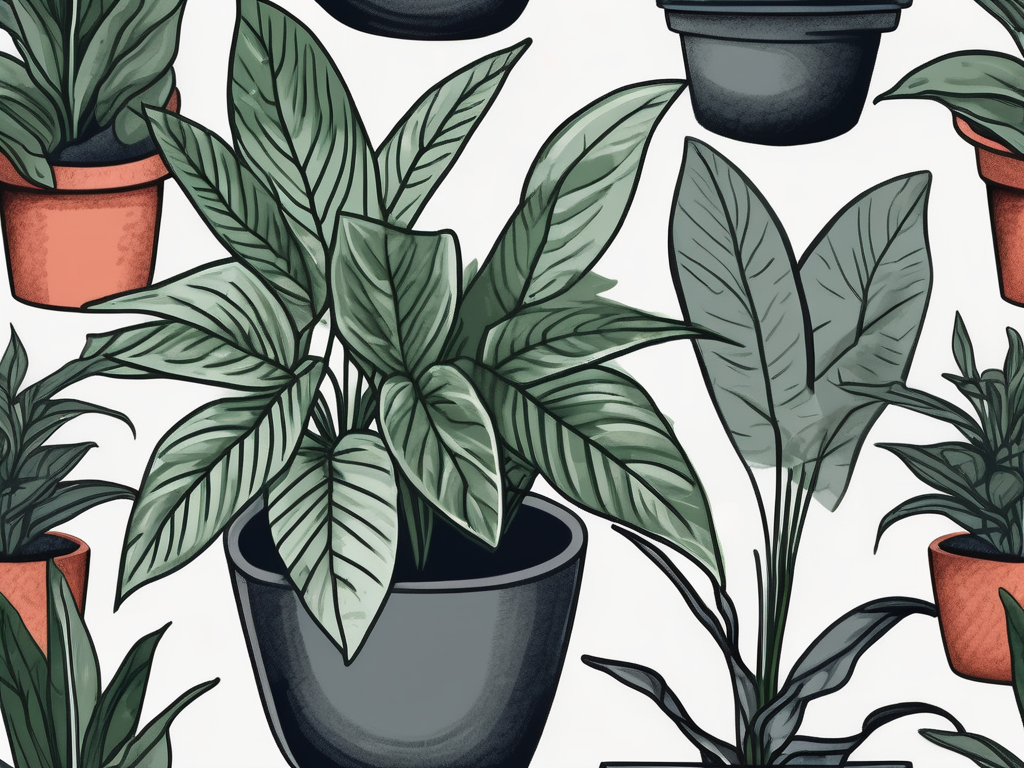
Not all peperomias are created equal. Some varieties, like the Peperomia obtusifolia, are more tolerant of lower humidity levels, while others, such as the Peperomia argyreia (or watermelon peperomia), might demand a bit more attention.
Understanding the specific needs of your peperomia variety can help you tailor your care approach:
- Peperomia obtusifolia: Known for its resilience, this variety can handle slightly lower humidity but will still appreciate a boost during dry spells.
- Peperomia caperata: With its wrinkled leaves, it thrives in consistent humidity and might need extra attention in drier seasons.
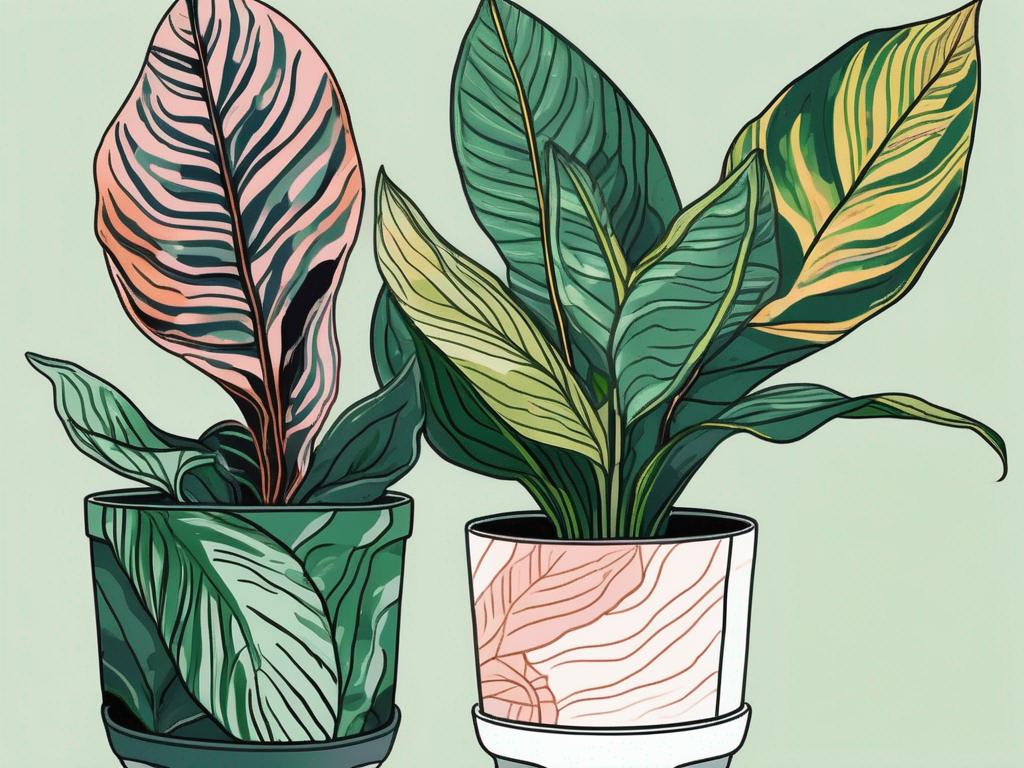
- Peperomia argyreia: Its striking foliage can be prone to browning edges if humidity drops, so keep a close eye on this one.
By knowing what your specific peperomia prefers, you can provide the best care possible, ensuring it thrives in your home.
Common Mistakes and How to Avoid Them
Even the most experienced plant parents can run into issues. Here are some common mistakes related to humidity and how you can steer clear of them:
- Over-misting: While misting can help, overdoing it can lead to mold and mildew. Aim for a light mist, ensuring leaves dry quickly.
- Ignoring Seasonal Changes: Remember that humidity levels can fluctuate with the seasons. Keep an eye on your hygrometer and adjust as needed.
- Wrong Room Placement: Placing your peperomia in a room with fluctuating temperatures or direct heat sources can dry out the air. Choose a stable environment where humidity levels remain consistent.
Avoiding these pitfalls will help keep your peperomia in peak condition, allowing it to thrive year-round.
Final Thoughts
Humidity is a vital component of peperomia care, significantly impacting their health and beauty. By understanding their needs, monitoring your home environment, and making a few small adjustments, you can ensure these charming plants flourish.
At Cafe Planta, we’re passionate about helping you care for your plants. Whether you’re looking for new additions to your collection or need advice, we’re here for you. Feel free to email us or reach out on Instagram. Let’s create beautiful, thriving spaces together!