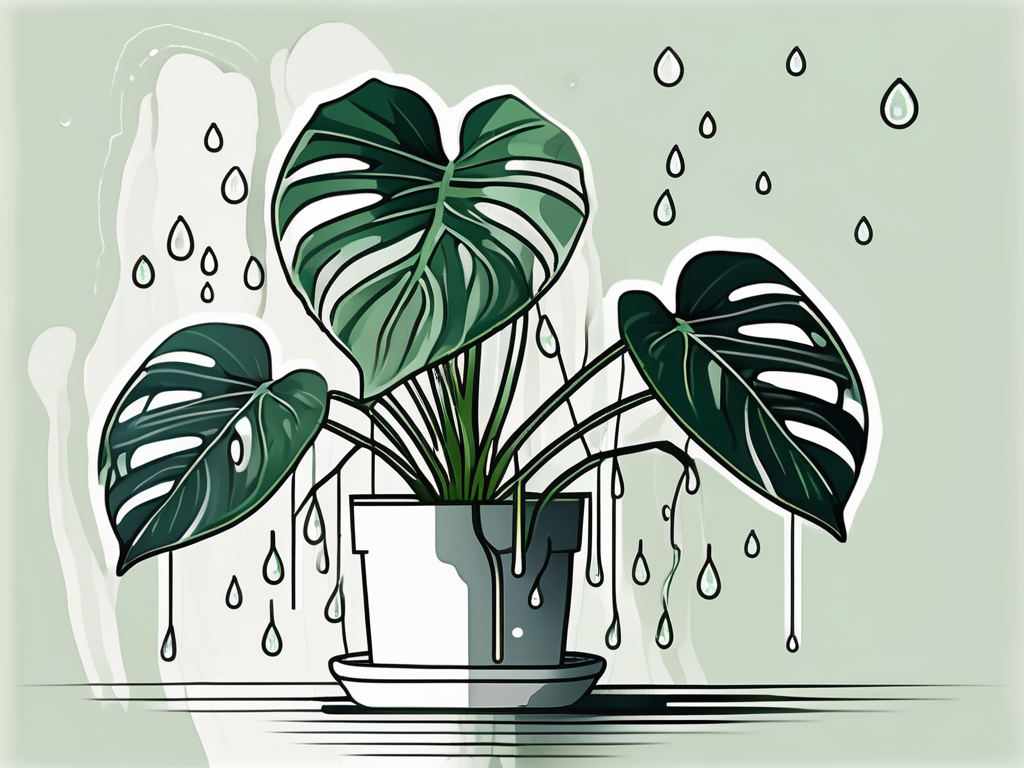
Philodendron Selloum, with its striking leaves and tropical vibe, can transform any living space into a green oasis. But like any plant, it has its own set of needs to thrive, and one of the most important is humidity. Understanding how humidity affects your Philodendron Selloum can be the difference between a flourishing plant and one that's just hanging on.
In this article, we'll chat about everything you need to know about humidity and your Philodendron Selloum. From why humidity matters to how you can create the perfect environment for your plant, we've got you covered. So, let's dig in and uncover the secrets to keeping your green friend happy and healthy.
Why Humidity is Important for Philodendron Selloum
Humidity is often a forgotten factor when it comes to plant care, especially for those new to the plant world. But for tropical plants like Philodendron Selloum, it's not just important—it's essential. These plants naturally grow in rainforests, where the air is thick with moisture. So, when you're trying to recreate their natural habitat indoors, humidity can't be overlooked.
Without enough humidity, you might notice your Philodendron's leaves start to brown at the edges or curl up. This is the plant's way of telling you it's not getting enough moisture from the air. On the flip side, too much humidity can also be a problem, leading to issues like mold or fungal growth. It's all about finding that sweet spot where your plant feels right at home.
Think of it this way: Imagine you're on a hot day without any water. You start feeling dry, uncomfortable, and maybe even a little cranky. That's how your Philodendron feels when the air is too dry. Providing the right humidity level is like offering your plant a refreshing drink, helping it to stay vibrant and healthy.
Understanding Humidity Levels
Before we jump into solutions, it's essential to understand what humidity levels we're aiming for. Humidity is the amount of moisture in the air, and it's typically measured in percentages. For a Philodendron Selloum, the ideal humidity range is between 60% and 80%.
Now, if you're like most people, you might not have a humidity meter lying around the house. But don't worry, these devices—called hygrometers—are widely available online or at garden centers. They can give you an accurate reading of the humidity level in your home, helping you adjust it if needed.
If you live in a particularly dry area, especially during winter when the heat is on, your indoor humidity might be much lower than your plant prefers. Conversely, if you're in a humid climate, you might naturally be in the perfect range without needing to do much. It's all about checking your home's specific conditions and making adjustments as necessary.
Signs Your Philodendron Selloum Needs More Humidity
Your plant isn't shy about letting you know when it needs something—if you know what to look for. Several signs can indicate your Philodendron Selloum is craving more humidity:
- Browning Leaf Edges: One of the most common signs of low humidity is brown, crispy edges on the leaves.
- Leaf Curling: If the leaves are curling inward, it's a good indication they're trying to conserve moisture.
- Slow Growth: While many factors can cause slow growth, low humidity is often a culprit.
- Droopy Leaves: If your plant looks a bit sad or droopy, it might need a humidity boost.
Keep an eye out for these symptoms, as they can help you diagnose the problem quickly and get your plant back on track. Remember, early detection is key to keeping your Philodendron healthy and thriving.
Increasing Humidity for Your Plant
So, your Philodendron is showing signs it needs a little more moisture in the air. No worries, there are plenty of ways to bump up the humidity around your plant. Here are some tried-and-true methods:
Humidifiers
Humidifiers are a plant parent's best friend. They're efficient, easy to use, and can significantly raise the humidity levels in your home. Simply place a humidifier near your Philodendron and let it run, especially during dry months.
Grouping Plants
Plants naturally release moisture into the air through a process called transpiration. By grouping your plants together, you can create a mini humid environment as they share moisture with each other.
Water Trays
Place a tray filled with water and pebbles under your plant's pot. As the water evaporates, it increases the humidity around the plant. Just make sure the pot isn't sitting directly in the water to avoid root rot.
Regular Misting
While misting isn't a long-term solution, it can provide a temporary humidity boost. Use a spray bottle to mist your Philodendron's leaves every few days. Just be cautious of over-misting, which can lead to fungal issues.
Managing Excess Humidity
On the flip side, sometimes you might find your home is too humid for your Philodendron Selloum. While it might seem counterintuitive, too much moisture can be just as problematic as too little. Here's how to manage excess humidity:
First, ensure your plant has good airflow. This means not crowding it too closely with other plants or objects and occasionally running a fan nearby to keep the air moving. Good airflow helps prevent mold and mildew, which thrive in damp conditions.
Next, consider using a dehumidifier if you consistently find humidity levels over 80%. This is particularly useful in areas like bathrooms or kitchens, where moisture tends to accumulate.
Lastly, pay attention to your watering habits. Overwatering can exacerbate high humidity issues, as excess water in the soil can lead to root rot and other problems. Always let the top inch of soil dry out before watering again.
Humidity and Plant Health
Maintaining the right humidity levels doesn't just keep your Philodendron looking good—it also supports its overall health. High humidity helps the plant absorb nutrients more efficiently, facilitating better growth and resilience against pests and diseases.
Plants in optimal humidity conditions are better equipped to photosynthesize, which is essential for converting sunlight into energy. This process doesn't just fuel growth; it strengthens the plant's natural defenses, making it less susceptible to stressors like temperature fluctuations or pests.
Furthermore, proper humidity can enhance the plant's appearance. Leaves are more vibrant, stems are stronger, and the plant generally looks more robust. It's like giving your plant a spa day—it emerges refreshed and rejuvenated.
Creating a Humidity-Friendly Environment
Creating a home environment that's perfect for your Philodendron Selloum doesn't have to be complicated. With a few adjustments, you can set up a space where your plant feels right at home.
Think about positioning your plant in a naturally humid room, like a bathroom or kitchen. These areas often have higher humidity levels due to showers and cooking, making them ideal for tropical plants.
If that's not an option, consider setting up a plant corner with a few other humidity-loving plants. By clustering them together, you can create a microclimate that's more suitable for your Philodendron.
Lastly, remember that lighting plays a role too. While Philodendron Selloum doesn't need direct sunlight, it thrives in bright, indirect light. Combining the right light with optimal humidity can make all the difference in your plant's health.
Monitoring Humidity Changes
Keeping track of humidity levels can feel a bit like being a weather forecaster, but it's an essential part of plant care. Using a hygrometer is a straightforward way to monitor changes, giving you real-time information about your home's humidity.
Make it a habit to check the hygrometer regularly, especially during seasonal changes. Winter heating, for example, can drastically reduce indoor humidity, while summer might naturally boost it. By staying informed, you can make timely adjustments to keep your plant happy.
Also, observe your plant closely. Over time, you'll learn to recognize its signals and respond accordingly. It's a bit like developing a friendship—with time and attention, you'll understand what your Philodendron needs and when.
Common Mistakes to Avoid
Even the most attentive plant parents can make mistakes. Here are a few common pitfalls to watch out for when managing humidity for your Philodendron Selloum:
- Over-misting: It might seem like a good idea, but too much misting can lead to fungal diseases.
- Ignoring airflow: Good air circulation is crucial, especially in high humidity. Without it, your plant might suffer from mold or mildew.
- Neglecting to check humidity: Relying on guesswork rather than using a hygrometer can lead to misjudging your home's humidity levels.
By being aware of these potential missteps, you can take proactive steps to provide the best care for your Philodendron.
Final Thoughts
Humidity plays a crucial role in the well-being of your Philodendron Selloum. By understanding and managing the moisture levels in your home, you can create an environment where your plant not only survives but thrives. With a little attention and care, your Philodendron will reward you with lush growth and vibrant foliage.
At Cafe Planta, we're all about helping you find the perfect plants and care solutions for your home. Whether you're looking for new green companions or need some guidance, feel free to email us or reach out on Instagram. Let's connect over our shared love for plants!