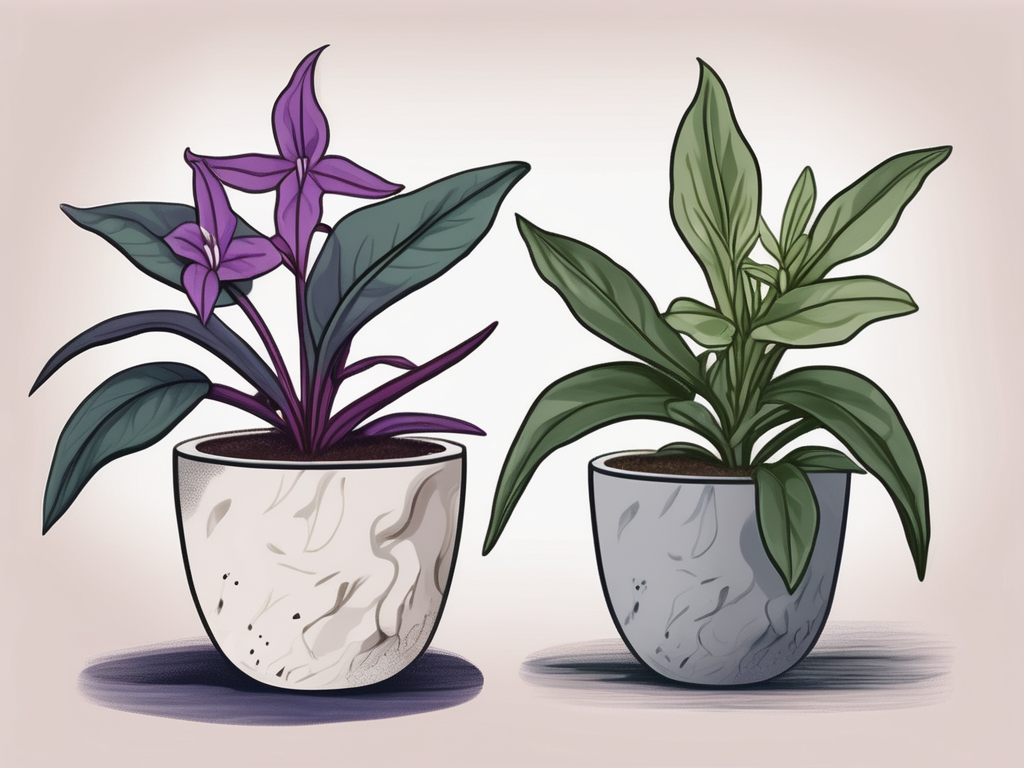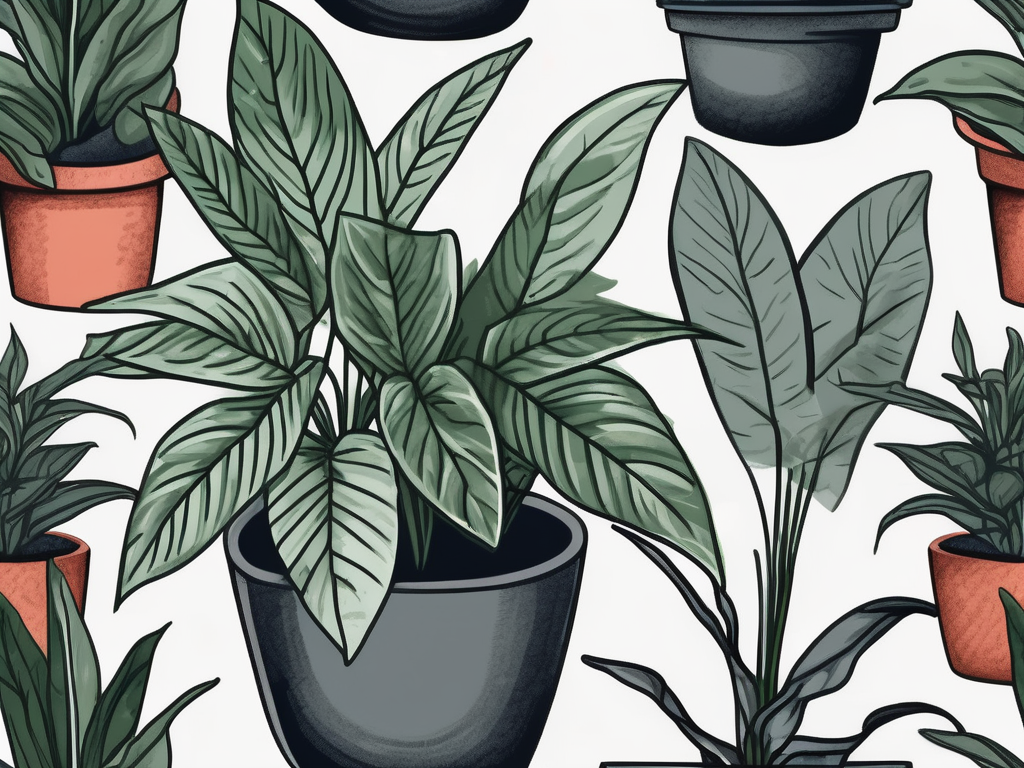
Have you ever admired the quirky charm of a Polka Dot Plant with its speckled leaves and vibrant colors? These little beauties, scientifically known as Hypoestes phyllostachya, can add a delightful splash of color to any indoor space. However, like many indoor plants, they have specific needs, and one of the most important is humidity. Understanding how humidity affects your Polka Dot Plant can make the difference between a thriving plant and a struggling one.
In this article, we’ll explore how humidity impacts the Polka Dot Plant, and offer practical tips for creating the ideal environment for your leafy friend. From understanding its natural habitat to adjusting your home's conditions, we'll cover everything you need to know to keep your Polka Dot Plant looking its best.
The Natural Habitat of the Polka Dot Plant
To give your Polka Dot Plant the best care, it helps to start by understanding where it comes from. Native to Madagascar, these plants thrive in warm, humid environments. Think of lush tropical forests where the air is thick with moisture—this is where Polka Dot Plants feel most at home.
In their natural environment, Polka Dot Plants enjoy humidity levels around 60-80%. This is much higher than the average home, which typically has humidity levels between 30-50%. As you can imagine, the transition from a steamy jungle to a modern living room can be quite a shock for these plants.
Understanding this background helps explain why your Polka Dot Plant might struggle if your home is too dry. The challenge is to recreate similar conditions that mimic the tropics, at least to some degree. Don’t worry, though—there are plenty of ways to boost humidity without turning your home into a rainforest!
Signs Your Polka Dot Plant Needs More Humidity
So, how do you know if your Polka Dot Plant is crying out for more moisture in the air? Luckily, these plants give us a few clear signs. Keep an eye out for:
- Leaf Curling: When humidity levels drop, the leaves might start to curl inward, trying to conserve moisture.
- Brown Leaf Edges: Dry air can cause the edges of the leaves to turn brown and crispy.
- Drooping Leaves: Lack of humidity can lead to droopy, sad-looking leaves.
If you notice any of these symptoms, it's time to take action. The good news is that with a little attention, you can easily address these issues and bring your Polka Dot Plant back to its vibrant self.
Boosting Humidity for Your Polka Dot Plant
Now that we’ve identified the problem, let’s talk solutions. Increasing humidity levels in your home doesn't have to be complicated. Here are some straightforward ways to help your plant thrive:
Use a Humidifier
One of the simplest ways to elevate the humidity around your Polka Dot Plant is by using a humidifier. These devices emit a fine mist into the air, raising the moisture level in the room. Just be sure to place it near your plant, but not directly on it, to avoid soaking the leaves.
Create a Pebble Tray
If you don’t want to invest in a humidifier, a pebble tray is a great alternative. Simply fill a shallow tray with pebbles and add water until it just covers the tops of the pebbles. Place your plant pot on top of the pebbles. As the water evaporates, it will increase the humidity immediately around your plant.
Group Your Plants
Plants naturally release moisture through a process called transpiration. By grouping your Polka Dot Plant with other houseplants, you can create a mini humid environment as they share their moisture with each other. Plus, it looks great in your space!
Humidity and Seasonal Changes
Humidity levels can fluctuate with the seasons, so it’s essential to adjust your plant care routine accordingly. In the winter, indoor air can become particularly dry due to heating systems. This is when your Polka Dot Plant might need extra attention.
Consider moving your plant away from heat sources like radiators or vents, as these can dry out the air even more. Instead, choose a spot in a room with naturally higher humidity, such as a bathroom or kitchen—provided there's enough light, of course.
During warmer months, you might find that natural humidity levels increase, especially if you live in a humid climate. In this case, you may not need to work as hard to maintain the ideal conditions for your Polka Dot Plant.
Balancing Light and Humidity
While we’re focusing on humidity, it's important to remember that light and humidity often work hand in hand. Polka Dot Plants prefer bright, indirect light, which can help them absorb moisture more effectively. If your plant is in a dim corner, it might not be getting enough light, which can compound humidity issues.
Try to find a balance by placing your plant in a well-lit spot that isn’t subject to direct sunlight, which can scorch the leaves. A north or east-facing window is often ideal, offering plenty of bright, indirect light.
If you’re struggling to find the right spot, consider using sheer curtains to diffuse the light or even investing in a grow light to provide consistent illumination. This can be particularly helpful during shorter winter days when natural light is scarce.
Avoiding Overwatering
When humidity is low, it might be tempting to overcompensate with watering. However, this can lead to more problems, such as root rot. It's crucial to strike a balance between keeping your plant hydrated and not drowning it.
To avoid overwatering, make sure your pot has good drainage. Use a well-draining soil mix, and consider adding perlite or sand to improve drainage. Allow the top inch of soil to dry out before watering again. This way, you ensure your plant gets the moisture it needs without waterlogging the roots.
And remember, it's not just the amount of water but also the frequency that matters. Check your plant regularly, but only water when necessary. This way, your Polka Dot Plant can enjoy both a humid environment and healthy roots.
The Role of Temperature in Humidity
Temperature and humidity are closely related, and both are crucial for the well-being of your Polka Dot Plant. These plants prefer temperatures between 70-80°F (21-27°C). Cooler temperatures can reduce the plant's ability to absorb moisture, while excessively hot conditions can dry out the air.
To maintain the right temperature, avoid placing your plant near drafts, A/C units, or direct heat sources. A consistent temperature not only helps with humidity levels but also keeps your plant stress-free and happy.
If your home tends to have drastic temperature swings, consider using a room thermometer to keep track of conditions. This can help you make adjustments as needed to maintain a stable environment for your plant.
Using Misting as a Humidity Boost
Misting your Polka Dot Plant is a simple way to provide a temporary humidity boost. Use a spray bottle filled with room temperature water, and gently mist the leaves in the morning. This allows the water to evaporate gradually throughout the day.
However, keep in mind that misting should not replace other humidity-boosting methods. It’s a quick fix, but not a permanent solution. Also, avoid misting in the evening to prevent moisture from sitting on the leaves overnight, which can promote fungal diseases.
If you enjoy the ritual of caring for your plants, adding misting to your routine can be a relaxing way to bond with your Polka Dot Plant while giving it a little extra love.
Final Thoughts
Your Polka Dot Plant can thrive with the right balance of humidity, light, and care. By understanding its needs, you can create a comfortable environment that mimics its natural habitat. Remember to watch for signs of dryness, and use the tips provided to boost humidity levels as needed.
At Cafe Planta, we're passionate about helping you succeed in your plant journey. Whether you're looking for a new addition or need advice on plant care, we're here for you. Feel free to reach out via email or Instagram. Let's grow together, one plant at a time!