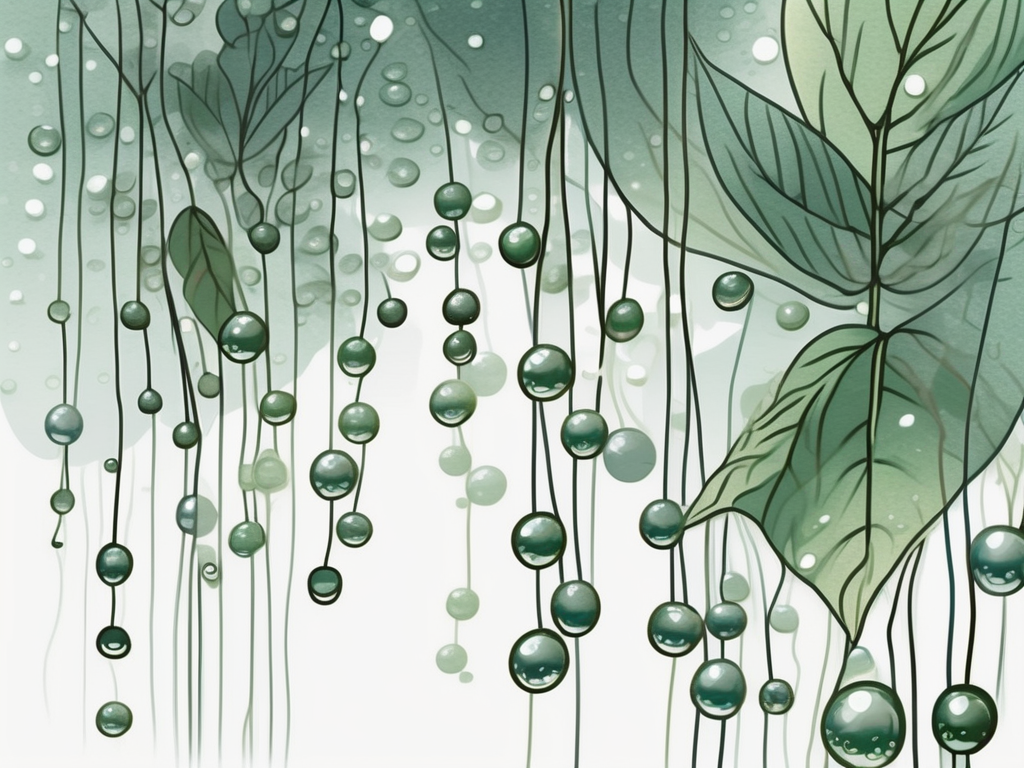
String of Pearls, with its unique appearance and fascinating growth pattern, is a favorite among plant lovers. Its delicate, cascading beads make it a striking addition to any indoor space. But as with any plant, understanding the right care conditions is crucial to keeping it healthy and thriving. One of these conditions is humidity, which can significantly affect how well your String of Pearls does.
In this article, we’ll explore how humidity impacts the growth and overall health of your String of Pearls. We’ll look into the ideal humidity levels, how to adjust for low or high humidity, and tips for maintaining these conditions. By the end, you’ll have a clearer understanding of how to create the perfect environment for your plant to flourish.
The Basics of Humidity and Its Importance
Let’s start by breaking down what humidity actually is. In simple terms, humidity refers to the amount of water vapor present in the air. It’s a natural part of our environment, and for plants, it can be as crucial as sunlight or water. Plants have small pores on their leaves called stomata, which they use to exchange gases and transpire. Humidity levels directly affect this process.
For String of Pearls, which originates from arid regions, they’re adapted to a certain level of humidity. Too much or too little can disrupt their natural processes. Just like how a person might feel uncomfortable in a room that's too damp or too dry, your plant can feel similar effects. Striking the right balance is key.
- Low Humidity: Can cause the plant to lose moisture too quickly, leading to shriveled or dried beads.
- High Humidity: Can result in a damp environment that might encourage fungal diseases and rot.
Understanding these basics will set the foundation for recognizing the signs of humidity-related stress and taking action.
Ideal Humidity Levels for String of Pearls
Now that we’ve established why humidity is essential, what’s the sweet spot for your String of Pearls? Generally, these plants prefer a moderate humidity level, somewhere around 40-50%. This range mimics their natural desert habitat, where the air isn’t overly humid, but there’s still enough moisture to keep them going.
Interestingly enough, these plants are quite adaptable. If your home’s natural humidity falls within this range, you might not need to make many adjustments. However, in areas with central heating or air conditioning, humidity levels can often drop below this, making it necessary to intervene.
Monitoring the humidity levels in your home can be as simple as using a hygrometer, a handy little device that tells you how humid your space is. This way, you can keep an eye on any fluctuations and make necessary changes to keep things just right for your plants.
Signs Your String of Pearls Is Struggling with Humidity
How do you know if your String of Pearls is having a hard time because of humidity? There are a few tell-tale signs that your plant might be giving you. Recognizing these early on can help prevent more serious issues down the road.
- Beads Shriveling: If the beads appear wrinkled or shriveled, it might be a sign of low humidity or insufficient watering.
- Yellowing Leaves: This can happen when there’s too much moisture, either from the air or overwatering.
- Fungal Growth: High humidity can lead to fungal diseases, noticeable by black spots or a fuzzy mold on the plant.
- Stunted Growth: If your plant isn’t growing as it should, it might be reacting to an unsuitable humidity level.
Each of these signs points to a different aspect of humidity imbalance, and knowing what to look for can be incredibly helpful for troubleshooting.
How to Increase Humidity for Your Plant
So, you’ve noticed your String of Pearls could use a little more humidity. What can you do to help? Luckily, there are several simple methods to increase humidity around your plant.
Grouping Plants Together
Plants naturally release moisture into the air through a process called transpiration. By grouping your plants together, you can create a mini ecosystem where they help each other maintain higher humidity levels. It’s a win-win!
Use a Humidity Tray
Another effective method is to use a humidity tray. Simply fill a shallow tray with pebbles and add water until it just reaches the top of the pebbles. Place your plant on top. As the water evaporates, it will create a more humid microenvironment around your String of Pearls.
Invest in a Humidifier
If you’re looking for a more permanent solution, a humidifier can be a great investment. This is particularly useful during the winter months when heating can make the air excessively dry. A humidifier ensures a consistent humidity level, keeping your plants happy and healthy.
With these tips, you’ll be able to give your String of Pearls the additional moisture it craves without overdoing it.
Dealing with Too Much Humidity
On the other hand, you might find yourself in a situation where there’s too much humidity. This is often the case in regions with naturally high humidity or during rainy seasons. Excess humidity can be just as problematic as too little, leading to issues like rot and fungal growth.
Improve Air Circulation
Ensuring good air circulation can help mitigate the effects of high humidity. Consider placing a fan near your plant to keep the air moving. This not only reduces the chance of fungal growth but also helps the plant dry out between waterings.
Avoid Overwatering
When humidity is high, the soil tends to retain moisture for longer periods. It’s essential to adjust your watering schedule accordingly, reducing the frequency to prevent waterlogging and root rot.
Use Dehumidifiers
In extreme cases, you might need to use a dehumidifier to bring down the moisture levels in the air. This can help create a more balanced environment for your plant to thrive without the risk of excess moisture.
By implementing these strategies, you can help your String of Pearls survive and even thrive in conditions that might otherwise be too humid.
Creating the Perfect Spot for Your Plant
Finding the right spot in your home for your String of Pearls is another important factor in managing humidity. This plant loves bright, indirect sunlight, which often pairs well with the humidity levels it prefers.
Consider placing your plant near a window where it can bask in filtered light. Avoid spots that are too close to heat sources like radiators, which can dry out the air. Instead, find a location that offers a consistent environment, avoiding sudden changes in temperature and humidity.
If you’re trying to increase humidity, bathrooms or kitchens can be ideal locations, thanks to the naturally higher moisture levels. Just ensure there’s enough light, and your plant should do well.
Seasonal Changes and Humidity
Seasons can dramatically affect humidity levels in your home, and being aware of these changes can help you adjust your care routine accordingly.
Winter Considerations
During winter, indoor heating can lead to dry air, making it necessary to increase humidity. This is where a humidifier or regular misting can be especially beneficial.
Summer Considerations
In summer, humidity is usually higher, but be cautious of overwatering. Your plant might not need as much water as it does in drier conditions, so always check the soil before watering.
Adapting to these seasonal changes ensures that your String of Pearls remains healthy and vibrant year-round.
Common Mistakes and How to Avoid Them
As with any plant care, there's a learning curve involved. Here are some common mistakes people make with humidity and how to avoid them.
- Ignoring Signs: Don’t overlook signs of stress like shriveled beads or yellowing leaves. These are your plant’s way of communicating its needs.
- Overwatering in High Humidity: Adjust your watering schedule based on humidity levels to prevent root rot.
- Inconsistent Care: Regularly check your plant's environment and make gradual changes to avoid shocking the plant.
By being proactive and attentive, you can avoid these pitfalls and provide the best care for your plant.
Final Thoughts
Understanding and managing humidity can make a big difference in the health and appearance of your String of Pearls. By recognizing the signs of humidity stress and taking steps to create the right environment, you can ensure your plant thrives.
At Cafe Planta, we’re passionate about helping you find the right plants and care solutions. Whether you’re browsing our selection of unique plants or need advice, we’re here to help. Reach out via email or connect with us on Instagram. We believe plants have the power to bring joy and connection to your home.