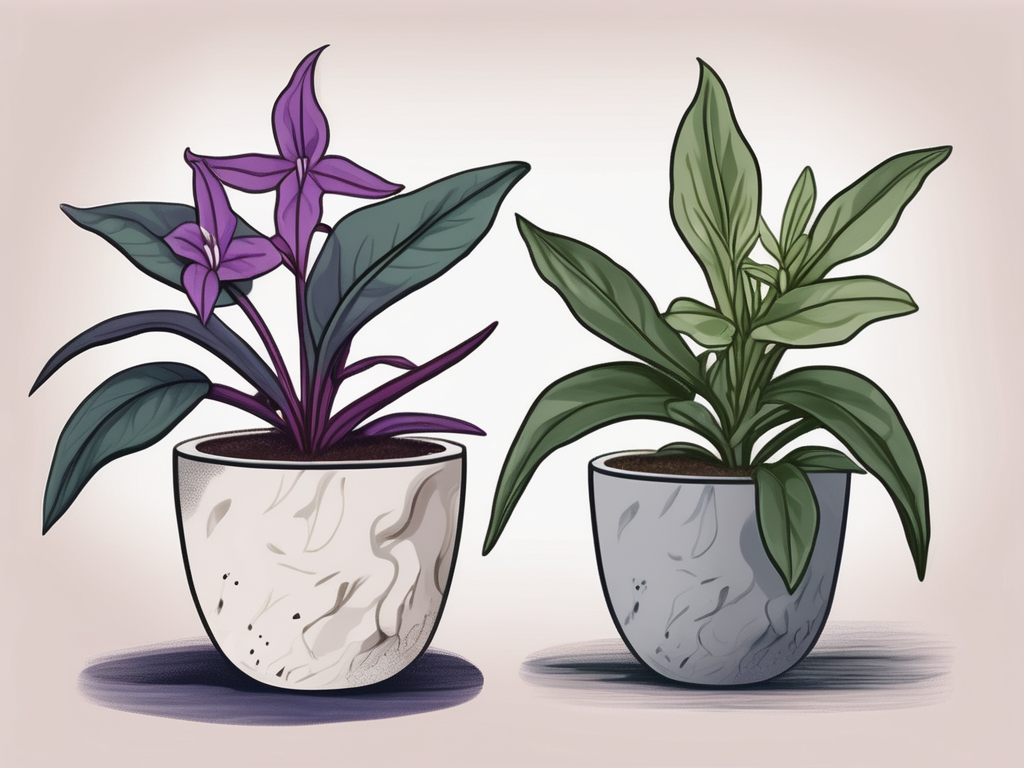
Tradescantia, also known as spiderwort, is a beloved houseplant for its vibrant colors and lush foliage. But did you know that humidity levels play a significant role in keeping these plants healthy and thriving?
In this article, we'll chat about how humidity affects Tradescantia, why it matters, and what you can do to create the ideal environment for your plant. From understanding its natural habitat to practical tips for maintaining the right humidity levels, we've got you covered.
Understanding Tradescantia's Natural Habitat
Tradescantia hails from the tropical and subtropical regions of the Americas, where it's used to warm temperatures and high humidity. This environment plays a significant role in its growth, as the plant's natural habitat offers abundant moisture and indirect sunlight. When we bring Tradescantia into our homes, replicating these conditions becomes essential for its well-being.
In the wild, this plant often grows in the understory of forests, which means it receives filtered light rather than direct sunlight. The forest floor remains consistently humid, creating a microclimate that supports Tradescantia's lush foliage and vibrant colors. Understanding these natural preferences helps us provide the best care possible.
So, what does this mean for you as a plant parent? Essentially, your Tradescantia will thrive in an environment that mimics these conditions. Think warm, humid, and with plenty of indirect light. But don't worry—we'll break down exactly how you can achieve this in your home.
Why Humidity Matters for Tradescantia
Humidity is more than just a comfort factor for Tradescantia—it's a necessity. When the air is too dry, Tradescantia can struggle to absorb moisture through its leaves, leading to issues such as browning tips and stunted growth. Maintaining the right level of humidity ensures that your plant can thrive.
Tradescantia's leaves are designed to absorb moisture from the air, so when the air is too dry, the plant might not get enough water, even if you're watering it regularly. High humidity levels prevent this by allowing the plant to take in moisture directly through its foliage. This process helps maintain the plant's vibrant color and promotes healthy growth.
Furthermore, proper humidity levels can also reduce the risk of pests. Many common houseplant pests, such as spider mites, thrive in dry conditions. By keeping the air humid, you create an environment less conducive to these unwanted guests.
In short, maintaining the right humidity is crucial for Tradescantia's health and appearance. But how do you know if your home has the right humidity, and what can you do if it doesn't? Let's explore some practical solutions.
Signs Your Tradescantia Needs More Humidity
Not sure if your Tradescantia is getting enough humidity? Here are some telltale signs that it might need a little extra moisture in the air:
- Browning leaf tips: One of the most common signs of low humidity is browning or crispy tips on the leaves. This occurs when the plant can't absorb enough moisture from the air.
- Wilting leaves: Even with regular watering, low humidity can cause the leaves to wilt or droop, as the plant struggles to retain moisture.
- Stunted growth: If your Tradescantia isn't growing as vigorously as expected, it might be due to insufficient humidity.
- Pest infestations: An increase in pests like spider mites can also indicate low humidity levels.
If you notice any of these signs, it's time to take action. Fortunately, there are several easy ways to increase humidity for your Tradescantia and help it thrive.
Simple Ways to Increase Humidity
Boosting humidity levels for your Tradescantia can be easier than you think. Here are some practical methods to try:
- Mist the leaves: A simple way to add moisture is by misting the leaves with water. Use a spray bottle and lightly mist the plant a few times a week. Just be sure not to overdo it, as too much moisture can lead to mold or mildew.
- Use a humidity tray: Place a shallow tray filled with water and pebbles under your plant's pot. As the water evaporates, it increases the surrounding humidity. Make sure the pot itself isn't sitting in water to avoid root rot.
- Group plants together: By placing several plants close together, you can create a microclimate with higher humidity. As each plant transpires, it raises the moisture level in the air around them.
- Invest in a humidifier: If you're serious about maintaining consistent humidity levels, a humidifier is a great investment. It can be especially helpful during the winter months when indoor air tends to be drier.
By incorporating one or more of these methods, you can ensure your Tradescantia gets the humidity it craves. But remember, balance is key—too much humidity can also cause problems.
Preventing Over-Humidity Issues
While Tradescantia loves humidity, too much can lead to issues like mold, mildew, and even root rot. Here's how to strike the perfect balance:
Start by monitoring the humidity levels in your home. A hygrometer is a handy tool that can help you keep track of the moisture in the air, ensuring it stays within the ideal range for your Tradescantia (around 40-60%).
It's also important to avoid overwatering. Remember, humidity is about moisture in the air, not the soil. Overwatering can lead to soggy soil, which promotes root rot and other problems. Stick to a regular watering schedule, allowing the top inch of soil to dry out between waterings.
Ensure good air circulation around your plant to prevent mold and mildew. This can be as simple as opening a window occasionally or using a fan to keep the air moving.
By being mindful of these factors, you can provide the right amount of humidity without overdoing it. Now, let's talk about how to create the perfect environment for your Tradescantia.
Creating the Ideal Environment
Beyond humidity, there are other factors to consider when caring for your Tradescantia. Here's how to create an environment that supports its growth:
- Light: Tradescantia thrives in bright, indirect light. Too much direct sunlight can scorch the leaves, while too little light can cause leggy growth. A north or east-facing window is often ideal.
- Temperature: These plants prefer temperatures between 60-75°F (15-24°C). Avoid placing them near drafts or heat sources, as sudden temperature changes can stress the plant.
- Soil: Use a well-draining potting mix to prevent waterlogging. A mix designed for indoor plants, with added perlite or sand, works well.
- Fertilizer: During the growing season (spring and summer), feed your Tradescantia with a balanced, water-soluble fertilizer every month. Hold off on feeding during fall and winter when growth slows.
By taking a holistic approach to your plant's care, you'll create an environment where it can truly thrive. But what if you encounter issues along the way?
Troubleshooting Common Problems
Even with the best care, issues can arise. Here's how to tackle some common problems with Tradescantia:
- Leggy growth: If your plant is growing tall and spindly, it may not be getting enough light. Move it closer to a light source or consider supplemental lighting.
- Leaf discoloration: Yellow or brown leaves can be due to several factors, including overwatering, underwatering, or inadequate humidity. Evaluate your care routine and adjust as needed.
- Pest problems: If you notice pests like spider mites or aphids, treat them promptly with insecticidal soap or neem oil. Increasing humidity can also deter these pests.
By keeping an eye on your Tradescantia and addressing issues as they arise, you can maintain a healthy and happy plant. But let's not forget about the aesthetic side of things.
Incorporating Tradescantia into Your Home Design
Tradescantia isn't just about plant care—it's also a beautiful addition to your home decor. Here are some creative ways to incorporate this vibrant plant into your interior design:
- Hanging planters: Tradescantia's trailing vines look stunning in hanging planters, adding a touch of greenery to any room.
- Mixed plant displays: Combine Tradescantia with other houseplants for a dynamic, layered look. Its colorful foliage pairs well with plants like ferns and pothos.
- Bookshelf decor: Let the vines cascade down a bookshelf or wall-mounted shelves for a natural, organic touch.
With its vibrant colors and easy care, Tradescantia offers endless possibilities for enhancing your home. Whether you're a seasoned plant lover or new to houseplant care, this plant is a joy to grow and display.
Final Thoughts
Tradescantia's love for humidity is just one aspect of its charm. By understanding its needs and creating a supportive environment, you can enjoy this beautiful plant in your home for years to come.
At Cafe Planta, we love helping you care for your plants. Whether you're looking for new additions or have questions about plant care, feel free to email us or connect on Instagram. Let's grow together!