Have you ever noticed your Anthurium looking a bit under the weather despite your best efforts to care for it? Perhaps the leaves are drooping, or the plant just doesn't seem to be thriving like it used to. You might be dealing with a root-bound Anthurium. It's a common issue that many plant parents encounter, and addressing it can make a world of difference for your plant's health and vitality.
In this article, we're going to talk about why it's so important to tackle root-bound conditions in Anthuriums, what signs to watch for, and how to help your plant bounce back to its vibrant self. Plus, we'll share some tips on preventing this problem in the first place, so you can enjoy the beauty of your Anthurium without the worry.
Understanding Root-Bound Conditions
So, what exactly does "root-bound" mean? In simple terms, a plant becomes root-bound when its roots have grown too large for the pot it's in. This typically happens when a plant has been in the same pot for an extended period. The roots run out of room to grow and start circling around the inside of the pot, often forming a dense, tangled mass.
For an Anthurium, being root-bound can lead to several issues. When the roots are too tightly packed, they struggle to absorb water and nutrients effectively. This can result in stunted growth, yellowing leaves, or even wilting. Essentially, a root-bound Anthurium is like a person wearing shoes that are two sizes too small—it's just not comfortable!
Interestingly enough, some plants can tolerate being root-bound for a while, but Anthuriums are not one of them. They thrive best when their roots have plenty of space to spread out and access the resources they need. This is why it's crucial to address the root-bound condition as soon as you notice it.
Signs Your Anthurium Might Be Root-Bound
How do you know if your Anthurium is root-bound? Here are some telltale signs to look out for:
- Visible roots: If you see roots poking out from the drainage holes of the pot or even emerging at the surface of the soil, it's a clear indication that your plant needs more room.
- Slow growth: Notice your Anthurium isn't growing as quickly as it used to? This could be because it's struggling to access the nutrients it needs due to overcrowded roots.
- Wilting or yellowing leaves: When roots can't absorb enough water, the plant may show signs of dehydration, such as wilting or yellowing leaves.
- Water pooling on the surface: If water isn't soaking into the soil and instead sits on top, the roots may be too compacted to allow proper drainage.
If you're noticing one or more of these signs, it's time to check your Anthurium's roots. Gently lift the plant from its pot and take a look. If the roots are tightly wound around the edge of the soil, it's definitely time for a change.
Repotting Your Root-Bound Anthurium
Once you've identified that your Anthurium is root-bound, the next step is to repot it. This process might sound intimidating, but it's actually quite straightforward and rewarding.
Gather Your Supplies
Before you start, make sure you have everything you need:
- A new pot that's about 1-2 inches larger in diameter than the current one. Ensure it has drainage holes.
- Fresh potting mix suitable for Anthuriums. A mix designed for orchids or aroid plants often works well, as it provides good drainage and aeration.
- Scissors or pruning shears to trim any damaged roots.
- Optional: Gloves, if you prefer not to get your hands dirty.
The Repotting Process
Now, let's get to the fun part—repotting!
- Remove the plant: Carefully remove your Anthurium from its current pot. You might need to gently tap the sides or loosen the soil around the edges to help it slide out.
- Inspect the roots: Once the plant is out, examine the roots. Trim away any that are dead, blackened, or mushy. This helps prevent disease and encourages healthy growth.
- Loosen the roots: If the roots are tightly wound, gently loosen them with your fingers. This helps them spread out in the new pot.
- Place in the new pot: Add a layer of fresh potting mix to the bottom of the new pot, then place your Anthurium in it. Fill in around the sides with more potting mix, making sure the plant is at the same depth as before.
- Water thoroughly: Give your Anthurium a good drink to help settle the soil and eliminate any air pockets.
And there you have it! Your Anthurium should start to perk up as it adjusts to its new, spacious home.
Preventing Root-Bound Issues
While repotting is a great solution for a root-bound Anthurium, preventing the issue in the first place is even better. Here are some tips to help you do just that:
- Regular checks: Inspect your Anthurium's roots every few months. If you notice they're starting to circle the pot, consider repotting soon.
- Choose the right pot size: When you first pot your Anthurium, be mindful of the pot size. A pot that's too small will quickly lead to root-bound conditions.
- Monitor growth: If your Anthurium seems to be growing rapidly, it might outgrow its pot sooner than expected. Keep an eye on its development and adjust as needed.
- Proper watering: Ensuring proper watering can help prevent root problems. Water thoroughly but allow the soil to dry out slightly between waterings.
By taking these steps, you can help your Anthurium thrive and avoid the stress of being root-bound.
Choosing the Right Potting Mix
One of the often-overlooked aspects of preventing root-bound conditions is the choice of potting mix. A good mix not only provides the nutrients your Anthurium needs but also ensures proper drainage, which is crucial for healthy root growth.
Anthuriums prefer a well-draining mix that retains some moisture without becoming waterlogged. A common recipe includes:
- Orchid bark: Provides excellent drainage and aeration.
- Perlite: Helps with aeration and prevents soil compaction.
- Peat moss or coco coir: Retains moisture while allowing for drainage.
- Charcoal: Helps with odor control and keeps the mix fresh.
You can usually find pre-mixed potting blends for Anthuriums or aroids at garden centers, or you can try mixing your own. Just remember, the goal is to create a balance that allows for both moisture retention and aeration.
The Role of Proper Watering
Watering seems like a simple task, but it's actually a key factor in preventing root-bound issues. Overwatering or underwatering can both contribute to root problems, so finding the right balance is crucial.
Here's a quick guide to watering your Anthurium effectively:
- Check the soil: Before watering, check the top inch of soil. If it's dry, it's time to water.
- Water deeply: When you water, do so thoroughly until you see water draining from the bottom of the pot. This ensures the roots receive enough moisture.
- Allow drainage: Always let excess water drain away to prevent root rot. Never let your Anthurium sit in water.
- Adjust for humidity: Anthuriums love humidity, so you might need to water more frequently in dry conditions.
By keeping an eye on your watering habits, you can create an environment where your Anthurium's roots can thrive without becoming bound.
Regular Monitoring for Optimal Growth
Regular monitoring of your Anthurium's health is a proactive way to catch root-bound conditions before they become a problem. Keeping an eye on your plant allows you to notice changes in growth, leaf color, and overall vigor that might indicate an issue.
A few things to keep in mind:
- Growth patterns: If your Anthurium suddenly stops growing or its growth slows significantly, take a closer look at the roots.
- Leaf health: Yellowing or wilting leaves can be a sign of root problems, so don't ignore these symptoms.
- Soil condition: Check the soil regularly for compaction or poor drainage, which can contribute to root issues.
By staying attentive to these factors, you can help ensure your Anthurium remains healthy and vibrant.
Creating a Beautiful Space with Anthuriums
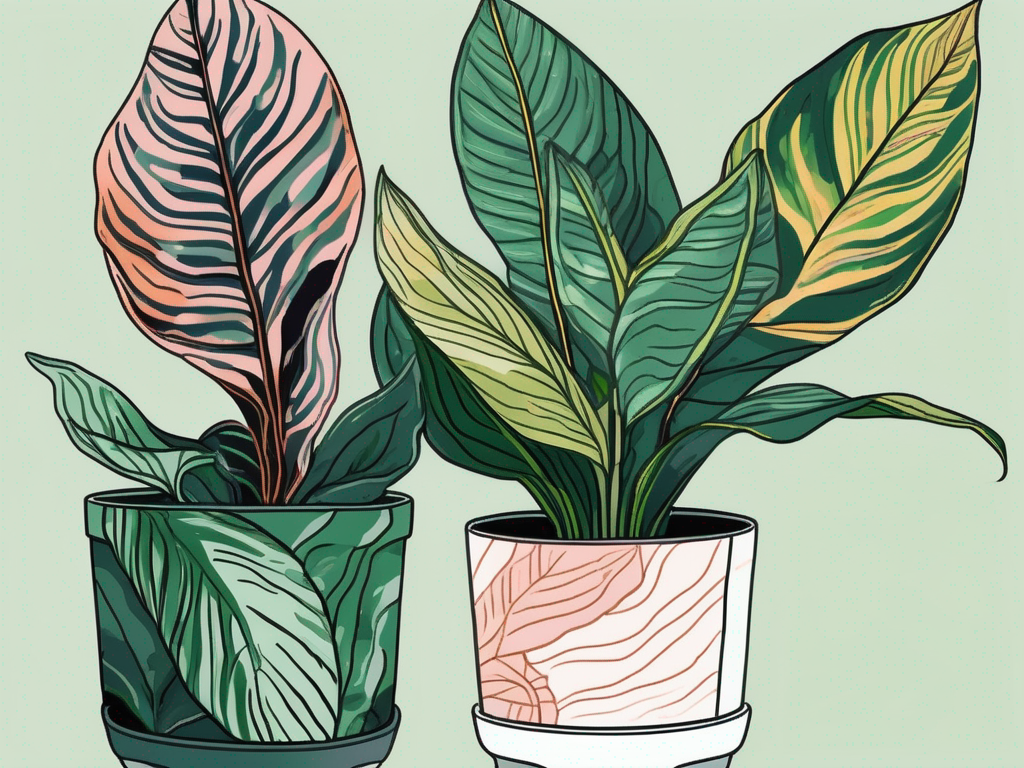
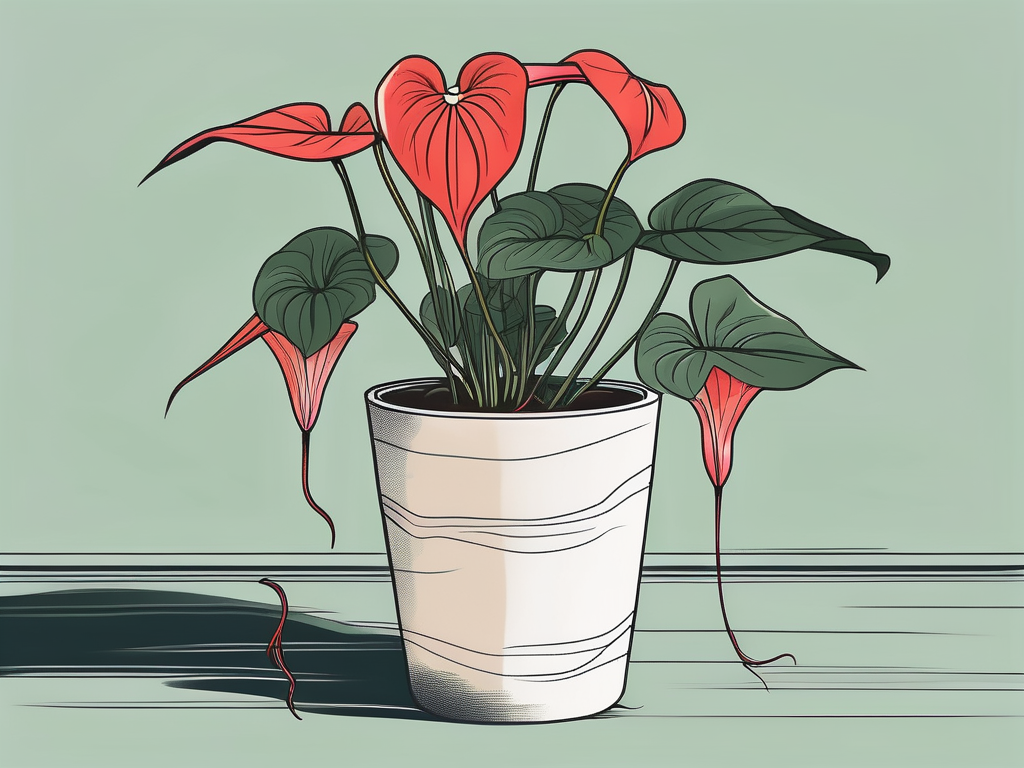
Beyond their care and maintenance, Anthuriums can add a stunning touch to any space. Their vibrant, heart-shaped leaves and striking flowers make them a popular choice for interior design. Whether you're a seasoned plant lover or just starting your collection, Anthuriums can bring a touch of the tropics to your home.
Here are a few ideas for incorporating Anthuriums into your decor:
- Statement pieces: Use a large, healthy Anthurium as a focal point in your living room or entryway.
- Group plantings: Combine different varieties of Anthuriums for a lush, tropical display.
- Color coordination: Match the colors of your Anthurium's flowers to your room's color scheme for a cohesive look.
- Unique containers: Place your Anthurium in an eye-catching pot or container to accentuate its beauty.
With a little creativity, your Anthurium can become a centerpiece that enhances your home's aesthetic and brings joy to your space.
Final Thoughts
Addressing root-bound conditions in your Anthurium is an important part of keeping your plant healthy and thriving. By recognizing the signs, repotting when necessary, and maintaining good care practices, you can help your Anthurium live its best life.
At Cafe Planta, we're here to support you on your plant journey. Whether you're looking for new additions to your collection or need advice on plant care, we've got you covered. Feel free to reach out to us via email or connect with us on Instagram. We believe that plants have the power to bring people together, and we're excited to help you create a beautiful, thriving plant collection in your home.