Hoya plants, often known as wax plants, are beloved by plant lovers for their stunning foliage and sweet-smelling flowers. But there's something else that makes these plants fascinating: their aerial roots. If you've ever noticed those little roots growing from the stem of your Hoya, you might have wondered what they're all about.
In this post, we'll take a closer look at the significance of Hoya aerial roots. We’ll explore what they are, why they matter, and how they can help your Hoya plant thrive. Plus, we'll share some practical tips on how to care for these unique roots and integrate them into your home decor. Ready to learn more about these intriguing plant features? Let’s get started!
What Are Hoya Aerial Roots?
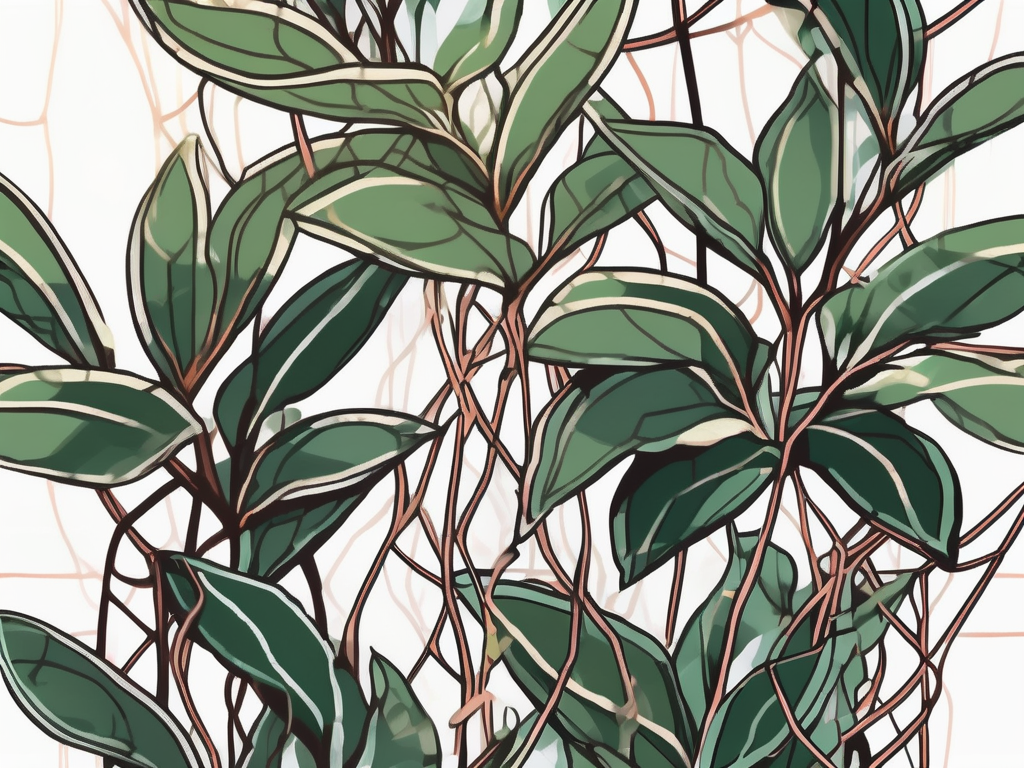
First things first, let's talk about what aerial roots actually are. Unlike typical roots that grow underground, aerial roots emerge from the stem of the plant and extend into the air. While this might seem unusual, it's actually quite common in many plant species, including Hoyas.
These roots serve several purposes. For one, they help the plant climb and anchor itself to surfaces. This is especially important for Hoyas, which are vining plants often found clinging to trees in their natural habitat. The aerial roots grip onto surfaces, allowing the plant to reach toward the light.
But that's not all! Aerial roots can also absorb moisture and nutrients from the air. This can be a lifesaver for plants growing in environments where water and nutrients are scarce. In a home setting, these roots can take in humidity from the air, which is great news for anyone who sometimes forgets to water their plants. So, next time you see those roots reaching out, think of them as your plant’s built-in survival mechanism.
Why Do Hoyas Develop Aerial Roots?
Now that we understand what aerial roots are, let’s delve into why Hoyas develop them. It’s all about adaptation and survival. In the wild, Hoyas often grow in tropical forests where they need to compete for sunlight and resources. The aerial roots are a clever adaptation that helps them climb trees and other structures to find light.
Moreover, aerial roots can help Hoyas support themselves as they grow. If you've ever had a Hoya plant, you know they can get quite long and vine-like. The aerial roots help them attach to surfaces, which can prevent the stems from breaking under their own weight.
Interestingly enough, the development of aerial roots can also be a response to environmental conditions in your home. If your Hoya is producing a lot of aerial roots, it might be because it's searching for more humidity or support. So, those roots are like little indicators, telling you about your plant's needs and preferences.
How to Care for Hoya Aerial Roots
Just like any other part of your plant, aerial roots need a bit of care to keep them healthy. Here’s how you can give them the best possible environment:
- Humidity: Aerial roots love humidity. If your home is on the dry side, consider using a humidifier or placing a tray of water near your plant to increase the moisture in the air.
- Support: Provide structures like trellises or poles for your Hoya to climb on. This gives aerial roots something to grip, which can help the plant grow taller and stronger.
- Moisture: While aerial roots can absorb moisture from the air, they still benefit from occasional misting. A gentle spray of water can help keep them supple and healthy.
- Avoid Overwatering: Despite their love for humidity, too much water can lead to rot. Make sure your plant's potting mix is well-draining and only water when the top inch of soil feels dry.
Taking these simple steps can make a big difference in the health of your Hoya’s aerial roots, and by extension, the plant itself.
Incorporating Hoya Aerial Roots into Your Home Decor
Besides their functional benefits, Hoya aerial roots can add a unique aesthetic to your home. They bring an exotic, jungle-like feel, which can be an interesting feature in your plant display. Here's how you can make the most of them:
- Use Trellises: Position trellises or moss poles in your pots. As the aerial roots latch on, they create an attractive, vertical display.
- Hanging Displays: Hanging baskets or wall-mounted planters let the vines and aerial roots cascade, creating a natural, flowing look.
- Natural Backdrops: Let your Hoya climb a natural wood background. The contrast between the roots and the wood can be striking and beautiful.
By creatively using aerial roots in your decor, you can turn your Hoya into a living piece of art that enhances your interior space.
Common Myths about Hoya Aerial Roots
There are a few misconceptions floating around about aerial roots, so let’s set the record straight. One common myth is that aerial roots are a sign of poor plant health. This is not true! In fact, their presence usually means your plant is trying to grow and thrive.
Another myth is that aerial roots are unsightly and should be cut off. While it’s okay to trim them if they’re getting out of hand, they’re a natural part of the plant that can play an important role in its growth. Before reaching for the scissors, consider how those roots might be helping your Hoya.
Understanding the reality of aerial roots can help you appreciate their role and encourage you to care for them properly.
Potential Problems with Hoya Aerial Roots
Like any part of a plant, aerial roots can sometimes cause a few headaches. Common issues include:
- Root Rot: If aerial roots are continually wet, they may rot. Ensure your plant is in a well-ventilated area and avoid overwatering.
- Pests: Aerial roots can occasionally attract pests like mealybugs. Regularly check your plant and treat any infestations promptly.
- Shriveling: If the roots start to shrivel, your plant might need more humidity. Try increasing the moisture in the air around your plant.
By keeping an eye out for these issues and addressing them quickly, you can help maintain your Hoya's health and beauty.
Using Aerial Roots for Propagation
Aerial roots can be incredibly useful if you’re interested in propagating your Hoya. Here’s a simple method to try:
- Choose a Healthy Stem: Look for a section of the plant with healthy aerial roots and a few leaves.
- Make a Clean Cut: Using sharp, sterilized scissors, cut just below a node with aerial roots.
- Prepare the Cutting: Let the cutting sit for a couple of hours so the cut end can callous over.
- Plant the Cutting: Place it in a pot with well-draining soil, burying the aerial roots just below the surface.
- Provide Humidity: Cover the cutting with a plastic bag or place it in a mini greenhouse to increase humidity.
With a little patience, you’ll see new growth, and your propagation efforts will be rewarded with a brand-new Hoya plant!
The Role of Aerial Roots in Plant Health
While aerial roots might seem like just an extra feature of your Hoya, they play a significant role in the overall health of the plant. By anchoring the plant and helping it absorb moisture and nutrients, these roots contribute to a stronger, healthier growth pattern.
If you notice your Hoya developing more aerial roots, take it as a cue to check on its overall environment. Perhaps it's seeking more humidity or a better support structure. By responding to these signals, you can ensure your plant stays happy and healthy.
Final Thoughts
Hoya aerial roots are fascinating features that serve multiple purposes, from helping the plant climb to absorbing moisture. They’re not just functional but can also add a unique touch to your home decor. By understanding and caring for these roots, you can help your Hoya thrive.
At Cafe Planta, we love sharing our passion for plants with you. Whether you're looking for plant care advice or unique plant finds, we're here to help. Feel free to email us or reach out on Instagram with any questions. We believe in the power of plants to connect us with nature and each other. Let’s grow together!