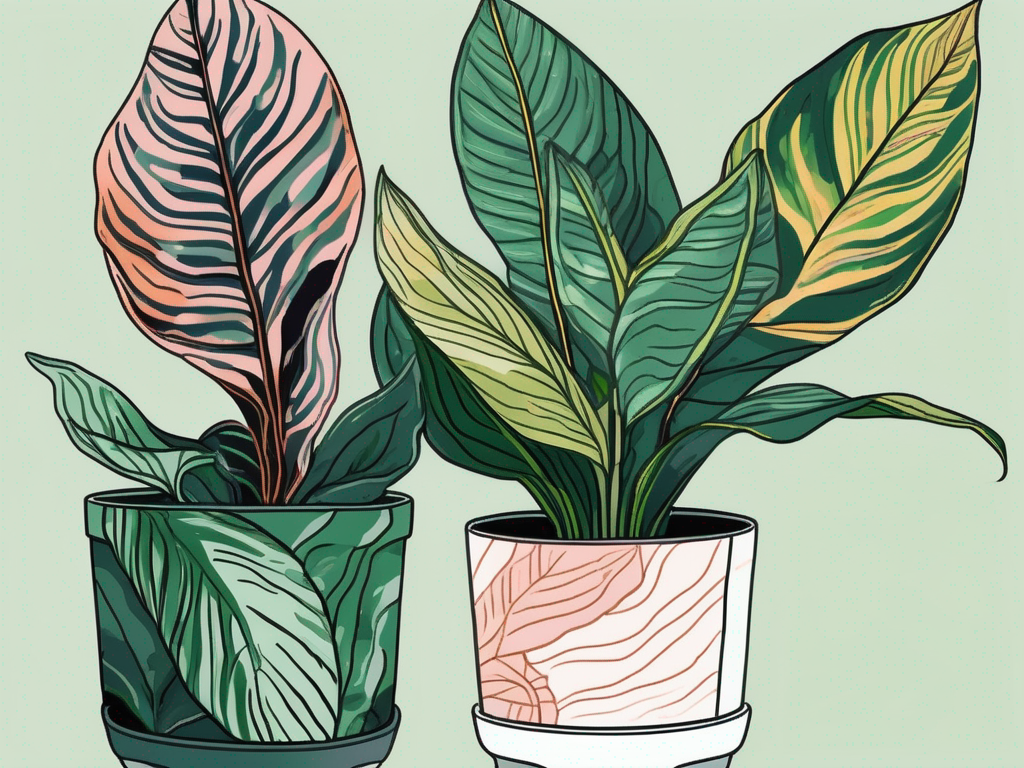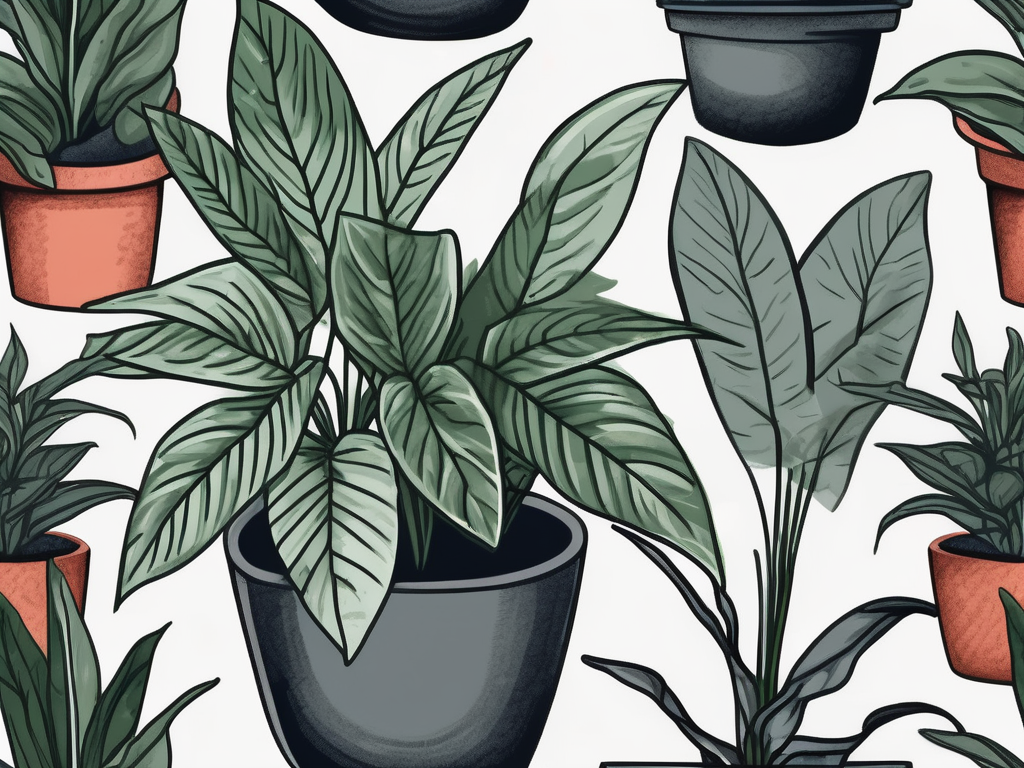
Arrowhead plants, with their charming arrow-shaped leaves and vibrant colors, are a favorite among many plant lovers. While they’re relatively easy to care for, one aspect that often gets overlooked is humidity. This little detail can make a world of difference in keeping your arrowhead plant looking its best.
In this article, we're going to chat about why humidity is so important for arrowhead plants, how you can provide it, and some practical tips to ensure your plant thrives. So, let’s get started and ensure your arrowhead plant is living its best life!
Why Humidity Matters for Arrowhead Plants
Arrowhead plants, also known as Syngonium, hail from tropical regions where humidity levels are naturally high. Imagine being on a tropical beach—warm and humid, right? That’s the kind of environment these plants love. When they’re kept in conditions mimicking their native habitats, they flourish.
Without adequate humidity, arrowhead plants may start to show signs of stress. These can include browning leaf tips, slower growth, and a general lack of vibrancy. Think of it like your skin in winter—without enough moisture, it feels dry and uncomfortable. The same goes for your plant.
Humidity doesn't just keep the plant looking good; it also plays a role in its overall health. Adequate moisture in the air helps the plant's leaves stay flexible and robust, reducing the chances of breakage or wilting. It also aids in nutrient absorption, ensuring your plant gets everything it needs from the soil.
Signs Your Arrowhead Plant Needs More Humidity
So, how can you tell if your arrowhead plant is craving a bit more humidity? It’s all about observation. Plants communicate through their appearance, and changes can be subtle or quite dramatic.
One of the most common signs is browning leaf edges. If you notice the tips of your arrowhead plant’s leaves turning brown, it might be signaling that the air is too dry. This is similar to how your lips chap in cold, dry weather—an obvious cry for moisture.
Another indicator is leaf curling. When the leaves start to curl inward, it’s like they’re trying to conserve moisture. Additionally, if the plant seems to be growing more slowly than usual, it could be struggling to thrive in its current environment.
Lastly, pay attention to the plant's overall appearance. If it looks a bit dull or lifeless, it might be a humidity issue. Keeping an eye on these signs will help you adjust the conditions before any serious damage occurs.
Creating a Humid Environment Indoors
Caring for houseplants sometimes means recreating their natural environment as best as we can. For the arrowhead plant, this means upping the humidity levels around it. But how do you do that without turning your home into a rainforest?
A simple way to increase humidity is by grouping your plants together. Plants naturally release moisture into the air, so clustering them can create a microenvironment with higher humidity. Think of it as a mini plant party—they all benefit from each other's presence!
Using a pebble tray is another effective method. Place a shallow tray filled with pebbles and water under your plant’s pot. As the water evaporates, it adds moisture to the air around the plant. It’s like a natural humidifier that also looks decorative.
If you want to take it a step further, consider investing in a room humidifier. It’s a more controlled way to increase humidity, especially during the dry months when heating systems can sap moisture from the air. Your plants—and possibly your skin—will thank you!
Best Practices for Misting
Misting is often suggested as a way to boost humidity, but it’s important to do it right to avoid any pitfalls. While misting can add some moisture to the air, it’s not a long-term solution, and improper misting can sometimes do more harm than good.
When misting your arrowhead plant, do it in the morning. This timing allows the leaves to dry throughout the day, reducing the risk of fungal infections. You don’t want to leave your plant damp and cold overnight, which is an invitation for pests and diseases.
Use a fine mist spray bottle to ensure the water droplets are small and evenly distributed. Hold the bottle a few inches away from the plant and spray lightly. You’re aiming for a gentle dew, not a rainstorm. Remember, the goal is to mimic the humidity of a rainforest, not create a swamp on your window sill.
Lastly, be consistent. Misting can be a part of your regular plant care routine, but it shouldn’t be the only method you rely on for humidity. Combine it with other strategies for the best results.
Choosing the Right Spot in Your Home
Where you place your arrowhead plant can significantly affect its humidity levels. Some areas in your home naturally have higher humidity, like the kitchen or bathroom. These spots can be ideal for plants that love moisture.
If you’re placing your plant in a bathroom, make sure it gets enough light as well. Bathrooms can sometimes be dim, and while arrowhead plants can tolerate low light, they thrive in bright, indirect light. A windowsill or a spot under a skylight can be perfect.
In other parts of your home, avoid placing the plant near heating vents or air conditioners. These can dry out the air quickly, making it harder to maintain the necessary humidity levels. If you’re unsure about the humidity in a particular room, you can use a hygrometer to measure it. Aim for a humidity level of around 60% for optimal plant health.
DIY Humidity Hacks
If you’re feeling crafty, there are plenty of DIY methods to boost humidity around your plants. One fun idea is to create a terrarium. While this is more of a long-term project, it can be a beautiful way to house your arrowhead plant and maintain high humidity levels.
Another hack is to use a humidity dome. You can create one using a clear plastic bag or a cut-off plastic bottle. Place it over the plant for a short period, allowing moisture to build up inside. Just remember to remove it every now and then to let the plant breathe.
For a quick fix, you can also boil a pot of water and let it simmer on the stove. The steam will rise and add moisture to the air. Just be cautious not to overdo it, as too much humidity can also lead to problems like mold growth.
Lastly, consider using water-filled containers placed around your plant. As the water slowly evaporates, it will add moisture to the air. This method is subtle and doesn’t require much attention, making it perfect for busy plant parents.
Common Mistakes and How to Avoid Them
Even with the best intentions, it’s easy to make mistakes when trying to increase humidity for your plants. One common error is overwatering, thinking it will compensate for dry air. Unfortunately, this can lead to root rot, which is much harder to fix than a humidity issue.
Another mistake is neglecting to monitor the humidity levels. While you might have a humidifier running or a pebble tray set up, it’s important to check if these methods are truly effective. A hygrometer can be a valuable tool, offering peace of mind and ensuring your efforts are paying off.
Lastly, don’t forget about ventilation. While high humidity is great for your arrowhead plant, stagnant air can lead to mold and mildew. Make sure the space is well-ventilated, allowing fresh air to circulate. A small fan can help with this and keep the environment healthy for your plant.
Integrating Arrowhead Plants into Your Home Decor
Arrowhead plants are not only easy to care for but also incredibly versatile in home decor. Their lush, vibrant leaves can bring life to any room, and with the right setup, they can thrive while looking fabulous.
Consider placing your arrowhead plant in a decorative pot that complements your interior style. Whether you prefer a minimalist ceramic pot or a boho-chic basket, there’s something for everyone. The key is to make sure the pot has drainage holes to prevent waterlogging.
Hanging baskets are another great option, especially for smaller spaces. Arrowhead plants are natural climbers, so letting them trail down from a hanging basket can create a stunning visual effect. Just be mindful of the humidity requirements and choose a spot that meets their needs.
If you’re looking to make a statement, consider creating a plant corner. Combine your arrowhead plant with other humidity-loving plants like ferns or peace lilies. This will not only boost the humidity naturally but also create a lush, green space that’s sure to impress guests.
Final Thoughts
Humidity might seem like a small aspect of plant care, but for arrowhead plants, it’s incredibly important. By maintaining the right moisture levels, you can ensure your plant stays healthy, vibrant, and full of life.
At Cafe Planta, we’re all about helping you create beautiful, thriving plant collections. Whether you need houseplants, care accessories, or just some friendly advice, we're here to help. Feel free to reach out to us via email or drop us a message on Instagram. We're excited to share our love of plants with you!