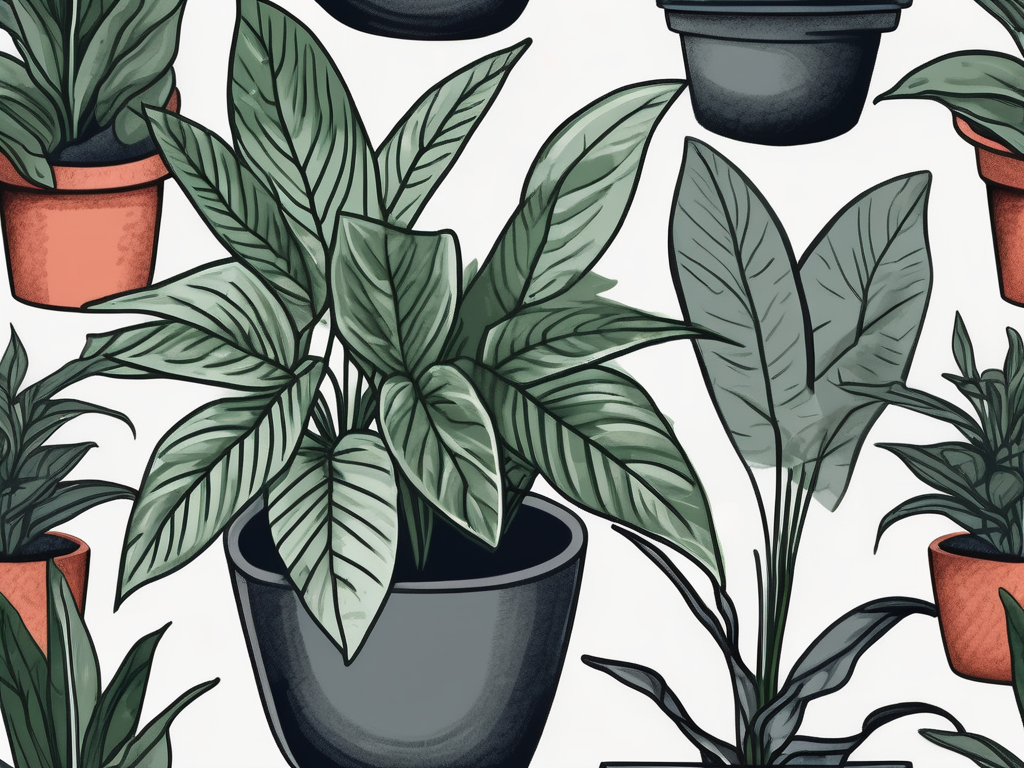
Humidity might not be the first thing that comes to mind when you think about plant care, but for a Blue Star Fern, it's as important as sunshine is to your morning coffee. The Blue Star Fern, with its unique bluish-green leaves, thrives when it has the right level of moisture in the air.
In this article, we'll chat about why humidity is a game-changer for your Blue Star Fern, how to achieve the right balance, and some handy tips to keep your plant happy and healthy. Whether you're a seasoned plant parent or just starting your indoor jungle, these insights will help you grow a flourishing fern.
Meet the Blue Star Fern
Before plunging into the humidity talk, let's get to know this charming plant a little better. The Blue Star Fern, scientifically known as Phlebodium aureum, is native to the tropical and subtropical regions of the Americas. It’s adored for its distinctively colored leaves that bring a splash of unusual beauty to any indoor space.
Unlike many other ferns, the Blue Star Fern is relatively low maintenance, making it a popular choice among plant lovers who prefer less fuss. However, one of its quirks is its love for humidity, which mimics its natural rainforest habitat. So, understanding and managing this need can make a big difference in your plant’s health and appearance.
Why Humidity Matters
So, why is humidity such a big deal for the Blue Star Fern? Well, in its natural habitat, this plant is used to a moist, humid environment. This high humidity helps the plant maintain its moisture levels and prevents its leaves from drying out.
Without adequate humidity, you might notice the leaves becoming dry or crispy at the edges, a clear sign that your fern is thirsty for some moisture. Maintaining the right humidity level ensures that your plant can perform essential processes, like transpiration, effectively. Think of it as giving your plant the perfect spa day every day—keeping it relaxed and stress-free.
Recognizing Humidity Needs
How do you know if your Blue Star Fern is getting enough humidity? The signs can be quite telling if you know what to look for. Here are some pointers:
- Leaf Tips Turning Brown: A classic sign that the air is too dry.
- Leaf Drop: The plant might shed leaves in response to stress from improper humidity.
- Stunted Growth: Without enough moisture, your fern may not grow as vigorously.
- Crispy Leaf Edges: This often happens when the humidity is too low.
If you’re noticing any of these signs, it might be time to assess the air moisture levels around your plant.
How to Measure Humidity
Measuring humidity might sound like a job for scientists, but it's actually quite simple. One of the easiest ways is to use a hygrometer, a small device that measures the humidity levels in the air. You can find digital hygrometers that display the percentage of humidity, which makes it convenient to monitor the environment around your Blue Star Fern.
Aim for a humidity level of about 40% to 60% for optimal growth. If you’re in a particularly dry climate, or during the winter months when indoor heating tends to dry out the air, you might need to take some extra steps to boost humidity.
Boosting Humidity Levels
If you find that your home doesn't naturally provide the humid environment your Blue Star Fern craves, don't worry! There are several easy and practical ways to increase humidity:
- Grouping Plants Together: Plants naturally release moisture into the air, so clustering them can create a more humid microenvironment.
- Use a Humidifier: This is a straightforward and effective way to increase humidity. A small room humidifier can make a significant difference.
- Mist Your Fern: Lightly misting your plant with water can temporarily boost humidity. However, be careful not to overdo it, as too much moisture on the leaves can lead to mold.
- Place a Tray of Water Nearby: A shallow tray of water with pebbles can increase humidity as the water evaporates.
These methods can help create a more comfortable environment for your Blue Star Fern, allowing it to thrive.
Creating a Humidity-Friendly Spot
Another great way to ensure your Blue Star Fern is happy is by choosing the right spot in your home. Bathrooms and kitchens are often ideal locations due to their naturally higher humidity levels. However, ensure there's adequate indirect light, as these areas can sometimes be a bit dim for plant growth.
If you don't have a naturally humid space, consider creating a dedicated plant corner with a humidifier and a variety of humidity-loving plants. This not only benefits your fern but can also enhance the overall feel of your living space, making it a cozy, plant-friendly oasis.
Common Mistakes to Avoid
While caring for your Blue Star Fern, there are some common pitfalls to watch out for regarding humidity:
- Overwatering: It’s easy to confuse the need for humidity with the need for water. Overwatering can lead to root rot, which is a frequent issue with ferns.
- Direct Sunlight: Placing your fern in direct sunlight can cause the leaves to dry out quickly, exacerbating low humidity problems.
- Ignoring Seasonal Changes: Remember that humidity levels can change with the seasons, so what worked in summer might not be adequate in winter.
Being aware of these mistakes can help you adjust your plant care routine as needed, ensuring your fern stays lush and healthy.
Other Care Tips for a Happy Fern
Besides humidity, there are other aspects of care that can help your Blue Star Fern flourish:
- Lighting: These ferns prefer indirect light. Too much direct sunlight can scorch their leaves.
- Soil: A well-draining potting mix is essential. You can use a mix designed for ferns or make your own by combining regular potting soil with peat and perlite.
- Temperature: They prefer temperatures between 60°F and 75°F. Avoid placing them near drafts or heating vents.
- Fertilizing: Feed your fern with a balanced liquid fertilizer during the growing season, but avoid over-fertilizing, which can lead to salt buildup in the soil.
These tips, combined with proper humidity management, will ensure your Blue Star Fern remains a thriving part of your indoor garden.
Bringing It All Together
Caring for a Blue Star Fern can be a rewarding experience, especially when you see it thriving in the environment you've created. By understanding and catering to its humidity needs, you’re setting the stage for its growth and beauty.
A happy Blue Star Fern can bring a unique touch to your home, with its striking blue-green leaves and ability to thrive in indoor conditions. Remember, each plant is unique, and it may take a little time and observation to find the perfect balance of care in your specific environment.
Final Thoughts
We've covered the ins and outs of why humidity is so important for your Blue Star Fern and how you can create a happier home for your plant. From understanding the signs of low humidity to practical tips for boosting moisture in the air, you're now equipped to keep your fern thriving.
At Cafe Planta, we love sharing our passion for plants. Whether you're looking for unique houseplants or need some advice, we're here to help. Feel free to email us or connect on Instagram. We believe plants bring people together, and we can't wait to help you grow your indoor garden into something special.