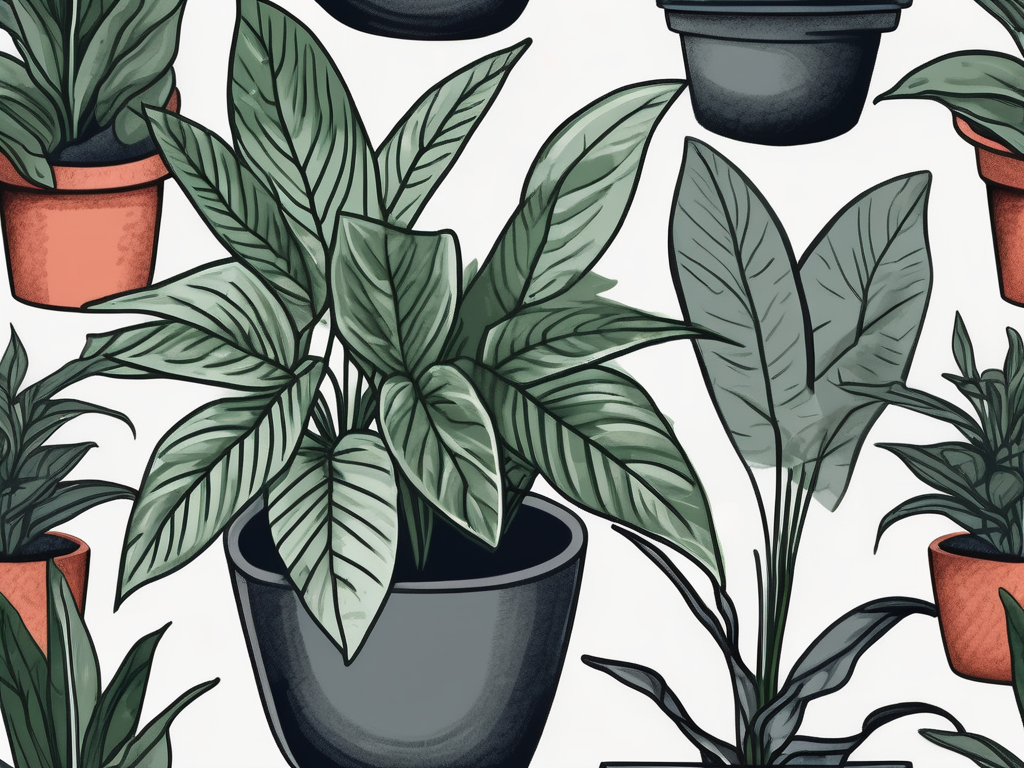
If you're a plant person, you've probably encountered the unique charm of the crocodile fern. With its fascinatingly textured leaves reminiscent of reptile skin, this fern adds a touch of nature's whimsy to any home. But to truly thrive, this beauty needs something often overlooked: the right amount of humidity.
This article will dive into why humidity matters so much for crocodile ferns, how to create the perfect environment for them, and some handy tips and tricks to keep them in tip-top shape. Let's get started!
The Humidity Needs of Crocodile Ferns
Crocodile ferns, like many of their fern relatives, are native to regions where humidity is naturally high. They thrive in environments with 60% humidity or more, mimicking the misty, damp conditions of their natural habitat. But why is humidity so important?
Humidity helps maintain the delicate balance of moisture within the plant's leaves. In low humidity, the leaves can dry out, leading to browning edges and a generally unhealthy appearance. On the other hand, the right level of humidity keeps the leaves hydrated and vibrant, allowing the plant to photosynthesize effectively and grow.
Think of it like this: Imagine you're in a desert with no water. That's how your fern feels without enough humidity. It's not just about keeping the soil moist; the air around the plant needs to be adequately humid too. This ensures the plant can absorb moisture through both its roots and leaves, promoting overall health.
Signs Your Crocodile Fern Needs More Humidity
How do you know if your crocodile fern is craving more humidity? Fortunately, the plant usually gives you some clear signals:
- Brown leaf tips: When the edges of the leaves start to turn brown and crispy, it's a telltale sign of low humidity.
- Drooping leaves: Without enough moisture, the leaves may droop or sag, appearing less lively.
- Slow growth: If your fern isn't growing as fast as it once did, low humidity might be the culprit.
- Leaf drop: In extreme cases, the plant may start shedding leaves.
If you notice any of these signs, your fern might be yearning for a more humid environment. But don't worry, there are plenty of ways to boost the humidity around your plant!
Creating a Humid Environment at Home
Boosting the humidity in your home doesn't require a complete makeover. Here are a few simple and effective methods:
- Use a humidity tray: Place a shallow tray filled with water and pebbles under your plant. As the water evaporates, it increases the humidity around your fern.
- Group your plants: Positioning plants close together naturally raises the humidity as they release moisture into the air.
- Misting: Regularly misting your fern can provide a quick humidity boost. Just be cautious not to overdo it, as excessive water on the leaves can lead to fungal issues.
- Invest in a humidifier: If you're serious about maintaining optimal humidity, a small room humidifier can be a game-changer.
These strategies can help create a cozy, humid environment that your crocodile fern will love. It's all about finding what works best in your space and routine.
Choosing the Right Location for Your Fern
Location is everything when it comes to maintaining the right humidity. Ideally, place your crocodile fern in a spot that naturally holds more moisture. Bathrooms and kitchens often have higher humidity levels due to running water and steam, making them great places for ferns.
If these areas aren't an option, consider placing your fern near a window with indirect sunlight. Direct sunlight can dry out the plant, but a spot with bright, indirect light helps maintain the right balance.
Avoid placing your fern near heating vents or air conditioners, as these can quickly zap the moisture from the air. Your plant will thank you for a more humid, stable environment.
The Role of Temperature in Humidity Management
Temperature and humidity are closely linked. Warmer air holds more moisture, which can affect how you manage humidity for your fern. Ideally, keep your crocodile fern in a room with temperatures between 65°F and 75°F (18°C to 24°C).
During colder months, indoor heating can lower humidity levels, so you might need to adjust your humidity-boosting efforts. Conversely, in the summer, you might need less intervention as natural humidity rises.
Monitoring both temperature and humidity ensures that your crocodile fern remains in a comfortable environment year-round.
Common Humidity-Related Issues and Solutions
Even with the best intentions, humidity-related issues can arise. Here are a few common problems and how to tackle them:
- Fungal growth: If your fern's leaves become too wet, you might notice fuzzy white growths. Reduce misting frequency and ensure adequate air circulation around the plant.
- Pest infestations: Low humidity can attract pests like spider mites. Increase humidity and inspect your plant regularly for early signs of infestation.
- Leaf discoloration: Yellowing leaves can indicate both overwatering and low humidity. Check soil moisture levels and adjust your watering routine as needed.
By staying mindful of these potential issues, you can keep your crocodile fern healthy and thriving.
Monitoring Humidity Levels
To keep an eye on humidity, consider using a hygrometer. This handy tool measures the humidity in your home, helping you ensure that your fern's environment stays within the optimal range.
Hygrometers are widely available and can be found in most home improvement stores. Digital models often display both temperature and humidity, providing a comprehensive snapshot of your plant's environment.
Regularly checking these levels allows you to adjust your care routine as needed. It's a small investment that can make a big difference in your plant's health.
Humidity and Interior Design
Incorporating crocodile ferns into your home décor goes beyond aesthetics. These plants can actually enhance your home's humidity, benefiting both your ferns and other humidity-loving plants.
Consider placing your ferns in decorative groups with other moisture-loving plants like peace lilies or calatheas. This not only boosts humidity but also creates a lush, green focal point in your living space.
Additionally, using stylish plant stands or hanging baskets can elevate your ferns, making them a standout feature while ensuring they receive adequate air circulation.
Final Thoughts
Caring for your crocodile fern involves understanding its unique needs, particularly when it comes to humidity. By creating a humid environment, you ensure your plant thrives and brings lush greenery into your home.
At Cafe Planta, we're passionate about helping you care for your plants. If you have questions or need advice, feel free to email us or reach out on Instagram. We believe plants connect us to nature and to one another, and we're here to support your plant journey every step of the way.