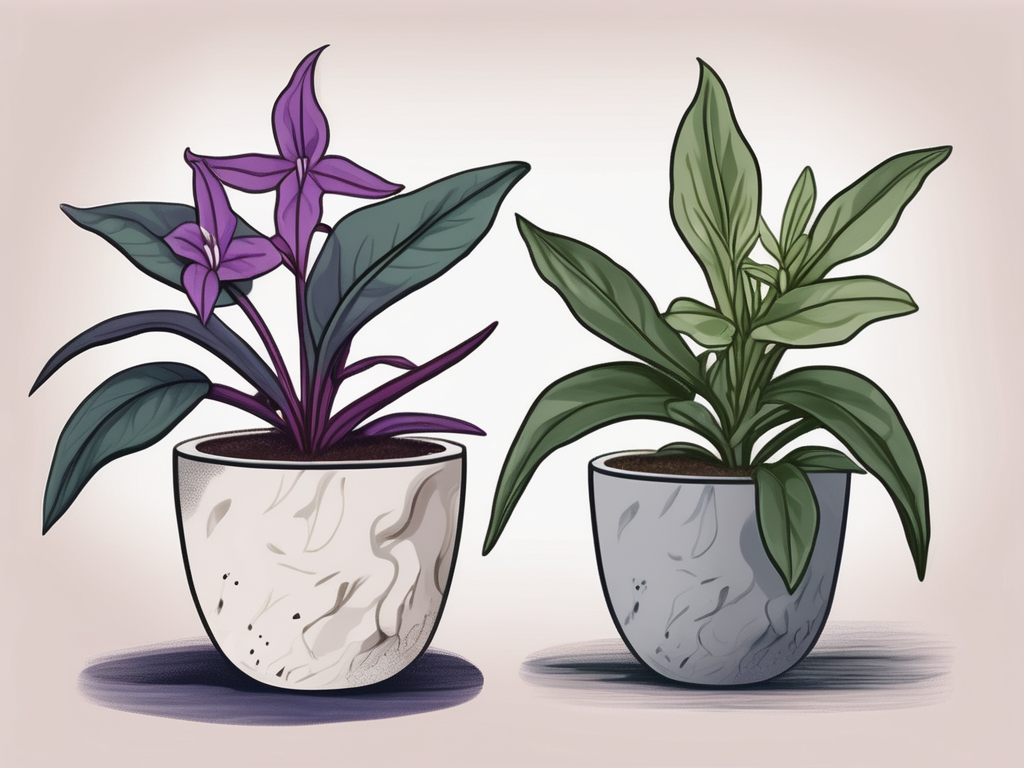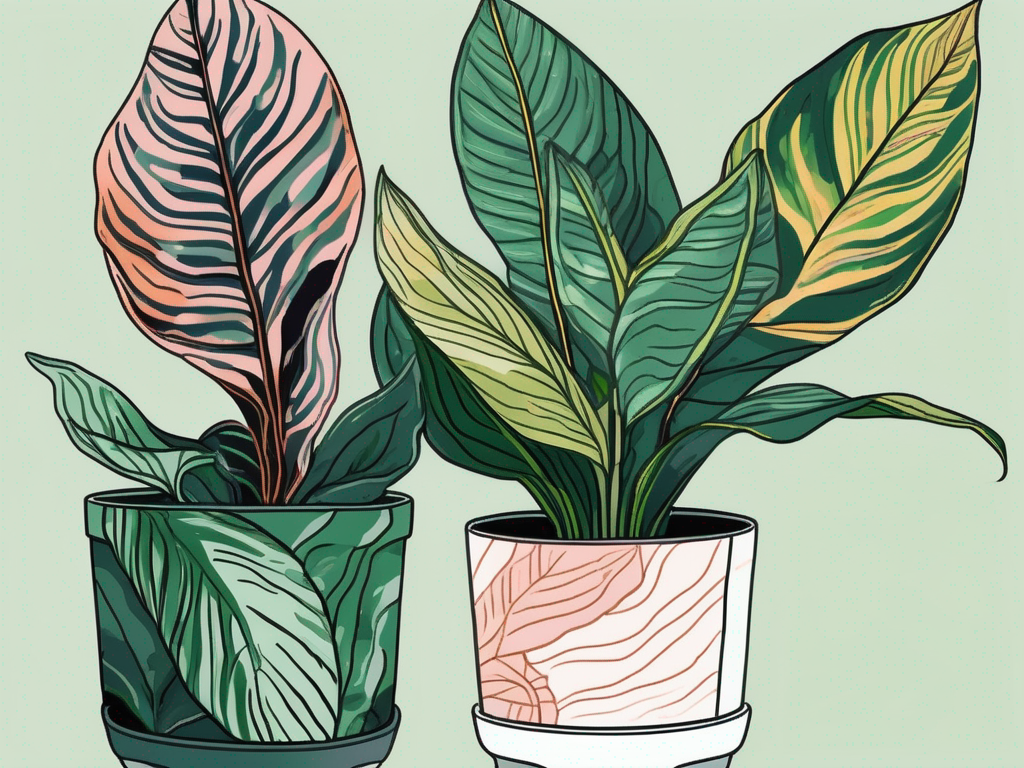
Polka Dot Begonias, with their striking silver spots and dramatic foliage, have become a favorite among plant lovers looking to add a bit of flair to their indoor gardens. But while these beauties can steal the show with their looks, they also have some specific needs, especially when it comes to humidity.
In this article, we’re going to chat about why humidity is such a big deal for your Polka Dot Begonias and how you can keep yours thriving. We’ll cover everything from the plant’s natural habitat to practical tips for maintaining the right environment inside your home. Let’s get started!
Why Humidity Matters for Polka Dot Begonias
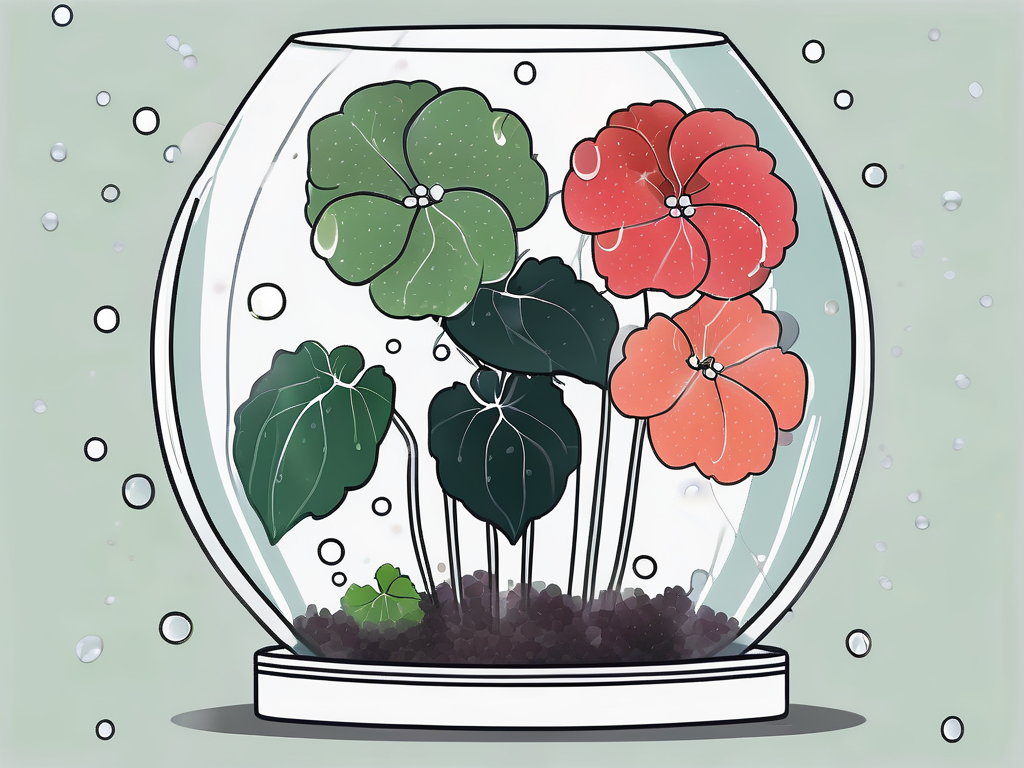
So, why all the fuss about humidity? Well, Polka Dot Begonias hail from the tropical regions of South America, where humidity levels are naturally high. This means they’re well-adapted to environments that are moist and warm. If the air in your home is too dry, your plant might struggle to retain moisture, affecting its overall health and appearance.
Low humidity can lead to a host of problems, such as browning leaf edges, wilting, and stunted growth. In short, your Polka Dot Begonia will have a hard time thriving if it’s not getting the moisture it craves. Think of it like a person trying to stay hydrated in a desert; it’s possible, but it requires extra effort.
To put it simply, maintaining the right humidity levels is a key part of mimicking the plant’s natural habitat, which helps it stay healthy and happy. But what exactly are those ideal conditions? Let’s dig a little deeper into that.
Understanding Ideal Humidity Levels
Polka Dot Begonias typically prefer humidity levels between 50% and 60%. This is a bit higher than the average home, which usually hovers around 30% to 50% depending on your climate and whether you’re using heating or air conditioning.
To get a sense of the humidity levels in your home, you can use a hygrometer, a handy little device that measures the amount of moisture in the air. These are readily available online or at your local gardening store, and they can give you a real-time reading of your home’s humidity.
If your home’s humidity is on the lower end, don’t worry—you’ve got options. Raising the humidity can be as simple as using a humidifier, grouping plants together, or even placing a tray of water near your plant. We’ll go over these strategies in more detail later, but for now, it’s important to know that achieving the right humidity level is entirely doable.
Signs Your Polka Dot Begonia Needs More Humidity
Even with the best intentions, it can sometimes be tricky to figure out if your plant is happy with its current environment. Fortunately, Polka Dot Begonias often show clear signs when they need a bit more moisture in the air.
Here are some common indicators that your plant might be craving higher humidity:
- Browning Leaf Edges: One of the first signs is browning or crispy edges on the leaves. This happens because the plant is losing moisture faster than it can absorb it.
- Drooping or Wilting: If the leaves look droopy or the plant seems to be wilting, it might be struggling to keep its moisture levels up.
- Stunted Growth: Without enough humidity, your plant might not grow as vigorously as it should. This can lead to smaller leaves and less overall foliage.
If you notice any of these symptoms, it’s time to take action to boost the humidity around your Begonia. Don’t worry, though—there are plenty of simple ways to do just that.
Using a Humidifier
One of the most effective ways to raise humidity levels for your Polka Dot Begonia is to use a humidifier. These devices add moisture to the air, making them a great option for homes with dry air, especially during the winter months when heating systems can sap the humidity out of a room.
When choosing a humidifier, you’ll want to consider a few things:
- Size: Make sure the humidifier is suitable for the size of your room. A small, portable humidifier might work for a single plant or a small area, but larger rooms will need a bigger unit.
- Type: There are several types of humidifiers, including ultrasonic, evaporative, and steam vaporizers. Ultrasonic models are often a favorite among plant parents because they’re quiet and energy-efficient.
- Maintenance: Regular cleaning is necessary to prevent mold and bacteria buildup, so look for a model that’s easy to clean.
Position the humidifier near your Polka Dot Begonia, but not so close that the leaves are constantly wet, as this can lead to other issues like mold or mildew. With the right setup, your plant will soak up the extra moisture and thank you with healthy, vibrant foliage.
Creating a Humidity Tray
If a humidifier isn’t in the cards, don’t fret. A humidity tray is an easy and cost-effective alternative that can help keep your Polka Dot Begonia happy. All you need is a shallow tray, some pebbles, and water.
Here’s how to set it up:
- Fill the Tray: Start by filling the tray with a layer of pebbles or small stones. The idea is to create a surface that keeps the plant pot above the water.
- Add Water: Pour water into the tray until it’s just below the top of the pebbles. You don’t want the pot sitting directly in the water, as this can lead to root rot.
- Place the Plant: Set your Polka Dot Begonia on top of the pebbles. As the water evaporates, it will increase the humidity around the plant.
This method is particularly useful for small spaces or if you have a few plants grouped together. Plus, it’s a great way to recycle an old baking dish or any shallow container you have lying around.
Grouping Plants Together
There's strength in numbers, and that holds true in the plant world, too! Grouping your Polka Dot Begonia with other plants can naturally boost the humidity. As plants release moisture through a process called transpiration, they create a microenvironment with higher humidity levels.
Here are a few tips for effective plant grouping:
- Choose Companions Wisely: Select plants with similar humidity and light requirements to ensure everyone gets along well. Ferns, peace lilies, and other tropical plants are good choices.
- Create Layers: Arrange plants in different heights to maximize space and create an attractive display. Taller plants can provide some shade, mimicking the dappled light of a forest canopy.
- Monitor for Pests: More plants in one area can sometimes attract pests, so keep an eye out for any unwanted visitors and address them promptly.
By creating a little plant community, you can help each member thrive, and you’ll also get the added benefit of a lush, green corner in your home.
Misting Your Polka Dot Begonia
Misting is another way to boost humidity, and it gives you a chance to interact with your plant regularly. While misting alone might not provide all the humidity your Begonia needs, it can be a helpful supplement to other methods.
Here’s how to do it effectively:
- Use the Right Tools: Get a spray bottle that produces a fine mist. You don’t want large droplets, which can lead to water spots or encourage mold.
- Timing is Everything: Mist your plant in the morning so the leaves have time to dry during the day. This helps prevent issues like powdery mildew.
- Consistency Counts: Make misting part of your routine, but don’t overdo it. A light misting every few days should be sufficient.
Think of misting as a quick refresh for your Polka Dot Begonia. It’s a bit like splashing your face with water on a hot day—instantly refreshing but not a substitute for a long drink of water.
Maintaining Humidity in Different Seasons
Seasonal changes can affect indoor humidity levels, and it’s important to adjust your care routine accordingly. During the winter, indoor heating can reduce humidity, while summer might bring natural moisture from open windows or air conditioning.
Here’s how to adapt to each season:
- Winter: Use a humidifier more frequently, and consider adding additional humidity trays or grouping more plants together.
- Spring and Fall: These transitional seasons might require less intervention, but keep an eye on your hygrometer to ensure consistent levels.
- Summer: If humidity is naturally higher, you might not need the humidifier as much. Misting can still be beneficial, especially during heat waves.
By staying attuned to the changing seasons, you can adjust your care routine to ensure your Polka Dot Begonia stays healthy year-round.
Common Mistakes and How to Avoid Them
Even with the best intentions, it’s easy to make mistakes when it comes to managing humidity for your Polka Dot Begonia. Here are some common pitfalls and how to sidestep them:
- Ignoring Environmental Changes: Failing to adjust humidity levels as the seasons change can stress your plant. Regularly check your hygrometer and make adjustments as needed.
- Overwatering: It’s easy to confuse low humidity symptoms with a need for more water. Ensure you’re not waterlogging your plant, as this can lead to root rot.
- Inconsistent Care: Regularity is important. Whether you’re misting, running a humidifier, or using trays, consistency in your routine will yield the best results.
Remember, taking care of plants is a learning process. Don’t be too hard on yourself if things don’t go perfectly. With time and observation, you’ll find the best approach for your specific environment.
Final Thoughts
Humidifying your space for a Polka Dot Begonia might require some extra attention, but the rewards are worth it. With the right humidity, your plant will display vibrant foliage and steady growth, becoming a stunning addition to your home.
At Cafe Planta, we’re passionate about helping you care for your plants and find the perfect green companion for your home. Whether you’re looking for advice or a new plant buddy, we’re here to help. Reach out via email or check out our Instagram for more plant care tips and inspiration. Let’s grow together!