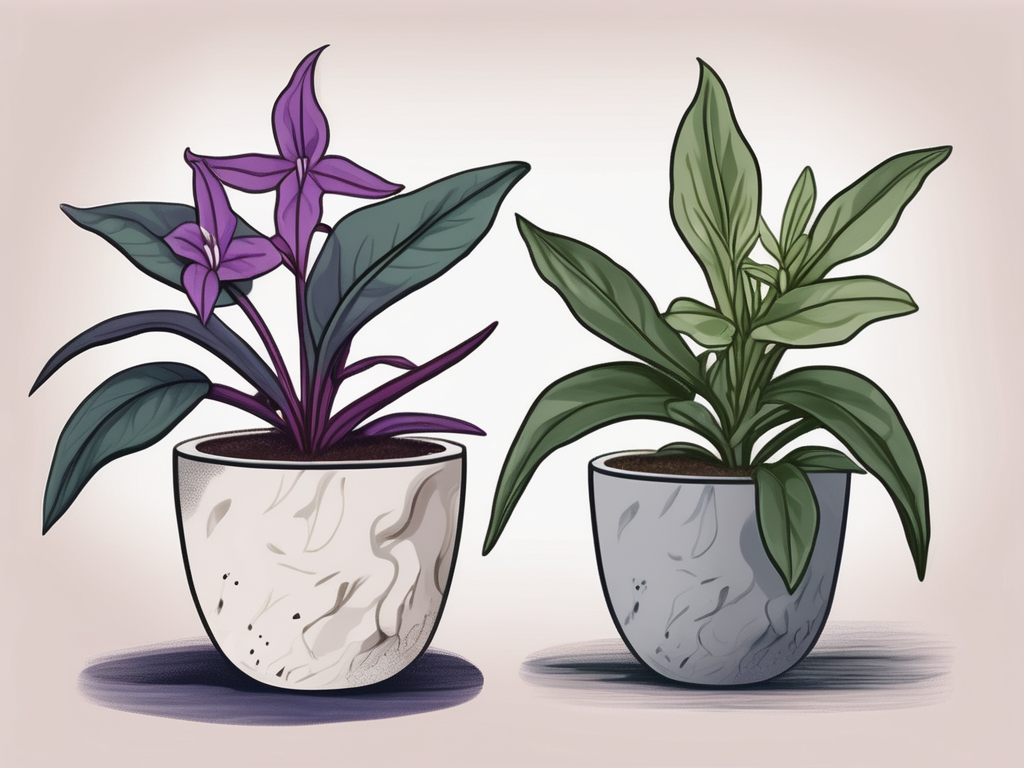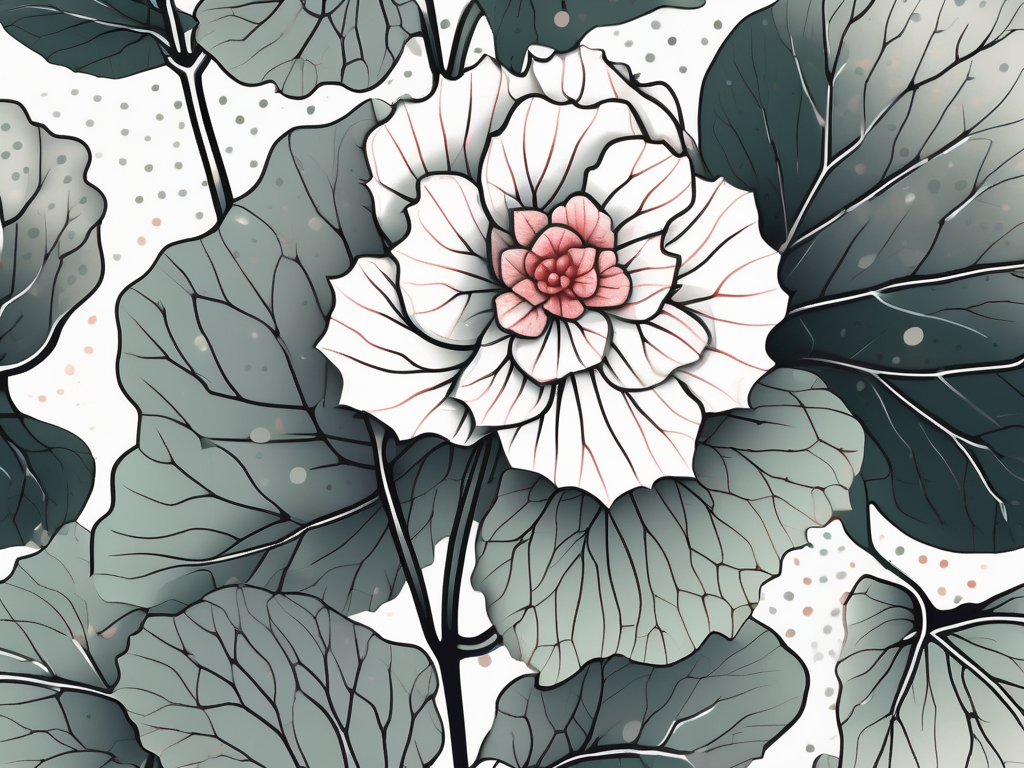
Polka dot begonias are like the stars of the indoor plant world. With their striking spotted leaves and graceful structure, it’s hard not to fall in love with them. But there’s more to these beauties than just their dashing good looks. Underneath all that glamour lies something equally important: their roots.
In this article, we're going to chat about why the roots of your polka dot begonia are so crucial and how you can give them the best care possible. We'll explore topics like soil, watering, and even a bit about potting. Well, let's get started.
Why Roots Matter
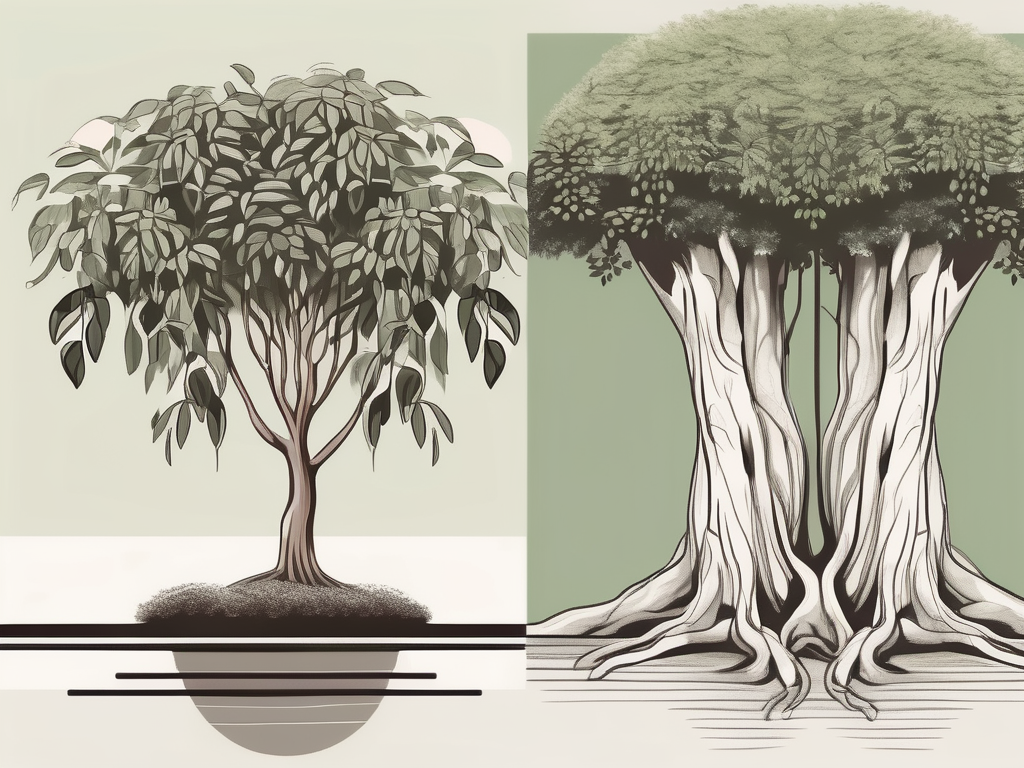
Roots are the unsung heroes of any plant, and the polka dot begonia is no exception. They’re not just there for show—they have some pretty important jobs. Firstly, roots anchor the plant, keeping it stable and upright. Imagine trying to balance a stick on end without any support. That’s what it would be like for a plant without its roots!
Roots are also in charge of absorbing water and nutrients from the soil. Think of them as the plant’s personal grocery shoppers, constantly gathering what the plant needs to thrive. Without healthy roots, your begonia might look a bit peaky, no matter how much you pamper it otherwise.
Lastly, roots help store energy. This is crucial for times when the plant might not be getting everything it needs from the environment, like during a dry spell. So, taking care of your begonia’s roots means taking care of the whole plant.
Choosing the Right Soil
The soil you choose for your polka dot begonia plays a big role in root health. These plants prefer a well-draining soil mix. If the soil holds too much water, the roots can become waterlogged and start to rot. And nobody wants that!
Here’s a simple recipe for a begonia-friendly soil mix:
- 1 part potting soil
- 1 part perlite
- 1 part peat moss
This mix ensures that water drains well while still retaining enough moisture for the roots to absorb. Want to get creative? You can add a bit of orchid bark to the mix for extra aeration.
When planting, make sure the roots have enough room to spread out. Compact or overly dense soil can suffocate them. Imagine trying to breathe through a pillow—it's not fun.
Watering Wisdom
Watering your polka dot begonia correctly is a bit of an art form. Too much water, and you risk root rot. Too little, and the roots can dry out. So, what's a plant parent to do?
The trick is to water thoroughly but infrequently. Wait until the top inch of soil feels dry to the touch before watering again. This gives the roots a chance to breathe and helps prevent that dreaded sogginess.
Here’s a handy tip: use a pot with drainage holes. This way, any excess water can escape, keeping the roots nice and happy. And when you water, make sure it’s evenly distributed. You don’t want one side of the pot to be a desert while the other is a swamp.
Potting: Size Matters
When it comes to potting your polka dot begonia, size really does matter. A pot that’s too small can cramp the roots, while one that's too large can hold too much moisture.
As a rule of thumb, choose a pot that’s just a couple of inches larger than the root ball of your begonia. This gives the roots enough room to grow without drowning them in excess soil. And remember, that pot should have drainage holes—seriously, they’re a lifesaver.
Repotting is a good opportunity to check on the roots. Look out for any signs of rot or damage, and trim them away with clean scissors. Healthy roots are usually white or light tan, while rotting roots will look brown and mushy. Give those unhealthy roots the chop, and your begonia will thank you.
Dealing with Root Rot
No one likes dealing with plant problems, but root rot is one issue you definitely want to catch early. It's usually caused by overwatering or poor drainage, and it can be a real menace to your begonia's health.
If you notice your begonia looking a bit droopy or the leaves turning yellow, it might be time to check the roots. Gently remove the plant from its pot and inspect the roots. Brown, mushy roots are a sure sign of rot.
To tackle root rot, remove the affected roots with sterilized scissors, and repot the plant in fresh, well-draining soil. Cut back on watering until the plant shows signs of recovery. It’s kind of like putting your begonia on a health kick—it’ll bounce back stronger than ever.
Encouraging Healthy Growth
Once your polka dot begonia's roots are in good shape, you'll want to keep them that way. Here are some tips to encourage healthy root growth:
- Fertilize Wisely: Use a balanced, water-soluble fertilizer during the growing season (spring and summer). This gives the roots the nutrients they need without overwhelming them.
- Avoid Overcrowding: Make sure your begonia has enough space to breathe. Crowding can lead to poor air circulation, which isn’t great for root health.
- Regular Checks: Every few months, check the roots when watering. This helps you catch any issues early on.
Think of these practices as part of your begonia's wellness plan. A little care and attention go a long way.
The Role of Light
While roots are underground and don’t directly interact with sunlight, the light conditions can indirectly affect them. Polka dot begonias thrive in bright, indirect light. Too much direct sun can stress the plant, leading to poor root health.
On the other hand, too little light can result in slower growth and less energy for the roots to store. It's all about finding that balance. Consider placing your begonia near a north or east-facing window, where it can soak up plenty of light without getting scorched.
If you're struggling to find the right spot, you might try using a sheer curtain to filter the light or even a grow light if natural options are limited. Just remember, happy leaves usually mean happy roots.
Signs of Healthy Roots
So, how do you know if your polka dot begonia's roots are doing well? Here are a few signs of a healthy root system:
- Color: White or light tan roots are usually a good sign.
- Texture: Healthy roots should be firm, not mushy.
- Growth: New root growth is always a positive indication.
You might not see these signs every day, but during repotting or if you have a transparent pot, these are the things to look for. It’s like checking in on a friend—sometimes you need to see how they’re really doing underneath the surface.
Common Mistakes to Avoid
Even the best plant parents make mistakes sometimes. Here are some common pitfalls to watch out for when caring for your begonia’s roots:
- Overwatering: This is probably the number one mistake. Remember, less is often more when it comes to watering.
- Ignoring Drainage: Those drainage holes aren't just for decoration. They’re crucial for preventing waterlogged roots.
- Skipping Soil Checks: Sometimes the soil can become compacted or lose its nutrients. Regularly refreshing the soil can prevent these issues.
By keeping these in mind, you’ll be well on your way to maintaining a vibrant and healthy polka dot begonia.
Final Thoughts
Caring for your polka dot begonia's roots is all about balance. From choosing the right soil to ensuring proper watering and light, each step contributes to a happy, healthy plant. By keeping an eye on the roots, you ensure that your begonia not only survives but thrives.
At Cafe Planta, we’re always here to help you with your plant care journey. Whether you’re looking for new houseplants or need some advice, we’ve got your back. Feel free to email us or reach out on Instagram. We're excited to help you create a thriving plant collection in your home.