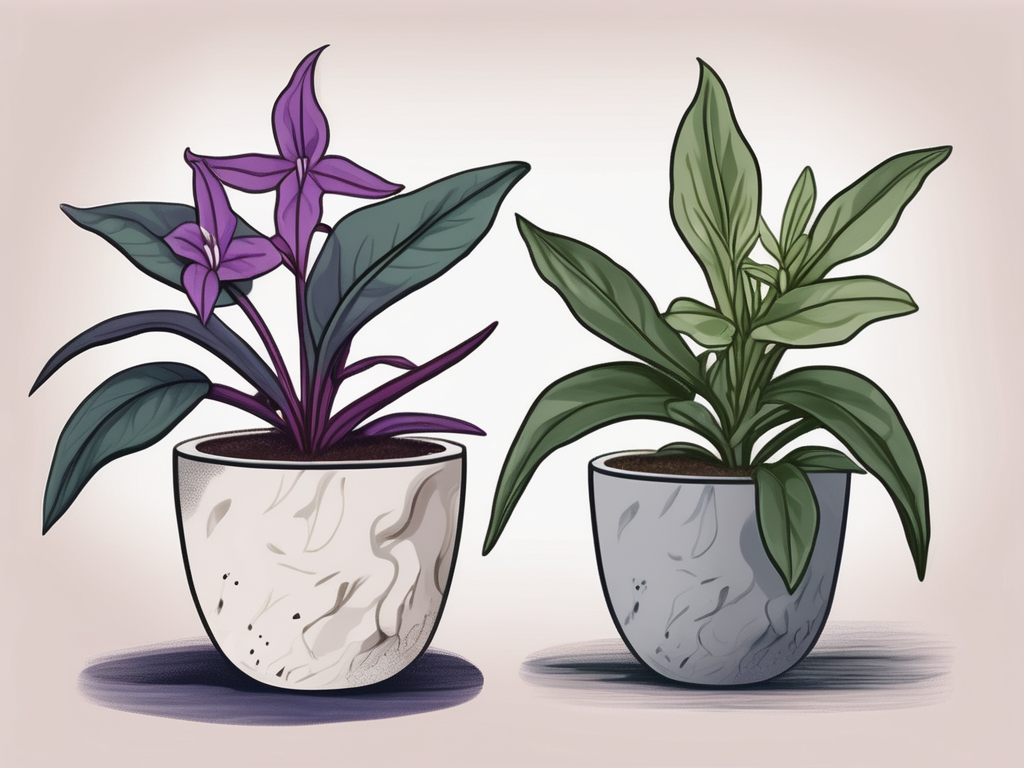
Tradescantia, a beloved choice for many plant lovers, is known for its vibrant foliage and hardiness. But have you ever paused to think about what lies beneath the surface? The roots of your Tradescantia play a crucial role in its overall health and happiness.
In this article, we're going to explore why the roots are so important, how they function, and what you can do to ensure your Tradescantia thrives. From choosing the right potting mix to understanding root health - we'll cover it all. So, let's get started on this journey beneath the soil!
The Role of Tradescantia Roots
At first glance, the roots might not seem as glamorous as the colorful leaves of a Tradescantia, but they're the unsung heroes keeping your plant alive and kicking. Roots are responsible for absorbing water and nutrients from the soil, anchoring the plant in place, and storing energy for future use. It's like having a personal assistant for your plant!
When you water your Tradescantia, the roots are the ones doing the heavy lifting, taking in moisture and nutrients and sending them up to the rest of the plant. This process ensures that every leaf remains vibrant and healthy. Without strong, well-functioning roots, even the most beautiful foliage will struggle to survive.
Additionally, healthy roots help stabilize the plant, preventing it from toppling over. This is especially important for Tradescantia, which can become quite top-heavy as it grows. So, while the leaves may steal the show, the roots are working tirelessly behind the scenes to keep the performance going.
Choosing the Right Potting Mix
One of the foundational aspects of root health is the potting mix you choose. Tradescantia roots prefer a well-draining soil that allows them to breathe. A mix that's too dense or retains too much water can lead to root rot, which is as unpleasant as it sounds.
Consider using a blend of standard potting soil mixed with perlite or coarse sand. This combination ensures that excess water drains away easily, preventing the roots from sitting in soggy soil. If you're feeling adventurous, you can even create your own mix using a ratio of:
- 2 parts potting soil
- 1 part perlite
- 1 part coarse sand
This mix strikes the right balance between moisture retention and drainage, keeping your Tradescantia's roots happy and healthy. Remember, the goal is to mimic the plant's natural environment as closely as possible.
Understanding Root Bound Plants
Have you ever noticed your plant's roots curling around the inside of the pot like they're trying to escape? That's a classic sign of a root-bound plant. While Tradescantia can tolerate being slightly root-bound, eventually, it will need more room to grow.
When a plant becomes root-bound, the roots have used up all the available space in the pot, restricting their ability to absorb nutrients and water efficiently. This can lead to stunted growth and poor health. If you suspect your Tradescantia is root-bound, here's what you can do:
- Check the Drainage Holes: If roots are poking out of the bottom, it's time to repot.
- Inspect the Soil: Gently tip the plant out of its pot. If you see a dense mass of roots, it's time for a bigger pot.
- Choose a New Pot: Select a pot that's one size larger, ensuring it has drainage holes.
- Repot Carefully: Loosen the root ball gently and place it in the new pot with fresh soil.
Repotting not only gives your Tradescantia room to grow but also provides fresh nutrients from new soil, invigorating the whole plant.
Keeping an Eye on Root Health
Monitoring the health of your Tradescantia's roots is essential for long-term success. Healthy roots are firm, white, and spread evenly throughout the soil. On the flip side, unhealthy roots may appear brown, mushy, or have a foul odor.
To keep your roots in top condition:
- Water Wisely: Allow the top inch of soil to dry out between waterings.
- Ensure Proper Drainage: Always use pots with drainage holes.
- Avoid Overcrowding: Give each plant enough space to grow without competition.
If you notice any signs of root rot, act quickly. Trim away the affected roots, repot in fresh soil, and adjust your watering routine to prevent future issues. Remember, prevention is key when it comes to root health.
Propagation and Roots
One of the joys of having a Tradescantia is its ease of propagation. And guess what? Roots play a starring role in this process! Whether you're a seasoned plant parent or just starting out, propagating your Tradescantia can be a rewarding experience.
Here's a quick guide to propagating Tradescantia through cuttings:
- Select a Healthy Stem: Choose a stem with several leaves.
- Make a Clean Cut: Use sharp, clean scissors to cut just below a node.
- Remove Lower Leaves: Strip off a few leaves at the bottom to expose the node.
- Place in Water: Submerge the node in water and place it in a bright, indirect light.
- Watch for Roots: In a couple of weeks, you should see roots starting to form.
- Plant in Soil: Once the roots are a couple of inches long, plant your new Tradescantia in soil.
This process not only expands your collection but also lets you share the love of plants with friends and family. And it's all thanks to those hardworking roots!
Dealing with Pests and Diseases
Just like any other part of your plant, Tradescantia roots can fall victim to pests and diseases. Common culprits include root rot and fungal infections, often caused by overwatering or poor soil drainage.
To keep pests and diseases at bay:
- Inspect Regularly: Check your plant and its soil for any signs of pests or disease.
- Keep It Clean: Remove any dead leaves or debris from the soil surface.
- Use Natural Remedies: Neem oil or insecticidal soap can help combat infestations.
And remember, healthy roots are your first line of defense. By maintaining good watering habits and ensuring proper drainage, you can significantly reduce the risk of infections taking hold.
Designing with Tradescantia
Tradescantia isn't just a pretty face; it's also a versatile plant for interior design. Thanks to its trailing nature and striking colors, it makes a fantastic addition to any room. But how do roots factor into your design choices?
When incorporating Tradescantia into your space, consider:
- Choosing the Right Pot: Aesthetic pots can elevate your plant display, but make sure they have proper drainage.
- Placement Matters: Tradescantia loves bright, indirect light. Keep it near windows while ensuring the roots don't overheat.
- Hang It Up: Use hanging baskets to showcase those beautiful trailing stems without crowding the roots.
By considering the needs of the roots, you can ensure your Tradescantia not only looks good but also thrives in its environment. After all, happy roots mean a happy plant!
Root Care Through the Seasons
Just like us, plants experience seasonal changes, and their root care needs can shift with the seasons. Understanding these needs can help you provide the best care year-round.
Spring and Summer: This is the growing season for most houseplants, Tradescantia included. During these months:
- Water more frequently, but continue to let the soil dry out between waterings.
- Consider fertilizing every 4-6 weeks to support growth.
Fall and Winter: Growth slows down, and the plant enters a more dormant phase. During this time:
- Reduce watering, allowing the soil to dry out more between sessions.
- Hold off on fertilizing, as the plant's nutrient needs decrease.
By adjusting your care routine with the seasons, you help maintain root health and support your Tradescantia through its natural life cycle.
Practical Tips for Root Health
Let's wrap up with some practical tips to keep your Tradescantia's roots in tip-top shape:
- Monitor Watering: Overwatering is the number one enemy of healthy roots. Use a reminder system if needed to avoid overzealous watering.
- Check Soil Quality: Every few months, assess the soil condition. Refresh it if it looks compacted or depleted.
- Repot When Needed: Don't be afraid to give your Tradescantia a new home when it outgrows its current pot.
- Stay Observant: Regularly check for any signs of distress above or below the soil line. Early detection is key.
With these tips in hand, you'll be well-equipped to nurture your Tradescantia and enjoy its delightful presence in your home for years to come.
Final Thoughts
Tradescantia roots might not be the star of the show, but they're certainly the backbone of your plant's health. From choosing the right soil to understanding seasonal needs, paying attention to root care can make all the difference in your plant's growth and longevity.
Here at Cafe Planta, we're passionate about helping you care for your plants. Whether you're looking for new greenery or need advice, we're here for you. Feel free to email us or reach out on Instagram. We believe that plants connect us to nature and each other, and we're excited to help you build a thriving plant collection in your home.