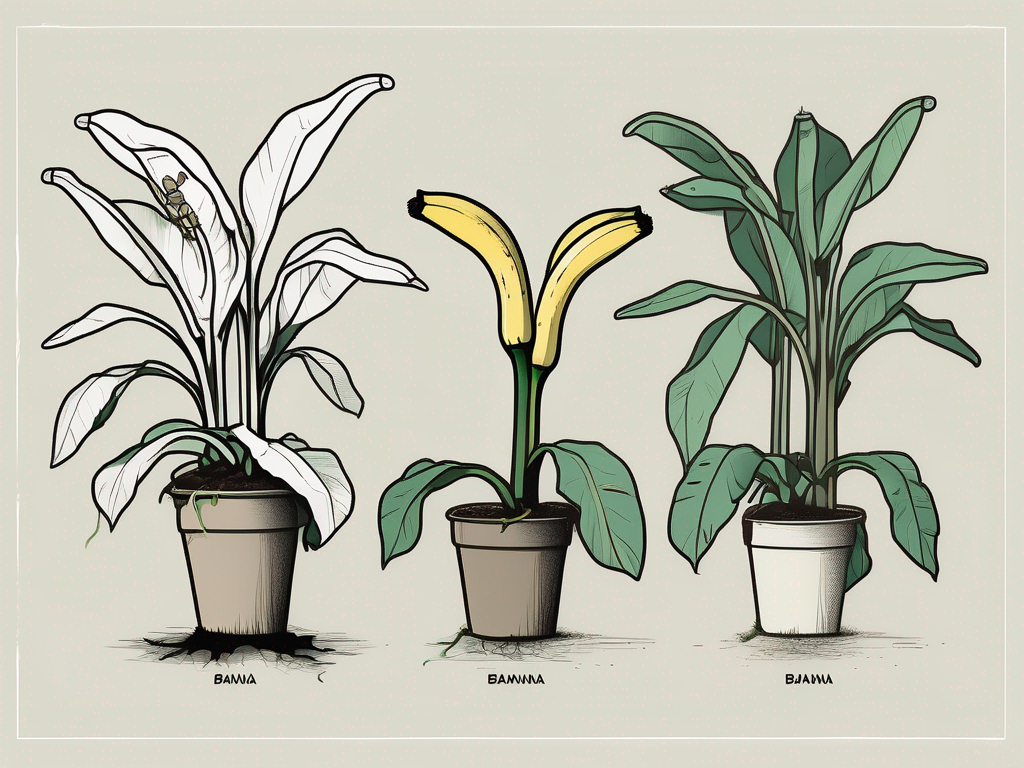
Banana plants are fascinating and versatile additions to any plant lover's collection, offering not only a touch of the tropics to your space but also the potential for homegrown fruit. With their large, lush leaves and impressive growth rate, banana plants make a statement in any room or garden. But how long do these majestic plants live, and what can you do to maximize their lifespan?
In this post, we’ll explore the lifespan of banana plants, including factors that influence their longevity, and offer practical tips on how to care for them. Whether you’re growing them indoors or outside, understanding their lifecycle can help you provide the best environment for your banana plant to thrive.
The Banana Plant Lifecycle: From Seed to Harvest
Banana plants aren’t trees, even though they might look like them. They’re actually giant herbs, and their lifecycle is quite unique. Let’s break down the stages of their life, starting from a tiny seed or a sucker.
- Germination: If you’re starting from seeds, patience is key. Banana seeds can take anywhere from three weeks to six months to germinate. Keep them warm and moist, and you’ll eventually see tiny sprouts emerging.
- Juvenile Stage: Once sprouted, banana plants grow rapidly. In the juvenile stage, the plant focuses on growing leaves and establishing a strong root system. This stage is crucial for the plant's future health.
- Mature Stage: This is when your banana plant starts to reach its full height, which can be anywhere from 5 to 30 feet, depending on the variety. The plant will continue to produce leaves and prepare for flowering.
- Flowering and Fruiting: After about nine months to a year, the banana plant will produce a large flower stalk. Shortly after flowering, bananas will start appearing. The fruit takes about two to six months to mature, again depending on the variety.
- Harvesting: Once the bananas are ready, you can harvest them. After fruiting, the main stem of the banana plant will die back, but don’t worry. The plant often produces new shoots, called suckers, which grow into new plants, continuing the cycle.
Factors Affecting Banana Plant Lifespan
While banana plants have a relatively short individual lifespan, the cycle of producing new plants can keep them going indefinitely. Several factors can influence how long your banana plant thrives and how healthy it remains.
Climate and Environment
Banana plants love warmth and humidity. They thrive in tropical and subtropical climates but can also be grown in greenhouses or indoors in cooler regions. If you're growing your banana plant outside, make sure it’s in a spot with plenty of sunlight and protection from strong winds, which can shred their delicate leaves.
Soil and Watering
These plants prefer well-draining, rich soil. A mix of potting soil with compost or organic matter can provide the nutrients they need. When it comes to watering, banana plants like to stay moist but not waterlogged. Regular watering is important, especially during the growing season, but be careful to avoid soggy soil, which can lead to root rot.
Pests and Diseases
Like any plant, banana plants can be susceptible to pests and diseases. Common pests include spider mites and aphids, while diseases like Panama disease and Sigatoka can affect their health. Regular checks and keeping the plant clean and dry can help prevent these issues.
Growing Banana Plants Indoors
Growing banana plants indoors can be a rewarding experience, but it does come with its challenges. Here are some tips to help your indoor banana plant thrive:
- Lighting: Indoor banana plants need bright, indirect sunlight. Place them near a south or east-facing window where they can soak up the rays.
- Humidity: These plants thrive in high humidity. Consider using a humidifier or placing a tray of water near the plant to keep the air moist.
- Potting: Choose a large pot with good drainage. Banana plants can outgrow their pots quickly, so be prepared to repot them as needed.
Caring for Outdoor Banana Plants
If you live in a suitable climate, growing banana plants outdoors can be relatively straightforward. Here’s how to care for them:
Site Selection
Choose a spot with full sun and shelter from the wind. Banana plants love warmth, so a south-facing garden is ideal.
Feeding and Mulching
Banana plants are heavy feeders. Use a balanced fertilizer or organic compost to keep them well-nourished. Mulching around the base can help retain moisture and suppress weeds.
Winter Care
If you live in an area with cold winters, you might need to protect your banana plants. Mulch heavily around the base or cover the plant with burlap to insulate it from the cold. Alternatively, you can dig up the plant and store it indoors during the cold months.
Choosing the Right Variety for Your Needs
Not all banana plants are created equal, and choosing the right variety can make a big difference in how well they fit into your home or garden. Here are a few popular varieties:
- Dwarf Cavendish: Perfect for indoor growers, this variety stays relatively small, making it ideal for pots.
- Red Banana: Known for its striking red leaves, this variety can add a pop of color to your garden.
- Blue Java: Also known as the Ice Cream Banana, this variety is famed for its creamy texture and vanilla-like flavor.
Consider your space and climate when selecting a banana plant variety, and remember that some varieties are better suited to indoor or outdoor growing.
Harvesting and Using Bananas
Once your banana plant has produced fruit, it’s time for the fun part—harvesting! Here are some tips for harvesting and using your homegrown bananas:
- Harvesting: Wait until the bananas are plump and full-sized, but still green. Cut the whole stalk and let them ripen off the plant.
- Ripening: Hang the stalk in a cool, dark place to ripen. Bananas will change color and soften over time.
- Using: Besides eating them fresh, bananas can be used in various recipes, from smoothies to banana bread. Get creative!
Common Challenges and Solutions
Growing banana plants can present a few challenges, but with a little knowledge, you can overcome them:
Yellowing Leaves
If your banana plant's leaves are turning yellow, it might be a sign of nutrient deficiency or overwatering. Check your watering schedule and consider adding a balanced fertilizer.
Slow Growth
Slow growth can be due to insufficient light or incorrect temperature. Ensure your plant is getting enough sunlight and is kept warm, especially if it’s growing indoors.
Pest Infestations
Pests can be managed with regular cleaning and the use of natural insecticides. Keep an eye out for any signs of infestation and act quickly to prevent damage.
Propagating Banana Plants
Propagating banana plants is a great way to expand your collection or share with friends. The easiest method is by using the suckers that grow around the base of the plant. Here’s how you can do it:
- Selecting a Sucker: Choose a healthy sucker with at least four leaves. It should be about three feet tall for best results.
- Removing the Sucker: Gently dig around the base to expose the roots. Use a sharp knife to cut the sucker away from the parent plant.
- Replanting: Plant the sucker in a pot or directly in the ground, ensuring it has adequate drainage and is in a sunny location.
With the right care, the sucker will grow into a new banana plant, ready to start the cycle all over again.
Final Thoughts
Banana plants are a rewarding addition to any plant lover's home or garden. Understanding their lifecycle and providing the right care can ensure they thrive and continue to produce fruit for years. From choosing the right variety to mastering the art of propagation, there’s always something new to learn about these fascinating plants.
At Cafe Planta, we’re passionate about helping you care for your plants. Whether you're looking for new additions to your collection or just need some advice, we’re here to help. Feel free to reach out via email or connect with us on Instagram. Let's grow together!