When you think about coffee, your mind might immediately drift to the rich aroma and comforting warmth of a freshly brewed cup. But have you ever considered the fascinating journey of the coffee plant that makes this beloved beverage possible? Coffee plants are not only the source of our daily caffeine fix, but they also hold a special place in homes and gardens around the world.
In this article, we'll take a closer look at the coffee plant's lifespan. We'll explore its different life stages, and I'll share tips on how to care for and nurture your own coffee plant at home. From understanding the plant's growth cycle to learning how to address common issues, you'll have everything you need to make your coffee plant thrive.
The Coffee Plant's Early Days
The journey of a coffee plant begins with a tiny seed. These seeds, often referred to as coffee beans, are planted in a nutrient-rich environment where they can safely germinate. The germination process can take anywhere from two to three months, during which the seeds slowly begin to sprout.
Once the seedling emerges, it enters its first official stage of growth. This is a delicate time for the plant, as it is still vulnerable to environmental conditions. Here are a few tips to help ensure your coffee seedling gets off to a great start:
- Lighting: Provide bright, indirect light. Too much direct sunlight can scorch young leaves.
- Watering: Keep the soil consistently moist, but avoid waterlogging. Overwatering can lead to root rot.
- Temperature: Maintain a warm environment, ideally between 70°F and 80°F.
During these early days, patience is key. Coffee plants are slow growers, so it’s important to give them the time and care they need to establish a strong root system.
Juvenile Growth: The Teen Years
After about six months, your coffee plant enters its juvenile stage. This period is marked by more rapid growth and the development of the plant's first true leaves. The leaves will start to take on that characteristic glossy, dark green appearance that coffee plants are known for.
At this stage, your plant will benefit from a bit more attention. Here’s how to keep it happy and healthy:
- Fertilizing: Introduce a balanced, water-soluble fertilizer every few weeks to support growth.
- Pruning: Begin pruning to encourage bushier growth and remove any unhealthy leaves.
- Potting: Consider repotting if the plant outgrows its container.
It’s also a good time to start shaping your plant. Pruning helps create a more compact, attractive form and prevents the plant from becoming too leggy.
Maturing into Adulthood
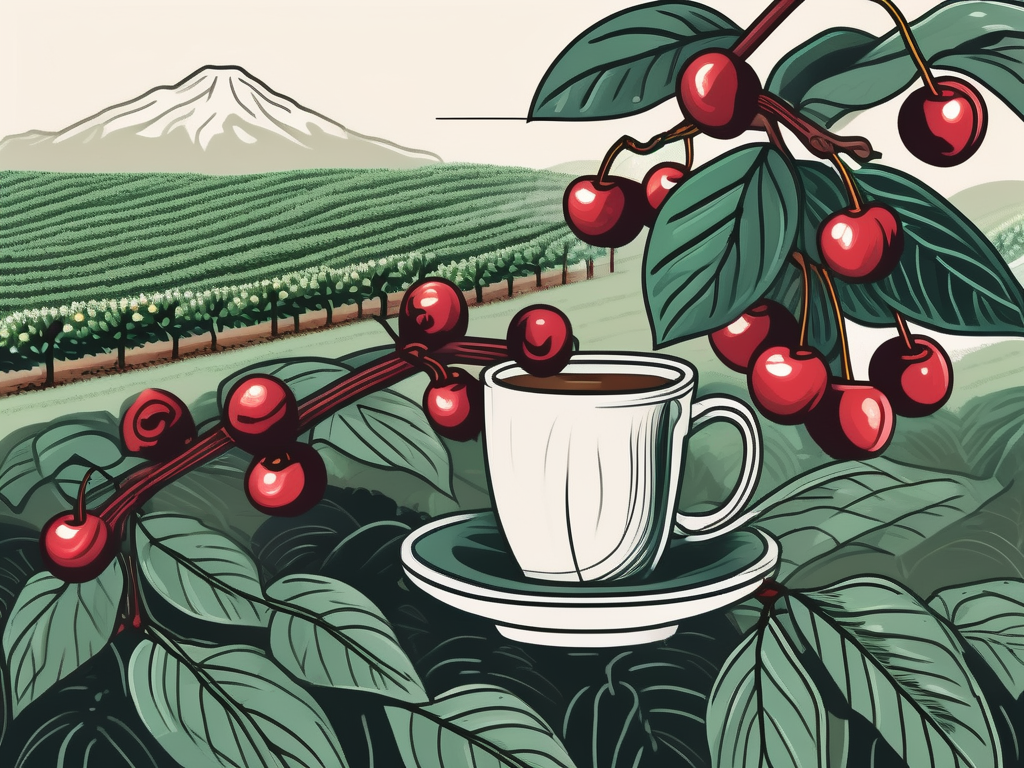
As your coffee plant continues to grow, it will eventually reach maturity, typically around three to five years of age. This is when many coffee lovers get excited because the plant may start to produce its first flowers and, eventually, coffee cherries.
The flowering stage is a sign that your plant is healthy and well-cared for. The small, white, fragrant flowers will develop into cherries, each containing two coffee beans. Here are some tips for managing your plant during this stage:
- Pollination: If you're growing your coffee plant indoors, you may need to assist with pollination by gently shaking the plant or using a soft brush to transfer pollen.
- Patience with Fruit: Coffee cherries take several months to ripen. Allow them to mature fully before harvesting.
- Continued Care: Maintain consistent watering, feeding, and pruning routines.
This is an exciting time in your coffee plant's life cycle, as it begins to fulfill its role as a producer of those beloved beans.
Understanding the Coffee Tree’s Prime
Once your coffee plant reaches the peak of its life cycle, it becomes a full-fledged tree, capable of producing a considerable amount of coffee cherries each year. Typically, this prime stage can last for several decades if the plant is well-maintained. A plant in its prime requires a bit more attention to ensure it stays productive and healthy.
Consider these strategies to support your plant during its most productive years:
- Nutrient Needs: Continue with regular feeding as fruit production demands additional nutrients from the soil.
- Water Management: As the plant bears more fruit, it will need more water. Be careful to avoid both drought and overwatering.
- Pruning: Regular pruning remains crucial. Remove dead or crowded branches to allow light and air to reach all parts of the plant.
It's impressive to think that, with proper care, a coffee plant can continue producing coffee cherries for decades, contributing to many delightful cups of coffee.
Dealing with Pests and Diseases
Like all plants, coffee plants are susceptible to pests and diseases. The most common issues include aphids, spider mites, and fungal infections. Fortunately, with a little vigilance and care, you can keep these problems at bay.
Here are some natural and effective ways to protect your coffee plant:
- Aphids and Spider Mites: Use a mixture of water and mild soap to spray affected areas, or introduce beneficial insects like ladybugs.
- Fungal Infections: Ensure proper air circulation and avoid overwatering. Use fungicidal sprays if necessary.
- Regular Inspections: Make it a habit to check your plant for signs of pests or disease regularly.
By staying proactive and attentive, you can help your coffee plant stay resilient against these common challenges.
Repotting and Soil Care
As your coffee plant grows, you might find that it eventually outgrows its pot. Repotting is a necessary part of plant care and provides an opportunity to refresh the soil and check the health of the roots.
Here’s how to handle repotting with confidence:
- Choosing the Right Pot: Select a pot that is one size larger than the current one and has good drainage.
- Soil Mix: Use a well-draining potting mix, ideally one formulated for acid-loving plants.
- Timing: Repot during the growing season, typically spring or early summer, to minimize stress on the plant.
Remember, after repotting, give your plant some time to adjust to its new environment before resuming its regular care routine.
The Senior Years: Aging Gracefully
As with all living things, coffee plants eventually enter their senior years. While they may not be as productive as they once were, older coffee plants still have plenty to offer in terms of beauty and character. During this stage, the focus shifts to maintaining the plant’s health and appearance.
Consider these tips for caring for an aging coffee plant:
- Prudent Pruning: Remove dead or weak branches to preserve energy for the healthier parts of the plant.
- Soil Quality: Ensure the soil remains rich in nutrients to support the plant’s overall health.
- Hydration: Keep watering consistent, but be mindful of the plant’s reduced needs.
Even in its twilight years, a coffee plant can continue to bring joy and aesthetic value to your home or garden.
The End of the Cycle
Eventually, every coffee plant reaches the end of its life cycle. This is a natural part of its journey, and it offers an opportunity to reflect on the many years of beauty and coffee it provided. While it may be tough to say goodbye, it’s also a chance to start anew with a fresh seedling, continuing the cycle once more.
When you decide it's time for a new plant:
- Consider propagating from cuttings to carry on the lineage.
- Use the experience you’ve gained to nurture the next generation.
- Remember the joys of each stage, from seedling to maturity.
The lifecycle of a coffee plant is a rich, rewarding experience that underscores the wonder of nature and the simple pleasure of growing your own coffee.
Final Thoughts
Caring for a coffee plant is a delightful journey that spans from nurturing a tiny seed to watching it bear fruit. Each stage offers its own challenges and rewards, and with the right care and attention, your plant can thrive for many years.
At Cafe Planta, we’re passionate about sharing our love for plants. Whether you’re looking to expand your collection or need advice on plant care, we’re here to help. Feel free to email us or reach out via Instagram. Let's continue to connect with nature and each other through the joy of plants.