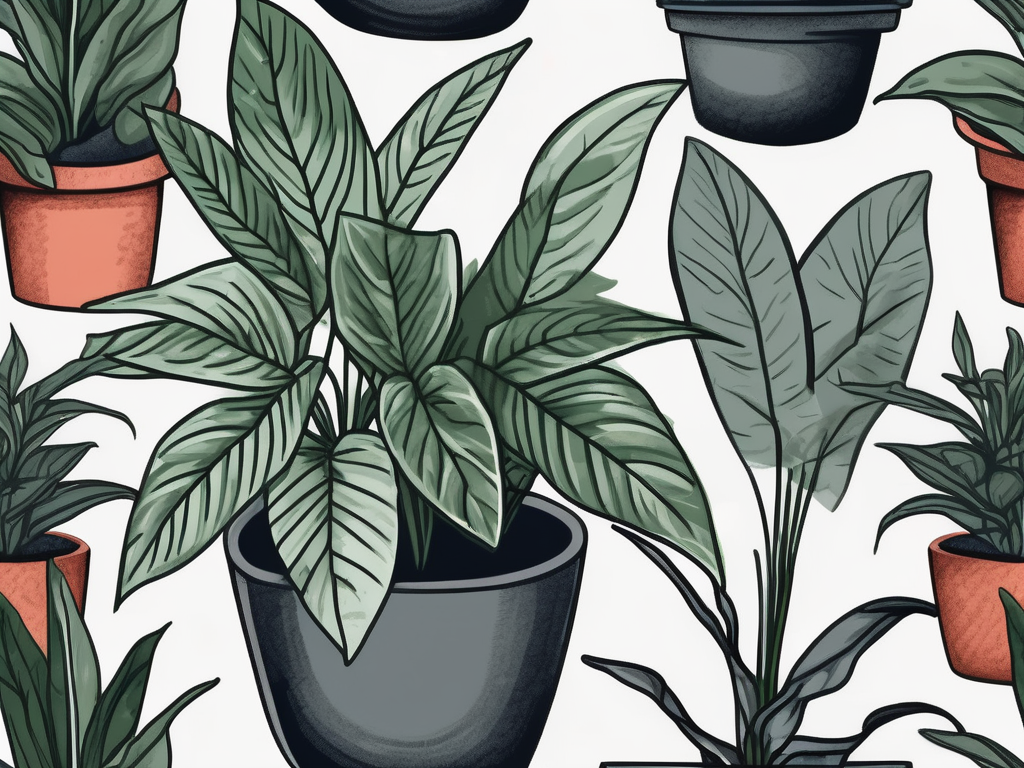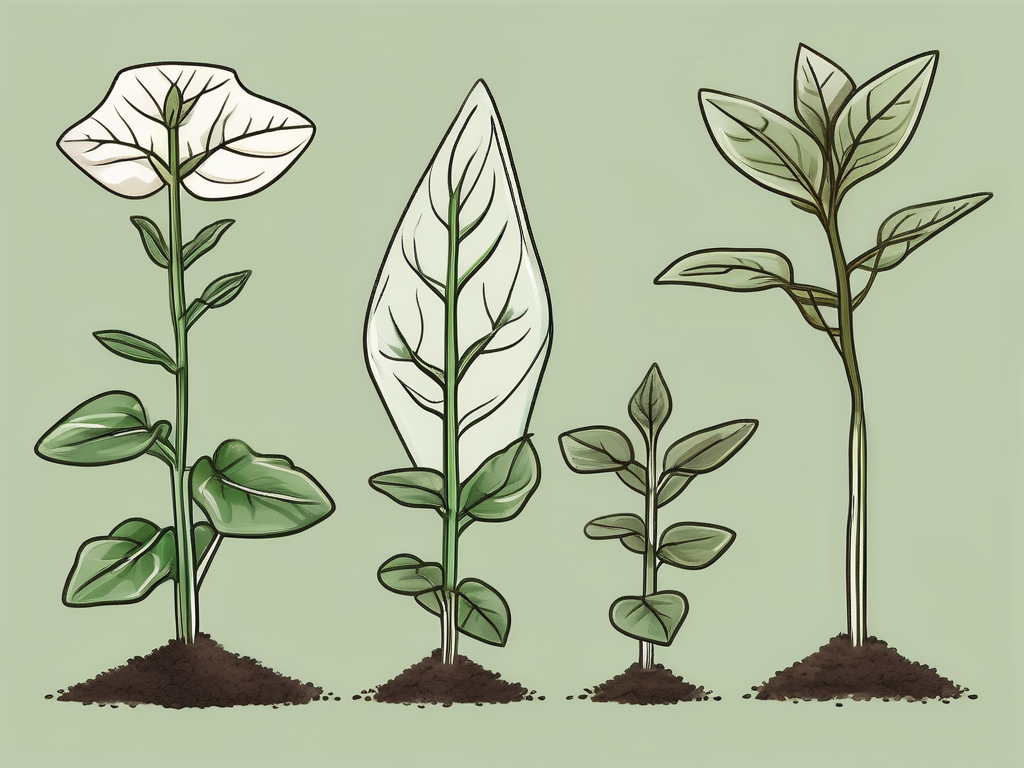
The Arrowhead plant, also known as Syngonium podophyllum, is a popular choice for plant lovers, and for good reason. With its charming arrow-shaped leaves and a knack for adapting to various environments, this plant can be a standout addition to any indoor jungle. But how long can you expect this leafy friend to stick around? Understanding its lifespan can help you make the most out of its presence in your home.
In this article, we'll explore the lifespan of Arrowhead plants, delving into factors that affect their longevity and providing practical tips to ensure they thrive. From proper care practices to creative placement ideas, we've got you covered. So, grab your gardening gloves and let's get started!
The Basics of Arrowhead Plant Lifespan
When it comes to houseplants, longevity can vary greatly depending on the species and the care they receive. The Arrowhead plant is no exception. Typically, with proper care, these plants can thrive for several years. However, without the right conditions, their lifespan might be considerably shorter.
Arrowhead plants are known for their resilience, and under ideal conditions, they can live anywhere from five to ten years or even longer. The key to extending their life lies in understanding their needs and adapting your care routine accordingly. Let's explore some of the fundamental aspects that contribute to a healthy, long-lived Arrowhead plant.
Factors Influencing Lifespan
Several factors can influence the lifespan of an Arrowhead plant. These include light exposure, watering habits, soil quality, and the overall environment in which the plant is kept. By mastering these factors, you're setting the stage for a thriving plant that can last for years.
- Light: Arrowhead plants prefer bright, indirect light. While they can tolerate low light conditions, they thrive best in a spot that offers filtered sunlight. Too much direct sunlight can scorch their leaves, while too little can slow growth.
- Water: Maintaining the right balance is crucial. Overwatering can lead to root rot, while underwatering can cause the leaves to dry out. Aim for a consistent watering schedule, allowing the top inch of soil to dry out between waterings.
- Soil: Well-draining soil is a must. A mix of potting soil with perlite or sand can provide the drainage Arrowhead plants need to prevent root issues.
- Humidity: These plants appreciate a bit of humidity, so consider placing a humidifier nearby or setting the pot on a tray of pebbles and water.
Interestingly enough, the conditions in your home play a significant role too. Factors like temperature, air quality, and even the presence of other plants can impact how well your Arrowhead plant thrives.
Plant Care Tips for Longevity
Now that we've touched on the basics, let's dive into some detailed care practices that can help extend the life of your Arrowhead plant. Whether you're a seasoned plant parent or just starting out, these tips can come in handy.
Consistent Watering Routine
A consistent watering routine is essential for keeping your Arrowhead plant happy. But how do you strike the right balance? Here are a few pointers:
- Check the soil: Before watering, check the top inch of soil. If it's dry, it's time to water. If it's still moist, hold off for a couple of days.
- Use room-temperature water: Extreme temperatures can shock the plant. Room-temperature water is ideal for maintaining consistency.
- Adjust for seasons: During the growing season (spring and summer), your plant may require more water. In the dormant months (fall and winter), reduce the frequency.
Optimal Lighting Conditions
Getting the lighting just right can make a world of difference in your plant's lifespan. Consider these tips:
- Find the right spot: A spot with bright, indirect light is perfect. If the light is too harsh, use sheer curtains to diffuse it.
- Rotate the plant: Every couple of weeks, rotate the plant to ensure all sides receive equal light exposure. This promotes even growth.
- Artificial lights: If natural light is limited, consider using grow lights to supplement the plant's needs.
Repotting for Growth
Like most houseplants, Arrowhead plants benefit from being repotted every couple of years. This not only gives them more room to grow but also refreshes the soil, providing new nutrients.
When to Repot
Knowing when to repot can be tricky, but here are some signs that your Arrowhead plant is ready for a new home:
- Root-bound: If roots are coming out of the drainage holes or circling the bottom of the pot, it's time for a bigger pot.
- Slowed growth: If your plant's growth seems stunted despite good light and watering, it might need more room to spread its roots.
- Soil issues: If the soil stays wet for too long or has a funky smell, it's a good idea to repot with fresh soil.
When repotting, choose a pot that's one or two sizes larger than the current one. Use fresh, well-draining soil and handle the roots gently to avoid damage.
Dealing with Pests and Diseases
Just like any other plant, Arrowhead plants can fall prey to pests and diseases. Addressing these issues promptly can prevent long-term damage and help your plant live longer.
Common Pests
Some common pests that might target your Arrowhead plant include:
- Spider mites: These tiny pests can cause yellowing leaves and webbing. Use insecticidal soap or neem oil to tackle them.
- Aphids: These small bugs cluster on new growth. A strong spray of water or insecticidal soap usually does the trick.
- Mealybugs: These pests appear as white, cottony masses. Remove them with a cotton swab dipped in rubbing alcohol.
Preventing Diseases
Diseases like root rot or leaf spot can affect Arrowhead plants. Prevent these by:
- Proper watering: Avoid overwatering to prevent root rot.
- Good air circulation: Ensure the plant isn't too crowded to reduce humidity around the leaves.
- Clean leaves: Wipe leaves with a damp cloth to remove dust and improve photosynthesis.
Pruning and Maintenance
Pruning is an essential part of Arrowhead plant care. It helps maintain the plant's shape and encourages bushier growth. Here's how to do it:
Pruning Techniques
When pruning, focus on removing dead or yellowing leaves first. This not only keeps the plant looking tidy but also redirects energy to healthier parts.
- Use clean scissors: Always use clean, sharp scissors to prevent spreading diseases.
- Trim leggy stems: If some stems are growing too long or unevenly, trim them back to encourage fuller growth.
- Regular checks: Make pruning a part of your regular maintenance routine to keep your plant in top shape.
Maintenance also includes checking for any signs of stress or pests and addressing them promptly. Regularly dusting the leaves can also improve the plant's health by allowing better light absorption.
Creative Placement Ideas
While care is crucial for the longevity of your Arrowhead plant, where you place it in your home can also contribute to its well-being. Here are some creative placement ideas:
- Hanging baskets: Arrowhead plants look stunning in hanging baskets, where their trailing vines can cascade beautifully.
- Bookshelves: Add a touch of green to your bookshelves by placing a small Arrowhead plant in between books and decorative items.
- Bathroom: The humidity in bathrooms can be ideal for Arrowhead plants. Just ensure there's enough light.
- Office desk: A small pot on your desk can brighten up your workspace and add a touch of nature to your workday.
By placing your Arrowhead plant in a spot where it receives the right amount of light and humidity, you're not only enhancing its lifespan but also creating a more pleasant environment for yourself.
Propagation for Plant Expansion
Propagation is a wonderful way to expand your collection or share your Arrowhead plant with friends. It's a simple process that can be quite rewarding. Here's how you can do it:
Propagation Steps
Arrowhead plants can be propagated using stem cuttings. Follow these steps for successful propagation:
- Select a healthy stem: Choose a stem with at least two nodes and a few leaves. Nodes are the points where leaves and roots grow.
- Make a clean cut: Use clean scissors to cut just below a node. This is where new roots will form.
- Rooting medium: Place the cutting in water or moist soil. If using water, change it every few days to keep it fresh.
- Wait for roots: It may take a few weeks for roots to develop. Once they're a few inches long, you can pot the cutting in soil.
Propagation not only allows you to grow more plants but also keeps your original plant healthy by preventing overcrowding.
Common Mistakes to Avoid
Even seasoned plant people can make mistakes. Here are some common pitfalls to watch out for when caring for your Arrowhead plant:
- Overwatering: This is a common mistake that can lead to root rot. Always check the soil moisture before watering.
- Ignoring pests: Regularly inspect your plant for signs of pests, as they can quickly damage your plant if left unchecked.
- Wrong lighting: Placing your plant in direct sunlight or too dark a spot can hinder its growth. Aim for bright, indirect light.
- Skipping repotting: Not repotting when needed can restrict growth and lead to nutrient deficiencies.
By staying vigilant and adjusting your care routine as needed, you can avoid these common mistakes and help your Arrowhead plant thrive.
Final Thoughts
The Arrowhead plant is a delightful and versatile addition to any home, capable of living for many years with the right care. From proper watering and lighting to repotting and pest management, each aspect plays a role in nurturing a healthy, long-lasting plant.
At Cafe Planta, we're here to support you on your plant journey. Whether you're looking for new houseplants, plant care accessories, or just need some advice, feel free to email us or reach out on Instagram. We believe that plants have the power to bring people together, and we're excited to help you create a beautiful, thriving plant collection in your home.