Geo plants, with their unique patterns and stunning colors, can make any space feel like a vibrant, living work of art. But as beautiful as they are, understanding their lifespan and how to care for them can be a puzzle for many plant lovers.
In this guide, we'll chat about the lifespan of geo plants, covering everything from their natural habitats and growth cycles to practical tips on keeping them healthy and thriving for as long as possible. So grab a cup of tea, get comfy, and let's dive into the world of geo plants!
Understanding Geo Plants: A Quick Overview
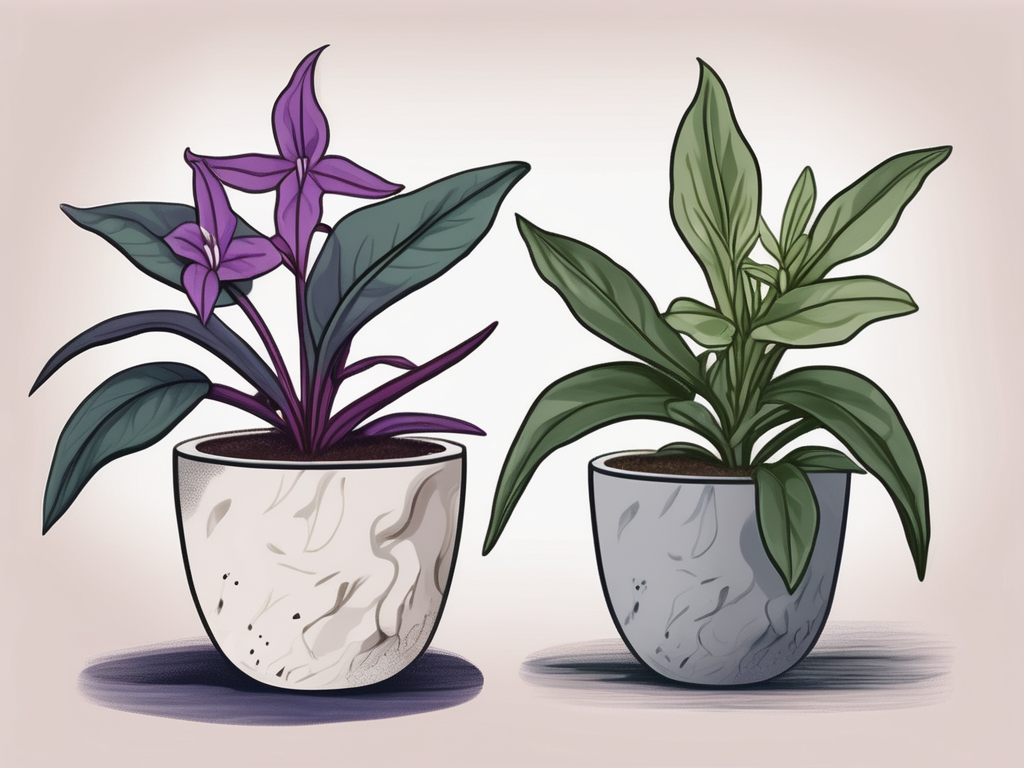
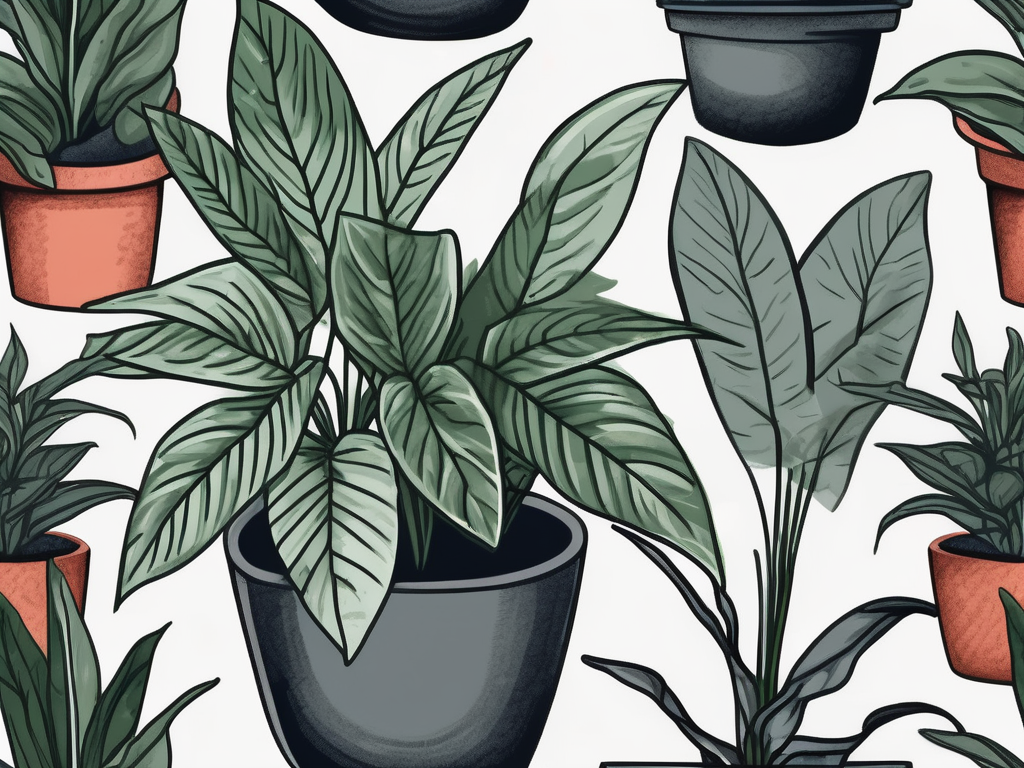
Geo plants, also known as Geogenanthus, belong to a small group of tropical plants that are particularly prized for their striking foliage. These beauties typically have deep purple or black leaves with metallic or velvety finishes that catch the eye. They hail from the rainforests of South America, where they thrive in humid, shaded environments.
These plants don't just sit pretty—they have a unique growth habit that can add an intriguing element to your indoor garden. They grow from rhizomes, which are horizontal stems that allow them to spread and expand over time. Because of this, geo plants are often more resilient than they seem, capable of bouncing back from a variety of challenges.
Still, it's important to remember that like all living things, geo plants have a natural life cycle. They can live for several years with the right care, making them a rewarding addition to any home.
The Natural Lifespan of Geo Plants
In their native habitat, geo plants can live for many years, often thriving even in less-than-ideal conditions. However, when brought indoors, their lifespan can be influenced by several factors such as care routines, environmental conditions, and even their genetic makeup.
Generally speaking, with proper attention and care, geo plants can live anywhere from three to seven years. Some plant parents have even managed to keep theirs going for a decade or more! The key is understanding their needs and providing them with the environment they love.
It's also worth noting that, as with any plant, the lifespan of geo plants can vary significantly. Some might flourish for a long time, while others may struggle. This variability is part of the natural charm of keeping plants and adds an element of excitement and unpredictability to your indoor garden.
Key Factors That Affect Their Lifespan
Several factors can influence how long your geo plant lives, including:
- Light: Geo plants thrive in bright, indirect light. Too much direct sunlight can scorch their leaves, while too little can stunt their growth.
- Water: These plants prefer consistently moist soil but don't like sitting in water. Overwatering can lead to root rot, a common issue that can severely shorten their lifespan.
- Humidity: They love high humidity environments, similar to their natural rainforest habitat. Low humidity can cause their leaves to brown and crisp up.
- Temperature: Geo plants are sensitive to temperature fluctuations and prefer a stable range between 65°F and 75°F.
- Soil: A well-draining potting mix is essential to prevent waterlogging and ensure the roots have access to air.
By paying attention to these factors, you can create an environment that mimics their natural habitat, helping them to thrive and live longer.
How to Maximize the Lifespan of Your Geo Plants
Now that we've covered the basics, let's talk about how to give your geo plants the best chance at a long and healthy life. Here are some practical tips and tricks to keep them thriving:
- Monitor Light Conditions: Place your geo plant in a spot where it will receive plenty of bright, indirect light. If you're worried about too much direct sunlight, consider using a sheer curtain to diffuse the light.
- Water Wisely: Keep the soil consistently moist but not soggy. A good rule of thumb is to water when the top inch of soil feels dry to the touch. Make sure your pot has drainage holes to prevent water from pooling at the bottom.
- Boost Humidity: If your home is on the dry side, consider using a humidifier or placing a tray of water near your plant to increase humidity levels. Mist the leaves occasionally to keep them looking fresh.
- Maintain Temperature: Keep your geo plant away from drafts, air conditioning vents, and heaters, as these can cause temperature fluctuations that stress the plant.
- Feed Regularly: During the growing season (spring and summer), feed your geo plant with a balanced liquid fertilizer every four to six weeks to encourage healthy growth.
Following these tips can help your geo plants live longer and continue to bring beauty and joy to your home.
Recognizing Signs of Aging in Geo Plants
As geo plants age, they may show some signs that they're entering their later years. Recognizing these signs can help you provide the care they need during this stage of their life cycle:
- Slower Growth: Older plants may grow more slowly than they did in their youth, which is a natural part of their aging process.
- Leaf Yellowing: Some leaf yellowing is normal as the plant ages, but if it becomes widespread, it may indicate a problem with care or environment.
- Reduced Leaf Shine: The vibrant colors and shine of the leaves may fade over time, particularly if the plant isn't receiving enough light or humidity.
- Fewer New Leaves: As they age, geo plants may produce fewer new leaves compared to their younger years.
If your geo plant is showing these signs, it doesn't necessarily mean it's on its last legs. Often, a little extra care and attention can help rejuvenate an aging plant and extend its lifespan.
Reviving a Struggling Geo Plant
If your geo plant seems to be struggling, don't lose hope! There are several steps you can take to nurse it back to health:
- Check the Roots: Gently remove the plant from its pot and inspect the roots for signs of rot. Healthy roots should be white or light brown and firm. If you find any mushy, dark roots, trim them away with clean scissors.
- Adjust Watering Habits: If your plant is overwatered, allow the soil to dry out slightly before watering again. For underwatered plants, increase the frequency of watering.
- Improve Lighting: If your geo plant isn't getting enough light, move it to a brighter location. However, be cautious of direct sunlight, which can scorch the leaves.
- Boost Humidity: Increase humidity around your plant by using a humidifier, misting the leaves, or placing a tray of water nearby.
- Repot if Necessary: If the plant has outgrown its current pot or the soil has become compacted, consider repotting it with fresh potting mix to give the roots more room to grow.
With a little patience and care, your geo plant can bounce back from difficult periods and continue to thrive.
Common Pests and Problems
Like any houseplant, geo plants can sometimes fall victim to pests and other issues. Being aware of these problems can help you tackle them before they affect your plant's health:
- Spider Mites: These tiny pests can cause yellowing and browning of leaves. You can often spot their fine webs on the undersides of leaves. To treat, rinse the plant with water and use insecticidal soap if needed.
- Mealybugs: These cotton-like insects can be removed by wiping the leaves with a cotton swab dipped in rubbing alcohol. Regularly inspect your plant to catch any infestations early.
- Root Rot: Often caused by overwatering, root rot can be prevented by ensuring proper drainage and adjusting your watering habits.
- Leaf Drop: Sudden changes in temperature or humidity can cause geo plants to drop leaves. Try to maintain stable conditions to prevent this issue.
By keeping an eye out for these common problems, you can catch and address them early, ensuring your geo plant stays healthy and vibrant.
Designing Beautiful Spaces with Geo Plants
Now that you're armed with all this knowledge about caring for geo plants, let's talk about how to incorporate them into your home decor. These plants are not only easy on the eyes but also versatile in terms of placement and design.
Geo plants can add a touch of elegance and drama to any room. Here are some ideas to get you started:
- Standalone Statements: Place a geo plant in a decorative pot and let it shine as a focal point on a coffee table or sideboard.
- Grouped Displays: Combine geo plants with other tropical plants to create a lush, vibrant corner. Vary the heights and textures for an interesting display.
- Vertical Gardens: Use wall-mounted planters or shelves to create a vertical garden. Geo plants' striking foliage will add depth and interest.
- Terrariums: Smaller geo plants can thrive in terrariums, where the controlled environment can keep humidity levels high.
With their bold colors and textures, geo plants can truly transform a space, making it feel more lively and inviting.
Final Thoughts
Caring for geo plants can be a rewarding experience, offering both aesthetic pleasure and a sense of accomplishment. By understanding their needs and providing the right environment, you can ensure they live long, healthy lives.
At Cafe Planta, we're passionate about helping you on your plant journey. Whether you're looking for a new plant to add to your collection or need tips on plant care, we're here to help. Feel free to email us or reach out on Instagram. We believe plants bring people together and are excited to share our love for them with you.