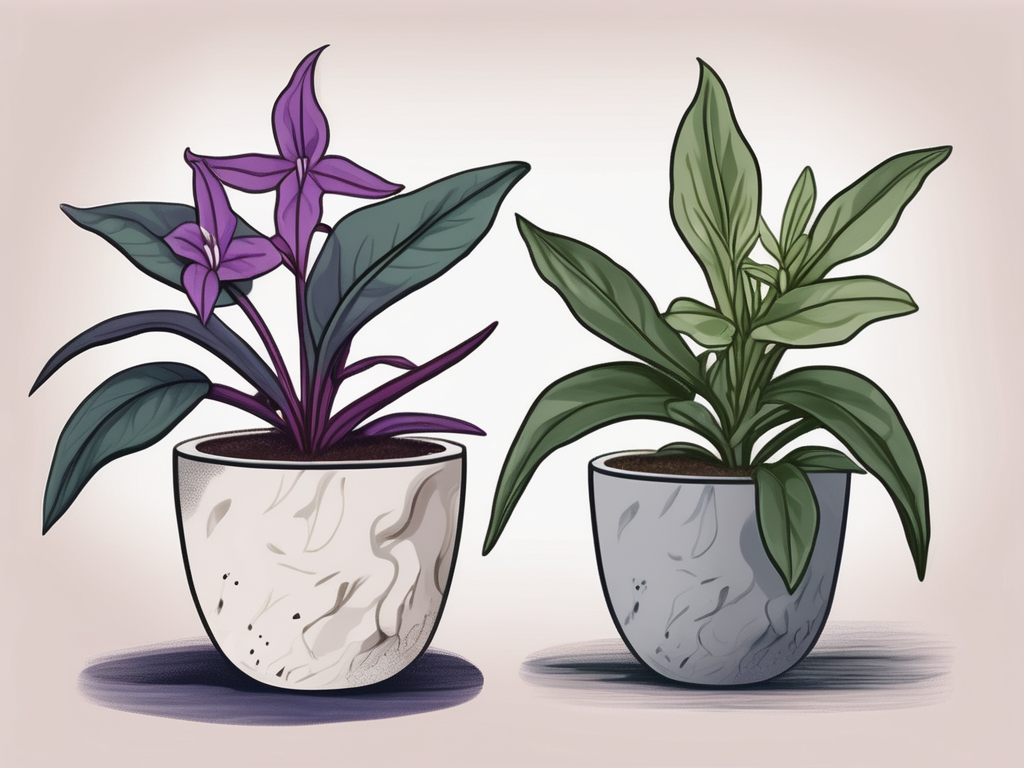
Tradescantia, often known as the wandering Jew or inch plant, is adored by plant people for its vibrant foliage and relatively easy care. However, understanding the lifespan of this plant can be a bit of a puzzle. How long does it live, and what can you do to ensure it thrives for as long as possible? That's what we're going to explore today.
We'll look into the typical lifespan of Tradescantia, what factors influence its longevity, and how you can care for it to potentially extend its life. We'll also touch on some common challenges and how to tackle them, ensuring your Tradescantia remains a beautiful part of your home.
The Lifespan of Tradescantia
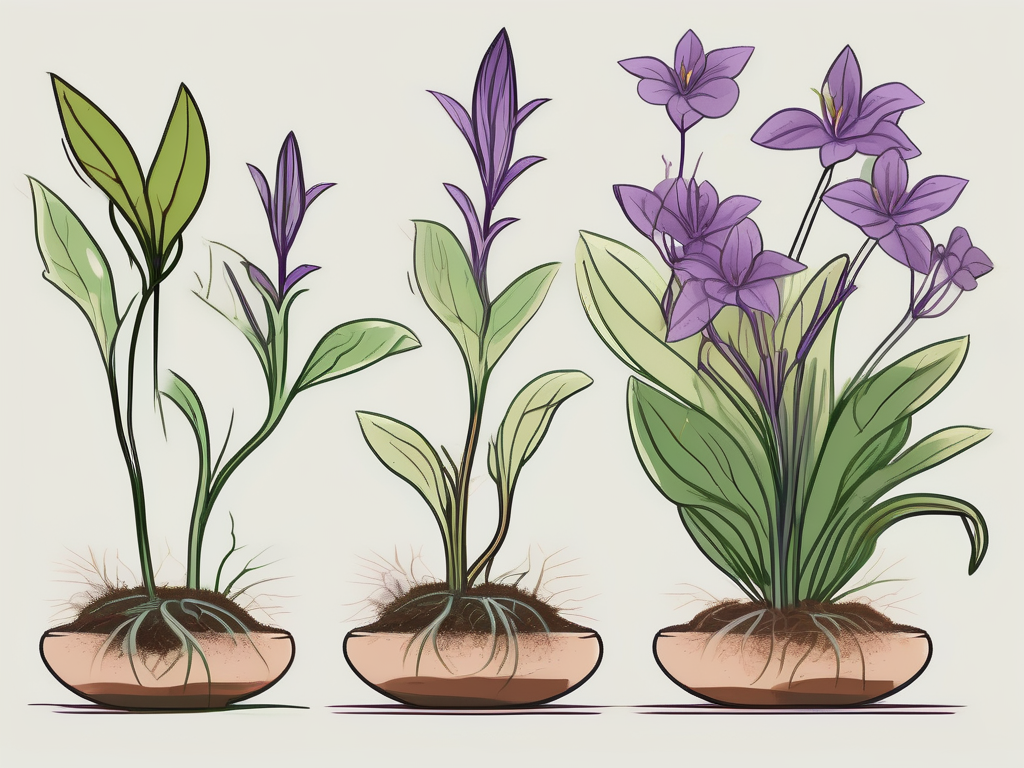
First things first, let's talk about the natural lifespan of Tradescantia. In an ideal environment, Tradescantia can live for several years. However, like many houseplants, its appearance and vigor might start to wane after a couple of years. This isn't necessarily a sign that your plant is dying; it's just the natural cycle of its growth.
These plants are known for their rapid growth, often needing regular pruning to keep them looking their best. Over time, they can become leggy, with more stem than leaves. This is a common sign that your plant might be reaching the end of its prime. But don't worry—you can still enjoy your Tradescantia for many years with a bit of care and attention.
Factors Affecting Lifespan
Several factors can influence how long your Tradescantia lives, including:
- Light: Tradescantia prefers bright, indirect light. Insufficient light can lead to leggy growth, while too much direct sunlight can scorch the leaves.
- Water: It's crucial to strike the right balance. Overwatering can lead to root rot, while underwatering can cause the leaves to turn brown and crispy.
- Temperature and Humidity: These plants enjoy warm temperatures and moderate humidity. Extreme conditions can stress the plant, affecting its health and lifespan.
Reviving an Aging Tradescantia
As Tradescantia ages, you might notice fewer leaves and more stems. This is a natural part of the plant's lifecycle, but it can be managed. Here's how:
- Pruning: Regular pruning encourages bushier growth. Cut back leggy stems, which can also be propagated to create new plants.
- Propagation: Use cuttings to start new plants. This not only gives you more Tradescantia to enjoy but also helps keep the parent plant healthy by promoting new growth.
- Repotting: If your plant is outgrowing its pot, repotting can give it more room to grow and thrive.
Ideal Growing Conditions
Providing the right conditions can significantly impact how long your Tradescantia lives. Let's break down the essentials:
Light Requirements
Tradescantia thrives in bright, indirect sunlight. Direct sunlight can be too harsh and may cause the leaves to fade or even burn. If your plant isn't getting enough light, you'll notice it becoming leggy, with more space between the leaves. Placing your Tradescantia near an east or north-facing window can be ideal, as this provides the bright but indirect light it craves.
Watering Tips
Watering can be a bit of a balancing act. Tradescantia likes to be kept slightly moist, but not waterlogged. The best way to determine when to water is to check the top inch of soil—if it's dry, it's time to water. Always use a pot with drainage holes to prevent root rot, and be sure to empty the saucer if any excess water collects there.
Temperature and Humidity
These plants are fairly tolerant but prefer temperatures between 60-75°F (15-24°C). They also appreciate some humidity, though they'll do fine in average household conditions. If your home is particularly dry, consider placing a small humidifier nearby or misting the plant occasionally.
Common Challenges and Solutions
Even with the best care, Tradescantia can face a few common issues. Here's how to handle them:
Pests
Spider mites, aphids, and mealybugs are a few pests that might target your Tradescantia. Regularly checking your plant can help you catch these invaders early. If you spot any, a gentle spray with water or insecticidal soap can usually do the trick. For a more natural solution, try introducing beneficial insects like ladybugs.
Diseases
Fungal diseases can also affect Tradescantia, often due to overwatering or poor air circulation. If you notice any signs of disease, such as discolored leaves or a musty smell, it's essential to act quickly. Remove any affected leaves, and adjust your watering routine to prevent further issues.
Leggy Growth
If your plant seems to be all stems and no leaves, it's likely not getting enough light. Try moving it to a brighter spot, and consider giving it a trim to encourage bushier growth. Remember, those cuttings can be used to propagate new plants!
Propagation: Keeping Your Plant Legacy Alive
Propagation is a fantastic way to keep your Tradescantia going strong, even if the parent plant starts to show its age. Luckily, it's a straightforward process:
Step-by-Step Propagation
- Cut a Healthy Stem: Look for a healthy section with a few leaves. Cut just below a node with a clean pair of scissors or pruning shears.
- Remove Lower Leaves: Strip away the leaves from the bottom 1-2 inches of the cutting.
- Place in Water: Pop the cutting in a glass of water, ensuring the nodes are submerged. Keep it in a bright spot but out of direct sunlight.
- Wait for Roots: In a few weeks, you should see roots forming. Once they're a couple of inches long, you can plant the cutting in soil.
Propagation not only gives you more plants to enjoy but can also be a fun and rewarding part of your plant care routine.
Incorporating Tradescantia in Home Decor
Tradescantia's vibrant colors and trailing growth make it a fantastic addition to any home decor. Here's how you can incorporate it into your space:
Hanging Baskets
One of the most popular ways to display Tradescantia is in a hanging basket. This not only highlights its trailing nature but also saves valuable surface space. Hang it in a spot with plenty of indirect light to let those colorful leaves shine.
Tabletop Displays
If hanging baskets aren't your style, consider a tabletop display. Use a decorative pot to make a statement, and place it on a shelf or table where it can receive plenty of light. This setup can add a pop of color to any room.
Vertical Gardens
For a more creative approach, incorporate Tradescantia into a vertical garden. Its trailing vines can create a lush, living wall effect, especially when combined with other complementary plants.
Pruning and Maintenance
Regular pruning is crucial to keeping your Tradescantia looking its best. Not only does it help manage leggy growth, but it also encourages new, healthy growth. Here's a quick guide to pruning your plant:
When to Prune
The best time to prune is during the growing season, typically spring and summer. However, if you notice any dead or damaged leaves, it's fine to remove them as needed.
How to Prune
- Use Clean Tools: Always use clean, sharp scissors or pruning shears to prevent disease.
- Cut Above a Node: Trim just above a node, where new growth will emerge.
- Don't Overdo It: While it's tempting to give your plant a dramatic haircut, try to only remove about a third of the plant at a time.
Extending the Life of Your Tradescantia
Tradescantia might not live forever, but there are ways to keep it thriving for as long as possible. Let's look at a few strategies:
Avoiding Stress
Stress is one of the biggest threats to your plant's longevity. Ensure it's getting the right amount of light, water, and nutrients. Be mindful of sudden changes in its environment, like moving it to a new spot or changing its watering schedule.
Regular Check-Ups
Just like us, plants benefit from regular check-ups. Take time every week or so to inspect your Tradescantia for signs of pests, disease, or nutrient deficiencies. Catching problems early can make a big difference in your plant's health.
Fertilizing Wisely
Feeding your plant can help it grow strong and healthy. Use a balanced, water-soluble fertilizer during the growing season. Be careful not to over-fertilize, as this can harm the plant.
Understanding Seasonal Changes
Tradescantia, like many plants, undergoes changes with the seasons. Recognizing these shifts can help you adjust your care routine accordingly.
Spring and Summer
During these warmer months, Tradescantia is in its active growth phase. It will require more frequent watering and might benefit from occasional fertilizing. This is also an excellent time for propagation and pruning.
Fall and Winter
As the days shorten and temperatures drop, Tradescantia's growth will slow. Reduce watering and pause fertilizing until spring. Be sure to keep it in a spot with as much natural light as possible.
By adapting your care routine to the seasons, you can keep your Tradescantia healthy year-round.
Final Thoughts
In summary, the lifespan of Tradescantia largely depends on the care it receives. With proper light, water, and attention to its needs, you can enjoy its vibrant presence for years. Don't be afraid to prune, propagate, and experiment with its placement in your home to keep it fresh and lively.
At Cafe Planta, we're passionate about helping you create a thriving indoor jungle. Whether you're looking for new plants or need advice, we're here for you. Feel free to reach out via email or drop us a message on Instagram. Let's grow together and connect over our shared love of plants!