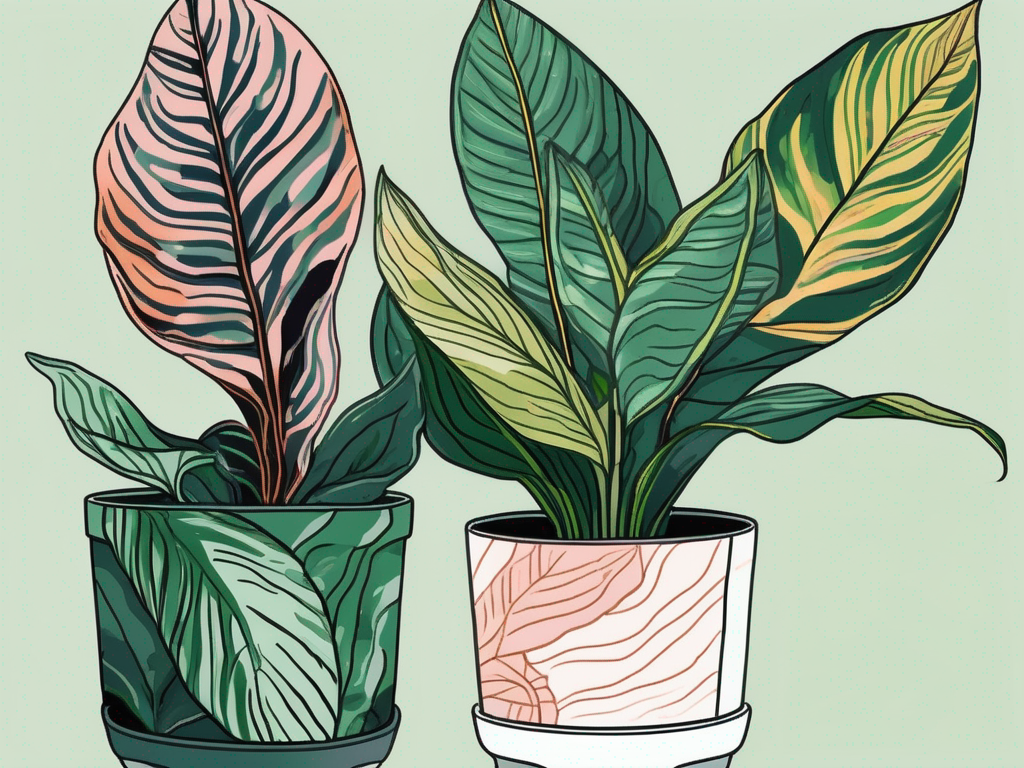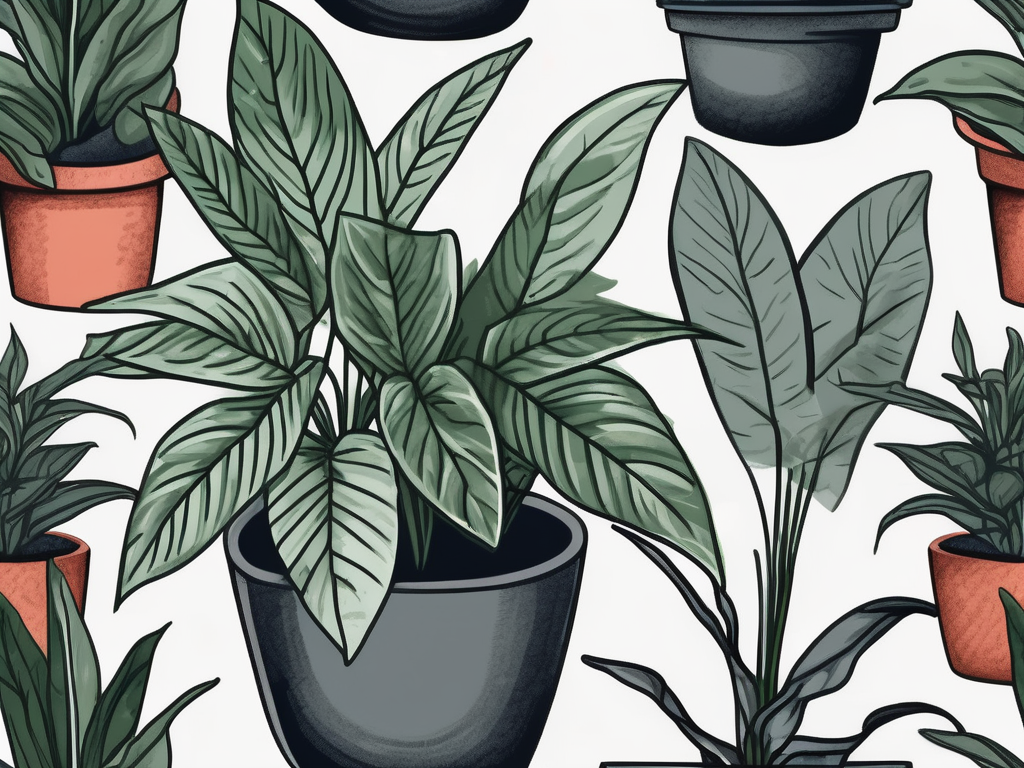
Calathea plants are like the divas of the plant world—they have specific needs, especially when it comes to lighting, but when those needs are met, they make a stunning addition to any home. Known for their vibrant foliage and interesting patterns, Calatheas can bring a splash of color and life to your indoor spaces.
In this article, we’ll be discussing everything you need to know about the lighting requirements for Calathea plants. From understanding the basics of light exposure to practical tips for optimizing their placement in your home, we've got you covered. So, let's get started!
Understanding Calathea’s Natural Habitat
To grasp the light needs of Calathea, it helps to know a bit about their natural environment. Originating from the tropical rainforests of Central and South America, these plants are accustomed to growing under the canopy of larger trees. This means they naturally thrive in indirect, filtered light—think of the dappled sunlight that filters through the leaves of a tall forest.
In their natural habitat, Calatheas avoid harsh direct sunlight, which can scorch their delicate, vibrant leaves. Instead, they enjoy the soft, diffused light that bounces off the forest floor. So, when we bring them into our homes, the goal is to mimic these conditions as closely as possible. It’s like trying to create a tiny rainforest nook in your living room!
Understanding this background helps plant parents place their Calathea in the right spot at home. It’s a plant that appreciates a gentle touch when it comes to lighting. So, if you've got a location in your home with indirect light levels, you might have found the perfect spot for a Calathea.
Finding the Right Spot at Home
Now that we know where Calatheas come from and what they’re used to, let’s talk about finding the right spot in your home. Think about areas that get bright, indirect sunlight—a place with enough light to read comfortably without the sun’s rays directly hitting the pages of your book.
- North or East-facing windows: These windows are usually great for Calatheas because they provide soft morning light or consistent indirect light throughout the day.
- A few feet away from a window: Placing your plant a few feet back from a south or west-facing window can also work. Just make sure the light is diffused, perhaps with a sheer curtain.
- Under a skylight: If you’re lucky enough to have a skylight, placing your plant underneath can mimic the dappled light they love.
The idea is to avoid direct sunlight, which can lead to leaf burn and crispy edges. Keep an eye on your plant, and if you notice any browning or curling, it might be getting too much direct sun. Conversely, if the leaves start to lose their vibrant color or look a bit droopy, it might be signaling a need for more light.
Using Artificial Light
Sometimes natural lighting just doesn’t cut it, especially in homes with limited window space or during the shorter days of winter. In these cases, artificial lighting can be a lifesaver for your Calathea. But not all artificial lights are created equal for plant care.
Fluorescent lights, especially full-spectrum lights, can be a good option for Calatheas. They mimic the spectrum of natural sunlight without the intensity of direct rays. LED grow lights are another great choice, offering energy efficiency and adjustable spectrums.
Tips for Using Artificial Light:
- Distance: Keep the light 12 to 24 inches above the plant to mimic natural, indirect sunlight.
- Duration: Aim for about 12 to 16 hours of light per day. Calatheas are used to longer daylight periods, similar to their rainforest origins.
- Color spectrum: Look for lights that provide a full spectrum, as this will best mimic natural sunlight conditions.
Artificial lighting can be a game-changer for plant lovers who want to create an ideal environment for their Calatheas, especially in rooms that lack natural light.
Signs Your Calathea Needs More Light
Understanding your plant’s signals can be a rewarding experience. Calatheas are pretty good at communicating their needs if you know what to look for. Here are some telltale signs that your plant might be craving a bit more light:
- Fading color: If the vibrant patterns on your Calathea’s leaves start to look washed out, it might be signaling that it needs more light.
- Slow growth: While Calatheas are not the fastest growers, a prolonged period of little to no growth might indicate insufficient light.
- Droopy leaves: Leaves that appear limp or droopy can sometimes be a cry for more light.
If you notice any of these signs, consider moving your plant to a brighter spot or supplementing with artificial light. Just remember to make changes gradually, as a sudden increase in light can shock the plant.
Signs Your Calathea Needs Less Light
On the flip side, too much light can also be a problem for Calathea plants. Here are some signs that your plant might be getting more light than it can handle:
- Leaf scorch: This appears as brown, crispy edges on the leaves and can happen when the plant is exposed to direct sunlight.
- Folding leaves: Calathea leaves naturally fold up at night, but if they’re folding during the day, it might be a stress response to too much light.
- Bleached spots: If you see pale or white spots on the leaves, it could be a sign of sunburn.
In this case, try moving your Calathea to a spot with less intense light or add a sheer curtain to diffuse the sun’s rays. These adjustments can help maintain the plant’s health and keep those beautiful leaves looking their best.
Balancing Light with Other Care Needs
While lighting is crucial, it’s just one part of the puzzle when it comes to caring for Calathea. These plants also have specific needs regarding humidity, water, and soil, which all interact with light to affect the plant’s overall health.
- Humidity: Calatheas thrive in high humidity, so consider placing a humidifier nearby, especially if you live in a dry climate.
- Watering: Keep the soil consistently moist but not soggy. Adjust your watering schedule based on the light conditions—more light can mean quicker evaporation and the need for more frequent watering.
- Soil: Use a well-draining potting mix to prevent root rot, which can be exacerbated by improper lighting and watering.
By balancing these elements, you create an environment where your Calathea can not only survive but thrive, showing off its stunning foliage to the fullest.
Creating a Plant-Friendly Environment
Part of the joy of having houseplants is creating spaces where they feel at home and become part of your living environment. With Calatheas, it’s not just about placing them in the right spot but also about surrounding them with conditions that mimic their natural settings.
Consider grouping your Calathea with other humidity-loving plants to create a mini rainforest effect. This not only looks great but can also help maintain humidity levels. Additionally, keep your plant’s environment stable—Calatheas aren’t big fans of drafts or sudden temperature changes.
By treating your home as a canvas, you can design a space that’s both beautiful and functional, allowing your plants to flourish and become part of your everyday life.
Seasonal Light Adjustments
As the seasons change, so do the lighting conditions in your home. During the winter months, natural light can become scarce, and your plants might need a little extra help. This is where artificial lighting comes in handy, ensuring your Calathea continues to receive adequate light even when the days are shorter.
- Winter: Consider moving your Calathea closer to windows or using grow lights to supplement the reduced natural light.
- Summer: Be mindful of increased sunlight intensity through windows and adjust accordingly to prevent leaf scorch.
These adjustments don’t have to be drastic but are necessary for keeping your Calathea happy year-round.
Final Thoughts
In summary, understanding and meeting the light needs of your Calathea can make the difference between a thriving plant and one that's just surviving. By mimicking their natural habitat, using artificial light when necessary, and paying attention to their signals, you can enjoy the beauty and vibrancy these plants bring to your home.
At Cafe Planta, we’re passionate about helping you care for your plants. Whether you're just starting out or a seasoned plant parent, we're here to support your plant journey. Feel free to reach out via email or Instagram with any questions. We believe in the power of plants to connect and inspire, and we’re excited to share that journey with you!