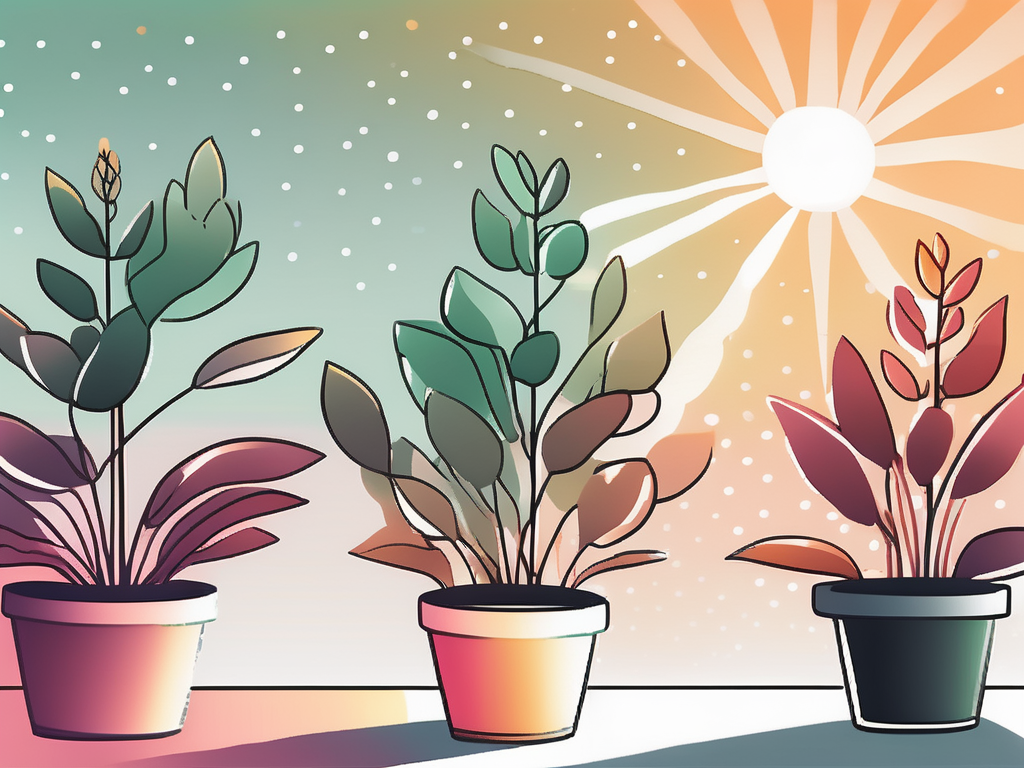
Polka Dot Plants, with their charming speckled leaves, are a favorite among plant lovers. But like any good relationship, getting the most out of this plant involves understanding its unique needs. A vital aspect of thriving Polka Dot Plants is ensuring they receive the right amount of light.
This article will guide you through everything you need to know about the light requirements of Polka Dot Plants. We'll dig into how much light they need, where to place them in your home, how to adjust their light exposure, and even how to troubleshoot common light-related problems. Let's get started!
Understanding Polka Dot Plants
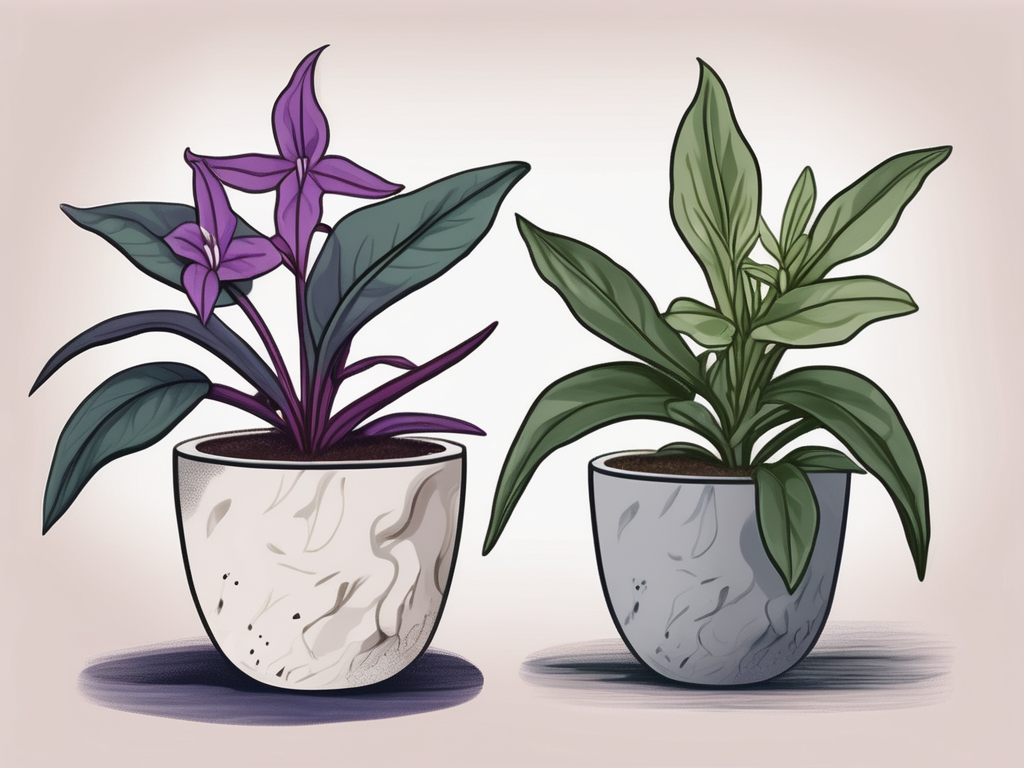
Before jumping into their light needs, let’s get acquainted with Polka Dot Plants. Officially known as Hypoestes phyllostachya, these plants come in a variety of colors including pink, white, and red, all featuring striking dot patterns that give them their name. They're relatively easy to care for, making them perfect for both beginners and seasoned plant parents.
Native to Madagascar, Polka Dot Plants thrive in environments that mimic their natural habitat. This means they prefer warm temperatures and, more importantly, specific lighting conditions. Understanding these needs is crucial to keeping them healthy and vibrant.
The bright, colorful foliage of Polka Dot Plants is their main attraction. To maintain those eye-catching colors, you’ll need to provide them with just the right light. Too much or too little can result in faded colors or leggy growth. Let’s dive into what "just right" means for these beauties.
How Much Light Do Polka Dot Plants Need?
Polka Dot Plants are a bit like Goldilocks when it comes to light—they need conditions that are just right. They thrive in bright, indirect light. This makes a spot near a window with filtered sunlight ideal. Direct sunlight can scorch their delicate leaves, while too little light can dull their vibrant colors.
Think of it this way: if you were wearing a sweater, you wouldn’t want to stand under a blazing sun, nor would you want to be in a dark, cold room. Aim for a happy medium. A north or east-facing window often provides the perfect light balance. If your windows are south-facing, sheer curtains can help filter the light.
If you’re worried about your plant getting enough light, there’s an easy check. If the leaves start stretching out and the plant looks a bit leggy, it’s a sign they need more light. Conversely, if the leaves are browning at the edges, they might be getting too much direct sun.
Best Spots in Your Home for Polka Dot Plants
Finding the right spot in your home for a Polka Dot Plant is like locating the ideal seat at a dinner party—comfort and ambiance matter. You want your plant to feel cozy and content with the light it receives. Here are some tips on where to place them:
- Near Windows: East or north-facing windows are usually great options, providing plenty of indirect light that Polka Dot Plants love.
- Avoid Direct Sunlight: South-facing windows can be too intense without some filtering. Use sheer curtains if this is your only option.
- Bright Rooms: Even if not directly near a window, rooms that are generally bright throughout the day can work well.
Another thing to consider is the time of year. As seasons change, the angle and intensity of sunlight can shift, affecting how much light your plants receive. You might need to adjust their location slightly during different seasons to maintain optimal lighting.
Signs Your Polka Dot Plant Needs More (or Less) Light
Like a good friend, your Polka Dot Plant will give you signs if it’s not happy with its living conditions. If it's getting too much or too little light, you'll notice changes in its appearance:
Signs of Too Little Light
- Leggy Growth: Stems stretch out, and leaves are spaced farther apart.
- Dull Colors: The vibrant leaf colors fade or become less pronounced.
- Slow Growth: Overall growth may slow down if the plant isn't receiving enough light to photosynthesize effectively.
Signs of Too Much Light
- Leaf Scorching: Browning or crispy edges on the leaves.
- Faded Color: The bright spots may bleach out if exposed to too much direct sunlight.
Keeping an eye on these signs will help you adjust the light conditions for your Polka Dot Plant. If you notice any of these indicators, try to reposition your plant to a more suitable spot.
Adjusting Light Exposure for Healthier Growth
Once you’ve identified that your Polka Dot Plant needs a change in light exposure, making the necessary adjustments is usually straightforward. Here’s a step-by-step guide to help you optimize their lighting conditions:
- Move the Plant Gradually: If you need to change the plant's location, do it gradually. Sudden changes in environment can stress the plant.
- Rotate Regularly: If only one side of the plant receives light, consider rotating it every week to ensure even growth.
- Use Artificial Lighting: If natural light is limited, especially in winter months, consider using grow lights. LED grow lights are energy-efficient and can provide the necessary light spectrum for your plant.
It's all about finding the right balance and being patient as your plant adapts to any new conditions. Sometimes all it takes is a little tweak here and there to get them back on track.
Artificial Lighting: A Solution for Low-Light Areas
Not all of us are blessed with homes filled with natural light, and that’s where artificial lighting can come in handy. Grow lights can be a great solution for maintaining healthy Polka Dot Plants in less-than-ideal lighting conditions.
When choosing a grow light, opt for LED lights designed for plant growth. These are energy-efficient and can mimic the natural light spectrum, helping your plant photosynthesize just like they would in natural light.
Position the grow light about 6-12 inches above the plant, and aim for around 12-16 hours of light per day. This might sound like a lot, but it replicates the light conditions they’d naturally receive in their native habitat. Remember to turn the lights off at night to give your plant a rest period, mimicking natural day-night cycles.
Using artificial lighting can be a game-changer for plant parents living in apartments with limited sunlight or during the shorter days of winter. It allows you to keep your Polka Dot Plant in a preferred spot in your home without compromising its health.
How Seasonal Changes Affect Polka Dot Plants
Just like how we change our wardrobe with the seasons, Polka Dot Plants require a little adjustment too. As seasons shift, the angle and intensity of sunlight can change dramatically, affecting your plant's light exposure.
During winter months, the sun is lower in the sky and days are shorter, meaning your plant might not get enough light if left in its usual spot. You may need to move it closer to a light source or use grow lights to supplement the reduced natural light.
In summer, the sun can be harsh, and the increased daylight might mean your plant is getting too much direct sunlight. Consider moving it back from the window or using sheer curtains to diffuse the light.
Keeping an eye on the seasonal changes and adjusting your plant's environment accordingly can help maintain its health and vibrancy year-round.
Common Problems and How to Fix Them
Even when you’re doing everything right, issues can pop up. Here are some common problems related to light exposure and how to address them:
Problem: Leggy Growth
If your Polka Dot Plant starts looking like it’s reaching for the stars, it’s a sign of insufficient light. Move it to a brighter location or add a grow light to ensure it gets enough light for compact growth.
Problem: Faded or Bleached Leaves
This can occur if your plant is getting too much direct sunlight. Move it to a spot where the light is filtered or indirect. If that’s not possible, use a sheer curtain to reduce the intensity of the light.
Problem: Brown or Crispy Leaf Edges
Too much direct sunlight can scorch the leaves. Adjust the plant’s position to receive indirect light while ensuring it’s not too far from a light source.
Addressing these issues promptly can prevent further damage and help your Polka Dot Plant regain its healthy, vibrant appearance.
Conclusion
Understanding and adjusting the light conditions for your Polka Dot Plant is key to keeping it healthy and vibrant. From selecting the right spot in your home to using artificial lighting when needed, there are plenty of ways to ensure your plant gets the light it needs.
At Cafe Planta, we’re passionate about helping you on your plant journey. Whether you’re looking for new plant additions or need advice, we’re here to assist. Feel free to email us or send a message on Instagram. We believe plants have the power to connect us to nature and each other, and we’re excited to share that journey with you.