If you're a fan of houseplants, you've probably encountered the Monstera Deliciosa. Known for its striking, fenestrated leaves, this plant adds an undeniable charm to any space. It's not just its beauty that captures attention, though. The Monstera is a fascinating plant with unique habits, including a tendency to "sweat" or drip water from its leaves—a phenomenon that's as intriguing as it is beautiful.
This article will explore the many facets of the Monstera Deliciosa, from its care and maintenance to its unique water-dripping feature. We'll also provide tips on incorporating this stunning plant into your home decor. Whether you're a seasoned plant lover or new to the world of indoor greenery, you'll find something valuable here.
Getting to Know the Monstera Deliciosa
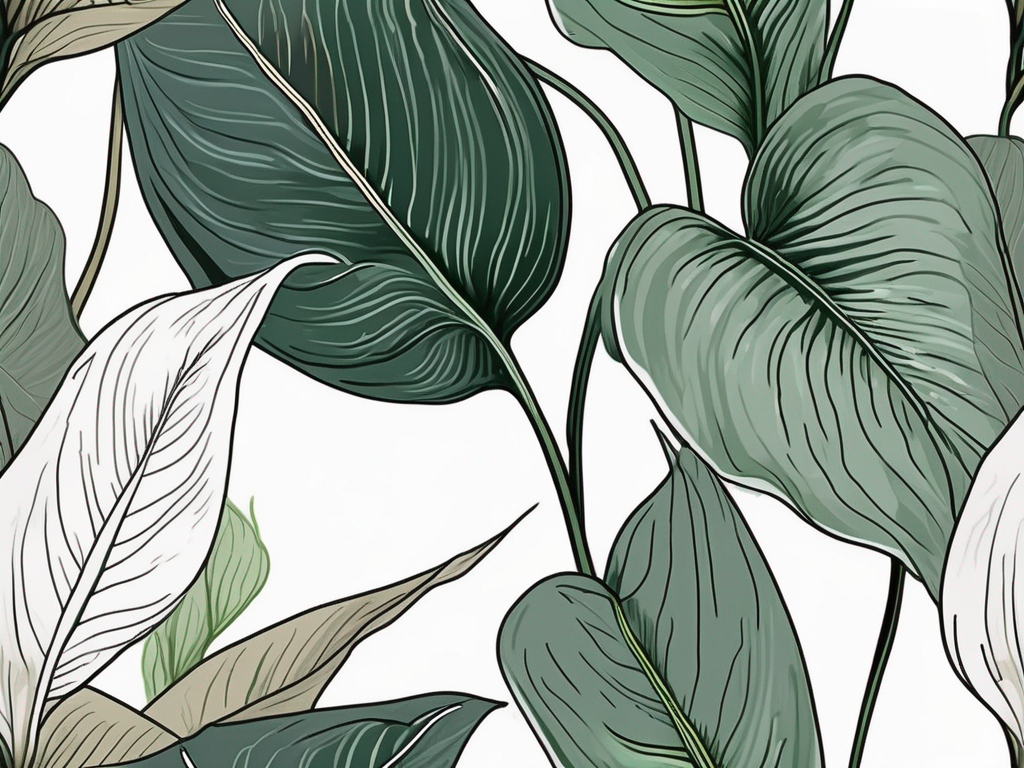
The Monstera Deliciosa is a tropical plant native to the rainforests of Central America. Its name, Monstera, hints at its impressive size and presence. The "deliciosa" part? That's because this plant can produce an edible fruit, although it rarely does so indoors. With its large, glossy leaves and unique perforations, it's no wonder the Monstera has become a favorite among plant people.
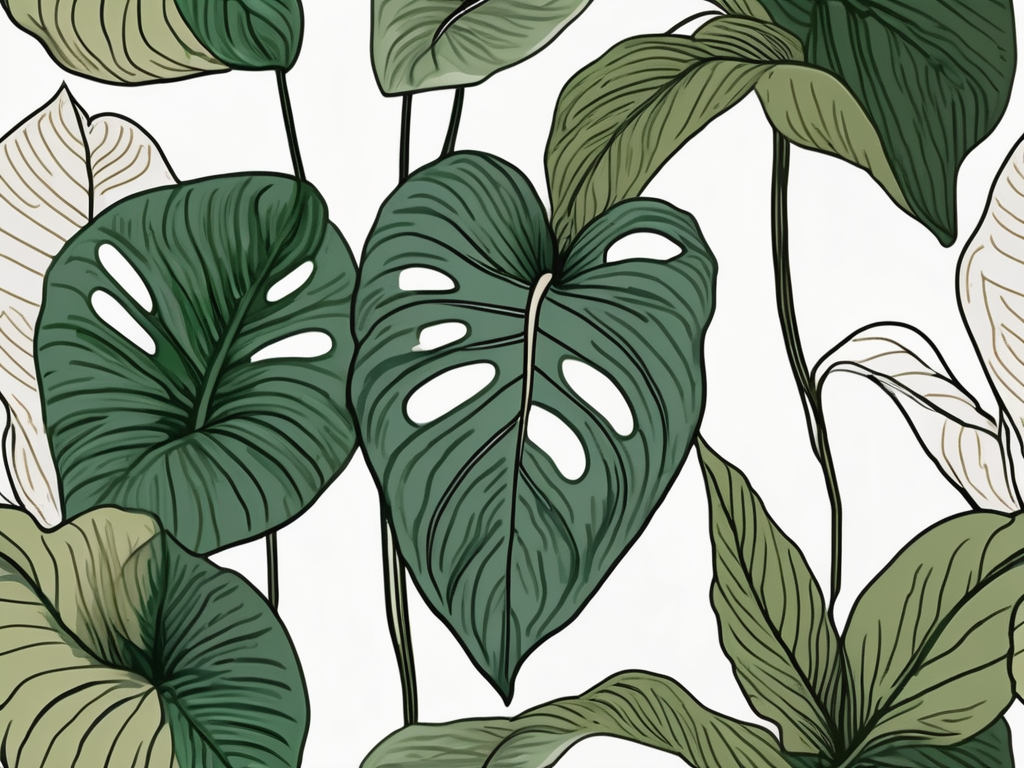
These plants are often called "Swiss cheese plants" because of the holes that develop in their leaves as they mature. These holes aren't just for show; they're an adaptation to their natural environment. In the wild, the perforations allow light and rain to filter through to the lower leaves, helping the plant thrive in the dense rainforest canopy.
Interestingly enough, the Monstera Deliciosa has a quirky habit of "sweating" or dripping water from its leaves. This process, called guttation, occurs when the plant takes up more water than it can transpire. While it might be a bit startling to see droplets forming on your plant's leaves, it's a normal part of its physiology and a sign that it's healthy and well-hydrated.
Watering Your Monstera Deliciosa
Proper watering is crucial for keeping your Monstera happy and healthy. Overwatering is a common mistake that can lead to root rot and other issues. So, how do you strike the right balance? Here are some handy tips:
- Check the soil: Before watering, stick your finger into the soil about an inch deep. If it feels dry, it's time to water. If it's still damp, wait a few more days.
- Use the right container: Make sure your pot has drainage holes. This prevents water from pooling at the bottom and causing root rot.
- Be consistent: Try to water your Monstera at the same time each week. This helps the plant establish a routine and can prevent over- or under-watering.
- Adjust for the seasons: During the growing season (spring and summer), your Monstera may need more water. In fall and winter, you can cut back a bit.
While guttation is normal, if you notice excessive water dripping from your Monstera, it might be a sign of overwatering. Adjust your watering schedule accordingly and keep an eye on the plant's overall health.
Choosing the Right Light
Light is another important factor in your Monstera's well-being. These plants thrive in bright, indirect light, similar to the dappled sunlight they would receive in their natural rainforest habitat. Here's how to provide the best lighting conditions:
- Bright, indirect light: Place your Monstera near a north or east-facing window where it can receive plenty of filtered sunlight.
- Avoid direct sun: Direct sunlight can scorch the leaves, causing them to turn brown or yellow. If your plant is near a south or west-facing window, consider using sheer curtains to diffuse the light.
- Rotate regularly: To encourage even growth, rotate your Monstera every few weeks. This ensures all sides receive equal light exposure.
- Artificial lighting: If natural light is limited, you can supplement with grow lights. Just be sure to place the lights at a safe distance to prevent leaf burn.
A Monstera that's getting the right amount of light will have vibrant, glossy leaves and will grow steadily. If your plant seems leggy or its leaves are smaller than usual, try adjusting its light exposure.
Soil and Potting Mix
The type of soil you use can significantly impact your Monstera's health. These plants prefer a well-draining potting mix that retains some moisture without becoming waterlogged. Here are some tips for creating the perfect soil environment:
- Use a high-quality potting mix: Look for a mix that includes peat moss, pine bark, and perlite. This combination provides good drainage and aeration while retaining moisture.
- Consider adding supplements: You can enhance the soil by adding extra perlite or orchid bark for improved drainage. This is especially helpful if you tend to overwater.
- Repot when necessary: Monsteras can grow quite large, and they may eventually outgrow their pots. Repotting every couple of years ensures the roots have enough space to spread.
- Avoid heavy soils: Dense soils can lead to poor drainage and root rot. Stick to light, airy mixes that allow air and water to flow freely.
Keeping an eye on your Monstera's roots is essential. If they start poking out of the drainage holes or circling the pot's edges, it's time to repot into a larger container.
Fertilizing Your Monstera Deliciosa
Fertilization plays a crucial role in your Monstera's growth and vitality. While these plants aren't heavy feeders, they do appreciate a little extra nourishment during the growing season. Here's how to fertilize effectively:
- Choose the right fertilizer: A balanced, water-soluble fertilizer with an N-P-K ratio of 20-20-20 works well for Monsteras.
- Follow the schedule: Fertilize every 4-6 weeks during spring and summer when the plant is actively growing. In fall and winter, you can skip feeding as the plant's growth slows.
- Avoid over-fertilization: Too much fertilizer can lead to salt buildup and root burn. Always follow the package instructions and err on the side of caution.
- Watch for signs of deficiency: If your Monstera's leaves appear pale or its growth seems stunted, it might need more nutrients. Adjust your fertilization schedule accordingly.
Fertilizing your Monstera helps it maintain its lush appearance and encourages new leaf development. Just remember, moderation is key to avoid overwhelming your plant.
Pruning and Maintenance
Pruning is an essential part of Monstera care. Not only does it help maintain the plant's shape, but it also promotes healthy growth. Here's how to keep your Monstera looking its best:
- Use clean tools: Always use sterilized scissors or pruning shears to avoid introducing diseases to your plant.
- Trim damaged leaves: Remove any yellowing or damaged leaves to encourage new growth and prevent the spread of potential infections.
- Control the size: Monsteras can get quite large, so if space is an issue, don't hesitate to prune back some of the larger stems.
- Encourage bushiness: Pruning the tips of your Monstera can stimulate branching, resulting in a fuller, bushier appearance.
Regular pruning not only keeps your Monstera looking tidy but also allows you to propagate cuttings for new plants. It's a great way to share your love of Monsteras with friends or expand your indoor jungle!
Dealing with Pests and Diseases
Like any plant, the Monstera Deliciosa can fall victim to pests and diseases. Luckily, with a little vigilance, you can keep your plant healthy and pest-free. Here's what to watch for:
- Common pests: Spider mites, mealybugs, and scale are the usual suspects when it comes to Monstera pests. Regularly inspect your plant's leaves and stems for signs of infestation.
- Natural remedies: For a mild infestation, try wiping the leaves with a damp cloth or using a spray of water mixed with a few drops of dish soap.
- Insecticidal soap: For more severe infestations, consider using insecticidal soap or neem oil. Always follow the product instructions and test on a small area first.
- Preventative measures: Keep your Monstera in a well-ventilated area and avoid overcrowding with other plants to reduce the risk of pests.
Diseases are less common but can occur if your plant's environment isn't ideal. Root rot is a typical issue caused by overwatering. Ensure your pot has proper drainage and adjust your watering habits to prevent this problem.
Incorporating Monstera Deliciosa into Your Home Decor
The Monstera Deliciosa isn't just a plant; it's a statement piece. Its bold leaves can transform any room into a tropical paradise. Here are some creative ways to incorporate this beautiful plant into your home decor:
- Focal point: Use your Monstera as a focal point in a room. Its large, dramatic leaves naturally draw the eye and can anchor your space's design.
- Pair with other plants: Monsteras pair well with other tropical plants like Birds of Paradise or Philodendrons. Together, they create a lush, cohesive look.
- Stylish containers: Choose a pot that complements your decor style. Whether it's a sleek modern planter or a rustic terracotta pot, the right container can enhance your Monstera's beauty.
- Vertical growth: Train your Monstera to climb using a moss pole or trellis. This not only supports the plant but adds vertical interest to your space.
With its striking appearance and versatile nature, the Monstera Deliciosa can fit seamlessly into any decor style, from bohemian to contemporary.
Propagation: Sharing the Monstera Love
One of the joys of owning a Monstera is the ability to propagate it and share its beauty with others. Propagation is easy and can be achieved through stem cuttings. Here's a step-by-step guide:
- Select a healthy stem: Choose a stem with at least one node and a healthy leaf. The node is where new roots will develop.
- Make the cut: Using clean, sharp scissors, cut just below the node. Ensure the cutting is about 4-6 inches long.
- Root in water or soil: You can place the cutting in a jar of water or directly into a pot with soil. If using water, change it every few days to keep it fresh.
- Provide the right conditions: Keep the cutting in a warm, well-lit area but out of direct sunlight. Roots should start to develop in a few weeks.
- Transplant when ready: Once the roots are a few inches long, you can plant the cutting into a pot with soil.
Propagation is not only a fun project but also a cost-effective way to expand your plant collection. Plus, it's a great opportunity to share the Monstera love with friends and family.
Final Thoughts
From its striking appearance to its unique water-dripping habit, the Monstera Deliciosa is a plant that never fails to impress. By understanding its needs and providing the right care, you can enjoy the beauty and intrigue of this tropical wonder in your own home.
At Cafe Planta, we believe in the power of plants to transform spaces and connect people. Whether you're looking for new plant friends or need advice on plant care, we're here to help. Feel free to email us or send us a message on our Instagram. Let's grow together! 🌿