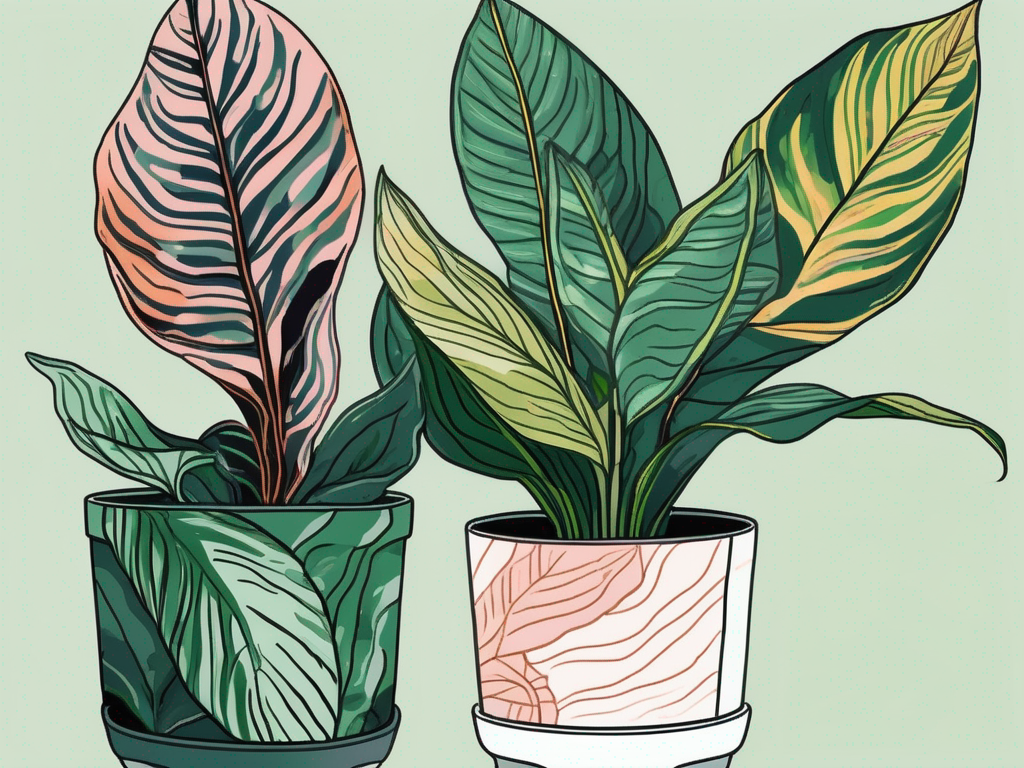
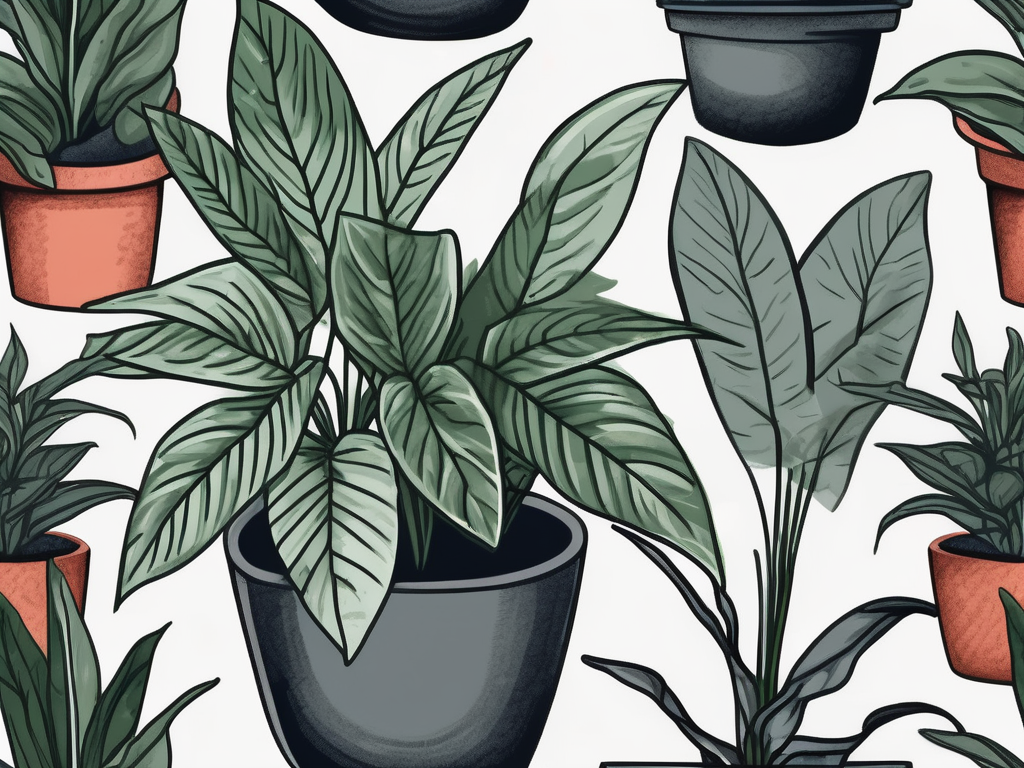
Have you ever stumbled upon a plant with waxy leaves and clusters of star-shaped flowers, only to find out it's a Hoya? These charming plants have captivated many plant lovers with their unique appearance and ease of care. But what about the science behind their name? Let's unpack the scientific naming of Hoya and discover why these plants are such a popular choice for indoor gardens.
In this article, we'll explore the origins of the Hoya's scientific name, delve into the various species, and share some practical tips for caring for these beautiful plants. Whether you're a seasoned plant parent or a curious newcomer, you're sure to find some valuable insights and inspiration.
Understanding the Scientific Name
The scientific naming of plants, known as botanical nomenclature, is a system used to give each plant a unique name. This system helps in identifying plants universally, avoiding confusion that common names can sometimes cause. The Hoya plant is a part of this system, and its scientific name is derived from its unique characteristics and history.
Named after Thomas Hoy, an 18th-century botanist and gardener, the genus Hoya belongs to the Apocynaceae family. Hoy was known for his work with tropical plants in the Duke of Northumberland's gardens in England. Naming this genus after him was a tribute to his contributions to botany.
Hoyas are often called "wax plants" due to the waxy texture of their leaves and flowers. The name "Hoya" is often followed by a species name, which is a Latin word that describes a specific characteristic of that species. For example, Hoya carnosa refers to one of the most popular species, known for its flesh-like, succulent leaves.
A Glimpse into the Hoya Family
Hoyas are a diverse group of plants, with over 200 recognized species. They are native to Asia, Australia, and the Pacific Islands, thriving in a range of climates and conditions. Each species has its own unique look and growing requirements, making the Hoya family a fascinating topic to explore.
Some popular species include:
- Hoya carnosa: Known for its thick, waxy leaves and clusters of star-shaped flowers, this species is a staple in many indoor gardens.
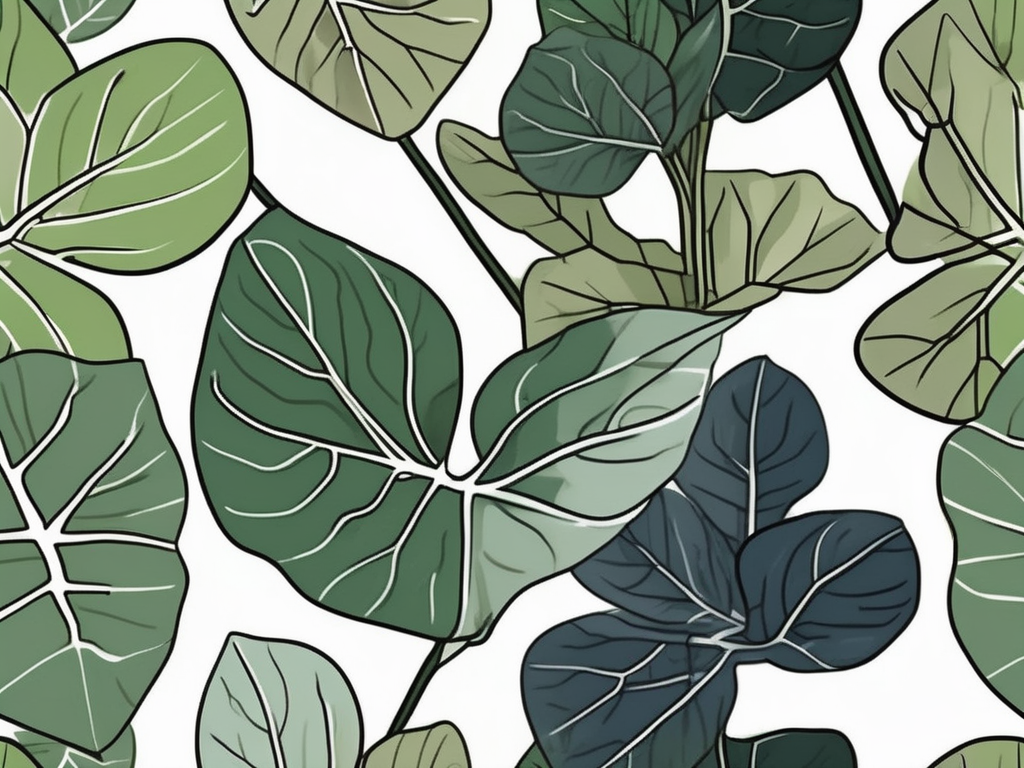
- Hoya kerrii: Often called the "Sweetheart Hoya" due to its heart-shaped leaves, this plant is a popular choice for Valentine's gifts.
- Hoya pubicalyx: This species is famous for its fragrant, pinkish flowers, which can add a lovely scent to your home.
Each of these species has its own charm and care requirements, making it important to know which type of Hoya you have or want to add to your collection. The scientific name not only provides clues to its origin but also helps in understanding the specific needs of the plant.
Choosing the Right Hoya for Your Space
Picking a Hoya plant for your home is not just about aesthetics; it's also about finding a plant that fits your environment and lifestyle. Hoyas come in various shapes and sizes, from trailing vines to compact, bushy forms.
When selecting a Hoya, consider the following:
- Lighting: Hoyas generally prefer bright, indirect light. If you have a spot that receives filtered sunlight, a Hoya might be the perfect addition.
- Space: Some Hoyas can trail several feet, while others remain small and manageable. Think about where you want to place your plant and choose accordingly.
- Watering Routine: Hoyas are relatively easy to care for, but their watering needs can vary. Make sure you're comfortable with the care routine of the specific species you choose.
Once you've considered these factors, you'll be well on your way to finding the perfect Hoya for your home. And remember, the scientific name can offer valuable insights into the plant's characteristics and requirements.
Caring for Your Hoya
While Hoyas are known for being low-maintenance, they do have specific needs that ensure they thrive. Let's break down the essentials of Hoya care.
Light and Temperature: As tropical plants, Hoyas love warmth and humidity. They prefer bright, indirect sunlight and temperatures between 60-80°F. If possible, place your Hoya near a window with filtered light.
Watering: Overwatering is a common mistake with Hoyas. Allow the soil to dry out slightly between waterings. During the growing season (spring and summer), you might need to water more frequently. In the dormant months (fall and winter), reduce watering.
Soil and Fertilization: Hoyas prefer well-draining soil. You can use a mix of potting soil, perlite, and orchid bark. Fertilize your plant every 4-6 weeks during the growing season with a balanced, water-soluble fertilizer.
By following these basic care tips, your Hoya will flourish and reward you with beautiful foliage and blooms.
Dealing with Common Pests and Diseases
Just like any other houseplant, Hoyas can fall prey to pests and diseases. However, with a bit of vigilance and care, you can keep your Hoya healthy.
Common Pests: Hoyas can attract pests like mealybugs, spider mites, and aphids. Regularly check your plant for signs of these pesky invaders. A gentle spray of water or a solution of mild soap and water can help keep them at bay.
Diseases: Root rot is a common issue with Hoyas, often caused by overwatering. Ensure your pot has good drainage and avoid letting the plant sit in water. If you notice yellowing leaves, it might be time to check the roots.
By keeping an eye on your plant and taking quick action, you can prevent most pest and disease issues.
Propagating Your Hoya
One of the joys of owning a Hoya is the ability to propagate it and share with friends or expand your collection. Propagation is relatively straightforward and can be done through stem cuttings.
Here's a simple guide to propagating your Hoya:
- Choose a healthy stem with at least two nodes (the small bumps where leaves grow).
- Cut just below a node using clean, sharp scissors.
- Remove any leaves from the bottom node, leaving a few leaves at the top.
- Place the cutting in water or a well-draining soil mix.
- Keep the cutting in a warm, bright spot, and change the water regularly if using the water method.
In a few weeks, you should see roots developing. Once the roots are a couple of inches long, you can pot the cutting in soil and watch your new Hoya grow.
Incorporating Hoyas into Your Home Decor
Hoyas aren't just easy to care for; they're also incredibly versatile when it comes to home decor. With their trailing vines and unique foliage, they can add a touch of greenery to any room.
Here are a few ideas for incorporating Hoyas into your decor:
- Hanging Planters: Use hanging planters to showcase trailing Hoyas, allowing their vines to cascade down.
- Bookshelf Beauties: Place a compact Hoya on a bookshelf for a pop of green among your favorite reads.
- Window Sill Wonders: Smaller Hoyas can thrive on window sills, where they receive the perfect amount of indirect light.
By creatively placing your Hoyas, you can add life to any space while enjoying the benefits of indoor plants.
Why Hoyas Make Great Gifts
Looking for a unique gift for a plant-loving friend? Hoyas might be the perfect choice. Their easy-care nature and beautiful blooms make them a thoughtful and lasting gift.
Here are a few reasons why Hoyas make great gifts:
- Symbolism: Hoyas symbolize friendship and love, making them a meaningful gift for special occasions.
- Low Maintenance: Even beginner plant parents can successfully care for a Hoya, thanks to their forgiving nature.
- Variety: With so many species to choose from, you can find a Hoya that matches the recipient's taste and home decor.
So, the next time you're searching for a plant gift, consider a Hoya. Your friend will appreciate the thought and enjoy a beautiful new plant.
Frequently Asked Questions about Hoyas
It's natural to have questions when caring for Hoyas. Let's address some common queries to help you become a confident Hoya owner.
How often should I water my Hoya? The frequency of watering depends on the environment. Generally, allow the top inch of soil to dry out before watering again. In the growing season, water more frequently, and reduce watering in the dormant months.
Why isn't my Hoya blooming? Hoyas need bright, indirect light to bloom. If your plant isn't flowering, try moving it to a brighter spot. Patience is also key, as some Hoyas take time to mature and bloom.
Can I grow Hoyas outdoors? Hoyas can be grown outdoors in warm climates. Ensure they're protected from direct sunlight and harsh weather conditions. In colder regions, bring them indoors during winter.
By understanding the needs of your Hoya, you can enjoy a thriving plant that brings beauty and greenery into your home.
Final Thoughts
Hoyas, with their unique beauty and straightforward care requirements, are a wonderful addition to any plant collection. From understanding their scientific name to incorporating them into your home decor, these plants offer endless possibilities and joy.
At Cafe Planta, we're here to help you on your plant journey. Whether you're looking for a new Hoya or need advice on plant care, feel free to reach out by email or through our Instagram. We believe in the power of plants to connect us with nature and each other, and we're excited to share that passion with you.