Iron Cross Begonia, with its striking foliage and unique pattern, is a favorite among plant lovers. But have you ever wondered about its scientific name and what it reveals about this fascinating plant?
In this article, we’ll explore the scientific name of the Iron Cross Begonia, unpack its history, dive into its care requirements, and even touch on how you can incorporate it into your home decor. By the end, you’ll have a full understanding of this remarkable plant.
The Origins of Iron Cross Begonia
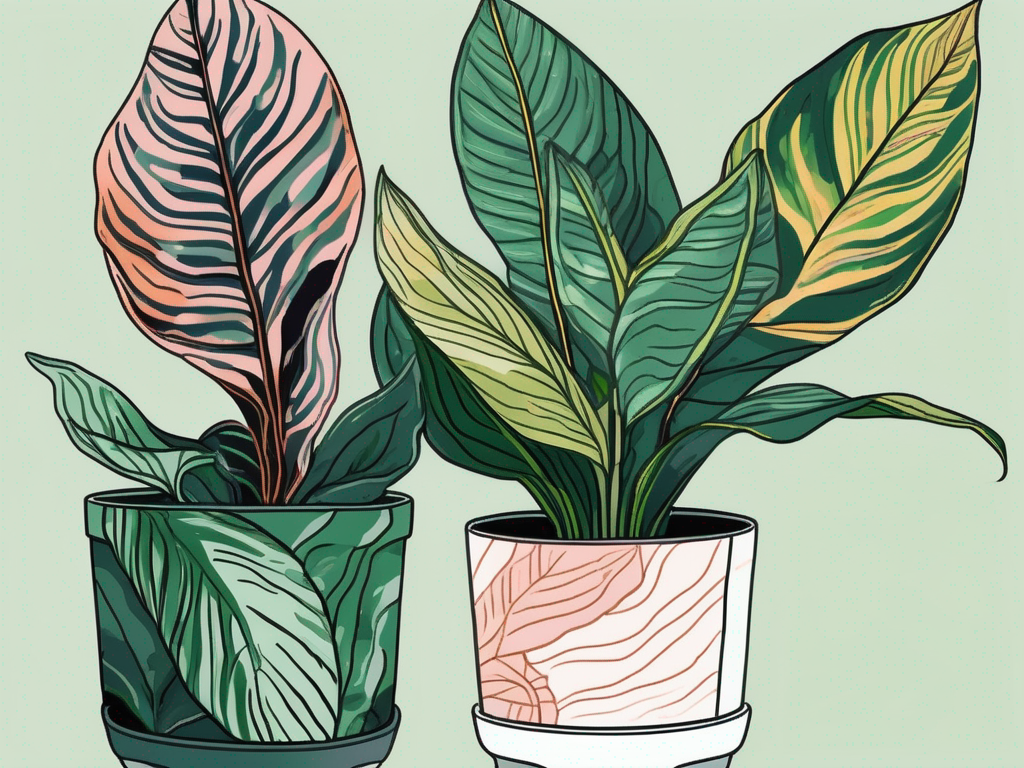
The Iron Cross Begonia, scientifically known as Begonia masoniana, is a species that captivates with its distinct leaf patterns. These patterns resemble an iron cross, hence the name. But how did this begonia come to be?
Originating from the lush forests of southern China, the Iron Cross Begonia was discovered in the early 1950s. These forests provided the perfect conditions for the begonia to thrive, with their consistent humidity and dappled sunlight filtering through the canopy. It was named after a gardener named Mason, which is where the species name, masoniana, comes from. Isn’t it wonderful how names can tell a story?
In its native habitat, the Iron Cross Begonia grows in the understory of forests, where it can enjoy the humid air and indirect light. This environmental preference has shaped its care requirements, which we’ll get into a bit later. But for now, know that understanding its origins can give you clues about how to best care for this plant in your home.
Understanding the Scientific Name: Begonia masoniana
So, what’s in a name? Quite a lot, actually. The scientific name Begonia masoniana gives us valuable insights into the plant’s classification and characteristics.
The genus Begonia encompasses a vast family of plants, known for their vibrant flowers and diverse foliage. This particular genus includes over 1,800 different species, making it one of the largest groups of flowering plants. What makes begonias especially interesting is their adaptability; they can be terrestrial, epiphytic, or lithophytic, thriving in a range of environments from rainforests to rocky outcrops.
The species name, masoniana, pays homage to the plant’s discoverer, as is common in botanical nomenclature. These scientific names are not just arbitrary labels; they are carefully chosen to reflect the plant’s unique characteristics and history. By using Latin, scientists ensure that the name is standardized and understood worldwide, avoiding confusion that can arise from common names, which often vary by region.
Caring for Your Iron Cross Begonia
Now that we know where it comes from and what its name means, let’s talk about how to keep your Iron Cross Begonia happy and healthy. As with any plant, understanding its natural environment will help you replicate those conditions at home.
Light Requirements
Iron Cross Begonia prefers bright, indirect light. Direct sunlight can scorch its leaves, leaving unsightly burn marks. If you place your begonia near a window, make sure it’s filtered through a sheer curtain or blinds. A north or east-facing window often works well.
Watering Needs
Begonias like their soil to be consistently moist but not waterlogged. Overwatering can lead to root rot, a common issue with these plants. Aim to water when the top inch of soil feels dry to the touch. It’s always better to under-water slightly than to overdo it.
Humidity and Temperature
Given its tropical origins, the Iron Cross Begonia loves humidity. If your home is on the dry side, especially during winter months, consider using a humidifier or placing a tray of water near the plant to increase the humidity. The temperature should be kept between 60-75°F (15-24°C) for optimal growth.
Potting and Soil Considerations
Choosing the right pot and soil mixture is essential for the well-being of your Iron Cross Begonia. The right combination will support root health and prevent common issues like root rot.
Best Soil Mix
A well-draining soil mix is crucial. You can create a suitable mix by combining:
- 1 part potting soil
- 1 part perlite or vermiculite
- 1 part peat moss or coco coir
This blend allows for good drainage while retaining enough moisture for the plant.
Choosing the Right Pot
When it comes to pots, opt for one with drainage holes to prevent water from pooling at the bottom. Terra cotta pots are a great choice as they allow for air circulation, which can help keep the soil from becoming too moist.
Repotting should be done every couple of years or when you notice the roots starting to outgrow their container. This is also an excellent opportunity to refresh the soil and check on root health.
Dealing with Pests and Diseases
Like any plant, the Iron Cross Begonia is not immune to pests and diseases. However, with a bit of vigilance, you can keep your plant healthy and thriving.
Common Pests
Some pests to watch out for include:
- Spider mites: These tiny pests often appear as small dots on the underside of leaves and can cause stippling or browning.
- Aphids: These can cluster on new growth, causing leaves to curl and become distorted.
- Mealybugs: They appear as white, cottony masses on the plant and can sap the vigor from your begonia.
To manage these pests, consider using neem oil or insecticidal soap. Regularly inspect your plant to catch infestations early.
Preventing Diseases
Diseases like powdery mildew or root rot can also affect your begonia. Here are some tips to prevent them:
- Ensure good air circulation around the plant.
- Avoid getting water on the leaves when you water.
- Do not let the plant sit in water; always empty the saucer after watering.
If you notice signs of disease, such as yellowing leaves or a powdery substance on the foliage, act quickly by removing affected leaves and adjusting care routines.
Incorporating Iron Cross Begonia into Home Decor
Beyond its care needs, the Iron Cross Begonia can be a stunning addition to your home decor. Its unique foliage can add a dash of interest and texture to any room.
Choosing the Right Spot
Because of its preference for indirect light, consider placing your begonia in a spot where it can thrive, such as a bright bathroom or a living room with filtered sunlight. Avoid high-traffic areas where it might get knocked over or damaged.
Complementary Decorations
The dark green and striking cross pattern of its leaves can pair beautifully with neutral or minimalist decor. Here are some ideas:
- Place it in a simple, white pot to highlight its vibrant leaves.
- Position it alongside other plants with contrasting leaf shapes and colors for a dynamic look.
- Use it as a centerpiece on a dining table or coffee table to draw attention.
Experiment with different placements until you find what suits your space and style best.
Propagating Your Iron Cross Begonia
One of the joys of having houseplants is the ability to propagate them, and the Iron Cross Begonia is no exception. Propagation can be a fun and rewarding process that allows you to share this beautiful plant with friends or expand your own collection.
Methods of Propagation
There are a few ways to propagate your Iron Cross Begonia:
- Leaf cuttings: Cut a healthy leaf with a bit of stem attached. Place it in water or directly into soil. If you choose water, wait until roots form before potting.
- Stem cuttings: Take a cutting with a few leaves and at least one node. Plant it in a soil mix, ensuring the node is buried to encourage root growth.
Both methods can be successful, but remember to keep the cuttings in a humid environment to prevent them from drying out. A plastic bag or clear container can help maintain humidity.
Patience and Care
Propagation can take time, so be patient. Maintain a consistently warm and humid environment, and soon enough, you’ll see new growth emerging from your cuttings. Once they have established roots, you can pot them up and begin treating them like mature plants.
Iron Cross Begonia in the World of Houseplants
The Iron Cross Begonia holds a special place among houseplants due to its distinctive appearance and relatively easy care. It’s a plant that can be enjoyed by both novice and experienced plant parents alike.
Popularity and Appeal
Its popularity stems from its unique foliage—no two leaves are exactly alike, and the striking cross pattern catches the eye. This makes it a desirable plant for those looking to add a bit of drama to their indoor garden.
Moreover, its care requirements are manageable for most people, making it a great choice for those who want a statement plant without a lot of fuss.
A Conversation Starter
When guests see an Iron Cross Begonia, it often prompts questions and admiration. It’s a plant with a story, from its origins in China to its discovery and naming. Sharing the background of this plant can be a delightful way to educate and share your love for houseplants with others.
Owning an Iron Cross Begonia isn’t just about having a pretty plant; it’s about being part of a community that appreciates the beauty and history of these fascinating organisms.
Challenges and Solutions
No plant is without its challenges, and the Iron Cross Begonia is no exception. However, with a bit of know-how, you can navigate these potential pitfalls.
Common Challenges
Some challenges you might face include:
- Leaf browning: Often caused by too much direct sunlight or inconsistent watering.
- Leggy growth: This can happen if the plant isn’t getting enough light.
- Pest infestations: As mentioned earlier, regular inspections can help catch these early.
Solutions and Tips
To deal with these challenges:
- Adjust the lighting conditions, perhaps by moving the plant to a different spot or using grow lights.
- Keep a consistent watering schedule, using a moisture meter if needed to prevent overwatering.
- Regularly clean the leaves with a damp cloth to keep them dust-free and healthy.
Remember, every plant is unique, and it may take some trial and error to find what works best for your Iron Cross Begonia.
Conclusion
From its intriguing name to its care requirements and decorative potential, the Iron Cross Begonia is truly a plant worth exploring. It offers both aesthetic appeal and a touch of history, enriching any plant collection.
At Cafe Planta, we’re passionate about helping you care for your plants. Whether you’re looking for new additions or advice, we’re here to support you. Feel free to email us or DM us on Instagram. Let’s grow together and make your indoor garden flourish!