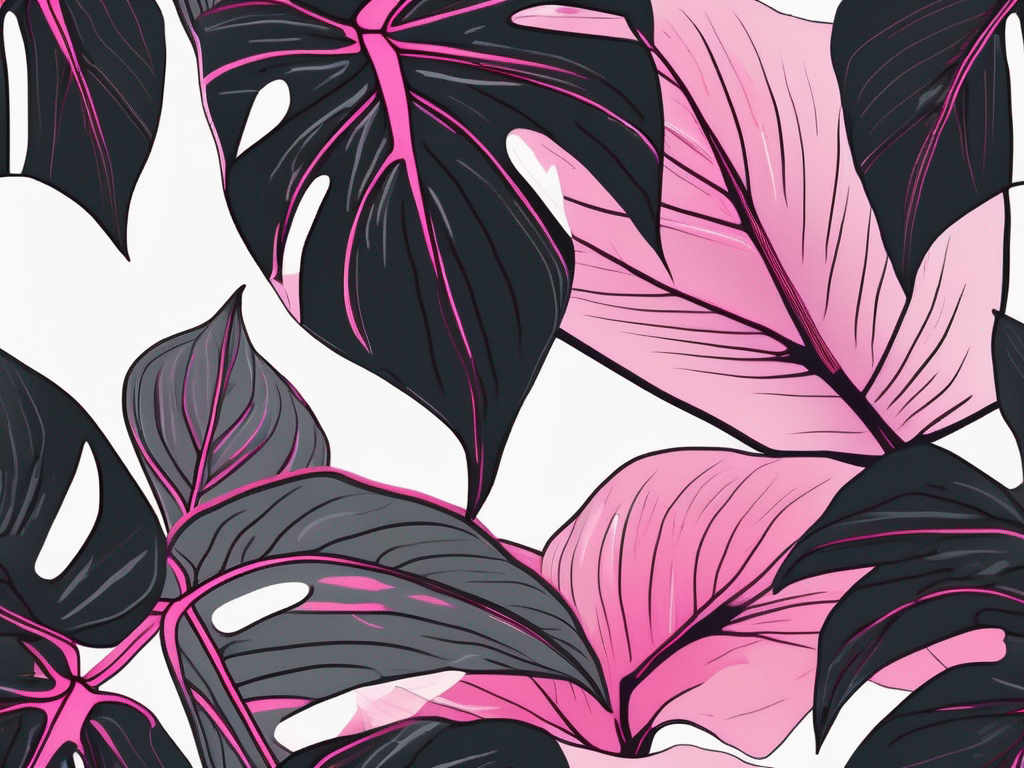
Ah, the Philodendron Pink Princess! With its enchanting pink and green leaves, it's no wonder this plant has captured the hearts of so many plant lovers. However, there's often some confusion surrounding its scientific name, and that's what we're here to unravel.
In this article, we'll take a closer look at the Philodendron Pink Princess. From its scientific classification to its unique characteristics, and even tips on how to care for it, you'll have a comprehensive understanding of this beautiful houseplant by the end.
The Scientific Name Behind the Beauty
When we talk about the Philodendron Pink Princess, we're looking at a plant that's part of the Araceae family. But what's its scientific name, you ask? Officially, it's known as Philodendron erubescens. This name gives us some insight into the plant's nature and lineage.
The term "Philodendron" comes from Greek, meaning "tree-loving," which makes sense given the plant's natural habitat in tropical, tree-filled regions. "Erubescens," on the other hand, translates to "reddening" or "blushing," a nod to the plant's stunning pink hues.
Understanding the scientific name not only helps in identifying the plant but also connects us to its origins. Whether you're a seasoned plant parent or just starting, knowing the proper name can enhance your appreciation and care for this beauty.
Origins and History: Where Did the Pink Princess Come From?
While the Philodendron Pink Princess has been making waves in the houseplant scene, its roots trace back to the rainforests of South America. Native to Colombia and surrounding areas, this plant thrives in humid, tropical environments.
Interestingly enough, the Pink Princess isn't a naturally occurring species. It's a cultivar, meaning it's been selectively bred for its unique coloration. Plant breeders have taken the base plant, Philodendron erubescens, and enhanced its pink variegation, creating the stunning look that plant people have come to love.
This selective breeding process isn't just about aesthetics. It also involves ensuring the plant maintains its robust growth habits and adaptability to indoor environments. As a result, the Pink Princess is not only beautiful but also relatively easy to care for, making it a popular choice among plant parents.
Characteristics That Make It Stand Out
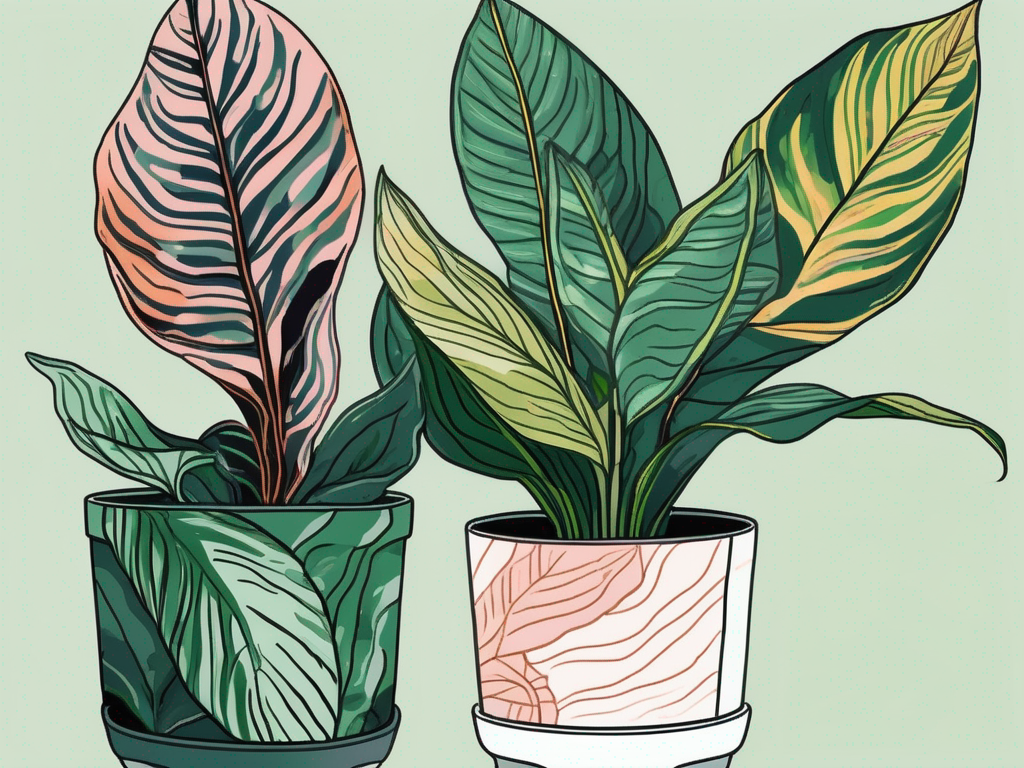
What sets the Philodendron Pink Princess apart from other houseplants? For starters, its striking leaves are a showstopper. The mix of dark green and vibrant pink variegation creates an eye-catching contrast that's hard to miss.
Each leaf is unique in its pattern, with some showing more pink than others. This unpredictable variation is part of the plant's charm. The leaves are also heart-shaped, adding to its visual appeal and making it a favorite for those looking to add a touch of romance to their homes.
Beyond its looks, the Pink Princess is known for its vining growth habit. This means it can be trained to climb a trellis or allowed to cascade from a hanging pot, offering versatility in how you display it. Additionally, it's a relatively fast grower, especially when provided with the right conditions, which we'll discuss in more detail later.
Caring for Your Philodendron Pink Princess
Now that we've covered its background and characteristics, let's get into the nitty-gritty of caring for your Pink Princess. While it's not the most demanding plant, it does have some specific needs to keep it looking its best.
Light Requirements
The Pink Princess thrives in bright, indirect light. Direct sunlight can scorch its leaves, while too little light can cause the pink variegation to fade. If you notice the pink turning more green, it might be an indication that it needs more light.
- Place it near an east or west-facing window with filtered light.
- Consider using sheer curtains to diffuse direct sunlight.
Watering Tips
Getting the watering right is crucial for keeping your Pink Princess healthy. Typically, it prefers a consistent watering schedule, allowing the top inch of soil to dry out between waterings.
- Use your finger to check the soil moisture level.
- Water deeply, ensuring excess water drains out of the pot.
- Avoid letting the plant sit in water to prevent root rot.
Humidity and Temperature
Given its tropical origins, the Pink Princess loves humidity. Aim for a humidity level of around 60%, which can be achieved by misting the plant or using a humidifier.
- Keep it away from drafts and sudden temperature changes.
- Maintain a warm environment, ideally between 65-80°F (18-27°C).
Pest Management: Keeping Your Plant Healthy
Even the hardiest plants can encounter pests, and the Pink Princess is no exception. Common pests include spider mites, aphids, and mealybugs, which can be managed with some diligence and attention.
Regularly inspecting your plant is the first line of defense. Look for any signs of pests like webbing, sticky residue, or a general decline in the plant's health. Catching them early makes management much easier.
If you spot any unwelcome visitors, here's what you can do:
- Remove: Gently wipe down the leaves with a damp cloth to remove visible pests.
- Spray: Use insecticidal soap or neem oil as a natural remedy to deter pests.
- Isolate: Keep the affected plant away from others to prevent spreading.
These steps will help you maintain a healthy Pink Princess and prevent future pest issues.
Potting and Soil Considerations
Choosing the right pot and soil is just as important as light and water. For your Pink Princess, you'll want soil that offers good drainage but retains enough moisture to keep the roots happy.
Soil Mix
A well-draining potting mix is essential. Consider using a mix specifically for aroids, or create your own using the following:
- 1 part peat moss or coco coir
- 1 part perlite or coarse sand
- 1 part orchid bark or pine bark
This mix provides the right balance of aeration and moisture retention, which is vital for healthy root development.
Pot Selection
When it comes to pots, drainage is key. Choose a pot with adequate drainage holes to prevent waterlogged soil. Terra cotta pots are a good choice as they allow for air circulation, keeping the roots from getting too damp.
Remember that the size of the pot matters too. A pot that's too large can hold excess moisture, while one that's too small can restrict growth. Aim for a pot that's only slightly larger than the root ball.
Propagation: Growing Your Pink Princess Collection
If you're looking to expand your collection or share the love with friends, propagating your Philodendron Pink Princess is a rewarding process. Stem cuttings are the most common method, and it's fairly straightforward.
Steps to Propagate
- Choose a healthy stem: Look for a stem with at least two nodes, as these are the potential root and leaf growth points.
- Make the cut: Using clean, sharp scissors, cut the stem just below a node.
- Rooting medium: Place the cutting in water or a well-draining soil mix. If using water, change it regularly to keep it fresh.
- Provide proper conditions: Ensure the cutting receives bright, indirect light and maintain humidity to encourage root growth.
- Be patient: It can take several weeks for roots to develop. Once they’re a few inches long, transplant the cutting into soil.
This process allows you to enjoy more Pink Princess plants and perhaps even share them with fellow plant people!
Designing with the Philodendron Pink Princess
Beyond its care, the Pink Princess offers incredible design potential. With its striking colors, it can complement various interior styles, from minimalist to bohemian.
Here are some ideas to incorporate this plant into your home decor:
- Statement piece: Place it on a plant stand in a well-lit corner to draw attention.
- Hanging beauty: Allow its vines to cascade from a hanging planter for a dynamic look.
- Group with others: Combine it with other plants with contrasting foliage to create a lush display.
Experiment with different arrangements to see what feels right in your space. The Pink Princess's unique appearance can be a conversation starter and a focal point in any room.
Common Challenges and How to Overcome Them
Like any plant, the Philodendron Pink Princess can face some challenges. Here are a few common issues and how to address them:
Fading Pink Variegation
If you notice the pink fading, it could be due to insufficient light. Ensure the plant receives bright, indirect light and consider moving it closer to a window.
Yellowing Leaves
Yellow leaves often indicate overwatering. Check the soil and adjust your watering routine, allowing the top inch to dry out between sessions.
Slow Growth
If your plant isn't growing as expected, it might need more nutrients. Consider feeding it with a balanced, water-soluble fertilizer during the growing season to boost its energy.
Tackling these issues head-on ensures your Pink Princess remains a vibrant and healthy addition to your plant collection.
Final Thoughts
The Philodendron Pink Princess is undoubtedly a showstopper, both in terms of its scientific intrigue and its aesthetic appeal. With the right care, it can thrive and bring joy to any plant lover's home.
At Cafe Planta, we believe in the power of plants to transform spaces and connect people. Whether you're seeking advice, a new plant to love, or just want to chat about greenery, we're here for you. Feel free to email us or reach out on Instagram. Let's grow together!