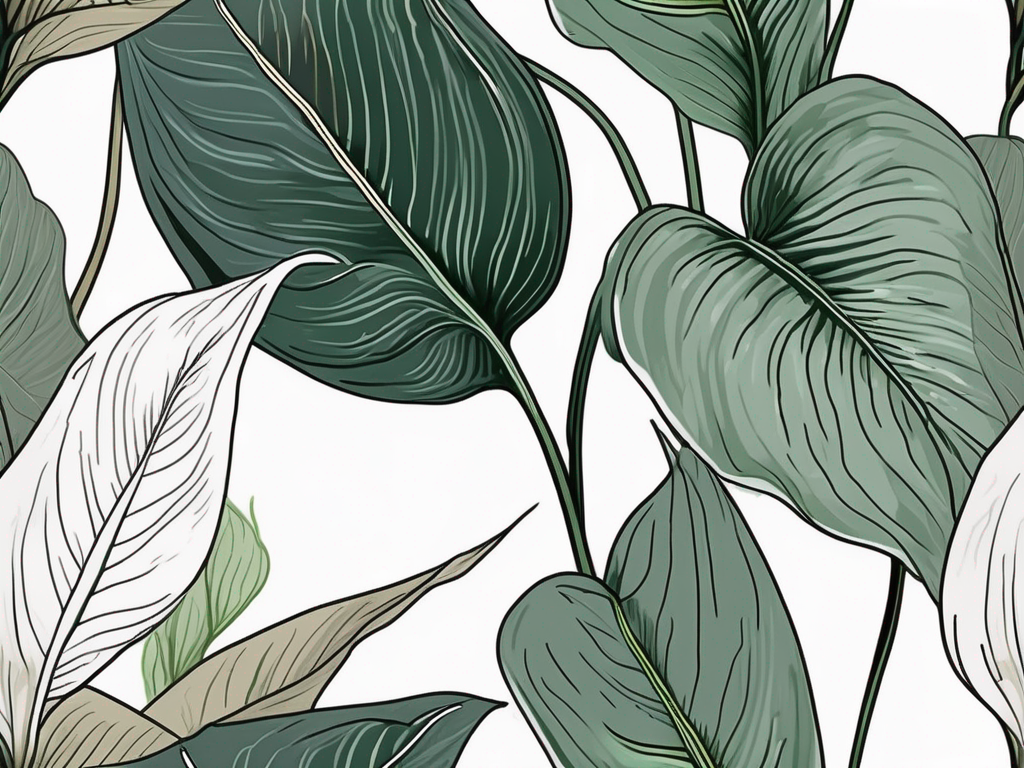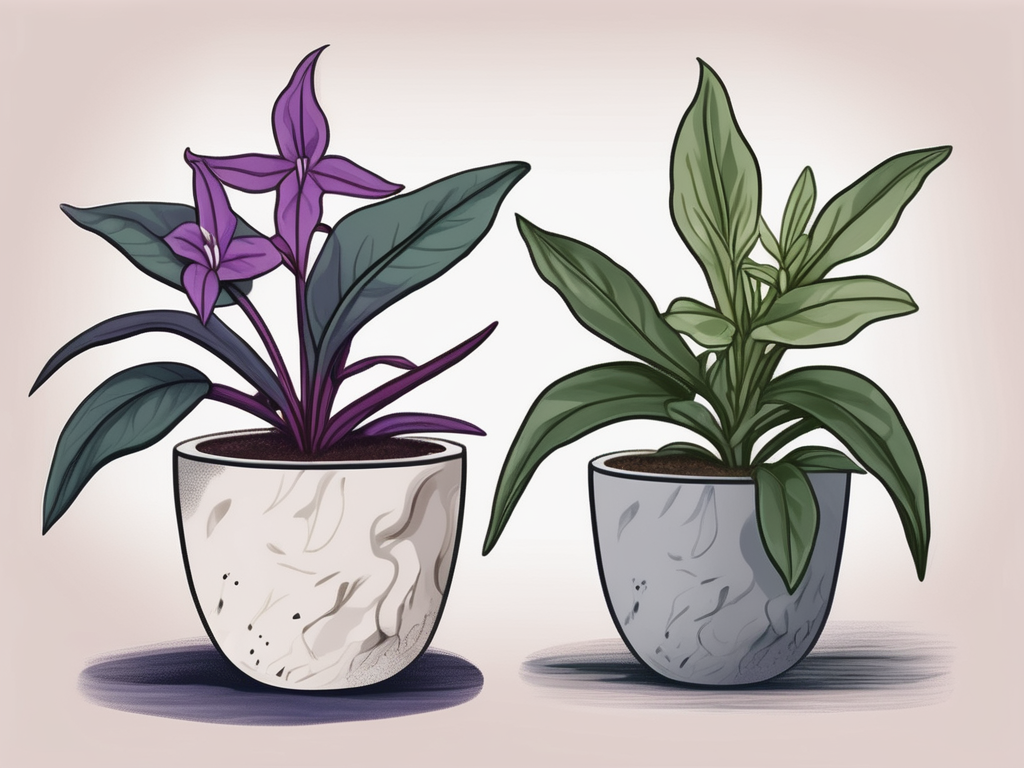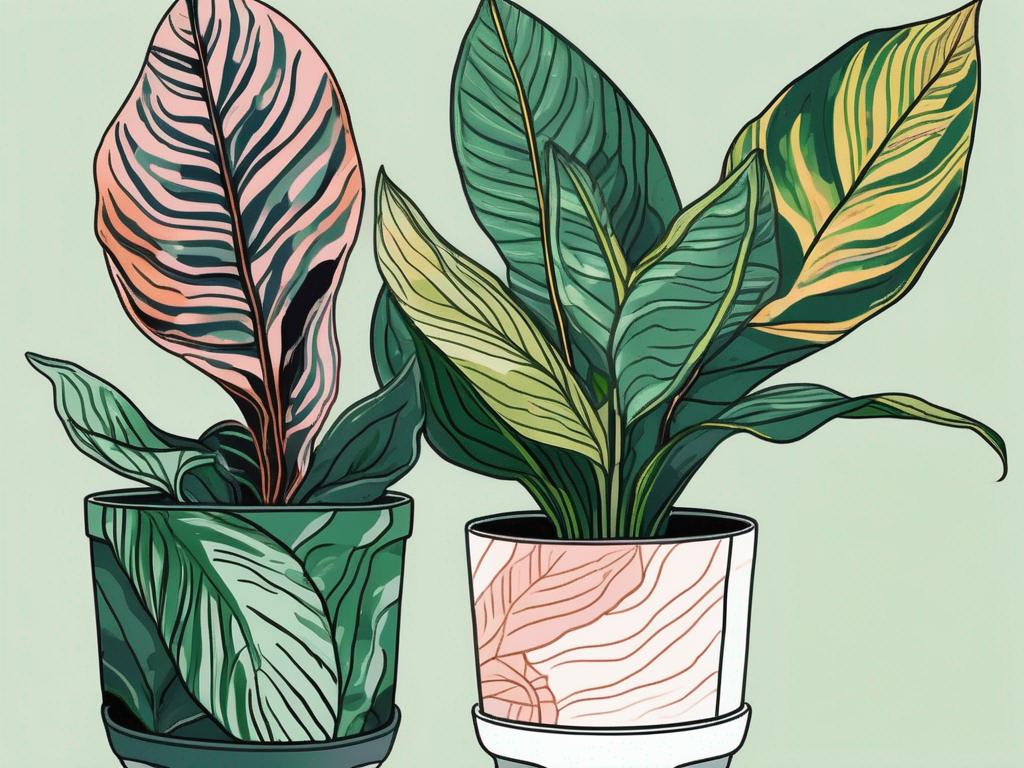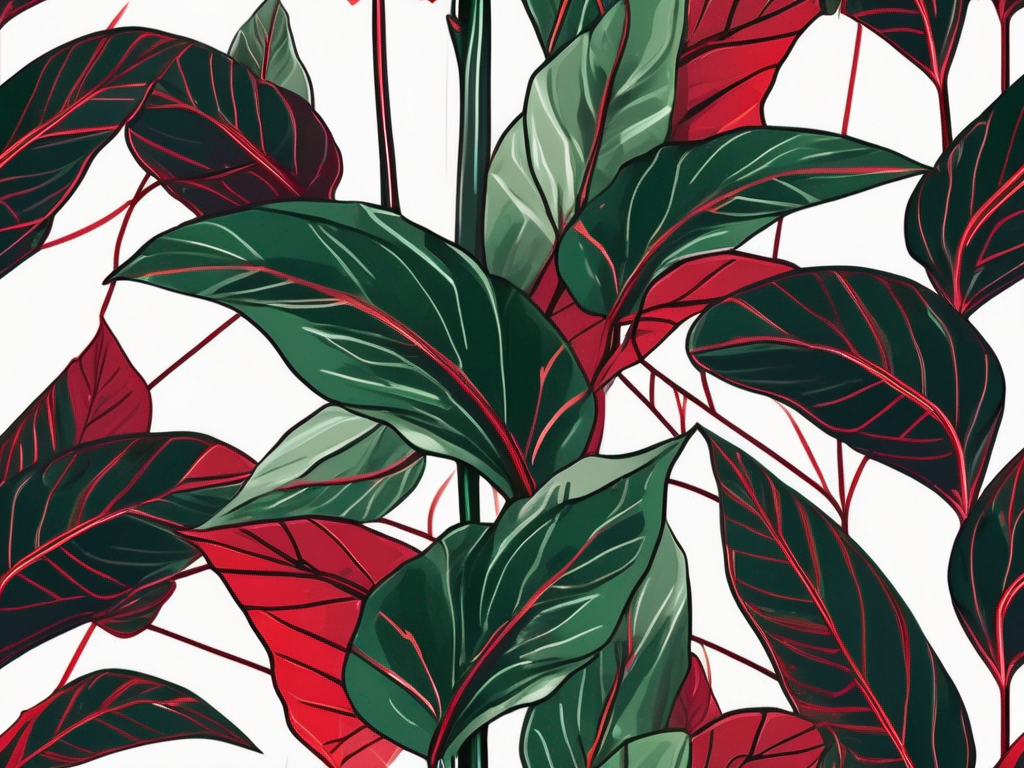
Philodendrons are loved by many for their lush foliage and easy-going nature, and the Philodendron Red Emerald is no exception. Its vibrant red stems and deep green leaves make it a standout plant in any collection.
In this article, we're going to explore the scientific name of this stunning plant and delve into some practical tips for caring for and styling it in your home. Whether you're a seasoned plant parent or just starting out, there's something here for everyone.
The Scientific Name of Philodendron Red Emerald
When it comes to naming plants, scientific names can sound a bit intimidating. But don't worry, they're just a way to identify plants universally, ensuring that plant people all over the world are talking about the same species.
The Philodendron Red Emerald is officially known as Philodendron erubescens. The name "erubescens" comes from Latin, meaning "reddening" or "blushing," which perfectly describes the plant's striking red stems. This species hails from Colombia, where it's found climbing trees in the tropical rainforests.
Now, why is knowing the scientific name important? Well, it helps ensure you're getting the right plant. Common names can vary from one region to another, but the scientific name remains consistent. So, when you're shopping or researching, using the scientific name can save you a lot of confusion.
Caring for Your Philodendron Red Emerald
Once you've got your hands on a Philodendron Red Emerald, the next step is ensuring it thrives. While this plant isn't particularly fussy, it does have some preferences.
Light Requirements
Philodendrons generally prefer bright, indirect light. Imagine the dappled sunlight filtering through the canopy of a rainforest. That's the kind of light your Red Emerald craves. Too much direct sunlight can scorch its leaves, while too little light can slow its growth.
If your plant's leaves start to lose their vibrant color or the stems become leggy, it might be time to move it to a brighter spot. On the other hand, if you notice brown patches on the leaves, that's a sign of too much direct sunlight.
Watering Tips
Watering can be a bit tricky, but it's all about balance. The Red Emerald likes its soil to be kept slightly moist but not soggy. Overwatering is a common mistake, so always check the top inch of soil before watering. If it's dry, go ahead and give it a drink.
- Use lukewarm water to avoid shocking the plant.
- Ensure your pot has good drainage to prevent root rot.
- Mist the leaves occasionally to mimic the humidity of its natural habitat.
Soil and Potting Mix
Choosing the right soil is another essential factor in keeping your Philodendron Red Emerald happy. It thrives in a well-draining potting mix, ideally one that's rich in organic matter.
A mix of peat, perlite, and orchid bark can provide the aeration and drainage this plant loves. You can also add some compost to give it a nutrient boost. A good soil mix will help prevent waterlogging, which can lead to root rot—a common issue with philodendrons.
Repotting
Like most houseplants, the Red Emerald will eventually outgrow its pot. You'll know it's time to repot when you see roots coming out of the drainage holes or if the plant's growth seems stunted.
When repotting, choose a pot that's just one size larger than the current one. This prevents the soil from retaining too much moisture, which can harm the plant. Spring is the best time for repotting, as the plant is entering its active growth phase.
Fertilizing Your Philodendron Red Emerald
Feeding your plant is like giving it a little extra love. While the Red Emerald isn't a heavy feeder, it does appreciate some nutrients now and then.
A balanced liquid fertilizer, diluted to half strength, works well during the growing season (spring and summer). You can feed it every 4-6 weeks, but reduce feeding in the fall and winter when the plant's growth slows down.
Remember, too much fertilizer can harm your plant, so always follow the instructions on the package. If you notice yellowing leaves, it might be a sign of over-fertilizing.
Dealing with Pests and Diseases
No one likes to find pests on their plants, but it happens. The good news is that the Philodendron Red Emerald is relatively resistant to pests. However, it can still fall victim to common houseplant pests like spider mites, aphids, and mealybugs.
If you notice any unwelcome visitors, here are some steps you can take:
- Isolate the affected plant to prevent the pests from spreading.
- Wipe the leaves with a damp cloth to remove pests physically.
- Use insecticidal soap or neem oil as a natural pesticide.
Keep an eye on your plant's overall health, as a healthy plant is less likely to succumb to pests.
Styling Your Space with Philodendron Red Emerald
Now that you've mastered the care basics, let's talk about styling. The Philodendron Red Emerald's bold colors and trailing habit make it a fantastic choice for adding a touch of drama to your decor.
Here are some styling ideas:
- Hanging Baskets: Let those red stems trail down from a hanging basket to create a lush, cascading effect.
- Bookshelves: Use it to fill gaps on bookshelves or atop cabinets for a pop of color and texture.
- Plant Stands: Elevate the plant on a stand to showcase its beautiful foliage.
Mix and match with other plants for a dynamic display, or let it stand alone as a statement piece. Either way, your Red Emerald will shine.
Propagating Your Philodendron Red Emerald
One of the joys of owning a Philodendron Red Emerald is that it's quite easy to propagate. Whether you want to expand your collection or share with friends, propagation is a rewarding endeavor.
Step-by-Step Propagation Guide
- Choose a Healthy Stem: Look for a stem with at least a couple of leaves and a node (the little bump on the stem where roots will grow).
- Make the Cut: Using clean scissors, cut just below the node. Ensure your tools are sterile to prevent any diseases.
- Root in Water or Soil: You can place the cutting in a jar of water or directly into potting soil. If you're using water, change it regularly to keep it fresh.
- Provide the Right Conditions: Keep the cutting in a warm spot with bright, indirect light. In a few weeks, you should see roots developing.
- Pot Up: Once the roots are a couple of inches long, you can pot your new plant in a suitable potting mix.
And there you have it—your very own baby Philodendron Red Emerald!
Common Problems and Solutions
Even with the best care, you might encounter some issues with your Philodendron Red Emerald. Here's a quick troubleshooting guide to keep your plant in tip-top shape.
Yellowing Leaves
Yellow leaves can be a sign of overwatering. Check the soil moisture and adjust your watering schedule accordingly. If the issue persists, consider repotting in fresh soil.
Brown Tips
Brown tips are often due to low humidity. Misting the plant or placing a humidifier nearby can help. Also, check for salt buildup from fertilizer, which can be remedied by flushing the soil with water.
Poor Growth
If your plant isn't growing as expected, it might need more light or nutrients. Try moving it to a brighter location and consider a light feeding with fertilizer.
Final Thoughts
Philodendron Red Emerald, with its striking foliage and easy-going nature, is a delightful addition to any home. By understanding its needs and giving it a little TLC, you can enjoy its vibrant beauty for years to come.
At Cafe Planta, we're passionate about plants and helping you create a thriving indoor jungle. Whether you're looking for new plants, care tips, or just want to chat all things green, feel free to reach out to us via email or Instagram. We're here to help you nurture your love for plants and connect with nature.