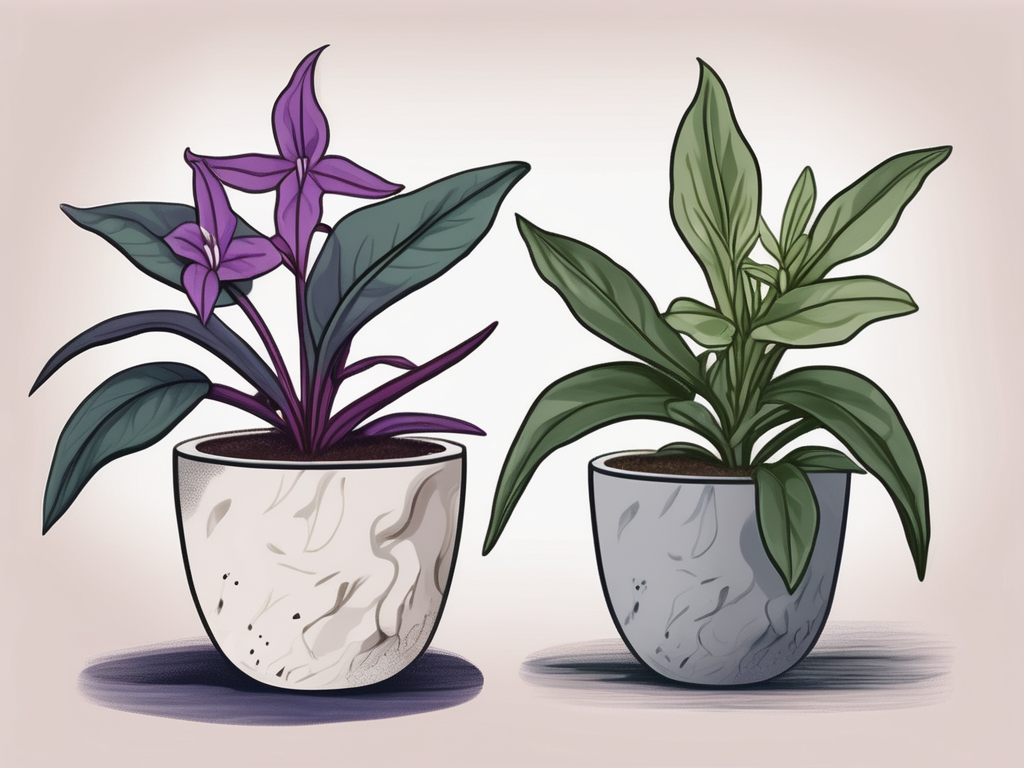
If you're a fan of houseplants with a bit of a unique flair, you might have stumbled upon the charming Polka Dot Begonia. This plant, with its distinctive spotted leaves, is a favorite among many plant parents. But did you know that its scientific name holds a world of information about its origins and care?
In this guide, we'll journey through the fascinating details of the Polka Dot Begonia's scientific name, exploring what it reveals about the plant's characteristics and care needs. We'll also dive into practical tips for maintaining this beauty in your home, ensuring it thrives and adds that special touch to your space.
The Scientific Name: Begonia maculata
Let's start with the basics—what's in a name? In the case of the Polka Dot Begonia, its scientific name is Begonia maculata. The genus name Begonia pays homage to Michel Bégon, a French patron of botany from the 17th century. The species name maculata is Latin for "spotted," a nod to the plant's eye-catching leaf pattern.
Understanding this naming convention gives us a glimpse into the world of botany, where each name is a mini biography of the plant. It tells us about its discoverer, its visual features, and sometimes even its native habitat. Knowing this, we can appreciate how plant names are more than just labels—they're stories.
The Origin Story
The Polka Dot Begonia hails from the tropical forests of Brazil, a fact that influences its care requirements. In its natural habitat, it thrives under the canopy of larger trees, basking in dappled sunlight and enjoying the high humidity and warmth. This background is crucial when we think about recreating similar conditions in our homes.
When you bring a bit of the Brazilian rainforest into your living room, you're not just adding a decorative piece—you're inviting a tiny ecosystem to thrive. This means understanding how to provide the right light, humidity, and temperature to make your plant feel at home.
Light Requirements
Given its origin, the Polka Dot Begonia prefers bright, indirect light. Imagine how it would sit under the shade of towering trees in the wild. Direct sunlight can scorch its leaves, so be mindful of where you place it. A spot near an east or west-facing window, where it can receive gentle morning or afternoon light, would be ideal.
If you're worried about getting it just right, here's a tip: observe your plant. If the leaves start losing their vibrant color or develop brown edges, it might be getting too much sun. On the flip side, if it's not flowering or growing as it should, it might need a bit more light. It's all about finding that sweet spot.
Watering Wisdom
Watering your Polka Dot Begonia properly can make all the difference. It likes to stay consistently moist but not waterlogged. Overwatering can lead to root rot, which is a common issue with many houseplants. A good rule of thumb is to let the top inch of soil dry out between waterings.
To check if it's time to water, simply stick your finger into the soil. If it feels dry, it's time to water. If it's still a bit damp, give it a few more days. Remember, the humidity level can affect how quickly your plant dries out, so adjust your watering schedule accordingly.
Humidity and Temperature
This plant thrives in high humidity, reminiscent of its tropical origins. If your home is on the dry side, especially during winter months, consider using a humidifier or placing a tray of water near the plant. Misting the leaves can also help, but be cautious not to overdo it, as excess moisture can lead to leaf spots or fungal issues.
Temperature-wise, the Polka Dot Begonia prefers a warm environment, ideally between 65-75°F. Avoid sudden temperature changes or drafts, as these can stress the plant. Just like us, plants like stability in their environment.
Soil and Potting
The right soil mix is crucial for your Polka Dot Begonia's health. It thrives in a well-draining potting mix, which helps prevent water from sitting at the roots. A mix of peat moss, perlite, and a bit of sand can provide the perfect balance of moisture retention and drainage.
When repotting, choose a container that's slightly larger than the current one. This allows room for growth without overwhelming the roots with too much space, which can lead to overwatering. Make sure the pot has drainage holes to let excess water escape.
Dealing with Pests and Diseases
Like all houseplants, the Polka Dot Begonia can fall prey to pests such as spider mites and aphids. Regularly check the undersides of leaves for any unusual activity. If you spot anything suspicious, a gentle spray of neem oil or insecticidal soap can help keep these critters at bay.
Fungal issues can arise if the plant is kept too moist or the leaves are frequently wet. Ensure good airflow around the plant and avoid overcrowding it with other plants. If you notice any leaf spots, remove the affected leaves and adjust your watering routine.
Pruning and Propagation
Pruning helps keep your Polka Dot Begonia in shape and encourages new growth. Trim back any leggy stems or yellowing leaves. This not only tidies up the plant but also redirects energy towards new shoots.
If you're feeling adventurous, propagation is a fun way to expand your Begonia collection. Take a stem cutting with a few leaves, dip it in rooting hormone, and place it in water or moist soil. With a bit of patience, you'll have a new plant to nurture.
Bringing It All Together: Interior Design Tips
Now that you've got the care details down, let's talk about showcasing your Polka Dot Begonia. Its striking foliage makes it a fantastic focal point in any room. Consider placing it on a plant stand or hanging it in a macrame holder to add visual interest.
Pair it with other tropical plants like ferns or calatheas for a lush, green display. The contrast of the Begonia's spotted leaves with solid green ones can create a stunning visual effect. Remember, your home is your canvas, and plants are your tools to create a masterpiece.
Final Thoughts
The Polka Dot Begonia's scientific name, Begonia maculata, is more than just a label—it's a clue to its care and characteristics. By understanding its origins and needs, you can enjoy a thriving plant that adds beauty and life to your home.
Here at Cafe Planta, we're passionate about helping you succeed with your plant journey. Whether you're looking for new additions or need advice, we're here to support you. Feel free to email us or reach out on Instagram. Let's grow together and create beautiful, plant-filled spaces! 🌿