Have you ever wondered about the scientific name of the banana plant? While bananas are a common fruit in households worldwide, their botanical name might not be as familiar. Known as Musa, the banana plant has a rich history and interesting characteristics that make it a fascinating subject for plant lovers and curious minds alike.
In this article, we're going to explore everything you need to know about the Musa plant. We'll cover its origins, different species, and how they fit into our homes as both a source of food and a decorative plant. Plus, we'll share tips on how to care for banana plants indoors, making them a versatile addition to any plant collection.
The Origins of the Musa Plant
The banana plant's journey begins in Southeast Asia, where it has been cultivated for thousands of years. The plant belongs to the Musaceae family and is native to the tropical regions of the world. It's fascinating to think about how such a widespread and popular fruit originated from relatively small areas. Over time, the cultivation and distribution of bananas spread to other parts of the world, making it a global staple.
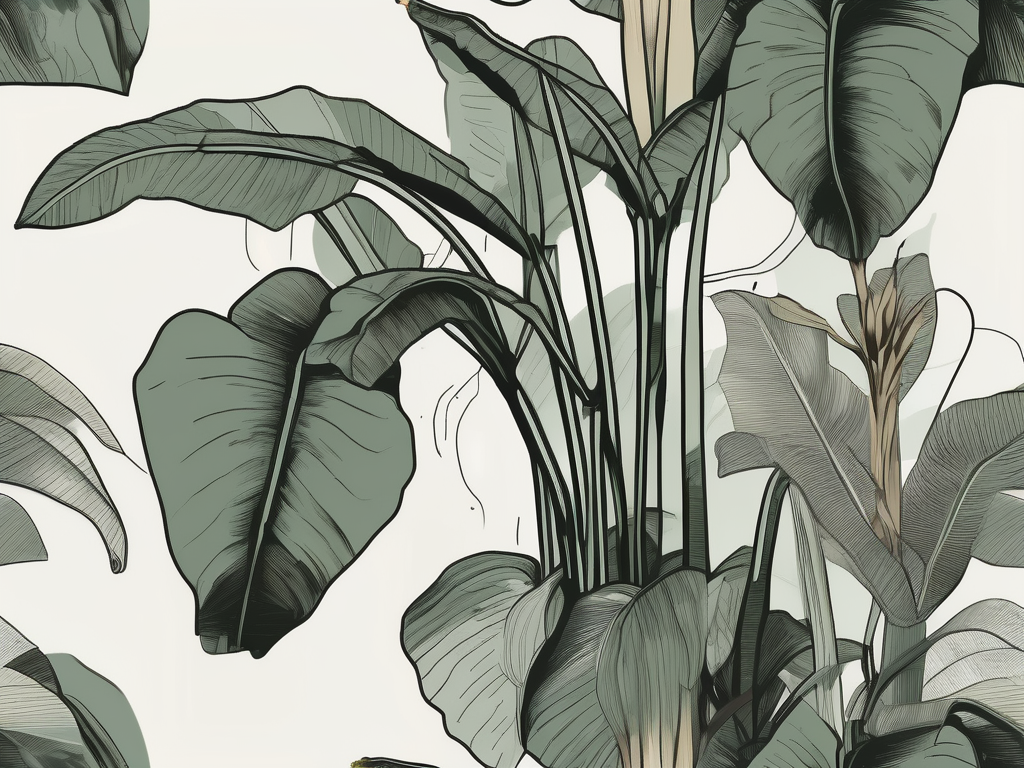
Interestingly, the Musa plant is not a tree but a giant herb. That's right—what seems like a sturdy trunk is actually a pseudostem, which is made up of tightly packed leaf sheaths. This unique structure allows the plant to grow rapidly, reaching heights of up to 30 feet in some species. The rapid growth and adaptability of the banana plant have contributed to its success in various climates and environments.
The history of bananas is intertwined with human history. Early explorers and traders helped disseminate the fruit, and by the 15th century, it had reached Africa and the Canary Islands. Eventually, bananas were introduced to the Americas, where they became a significant agricultural product. Today, bananas are not only a dietary staple but also an essential economic crop for many countries.
Diversity Within the Musa Genus
When you think of bananas, you might picture the familiar yellow fruit found in supermarkets. However, the Musa genus is incredibly diverse, with more than 70 species and hundreds of varieties. These species vary widely in size, color, and taste, offering a fascinating glimpse into the plant's adaptability.
Some of the most common species include:
- Musa acuminata: This species is the primary ancestor of the common dessert banana. It has been selectively bred to produce sweet, seedless fruit.
- Musa balbisiana: Often used in hybridization, this species contributes to the hardy nature of modern banana cultivars. It's more resistant to pests and diseases than other species.
- Musa sapientum: Known as the plantain, this species is a starchy cousin to the dessert banana, commonly used in cooking rather than eaten raw.
The variety within the Musa genus is impressive. From the small and sweet Lady Finger bananas to the large and hearty plantains, each type offers unique flavors and uses. This diversity also extends to ornamental bananas, which are grown for their striking foliage and flowers rather than their fruit.
Bananas as Houseplants
While banana plants are often associated with tropical climates, they can also thrive indoors, adding a touch of the tropics to your home. Their large, lush leaves make them an attractive choice for houseplant enthusiasts. However, growing banana plants indoors requires some specific care to ensure they remain healthy and vibrant.
Here are a few tips to help you successfully grow bananas indoors:
- Light: Banana plants need plenty of bright, indirect light. A spot near a window with filtered sunlight is ideal. If your plant isn't getting enough light, you might notice slower growth or pale leaves.
- Water: These plants prefer consistently moist soil, but be careful not to overwater. Allow the top inch of soil to dry out between waterings. Yellowing leaves can be a sign of overwatering.
- Humidity: As tropical plants, bananas love humidity. Misting the leaves or using a humidity tray can help maintain the right levels, especially during dry winter months.
- Temperature: Keep your banana plant in a warm environment, ideally between 60-80°F. Protect it from drafts and sudden temperature changes.
If you're up for a bit of a challenge and have the space, growing a banana plant indoors can be a rewarding project. Just remember that these plants can grow quite large, so make sure you have enough room for them to spread out!
Common Pests and Diseases
Like any plant, banana plants can fall victim to pests and diseases. While they are generally hardy, it's essential to be vigilant and address any issues promptly to keep your plant healthy.
Some common pests that might affect your banana plant include:
- Aphids: These small insects can cluster on new growth, sucking sap and leaving behind sticky residue known as honeydew. A gentle spray with soapy water can help control them.
- Spider mites: If you notice webbing on your plant, you might have a spider mite infestation. Increasing humidity and regularly wiping leaves with a damp cloth can help deter them.
- Mealybugs: These pests appear as white, cottony masses on your plant. They can be removed with a cotton swab dipped in rubbing alcohol.
In terms of diseases, banana plants can suffer from fungal infections like leaf spot or root rot. Ensuring proper air circulation and avoiding overwatering are key to preventing these issues. If you notice discolored or wilting leaves, it might be time to check the plant's roots and ensure they're not sitting in waterlogged soil.
Potting and Soil Needs
Choosing the right potting mix and container is crucial for the health of your indoor banana plant. These plants have specific needs when it comes to soil and pot size, so it's important to get it right from the start.
When selecting a pot, opt for one that's slightly larger than the plant's root ball, with good drainage holes to prevent water from pooling at the bottom. As for soil, a well-draining mix is essential to prevent root rot and ensure healthy growth.
A good potting mix for banana plants might include:
- Peat moss: This helps retain moisture while still allowing for proper drainage.
- Perlite: This lightweight material improves drainage and aeration, preventing compacted soil.
- Compost: Adding compost to the mix provides essential nutrients that support healthy plant growth.
When potting your banana plant, gently loosen the roots before placing it in the new container. Fill in with your potting mix, ensuring the plant is at the same depth as it was in its previous pot. Water thoroughly after repotting to help settle the soil around the roots.
The Role of Bananas in Interior Design
Beyond their practical uses, banana plants can also play a significant role in interior design. Their large, bold leaves create a striking visual element that can enhance a room's aesthetic. Whether placed in a living room, office, or bathroom, banana plants add a touch of natural beauty and create a calming atmosphere.
Here are a few ways to incorporate banana plants into your home decor:
- Statement piece: Use a banana plant as a focal point in a room, drawing the eye and adding a sense of drama.
- Pair with other tropical plants: Combine banana plants with other tropical species like monstera or philodendron to create a lush, jungle-like feel.
- Containers: Choose decorative pots that complement your decor style, from sleek modern designs to rustic, earthy materials.
Banana plants can also be used to create privacy, as their large leaves can help block views and create a more intimate setting. By strategically placing these plants, you can transform your living space into a green oasis that promotes relaxation and well-being.
Propagation: Growing More from Your Banana Plant
If you've fallen in love with your indoor banana plant, you might be considering propagating it to expand your plant collection or share with friends. Thankfully, bananas are relatively easy to propagate, provided you follow a few simple steps.
Banana plants are propagated through pups, which are small shoots that grow from the base of the mother plant. Here's how to do it:
- Identify the right pup: Look for pups that are at least 12 inches tall with several leaves. These are mature enough to be separated and have a higher chance of survival.
- Separate the pup: Gently dig around the base of the pup to expose its roots. Use a clean, sharp knife to cut the pup away from the mother plant, ensuring that it has its own root system.
- Pot the pup: Place the pup in a small pot with well-draining soil. Keep it in a warm, humid environment to encourage root development.
- Maintain care: Water the pup regularly, keeping the soil moist but not soggy. Once it establishes a strong root system, you can gradually acclimate it to the same care routine as the adult plant.
Propagation is a great way to multiply your banana plants without having to purchase new ones. Plus, it's a rewarding process that allows you to share the joy of banana plants with others.
Cultural Significance of Bananas
Bananas hold a special place in many cultures around the world, both as a food source and a symbol. In some cultures, bananas are considered a symbol of fertility and prosperity, often used in religious ceremonies and rituals.
In Hinduism, for example, the banana plant is sacred and represents the goddess Lakshmi, the deity of wealth and prosperity. The leaves and fruit are used in various religious ceremonies, and the plant itself is often grown near homes and temples as a sign of good fortune.
The banana plant also plays a role in traditional medicine. In some cultures, different parts of the plant are used to treat various ailments, from digestive issues to skin conditions. This highlights the plant's long-standing importance beyond just its fruit.
Understanding the cultural significance of bananas can deepen our appreciation for this versatile plant and its role in human history. It's a reminder of the interconnectedness of plants and people, and how something as simple as a fruit can have profound meaning across different societies.
Final Thoughts
As we wrap up our exploration of the banana plant and its scientific name, we've uncovered the fascinating diversity and significance of Musa. From its origins in Southeast Asia to its role as a staple food and decorative plant, bananas offer much more than meets the eye.
At Cafe Planta, we're passionate about helping you care for your plants and create a beautiful, thriving plant collection in your home. Whether you're looking for tips on plant care or searching for unique plant-themed apparel, we've got you covered. Feel free to email us with any questions, or connect with us on Instagram. We're excited to share our love of plants with you and help you connect with nature and each other.