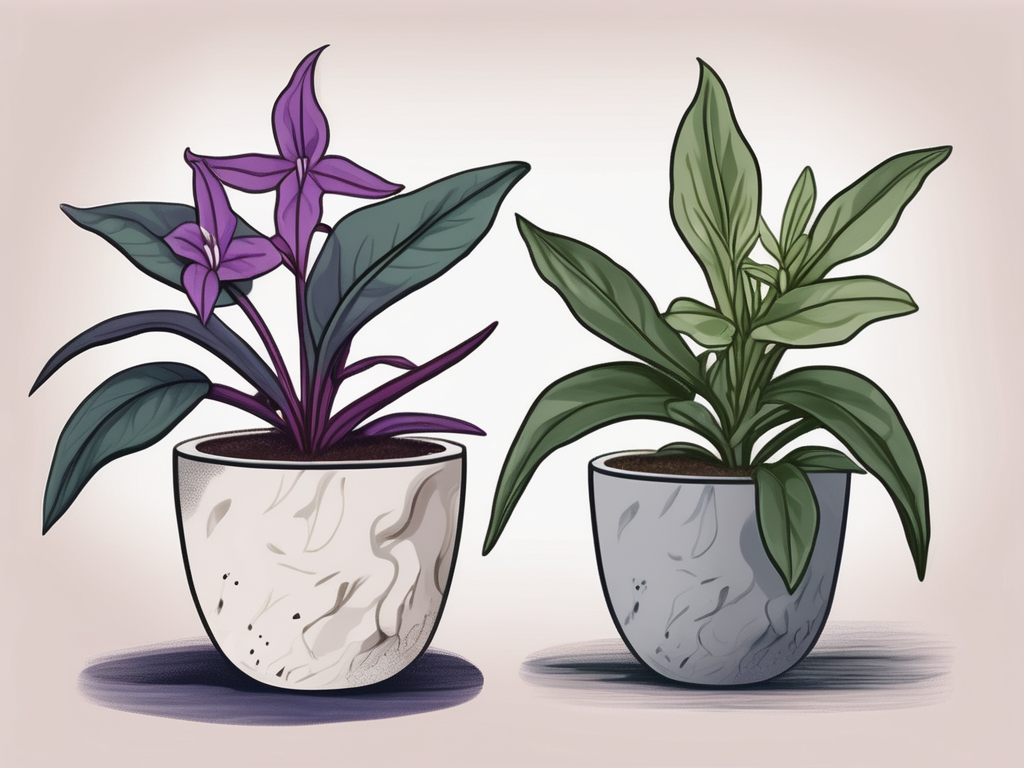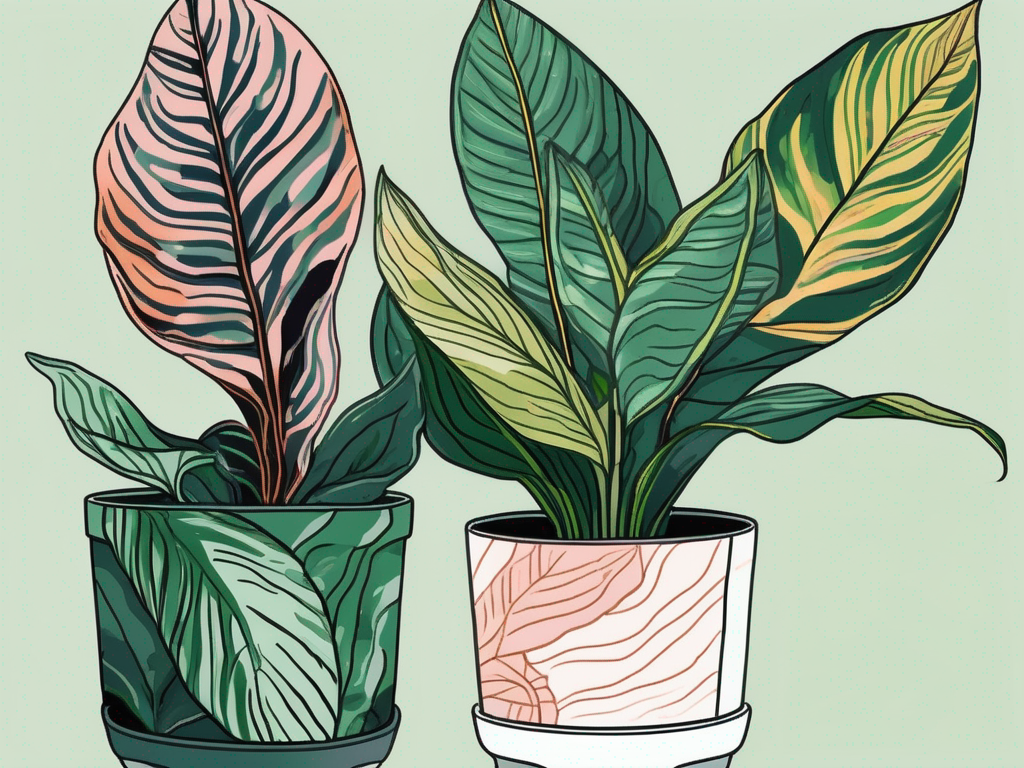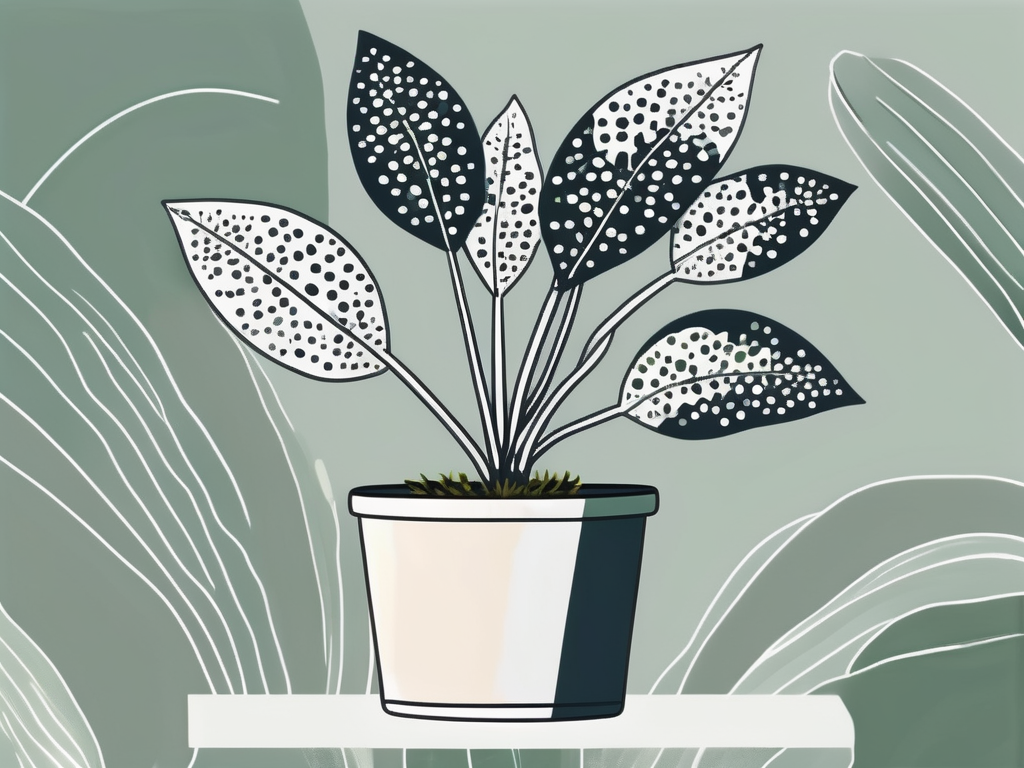
Houseplants have a unique way of brightening up our homes and lifting our spirits. One of the most cheerful and colorful among them is the Polka Dot Plant. With its vibrant, spotted leaves, it’s hard not to fall in love at first sight. But have you ever wondered about its scientific name and what it reveals about this charming plant?
In this article, we’ll journey through the world of the Polka Dot Plant, diving into its scientific name, history, care tips, and how it can fit perfectly into your home decor. Whether you're a seasoned plant parent or a curious beginner, there's something here for everyone. So, grab a cup of tea, and let's get started!
Understanding the Scientific Name
The Polka Dot Plant is scientifically known as Hypoestes phyllostachya. Sounds fancy, right? Let’s break it down. The genus name "Hypoestes" comes from the Greek words "hypo" meaning under and "estia" meaning house or dwelling. It's thought to refer to the covered or sheltered nature of the seeds. The species name "phyllostachya" is derived from "phyllo" meaning leaf and "stachys" meaning spike, which might describe the plant’s flowering characteristics.
Understanding the scientific name is more than just a lesson in Latin. It gives us insight into the plant's characteristics, origins, and even its relatives. Plants in the same genus often share similar care needs, which can be helpful when you're trying to create a thriving indoor garden.
Interestingly enough, while the Polka Dot Plant is the most well-known species in the Hypoestes genus, there are others that might catch your interest. However, none are quite as popular or as widely cultivated as our spotted friend.
The Origins and Distribution
The Polka Dot Plant hails from Madagascar, a place known for its rich biodiversity. This island off the southeast coast of Africa is home to many unique species, thanks in part to its diverse habitats ranging from rainforests to deserts.
Over time, the Polka Dot Plant has spread to various parts of the world, largely due to human cultivation. Its adaptability and low maintenance requirements make it a popular choice in homes around the globe. If you’ve ever traveled to tropical regions, you might have seen it growing outdoors as well.
In its native habitat, the Polka Dot Plant grows as a perennial, meaning it lives for more than two years. However, in many cooler climates, it’s treated as an annual or a houseplant. This adaptability is one of the reasons it’s become a favorite among plant people.
How to Care for Your Polka Dot Plant
Caring for a Polka Dot Plant is relatively straightforward, but like all plants, it has its preferences. Here’s a handy guide to help you keep yours looking its best:
- Light: Bright, indirect light is ideal. Too much direct sunlight can fade the vibrant colors, while too little can lead to leggy growth.
- Water: Keep the soil consistently moist but not soggy. Allow the top inch to dry out between waterings. Over-watering can lead to root rot.
- Humidity: These plants love humidity. If your home is dry, consider misting the leaves or placing the pot on a tray filled with pebbles and water.
- Temperature: They prefer temperatures between 65°F and 75°F. Avoid drafts and sudden temperature changes.
- Fertilizer: Feed with a balanced, water-soluble fertilizer every 4-6 weeks during the growing season.
With these tips, you’re well on your way to having a happy, healthy Polka Dot Plant. And remember, plants are living things—they’ll let you know if something isn’t quite right, usually through changes in their leaves or growth patterns.
Dealing with Common Pests
Even the best-cared-for plants can sometimes face pest issues. The Polka Dot Plant is no exception. Here are a few common pests that might try to make a home on your plant and how to deal with them:
- Aphids: These tiny insects suck sap from the plant, causing distorted growth. A strong spray of water or insecticidal soap can help control them.
- Spider Mites: These microscopic pests thrive in dry conditions. They cause tiny yellow spots on leaves. Increase humidity and use miticides if needed.
- Mealybugs: Look for white, cottony masses on leaves. Remove them with a cotton swab dipped in alcohol, and consider using a systemic insecticide for severe infestations.
Regularly inspecting your plants can help catch these issues early. A healthy plant is the best defense against pests, so keeping your Polka Dot Plant in optimal conditions is key.
Potting and Soil Considerations
When it comes to potting your Polka Dot Plant, there are a few things to keep in mind. First, choose a pot with good drainage. These plants don’t like to sit in water, so drainage holes are a must.
As for the soil, a well-draining potting mix is ideal. You can use a standard houseplant mix and add a bit of perlite or sand to improve aeration. This helps prevent the soil from becoming compacted, which can suffocate the roots.
Repotting is generally needed every year or two, especially if you notice the plant becoming root-bound. When repotting, gently remove the plant from its current pot, tease out the roots a bit, and place it into its new home with fresh soil. This gives the roots room to grow and helps the plant thrive.
Incorporating Polka Dot Plants into Your Home Decor
Beyond their care needs, Polka Dot Plants are a fantastic choice for home decor. Their colorful foliage can brighten any room, and they’re versatile enough to fit into various design styles.
Here are a few ideas for incorporating Polka Dot Plants into your space:
- Accent Plant: Use them as a pop of color in a monochrome room. Their vibrant leaves can serve as a focal point on a shelf or windowsill.
- Terrariums: Due to their love of humidity, Polka Dot Plants do well in terrariums. They can be a part of a miniature indoor garden along with other small plants.
- Color Themes: Pair them with plants that have contrasting foliage colors, like deep green or purple, to create a striking visual effect.
The possibilities are endless, and with a little creativity, you can use Polka Dot Plants to enhance your home’s aesthetic.
Propagation: Sharing the Love
One of the joys of keeping Polka Dot Plants is that they’re quite easy to propagate. This means you can grow new plants from your existing one and even share them with friends and family.
Here’s how to propagate your Polka Dot Plant through cuttings:
- Select a Healthy Stem: Look for a stem with several leaves and no signs of disease or pests.
- Cut Below a Node: Using clean scissors, cut the stem about 4 inches long, just below a leaf node.
- Remove Lower Leaves: Strip off the leaves on the lower part of the stem, leaving a couple of leaves at the top.
- Place in Water or Soil: You can root the cutting in a glass of water or directly in moist potting soil.
- Wait for Roots: If using water, change it every few days. In a few weeks, roots should develop, and you can plant it in soil if you started in water.
Propagation is a rewarding process and a wonderful way to expand your plant collection or gift a piece of your home to others.
Polka Dot Plant Varieties
While the classic pink and green variety is the most common, Polka Dot Plants come in a range of colors. You might come across varieties with white, red, or even purple spots. Each brings a unique flair to your plant collection.
When selecting a variety, consider the color scheme of your home and how the plant will fit in. Mixing different varieties can also create a visually interesting display, either in a single pot or grouped together in a larger arrangement.
These colorful variants are bred specifically for their striking patterns, so they can sometimes be less vigorous than the traditional type. However, with the right care, they can thrive just as well, adding that extra splash of color to your indoor garden.
Common Issues and Troubleshooting
Even with the best care, you might encounter some challenges with your Polka Dot Plant. Here are a few common issues and how to address them:
- Faded Colors: If the leaves start losing their vibrant colors, it might be due to too much direct sunlight or not enough light. Adjust the lighting conditions accordingly.
- Leggy Growth: This can happen if the plant isn’t receiving enough light. Try moving it to a brighter spot.
- Wilting Leaves: Wilting can be caused by both over-watering and under-watering. Check the soil moisture and adjust your watering routine as needed.
Troubleshooting plant problems can sometimes feel like a mystery, but with a little patience and observation, you can usually find the culprit and get your plant back to its best self.
Final Thoughts
The Polka Dot Plant is a delightful addition to any home, offering vibrant colors and relatively simple care. From understanding its scientific name to incorporating it into decor, there's so much to appreciate about this charming plant.
At Cafe Planta, we’re passionate about helping you care for your plants. Whether you're looking for a new addition to your collection or need some plant care advice, we're here to help. Feel free to reach out via email or our Instagram. Happy planting!