Have you ever wondered about the botanical mysteries of your beloved houseplants? Take, for example, the Purple Waffle Plant. It's not just its vibrant leaves that make it a favorite among plant lovers. There's a whole world of interesting facts and care tips surrounding it, starting with its scientific name. Let's journey together to uncover why this plant's name is more than just a label.
This article will explore various aspects of the Purple Waffle Plant, from its intriguing scientific name to its care requirements and its role in home decor. We'll also discuss how to select the right plant, deal with potential pests, and even incorporate this beauty into your living space for maximum effect. So, grab a cup of coffee, settle into your favorite chair, and let's chat about this stunning plant!
Understanding the Scientific Name
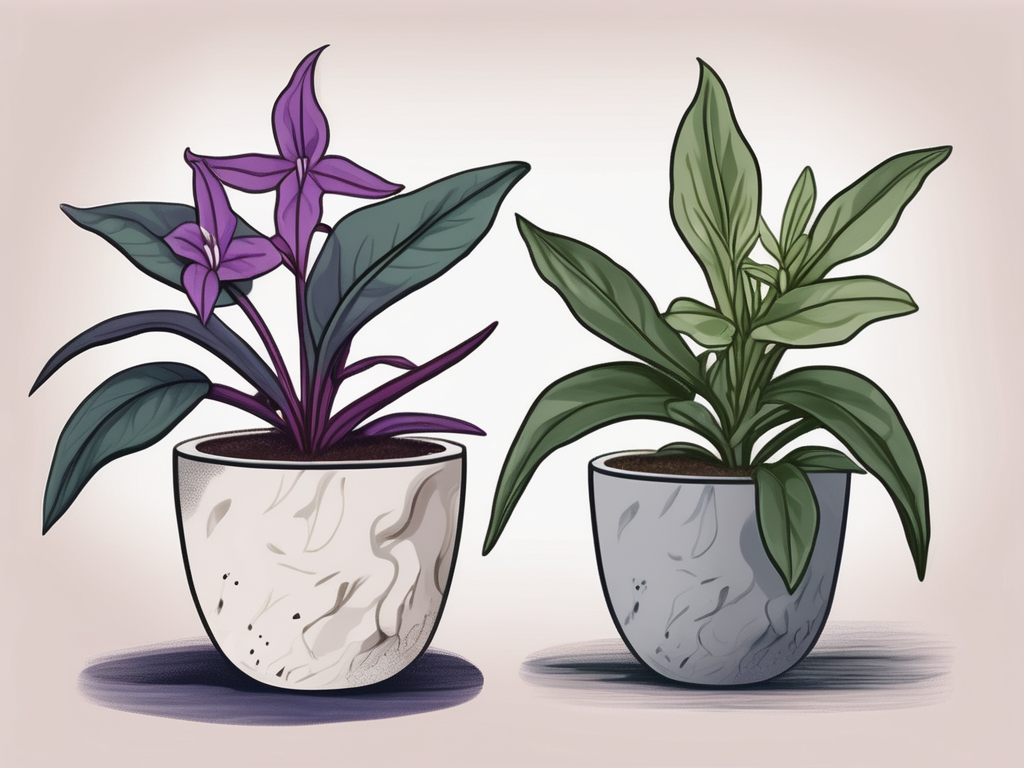
The Purple Waffle Plant is known scientifically as Hemigraphis alternata. This name reveals much about the plant's characteristics and lineage. The genus Hemigraphis refers to a group of tropical plants known for their striking foliage, often marked by vibrant colors and textures. The species name, alternata, hints at the alternating pattern of the leaves along the stem, which is a distinguishing feature of this plant.
This plant hails from the family Acanthaceae, which includes other ornamental plants with similar lush foliage. The name Hemigraphis alternata might sound complex at first, but it's a key that opens the door to understanding more about its care needs and natural habitat. Knowing a plant's scientific name can guide you in providing the right conditions, as it reflects its natural environment.
Interestingly enough, the scientific name can also help you make informed decisions when purchasing plants. Labels in plant stores often list the scientific name, providing you with a reliable way to ensure you're getting the right plant. It's like having a unique identifier that confirms you're not mistaking the Purple Waffle Plant for a similar-looking species.
Origins and Natural Habitat
To truly understand a plant's care needs, it's helpful to consider where it originally comes from. The Purple Waffle Plant is native to the tropical regions of Southeast Asia, particularly Indonesia and Malaysia. These areas are known for their humid, warm climates – a factor that plays a significant role in how you should care for your plant at home.
In the wild, Hemigraphis alternata thrives in the understory of tropical forests. This means it naturally grows under the canopy of taller trees, receiving dappled sunlight and protection from direct exposure. The soil is typically rich in organic matter, providing the nutrients needed for its vibrant growth. Understanding these conditions can help you mimic them in your home environment, ensuring your plant remains healthy and vibrant.
Recreating a piece of the tropics at home isn't as challenging as it might sound. You can easily adjust the light, humidity, and soil conditions to suit the Purple Waffle Plant's preferences. This adaptability is one of the reasons why it's such a popular choice among indoor gardeners who appreciate a touch of the exotic.
Choosing the Right Plant
When selecting a Purple Waffle Plant for your home, there are a few things to keep in mind. First, look for a plant with vibrant, healthy leaves. The characteristic purple hue should be rich and consistent, with no signs of browning or wilting. This indicates the plant is in good health and has been well cared for.
Next, check the soil and pot conditions. The soil should be slightly moist but not waterlogged. If you notice any unpleasant odors, it could be a sign of root rot, which is a common issue if the plant has been overwatered. The pot should have proper drainage holes to prevent water from accumulating at the bottom, which can also lead to root problems.
Don't forget to inspect the plant for any signs of pests, such as tiny webs or holes in the leaves. While the Purple Waffle Plant is relatively hardy, it's still susceptible to common houseplant pests like spider mites and aphids. A quick check can save you from potential headaches down the line.
Finally, consider the plant's size in relation to your space. While the Purple Waffle Plant is generally compact, it can spread out as it grows. Make sure you have enough room to accommodate its growth, or be prepared to prune it back as needed. With these tips in mind, you'll be well on your way to selecting a healthy, thriving plant for your home.
Caring for Your Purple Waffle Plant
You've chosen your Purple Waffle Plant, and now it's time to care for it. Fortunately, this plant isn't overly demanding, making it an excellent choice for both novice and experienced plant parents. The key is to recreate the conditions it would experience in its natural habitat.
Light is an important factor. While the plant enjoys bright, indirect light, it can tolerate lower light conditions. However, too much direct sunlight can scorch the leaves, so it's best to place it near a window with filtered light. If you're noticing the vibrant purple fading, it might need a bit more light.
Watering is where many plant people get tripped up. The Purple Waffle Plant prefers consistently moist soil, but it doesn't like to sit in water. A good rule of thumb is to water when the top inch of soil feels dry to the touch. During the growing season, you might find yourself watering more frequently, whereas in the winter, the plant's needs decrease.
Humidity is another crucial aspect. As a tropical plant, it loves higher humidity levels. If your home is dry, especially during the winter months, consider using a humidifier or placing a tray of water near the plant to increase moisture in the air. Grouping plants together can also help maintain humidity levels.
Soil and Potting Tips
Choosing the right soil is as important as getting the watering right. The Purple Waffle Plant thrives in well-draining soil rich in organic matter. You can use a standard potting mix, but adding some peat moss or perlite will improve drainage and aeration, ensuring the roots don't become waterlogged.
When potting or repotting your plant, choose a pot with drainage holes to prevent excess water from sitting at the bottom. Clay pots are a good option as they allow the soil to dry out more rapidly compared to plastic pots. Repotting is typically needed every couple of years or when you notice the plant becoming root-bound.
When you repot, gently loosen any tightly packed roots to encourage new growth. Be careful not to damage them, as this can stress the plant. After repotting, give the plant a good watering to help it settle into its new home.
Regularly checking the soil and pot conditions can prevent many common problems. If you notice the plant struggling, it might be worth revisiting its soil and potting setup to ensure everything is as it should be.
Dealing with Pests and Diseases
Even with the best care, your Purple Waffle Plant might occasionally attract pests or develop diseases. Don't worry – this is a normal part of plant care, and there are steps you can take to tackle these issues effectively.
Common pests include spider mites, aphids, and whiteflies. If you notice tiny webs, discolored leaves, or a sticky residue, these pests might be the culprits. A gentle shower with lukewarm water can help dislodge them, or you can use insecticidal soap or neem oil for more persistent problems. Regularly inspecting your plant is the best way to catch pests early before they become a larger issue.
Fungal issues can also arise, particularly if the plant is kept too wet or in a poorly ventilated area. Look out for signs like discolored patches on the leaves or a musty smell. Improving air circulation around the plant and ensuring it's not overwatered can help prevent these problems. If you suspect a fungal infection, you might need to trim affected leaves and treat the plant with a fungicide.
Remember, a healthy plant is less likely to fall prey to pests and diseases. Keeping your Purple Waffle Plant in optimal conditions is the best defense against these common issues.
Incorporating the Plant into Home Decor
The Purple Waffle Plant isn't just easy to care for; it's also a stunning addition to any home decor. Its rich, textured leaves can complement a variety of styles, from modern minimalism to bohemian chic. Here are a few ideas to help you incorporate this plant into your living space.
If you have a bright corner in your living room, consider placing the plant on a side table or stand where it can catch the light and display its vibrant colors. Its compact size makes it an ideal choice for smaller spaces, like bookshelves or kitchen counters.
Hanging planters are another great option. The Purple Waffle Plant's trailing habit makes it perfect for cascading down from a hanging basket. This can add a dynamic element to your decor, drawing the eye upward and creating a sense of height in the room.
For a more dramatic effect, try grouping several plants together. The Purple Waffle Plant pairs beautifully with other houseplants, offering a striking contrast with its unique foliage. This can create a lush, green sanctuary in your home, perfect for relaxing and unwinding.
Propagating Your Plant
One of the joys of owning a Purple Waffle Plant is the ease with which you can propagate it. This not only allows you to expand your collection but also share this beautiful plant with friends and family.
Propagation is typically done through stem cuttings. Choose a healthy, mature stem and cut just below a leaf node. Remove the lower leaves, leaving a few at the top. Place the cutting in water or directly into moist soil. If you're using water, wait until roots are at least a couple of inches long before transferring to soil.
Ensure the cutting has plenty of indirect light and maintain consistent moisture. New growth should appear within a few weeks, signaling successful propagation. This is a rewarding process that can deepen your connection to your plant.
Propagating isn't just practical; it's also a wonderful way to learn more about your plant's growth habits and needs. Plus, it's always exciting to watch a new plant develop from a simple cutting!
Common Myths and Misconceptions
Despite its popularity, the Purple Waffle Plant is often surrounded by myths and misconceptions. Let's clear up some of these misunderstandings to help you care for your plant with confidence.
One common myth is that the plant requires constant direct sunlight to maintain its color. While light is important, too much direct sunlight can actually harm the leaves, leading to fading and scorching. Instead, bright, indirect light is ideal.
Another misconception is that the Purple Waffle Plant is high-maintenance. In reality, it's quite adaptable and forgiving when you get the basics right. With proper water, light, and humidity, it can thrive without constant attention.
Finally, some people believe that the plant attracts more pests than other houseplants. While it's true that any plant can attract pests if neglected, a healthy Purple Waffle Plant is no more susceptible than other houseplants. Regular care and attention are the best ways to keep pests at bay.
By busting these myths, you can better understand your Purple Waffle Plant and enjoy its beauty without unnecessary worry.
Final Thoughts
We've covered everything from the scientific name of the Purple Waffle Plant to its care requirements and decor potential. By understanding its origins and needs, you can create an environment where this plant can truly thrive.
At Cafe Planta, we offer a wide variety of houseplants, including the Purple Waffle Plant. Our goal is to help you build a thriving plant collection at home. If you have any questions or need tips, feel free to email us or reach out on Instagram. We love connecting with fellow plant lovers and are here to support your plant journey!