Have you ever come across the vibrant and lush foliage of Tradescantia, also known as the spiderwort plant? It's one of those versatile houseplants that not only adds beauty to any space but also has a fascinating history and scientific background. Whether you're a seasoned plant lover or just dipping your toes into the world of houseplants, understanding Tradescantia's scientific name can be an intriguing journey.
This post will explore the scientific intricacies of Tradescantia, diving into its origins, characteristics, and the various species that fall under this captivating genus. We'll also cover practical care tips and how you can incorporate this plant into your interior design. Let's get started!
The Origin and Classification of Tradescantia
The Tradescantia genus, part of the Commelinaceae family, is named after John Tradescant the Elder and his son, John Tradescant the Younger. These were prominent botanists and gardeners in 17th-century England. Their contributions to botany were so significant that this genus of flowering plants was named in their honor.
Tradescantia is native to the Americas, stretching from southern Canada to northern Argentina. This wide range means that different species have adapted to various climates and conditions, making Tradescantia a resilient and adaptable genus. The classification places it within the monocotyledons, a group of flowering plants with seeds that typically contain only one embryonic leaf, or cotyledon.
Within the Tradescantia genus, there are several species, each with its own unique features. Some of the more popular ones include Tradescantia zebrina, known for its striking purple and silver-striped leaves, and Tradescantia fluminensis, which boasts lush green foliage. Understanding these species' origins helps us appreciate their diversity and adaptability.
Understanding the Scientific Name
The scientific name of a plant consists of two parts: the genus name and the species name. In the case of Tradescantia, "Tradescantia" is the genus, and it’s followed by a specific epithet that denotes the species. This binomial nomenclature, developed by Carl Linnaeus in the 18th century, provides a universal language for scientists and plant people around the world.
For example, the scientific name for the wandering Jew plant is Tradescantia zebrina. "Tradescantia" indicates the genus, while "zebrina" refers to the species, highlighting its distinctive striped appearance reminiscent of a zebra. This naming system helps avoid confusion caused by regional or common names, which can vary significantly across different areas and languages.
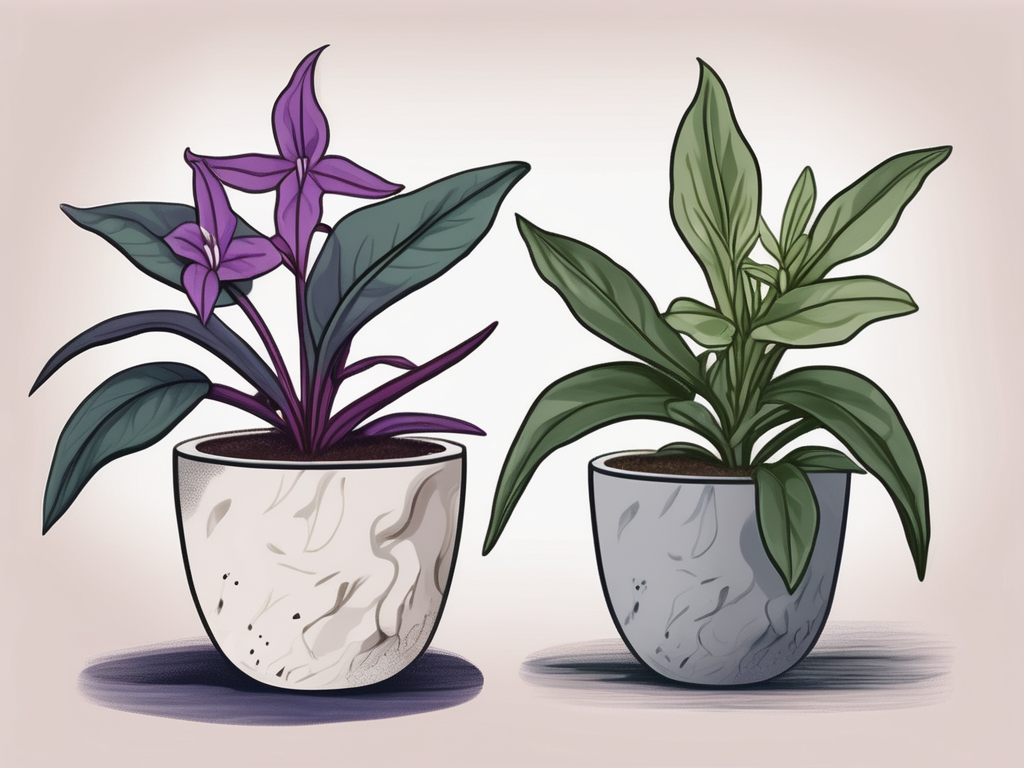
Another example includes Tradescantia pallida, commonly known as the purple heart. Here, "pallida" suggests the plant’s pale or muted coloration compared to other species. These scientific names not only help in identification but also provide clues about the plant’s characteristics or origins.
Popular Tradescantia Species and Their Features
Tradescantia encompasses a wide array of species, each with its own charm and unique traits. Some of the most popular species among plant lovers are:
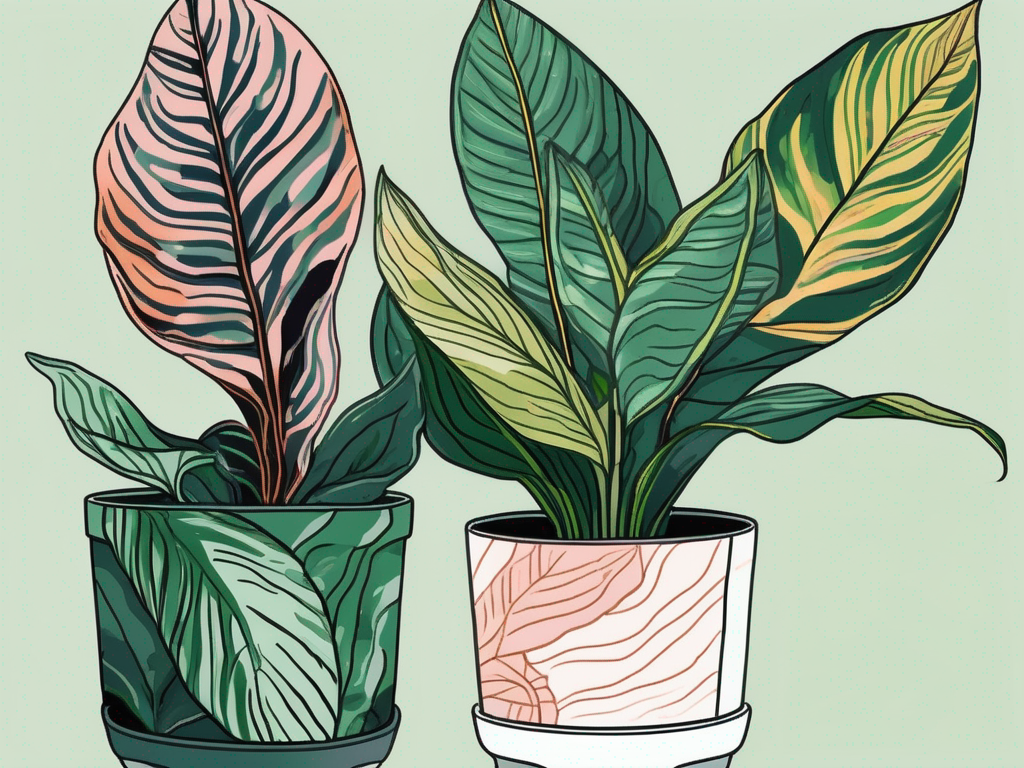
- Tradescantia zebrina: Known for its eye-catching foliage, this plant features leaves with purple and silver stripes, making it a popular choice for adding color indoors.
- Tradescantia pallida: Also called the purple heart, this species has striking deep purple leaves and is often used in hanging baskets or as ground cover.
- Tradescantia fluminensis: With its lush green foliage, this species is perfect for those who prefer a more classic look. It's also known for its fast growth, making it an excellent choice for filling in spaces quickly.
- Tradescantia spathacea: Commonly referred to as the oyster plant or Moses-in-the-cradle, this species features rosettes of leaves with green tops and purple undersides, adding a touch of exotic flair to any collection.
Each of these species brings something special to the table, whether it's vibrant color, unique leaf patterns, or rapid growth. Choosing the right Tradescantia species for your home depends on your personal preferences and the environment you can provide.
Caring for Your Tradescantia Plants
Tradescantia plants are generally easy to care for, which is one reason they’re so popular among plant people. Here are some basic care tips to keep your Tradescantia thriving:
- Light: These plants prefer bright, indirect sunlight. While they can tolerate lower light levels, their vibrant colors may fade without sufficient light.
- Water: Tradescantia likes to be kept evenly moist but not soggy. Water when the top inch of soil feels dry. Be careful not to overwater, as this can lead to root rot.
- Humidity: These plants thrive in higher humidity, so consider misting them occasionally or placing them near a humidifier, especially during dry winter months.
- Soil: A well-draining potting mix is crucial. You can use a standard houseplant mix and add some perlite or sand for improved drainage.
- Fertilizer: Feed your Tradescantia with a balanced liquid fertilizer every month during the growing season (spring and summer). Reduce feeding during the fall and winter when growth slows.
By following these guidelines, you'll ensure that your Tradescantia not only survives but thrives, rewarding you with its lush, colorful foliage.
How to Propagate Tradescantia
One of the joys of owning Tradescantia plants is how easy they are to propagate. Whether you want to share with friends or expand your own collection, propagation is a simple and satisfying process.
The most common method is through stem cuttings:
- Step 1: Using sharp, clean scissors or pruning shears, cut a healthy stem just below a node (the point where leaves attach to the stem).
- Step 2: Remove the lower leaves from the cutting, leaving a few leaves at the top.
- Step 3: Place the cutting in a glass of water, ensuring the node is submerged. Change the water every few days to keep it fresh.
- Step 4: Once roots develop, usually in a couple of weeks, plant the cutting in a pot with well-draining soil.
Alternatively, you can plant the cutting directly into the soil. Just keep the soil consistently moist until you see new growth, indicating that roots have formed. This method is not only easy but also a great way to quickly fill your home with more of these beautiful plants.
Incorporating Tradescantia in Interior Design
Tradescantia's vibrant colors and trailing growth habit make it an excellent choice for adding a touch of nature to your interior spaces. Here are some creative ways to incorporate Tradescantia into your home design:
- Hanging baskets: Take advantage of Tradescantia's trailing nature by placing them in hanging baskets. This not only saves space but also creates a stunning visual effect as the plant cascades down.
- Bookshelves and mantels: Use Tradescantia to add a pop of color to shelves or mantels. Its colorful foliage can brighten up any room and provide a beautiful contrast to books or other decor items.
- Window sills: Place Tradescantia on window sills where they can receive bright, indirect light. Their vibrant leaves will catch the sunlight, adding an appealing glow to your space.
- Terrariums: For a unique display, incorporate Tradescantia into a terrarium. Its compact size and colorful leaves make it an excellent choice for creating a mini indoor garden.
By thinking creatively, you can use Tradescantia to enhance your home's aesthetic, bringing a touch of nature indoors.
Common Pests and Problems
Like any houseplant, Tradescantia can face a few challenges. The most common issues include pests and diseases, but with a little vigilance, you can keep your plants healthy.
Pests: Spider mites and aphids are the most common pests affecting Tradescantia. They can cause leaves to yellow or become distorted. Regularly inspecting your plants and wiping down leaves with a damp cloth can help catch infestations early. If you notice pests, treat them with insecticidal soap or neem oil.
Diseases: Root rot is another issue, often caused by overwatering. Ensure your plants have proper drainage and avoid letting them sit in water. If you suspect root rot, remove the plant from its pot, trim away affected roots, and replant in fresh soil.
Leaf issues: Browning or crispy edges on leaves can indicate low humidity or underwatering. Increase humidity with a humidifier or by placing a tray of water near your plant. Adjust your watering schedule to keep the soil evenly moist.
By staying attentive to your plants' needs and addressing issues as they arise, you can maintain a healthy, thriving Tradescantia collection.
Tradescantia's Role in Environmental Health
Beyond their aesthetic appeal, Tradescantia plants also contribute positively to your home environment. They are known for their air-purifying abilities, helping to filter out harmful pollutants and improve indoor air quality. This makes them a valuable addition to any living space, especially in urban environments where air quality can be a concern.
Additionally, having plants like Tradescantia in your home can promote mental well-being. Studies have shown that interacting with plants can reduce stress, improve mood, and increase productivity. So, next time you're considering adding a new plant to your home, remember that Tradescantia offers not only beauty but also environmental benefits.
Conclusion: Embracing the Beauty of Tradescantia
In summary, Tradescantia is a versatile and rewarding plant to include in your home. Its scientific name reflects a rich history, while its diverse species offer something for every plant lover. From its ease of care and propagation to its role in interior design and environmental health, Tradescantia truly stands out as a houseplant worth exploring.
At Cafe Planta, we're passionate about helping you care for your plants and creating beautiful, thriving collections. If you have questions or need advice, feel free to reach out via email or connect with us on Instagram. Let's grow together and bring the joy of plants into our lives!