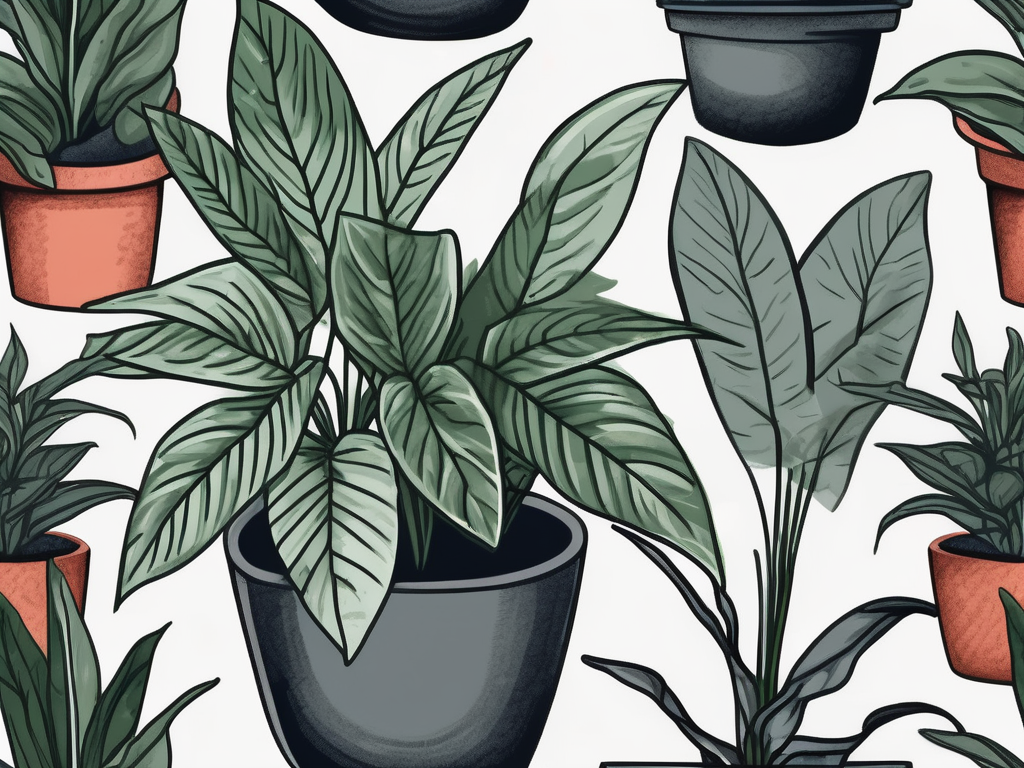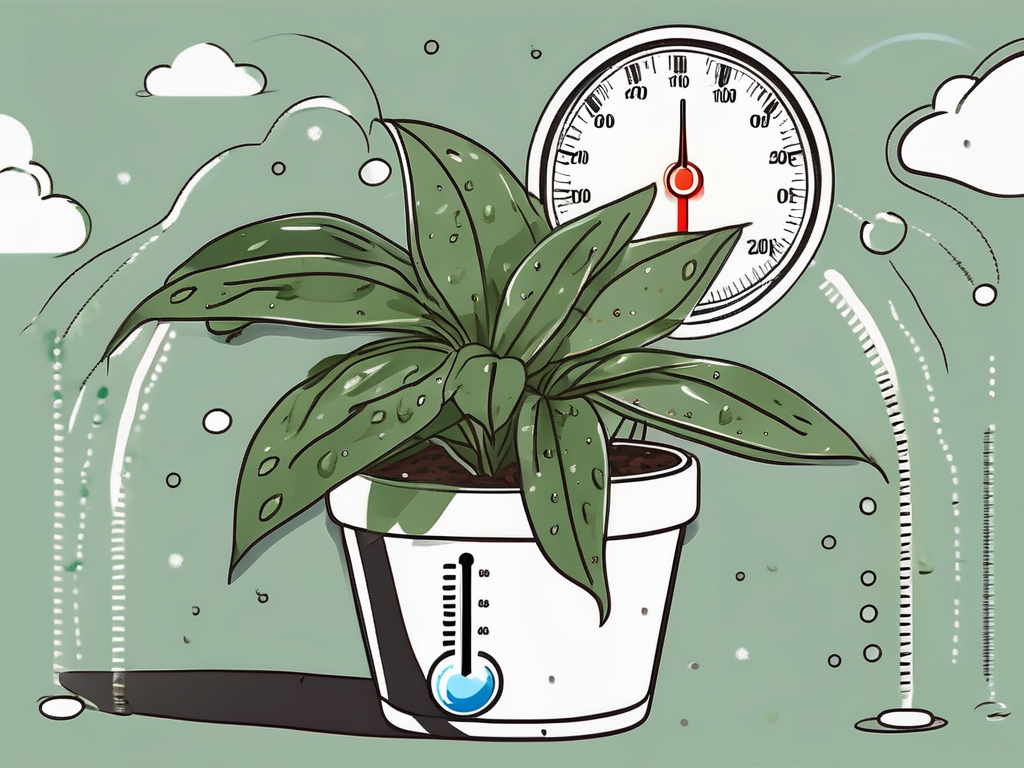
Chinese Evergreens, or Aglaonemas, are often celebrated for being reliable and easy-going houseplants. Their striking foliage and adaptability make them a favorite among plant lovers. While they are known for being hardy, understanding their temperature tolerance is crucial for keeping them healthy and vibrant.
In this article, we'll look at the ideal temperature range for Chinese Evergreens, how temperature affects their growth, and some practical tips for maintaining the right conditions. We'll also touch on what to do during temperature extremes and how to spot signs of temperature stress.
Understanding Temperature Tolerance
Chinese Evergreens hail from the warm, humid forests of Southeast Asia. These plants are accustomed to a stable environment, which gives us a clue about their temperature preferences. While they can tolerate a range of conditions, they thrive best in temperatures between 65°F to 80°F (18°C to 27°C). This is similar to the comfort zone for many humans, making them a perfect fit for indoor living.
When temperatures drop below 60°F (15°C), these plants can start to show signs of stress. On the other hand, if temperatures rise above 85°F (29°C), they may also struggle, especially if the air becomes too dry. So, while they are not the most demanding of houseplants, they do appreciate a bit of temperature consistency.
Interestingly, Chinese Evergreens are more forgiving than some other tropical plants regarding temperature fluctuations. However, sudden changes can still be detrimental. Imagine being cozy under a blanket, then suddenly having it yanked away – that's how your plant might feel with sudden temperature dips!
How Temperature Affects Growth
Temperature plays a crucial role in the growth and overall health of Chinese Evergreens. In their ideal temperature range, these plants can focus their energy on producing new leaves, maintaining vibrant colors, and staying robust. When temperatures are just right, you'll notice a happy plant that seems to thrive effortlessly.
On the flip side, if the temperature drops too low, the plant's metabolic processes may slow down. This can lead to reduced growth, dulling of leaf color, and in severe cases, leaf drop. If you've ever felt sluggish on a cold morning, your Chinese Evergreen can empathize!
High temperatures can speed up the plant's metabolism, which might sound like a good thing. However, it can also lead to dehydration, especially if the humidity levels are low. This is why it's important to keep an eye on both temperature and humidity, as they often go hand-in-hand for these tropical beauties.
Maintaining the Right Conditions
Creating the perfect environment for your Chinese Evergreen starts with knowing its needs. Here are some practical tips to help you maintain the ideal temperature:
- Location, Location, Location: Place your plant in a spot with consistent temperatures, away from drafts and direct heat sources like radiators or sunny windows.
- Use a Thermometer: Invest in a simple indoor thermometer to monitor the temperature around your plant.
- Adjust with the Seasons: In winter, consider moving your plant away from cold windows or doors. In summer, ensure it's not baking in direct sunlight.
- Humidity Matters: If you're cranking up the heat in winter, remember that indoor air can become dry. A humidifier can help keep your Chinese Evergreen comfortable.
These small adjustments can make a big difference in maintaining a healthy, thriving plant.
Dealing with Temperature Extremes
Despite your best efforts, there might be times when your Chinese Evergreen faces temperature extremes. Whether it's an unexpected cold draft or a scorching summer day, there are ways to help your plant cope.
If your plant gets too cold, try to gently warm it back up. Move it to a warmer spot, but avoid placing it directly in front of a heater, as this can cause shock. Wrapping the plant pot in a towel can also provide some insulation.
On the other hand, if your Chinese Evergreen is overheating, increase the humidity around it. A simple way to do this is by misting the leaves or placing a shallow tray of water nearby. The evaporation can help cool the air without over-saturating the soil.
Remember, plants are resilient but appreciating their natural habitat can help you make informed decisions when the weather acts up.
Spotting Signs of Temperature Stress
Being observant is key to recognizing when your Chinese Evergreen is unhappy with its temperature conditions. Here are some signs to watch out for:
- Leaf Discoloration: Yellowing or browning leaves can indicate stress, often related to temperature.
- Leaf Drop: If your plant starts shedding leaves, it might be reacting to sudden temperature changes.
- Wilting or Curling: These signs can suggest that the plant is too hot or lacking humidity.
- Slow Growth: A noticeable slowdown in growth can be a sign of prolonged cold exposure.
If you notice any of these issues, take a moment to evaluate your plant's environment. A quick fix might just be what's needed to bring your plant back to its happy self.
Seasonal Care Tips
Each season presents its unique challenges and opportunities for Chinese Evergreen care. Understanding these can help you adjust your plant care routine accordingly.
Winter
During the colder months, your home might be warmer inside, but drafts from windows and doors can be sneaky. Make sure your plant is away from these cold spots. Also, remember that heaters can dry out the air, so keep the humidity in check.
Spring
As things start to warm up, your Chinese Evergreen will likely begin to grow more vigorously. This is an excellent time to check if it needs repotting or a little boost with some fertilizer to support new growth.
Summer
In the heat of summer, ensure your plant isn't exposed to direct sunlight for extended periods. If you have air conditioning, ensure it’s not blowing directly on the plant, as this can cause drying. Regular misting can help maintain humidity levels.
Fall
As temperatures start to drop, gradually bring your plant back to its winter spot, away from the chill of open windows. This gradual transition helps prevent shock.
These seasonal tweaks can keep your Chinese Evergreen thriving all year round.
Temperature Tolerance and Indoor Design
Chinese Evergreens aren't just about practicality; they're also a design gem. With their varied leaf patterns and colors, they can complement almost any interior style. Whether you're a fan of modern minimalism or cozy boho vibes, these plants can add a touch of elegance and warmth.
When incorporating Chinese Evergreens into your interior design, consider their temperature needs as part of the decor process. For instance, placing them near a window might offer great light, but make sure it's not too drafty during colder months. Similarly, a spot near the kitchen might be ideal for humidity, but watch out for heat from the stove or oven.
By thoughtfully placing your plants, you can create a harmonious environment that caters to both aesthetic and practical needs. Plus, having plants that thrive can bring a sense of accomplishment and joy to any room.
Adapting to Different Environments
Not everyone lives in a climate that naturally suits Chinese Evergreens, but that doesn't mean you can't enjoy them. It's all about adapting your approach to suit your specific environment.
If you live in a cooler climate, consider using grow lights to provide consistent warmth and light. These can also be a lifesaver during the shorter days of winter. On the other hand, if you reside in a hotter climate, focus on maintaining humidity and ensuring your plant doesn't get too much direct sun exposure.
Interestingly, Chinese Evergreens are quite adaptable. They can handle low light conditions, making them perfect for those less sunny spots in your home. Just remember to adjust other factors like watering and humidity as needed.
With a bit of creativity and attention to their needs, you can enjoy these beautiful plants no matter where you live.
Common Misconceptions
Despite their popularity, there are a few misconceptions about Chinese Evergreens that can lead to confusion. Let's clear some of these up:
- They Don't Need Much Light: While it's true that Chinese Evergreens can tolerate low light, they do appreciate some indirect light to thrive. Too little light can lead to slower growth.
- They're Indestructible: These plants are tough, but they're not invincible. Neglecting their temperature and humidity needs can still cause problems.
- All Varieties Are the Same: There are many varieties of Chinese Evergreens, each with slightly different preferences. It's worth checking what your specific plant likes best.
Understanding these common myths can help you provide better care and keep your plant looking its best.
Final Thoughts
Caring for Chinese Evergreens involves understanding their temperature preferences and adapting your environment accordingly. With the right care, these plants can thrive, adding beauty and life to your indoor spaces.
At Cafe Planta, we believe in the power of plants to transform spaces and bring joy to everyday life. Whether you're a seasoned plant parent or just starting, we're here to help. Feel free to reach out with questions via email or connect with us on Instagram. Let's grow together!