If you're a fan of striking foliage, the Purple Waffle Plant is likely on your radar. This plant, known for its vibrant purple undersides, is a favorite among plant lovers. However, like any plant, it comes with its own set of care requirements, and understanding its temperature tolerance is key to keeping it happy and healthy.
We'll discuss everything you need to know about the temperature needs of the Purple Waffle Plant. From ideal indoor temperatures to what to do during those unexpected cold snaps, you'll walk away with the knowledge you need to ensure your plant thrives.
1. Getting to Know the Purple Waffle Plant
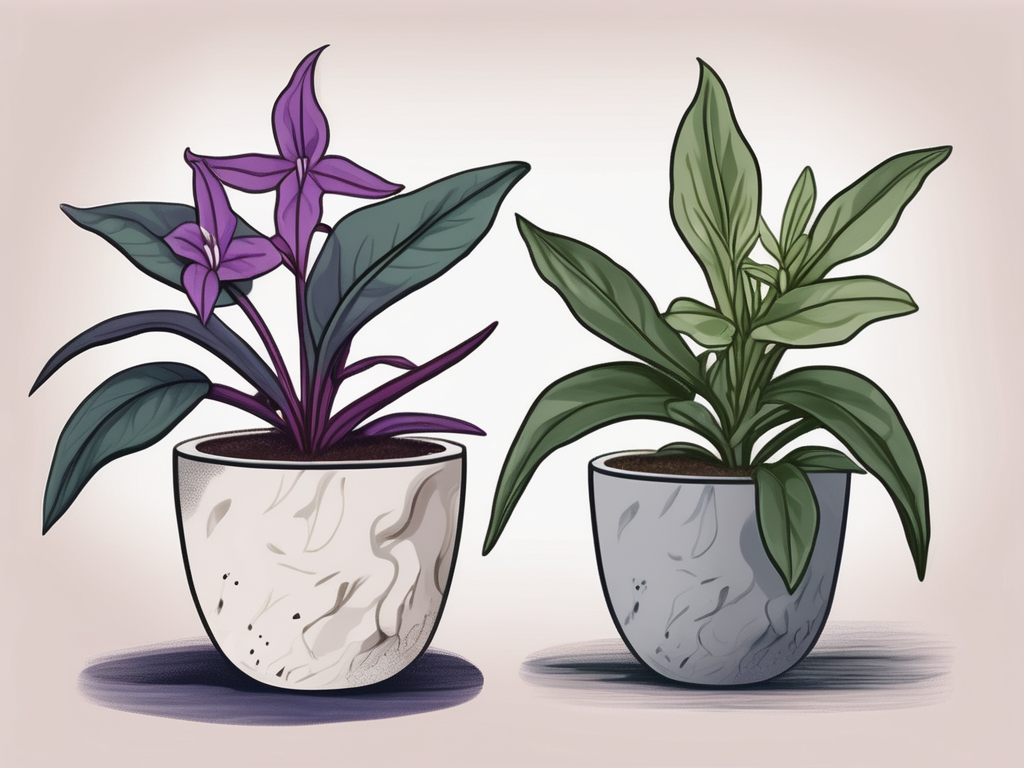
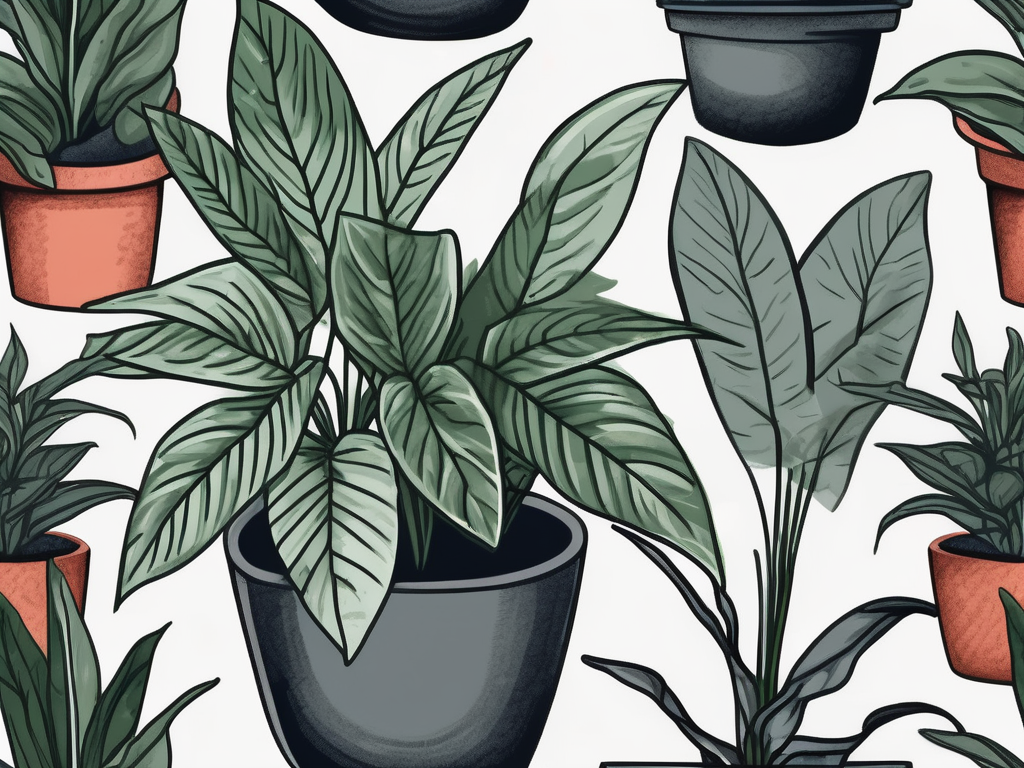
Before we jump into the nitty-gritty of temperature care, let’s get acquainted with this lovely plant. The Purple Waffle Plant, scientifically known as Hemigraphis alternata, is native to the tropical regions of Asia. It’s adored for its unique, crinkled leaves that display a beautiful purple hue underneath. This plant doesn’t just bring color to the table; it also helps purify the air, making it a functional addition to your indoor garden.
The plant is often grown indoors due to its love for warm, humid environments. It can be a bit finicky when it comes to temperature, which is why understanding its preferences is so crucial. Knowing where it comes from can help us replicate its natural habitat conditions in our homes.
Why It's Called the Purple Waffle Plant
The nickname “Purple Waffle” comes from the texture and appearance of the leaves. They look a bit like the surface of a waffle, with their raised, crinkly texture. This texture is not just for show—it actually helps the plant in its natural habitat by reducing water loss. Pretty clever, right?
2. Ideal Temperature Range
Now, let’s talk about where your Purple Waffle Plant would be happiest temperature-wise. This plant thrives in temperatures between 60°F and 80°F (15°C to 27°C). Keeping your plant within this range helps mimic the warm, tropical climate it calls home.
Fluctuations outside this range can stress the plant. If temperatures drop too low, you might notice the plant starting to wilt or the leaves losing their vibrant color. On the other hand, if it’s too hot, the leaves can become scorched, looking dry and frazzled.
Indoor Temperature Control
Maintaining the right temperature indoors can be a bit tricky, especially if you live in an area with significant seasonal changes. Here are some tips to help you keep things just right:
- Thermostat Management: Keep an eye on your home’s thermostat settings. This is the easiest way to control the environment for your plant.
- Avoid Drafts: Place your plant away from windows or doors that might let in cold drafts during winter or excessive heat during summer.
- Humidity Assistance: Use a humidifier if your home tends to be dry, as warmth and humidity often go hand-in-hand for tropical plants.
3. Handling Seasonal Changes
Every plant parent knows that seasons change, and with them, so do the indoor conditions. The Purple Waffle Plant, like many tropical plants, can be sensitive to these changes. Here’s how to prepare for each season:
Winter Woes
Winter can be tough on your Purple Waffle Plant due to the drop in temperature and humidity. To keep it cozy, consider these strategies:
- Move It Away from Windows: Cold air can seep through even well-insulated windows. Relocating the plant to a warmer part of the room can help.
- Use a Space Heater: If you can, use a small space heater to maintain the room’s temperature, but ensure it doesn’t blow directly on the plant.
- Increase Humidity: Grouping plants together or placing a saucer of water nearby can help increase humidity levels.
Summer Care
While summer brings warmth, sometimes it can be too much of a good thing. Here’s how to protect your plant from overheating:
- Avoid Direct Sunlight: Too much sun can cause the leaves to burn. Opt for indirect light.
- Monitor Indoor Temperature: If the room feels too hot to you, it’s probably too hot for your plant.
- Use Fans Wisely: Fans can help circulate air, but avoid placing them too close to the plant.
4. Spotting Temperature Stress
Plants are pretty good at communicating their needs, albeit in their own way. If your Purple Waffle Plant is experiencing temperature stress, it will show some tell-tale signs. Here’s what to watch for:
- Wilting Leaves: This is often the first sign of stress. The leaves might droop and lose their firmness.
- Color Changes: Leaves might lose their vibrant purple hue or develop brown edges.
- Slow Growth: If your plant seems to be taking a vacation from growing, temperature might be the culprit.
What to Do Next
If you notice these signs, take action quickly. Adjust the plant’s location or use the tips mentioned earlier to better control its environment. Sometimes, even small changes can have a big impact on your plant’s health.
5. The Role of Humidity
While our main focus is temperature, we can’t ignore humidity. The Purple Waffle Plant thrives in high humidity, which often goes hand-in-hand with warmer temperatures. When the air is dry, the plant can suffer, making it more susceptible to temperature stress.
Creating a Humid Environment
Increasing humidity can be easier than you think. Consider these practical tips:
- Use a Humidifier: This is the most effective way to add moisture to the air.
- Misting: Occasionally misting the leaves can provide a temporary boost in humidity.
- Water Trays: Place a tray of water near the plant. As the water evaporates, it will increase humidity.
Remember, a happy plant is often a humid plant, especially in the case of tropical varieties like the Purple Waffle Plant.
6. Outdoor vs. Indoor Living
Some plant parents might wonder if their Purple Waffle Plant can enjoy a summer vacation outdoors. The short answer is yes, but with caution. Here’s how to handle the transition:
Outdoor Guidelines
If you choose to move your plant outside, do it gradually. Sudden exposure to outdoor conditions can shock the plant.
- Start in Shade: Begin by placing the plant in a shaded area. Gradually increase its exposure to sunlight.
- Monitor Temperature: Ensure the outdoor temperature stays within the plant’s preferred range.
- Watch for Pests: Outdoor environments can introduce pests. Inspect your plant regularly.
Bringing the plant back indoors as temperatures begin to drop is crucial to prevent cold damage.
7. Dealing with Cold Snaps
Even the best-laid plans can be thrown off by an unexpected cold snap. If this happens, here’s how to protect your Purple Waffle Plant:
Emergency Measures
- Move Quickly: Bring the plant indoors or to a warmer part of the house as soon as possible.
- Insulate: If moving isn’t an option, place a blanket or sheet over the plant to help retain heat.
- Heat Source: Use a gentle heat source nearby, but be cautious not to overheat.
A little preparation goes a long way in keeping your plant safe during unexpected weather changes.
8. Long-Term Temperature Management
For those committed to long-term plant health, establishing a consistent environment is key. Consider these strategies for maintaining a stable climate:
Routine Checks
Regularly check the temperature and humidity levels in your plant’s environment. Consistency is crucial, but small, gradual changes can help your plant adjust more easily.
- Temperature Monitors: Invest in a digital thermometer or hygrometer to keep tabs on conditions.
- Adjust with Seasons: Be proactive about changing conditions as seasons shift.
- Create a Microclimate: Group plants together to create a small, controlled environment.
Being mindful of these factors will help ensure your Purple Waffle Plant continues to flourish.
9. Bringing it All Together
At this point, you should feel equipped with the knowledge to care for your Purple Waffle Plant’s temperature needs. Remember, it’s about finding the right balance and being attentive to your plant’s signals.
Whether it’s adjusting the thermostat or moving your plant to a new spot in the house, these small actions can make a big difference in keeping your plant happy.
Final Thoughts
We’ve covered a lot, from the Purple Waffle Plant’s ideal temperature range to spotting signs of stress. Armed with these insights, you’re well on your way to cultivating a thriving, colorful plant.
At Cafe Planta, we’re just as passionate about plants as you are. If you ever have questions or need advice on plant care, feel free to email us, or drop by our Instagram. We’re here to support you in building a beautiful plant collection that brings joy and life to your home.