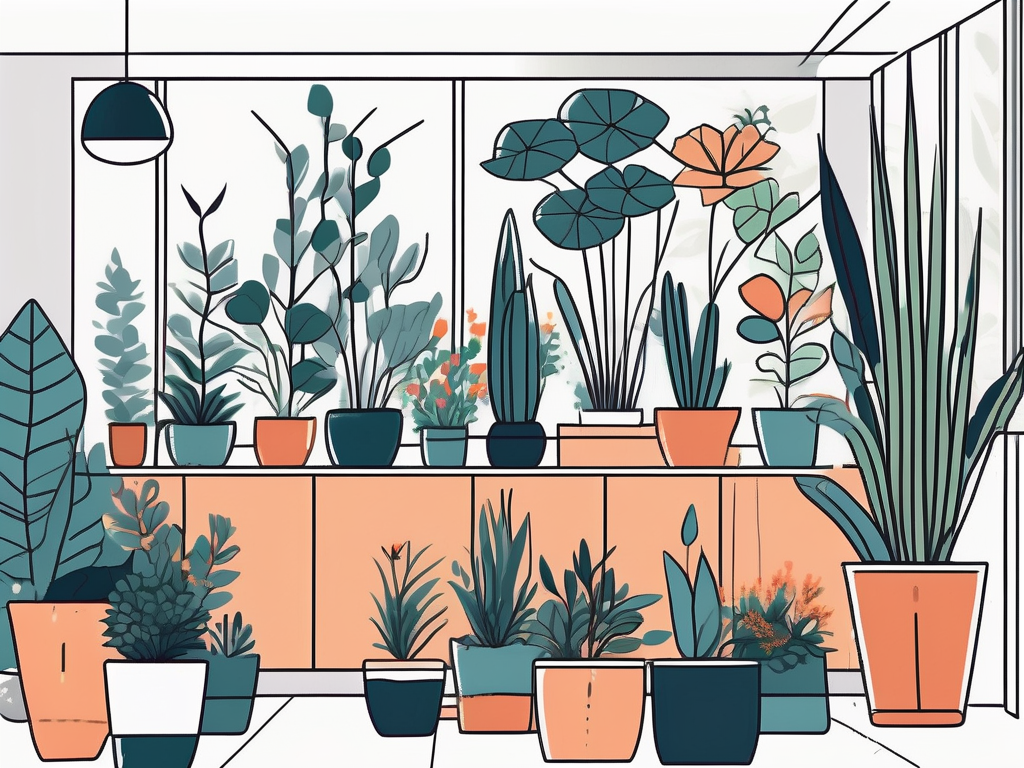
Who doesn't love a splash of color in their home? A vibrant indoor garden can transform your space, lifting your mood and adding a touch of nature's beauty to your daily life. Flowering houseplants are a fantastic way to bring this vibrancy indoors, and today, we're going to explore some of the top choices to consider.
In the sections that follow, we'll dive into ten delightful flowering houseplants that are perfect for brightening up your home. We'll talk about their unique features, care requirements, and how they can add to your interior design. Ready to turn your home into a blooming paradise? Let's get started!
African Violet: The Charming Classic
African Violets have been a beloved choice for indoor gardeners for decades. These charming plants boast clusters of velvety flowers in shades of purple, pink, and white, creating a soft and elegant appearance. What's great about African Violets is their compact size, making them perfect for windowsills or small spaces.
Caring for these beauties is relatively straightforward. They thrive in bright, indirect sunlight, so placing them near a north- or east-facing window works wonders. Ensure the soil is consistently moist but not soggy, as they dislike sitting in water. A good rule of thumb is to water from the bottom to prevent water from splashing onto their fuzzy leaves, which can cause spotting.
For those who enjoy a hands-on approach, African Violets respond well to regular feeding. A balanced fertilizer every four to six weeks keeps them blooming happily. And if you're worried about repotting, don't be! These plants prefer to be slightly root-bound, so you won't have to repot frequently.
Orchid: The Elegant Showstopper
Orchids are like the divas of the plant world. They're stunning, showy, and sometimes a bit fussy, but oh so worth it. With their exotic-looking flowers in a myriad of colors, orchids can add a touch of luxury to any room.
When it comes to care, orchids can be a little intimidating, but they're not as challenging as they seem. They thrive in bright, indirect light; think of the light conditions you'd find under a leafy tree. Watering is where many people trip up—it's best to water them once a week, letting them dry out between waterings. Orchids planted in bark or a special orchid mix tend to thrive because these mediums mimic their natural environment.
Humidity is another factor to consider. Orchids enjoy a humid environment, so if your home is dry, a humidity tray or a spot in the bathroom can do wonders. And don't forget to talk to them! While there's no scientific proof, many plant lovers swear by chatting with their orchids to encourage blooming.
Peace Lily: The Low-Maintenance Beauty
Peace Lilies are fantastic for those who want a beautiful flowering plant without a lot of fuss. With their striking white blooms and lush green leaves, they bring a sense of calm and tranquility to any space.
These plants aren't picky about light and can thrive in low light conditions, making them ideal for offices or rooms that don't get much natural sunlight. However, they'll bloom more frequently in brighter spots, so if you can, place them where they can enjoy some indirect light.
One of the best things about Peace Lilies is their ability to purify the air, which is a nice bonus for any home. They're also forgiving when it comes to watering. Let them dry out a bit between waterings, and they'll reward you with their charming blooms.
Just remember, Peace Lilies are a bit dramatic—they'll droop if they're thirsty, but perk right back up once watered. It's like they're saying, "Hey, don't forget about me!"
Begonia: The Versatile Performer
Begonias are a diverse group of plants, offering a wide range of flower colors and leaf shapes. Whether you're looking for something bold and bright or soft and subtle, there's likely a begonia to fit your style.
These plants are fairly adaptable, doing well in bright, indirect light, but they can tolerate lower light conditions too. When it comes to watering, begonias prefer to be kept on the drier side. Let the top inch of soil dry out before giving them a good soak. Overwatering is one of the few things that can cause issues, so it's better to err on the side of caution.
Begonias are also a great option if you're looking for a plant that can transition between indoor and outdoor spaces. Many varieties can thrive on a shaded patio during the summer months, then be brought inside when the temperatures drop.
Don't be afraid to experiment with different varieties, like the Rex Begonia, known for its dramatic foliage, or the Wax Begonia, which is perfect for those who love a pop of color.
Jasmine: The Scented Delight
Jasmine isn't just a plant—it's an experience. With its sweet, intoxicating fragrance, it's like bringing a piece of paradise into your home. Plus, those delicate white flowers are a delight to behold.
Caring for indoor jasmine plants requires a bit of attention, but the rewards are well worth it. They thrive in bright light and benefit from a few hours of direct sun each day. If you have a south-facing window, your jasmine will be very happy there.
When it comes to watering, keep the soil evenly moist, but be careful not to overdo it. Jasmine plants don't like to sit in soggy soil. They also appreciate a little extra humidity, so if your home is dry, consider misting them or placing a humidifier nearby.
One of the best things about jasmine is its versatility. You can train it to climb a trellis, let it cascade from a hanging pot, or even shape it into a topiary for a touch of whimsy.
Hibiscus: The Tropical Show-Off
If you're dreaming of a tropical getaway, why not start by adding a hibiscus to your indoor garden? With their large, bold blooms in vibrant reds, oranges, and yellows, hibiscus plants can transport you to a sun-soaked paradise.
Hibiscus plants love warmth and light, so a bright spot in your home is ideal. They enjoy soaking up the sun, so a south or west-facing window is perfect. Just be sure to rotate the plant occasionally to keep its growth balanced.
Watering hibiscus can be a bit of a balancing act. They like to be kept consistently moist, especially during their active growing season. However, they don't appreciate sitting in water, so make sure your pot has good drainage.
Hibiscus plants are also heavy feeders, so a regular dose of fertilizer during the spring and summer months will keep them blooming beautifully. If you're up for a bit of pruning, cutting them back in early spring can encourage a bushier plant with more flowers.
Anthurium: The Heart of the Matter
Anthuriums are known for their striking, heart-shaped flowers and glossy green leaves. These tropical beauties are perfect for adding a pop of color and a touch of elegance to any room.
While Anthuriums can be a bit more finicky than some other houseplants, they're not too difficult to care for. They thrive in bright, indirect light, so a spot near a window with filtered sunlight is ideal. If the leaves start to yellow, it might be getting too much direct sun.
These plants prefer a well-draining soil mix, and it's best to let the top inch of soil dry out before watering again. Overwatering can lead to root rot, so it's better to be cautious.
One interesting thing about Anthuriums is that their "flowers" are actually modified leaves called spathes, with the real flowers being those tiny bumps on the spadix (the long, finger-like structure). It's a neat bit of botany that adds to their charm.
Christmas Cactus: The Holiday Bloomer
Despite its name, the Christmas Cactus isn't just for the holidays. With proper care, it can bloom multiple times a year, offering a cascade of pink, red, or white flowers that brighten up any space.
Christmas Cacti are relatively low-maintenance plants. They prefer bright, indirect light, making them a good fit for most indoor spaces. When it comes to watering, allow the soil to dry out slightly between waterings, as they don't like to be waterlogged.
One thing to note is that Christmas Cacti appreciate cooler temperatures to encourage blooming. If you can, move them to a cooler spot in your home at night, especially in the fall, to help trigger flower production.
If you're feeling adventurous, you can even propagate your Christmas Cactus by taking cuttings and rooting them in water or soil. It's a fun way to share the plant love with friends and family.
Geranium: The Cheerful Companion
Geraniums are often associated with outdoor gardens, but they can thrive indoors too, providing a cheerful burst of color with their vibrant blooms. With shades ranging from red to pink to white, they offer plenty of variety for any plant lover.
These plants love light, so a sunny windowsill is the perfect spot for them. They prefer cooler temperatures, so keep them away from drafts or heat sources that might cause them to wilt.
When watering geraniums, let the soil dry out a bit between waterings, as they don't enjoy sitting in soggy soil. A well-draining potting mix helps prevent overwatering issues.
Geraniums are also fairly easy to propagate. Simply take a cutting, remove the lower leaves, and place it in water or directly into soil. New roots should form in a few weeks, giving you a new plant to enjoy or share.
Final Thoughts
Adding flowering houseplants to your indoor garden can bring a burst of color and joy to your home. From the classic charm of African Violets to the tropical allure of Hibiscus, there's a perfect plant for every space and style.
At Cafe Planta, we're passionate about helping you cultivate your plant collection. Whether you have questions about plant care or need advice on selecting the right plant for your space, we're here to help. Feel free to email us or reach out on Instagram. We believe in the power of plants to connect and inspire, and we're excited to share our love of greenery with you!