Geo plants, with their striking foliage and architectural elegance, have become a favorite among plant lovers. But like any plant, they can show signs of distress if their needs aren't met. Recognizing these signs early can make the difference between a thriving plant and one that’s on its last legs.
In this article, we’ll explore the troubling signs of a dying Geo plant. We’ll discuss why these issues occur and how to address them, providing you with practical tips to nurse your plant back to health. Stick around as we unravel this green mystery.
Understanding Geo Plants
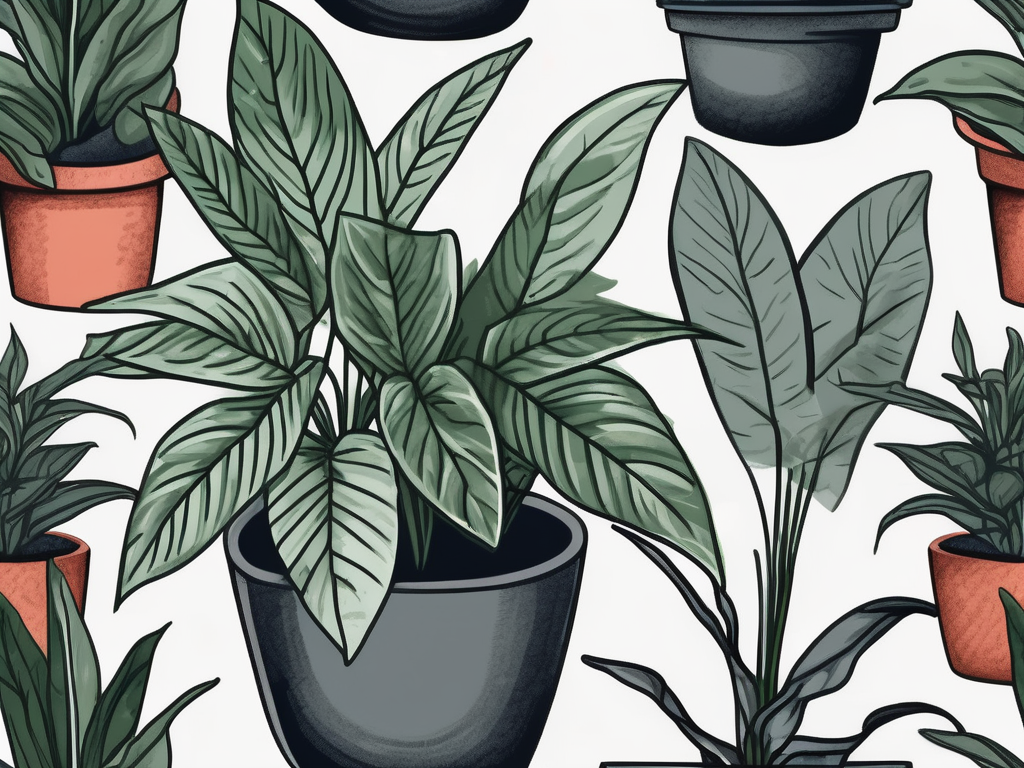
First things first, let’s get to know our leafy friends a bit better. Geo plants are known for their distinct geometric patterns and variegated leaves. These plants usually thrive in bright, indirect light and enjoy a humid environment. They’re not too keen on cold drafts or direct sunlight, which can scorch their leaves.
Before we dive into the nitty-gritty of plant ailments, it’s helpful to know what a healthy Geo plant looks like. Typically, they boast vibrant colors, firm leaves, and a stable growth pattern. Their soil should be slightly moist but not waterlogged, and they should be in a pot with good drainage.
Understanding these basics will help you better identify when something’s amiss. So, let’s talk about what you can do when things start to go south.
Yellowing Leaves
One of the earliest signs of trouble is yellowing leaves. While it’s normal for lower leaves to yellow and die off occasionally, widespread yellowing can be a red flag. This often indicates overwatering, one of the most common issues with Geo plants.
Check the soil moisture by sticking your finger about an inch deep into the soil. If it’s soggy, it’s time to cut back on the watering. Geo plants prefer their soil to dry out slightly between waterings. You might also want to consider using a moisture meter for more accurate readings.
Additionally, ensure that your pot has adequate drainage. Sitting in water can suffocate the roots, leading to yellowing leaves. If drainage is an issue, you might need to repot your plant into a container with holes and a suitable potting mix.
Brown Leaf Tips
If the tips of your Geo plant’s leaves are turning brown, you might be dealing with low humidity or fluoride sensitivity. Geo plants hail from tropical regions and love a bit of extra moisture in the air.
Try misting your plant regularly or placing it on a pebble tray filled with water. This will help increase the humidity around the plant. If the air in your home is particularly dry, investing in a humidifier might be a worthwhile move.
Fluoride sensitivity can also cause brown tips. Tap water often contains fluoride, which can build up in the soil. Try using distilled or rainwater for a while to see if there’s any improvement.
Drooping Leaves
A once-perky Geo plant that’s suddenly looking droopy is usually trying to tell you something. This can be due to underwatering or overwatering, so it’s important to check the soil moisture.
If the soil is bone dry, give your plant a good soak. Place the pot in a sink or basin and water it thoroughly until you see water draining from the bottom. Let it sit for a few minutes to absorb as much water as it needs, then let it drain completely before putting it back in its spot.
If the soil is too wet, it’s crucial to let it dry out. Hold off on watering and make sure your plant is in a well-ventilated area to help the soil dry faster.
Stunted Growth
Is your Geo plant not growing as it should? Stunted growth can be a sign of nutrient deficiency or poor lighting conditions. Geo plants need adequate light to photosynthesize and grow.
Ensure your plant is getting bright, indirect light. If it’s in a low-light area, consider moving it closer to a window or supplementing with a grow light. Just be careful to avoid direct sunlight, which can harm the leaves.
If lighting isn’t the issue, you might need to consider fertilizing. Use a balanced, water-soluble fertilizer every month during the growing season (spring and summer). Make sure to follow the package instructions to avoid over-fertilizing, which can damage your plant.
Pests and Diseases
Geo plants, like all houseplants, can fall victim to pests and diseases. Common culprits include spider mites, aphids, and mealybugs. These pests can cause discolored leaves, stunted growth, and even leaf drop.
To tackle pests, start by isolating the affected plant to prevent the spread to other housemates. You can then remove the pests manually with a damp cloth or rinse the plant with a gentle stream of water. In more severe cases, you might need to use insecticidal soap or neem oil.
Diseases like root rot can also plague Geo plants. This fungal disease is often a result of overwatering. If you suspect root rot, you’ll need to remove the plant from its pot and trim away any mushy, brown roots. Repot the plant in fresh, well-draining soil, and adjust your watering habits to prevent recurrence.
Leaf Drop
Leaf drop can be alarming, especially when it happens suddenly. It’s your plant’s way of crying out for help, usually due to stress. Changes in environment, such as being moved to a new location or shifts in temperature, can cause this issue.
Try to keep your Geo plant’s environment stable. Avoid moving it around too much or placing it near drafts or heaters. If you’ve recently repotted or moved your plant, give it some time to adjust. Make sure it’s getting proper care, and it should bounce back.
Sometimes, leaf drop is a result of pests or diseases, so it’s worth giving your plant a thorough inspection to rule out these causes.
Fungal Infections
Geo plants can sometimes suffer from fungal infections, which often manifest as spots on the leaves or stems. This can occur if the plant is kept too wet or in overly humid conditions without adequate airflow.
If you notice spots appearing, first move your plant to a less humid location, if possible, and ensure it has good air circulation. Remove any affected leaves to stop the spread of the fungus. You can also apply a fungicide if the problem persists.
Prevent fungal infections by ensuring your Geo plant is not overcrowded. Allow space for air to move around it, and avoid getting the leaves wet when you water. Only water the soil directly.
Repotting Issues
Sometimes, Geo plants can show signs of stress after repotting, such as drooping or yellowing leaves. This is often due to transplant shock, which occurs when a plant is disturbed and its roots are exposed.
To minimize shock, handle your plant gently during repotting, and try to keep the root ball intact as much as possible. Water the plant thoroughly after repotting to help settle the soil and eliminate air pockets. Keep the plant in its usual spot, and avoid fertilizing until it shows signs of new growth.
If your plant continues to struggle after repotting, check if the new pot is too large. A pot that’s too big can hold too much water, leading to root rot. Consider repotting again into a more appropriately sized container.
Final Thoughts
Caring for Geo plants can be a rewarding experience, especially when you catch and address any signs of distress early. Remember, yellowing leaves, drooping, and pest issues are all ways your plant communicates its needs. By paying attention and adjusting your care routine, you can help your plant thrive.
At Cafe Planta, we’re passionate about plants and helping you care for them. Whether you’re looking for a new addition to your collection or need advice on keeping your current plants healthy, we’re here to help. Feel free to email us or reach out on Instagram. Let’s grow together!