Ficus plants, with their glossy leaves and graceful structure, have long been a favorite among houseplant lovers. Whether you're a seasoned plant parent or just starting your indoor garden, ficus plants offer a range of varieties that can fill your home with vibrant greenery. If you're looking to add a touch of nature to your space, you're in the right place.
Today, we're going to cover everything you need to know about caring for ficus plants. From selecting the right type for your home to understanding their watering needs, we'll guide you through each step. By the end, you'll feel confident in nurturing your ficus to thrive indoors.
Choosing the Right Ficus for Your Space
Before diving into the care specifics, it's important to select a ficus variety that suits your living space. Ficus trees come in a range of sizes and shapes, each with its own personality and care requirements. Here are a few popular options to consider:
- Fiddle Leaf Fig (Ficus lyrata): Known for its large, violin-shaped leaves, this ficus can be a stunning statement piece in any room. It's best suited for spaces with bright, indirect light.
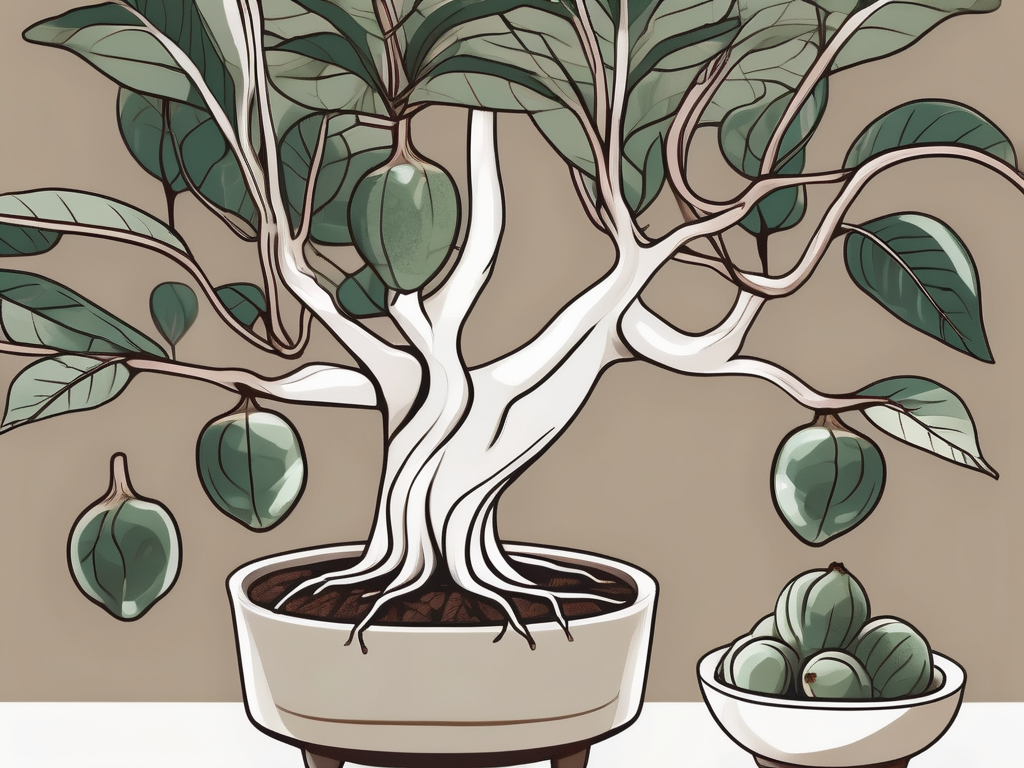
- Weeping Fig (Ficus benjamina): With its elegant, arching branches and glossy leaves, the weeping fig is a classic choice. It prefers a stable environment with consistent light and humidity.
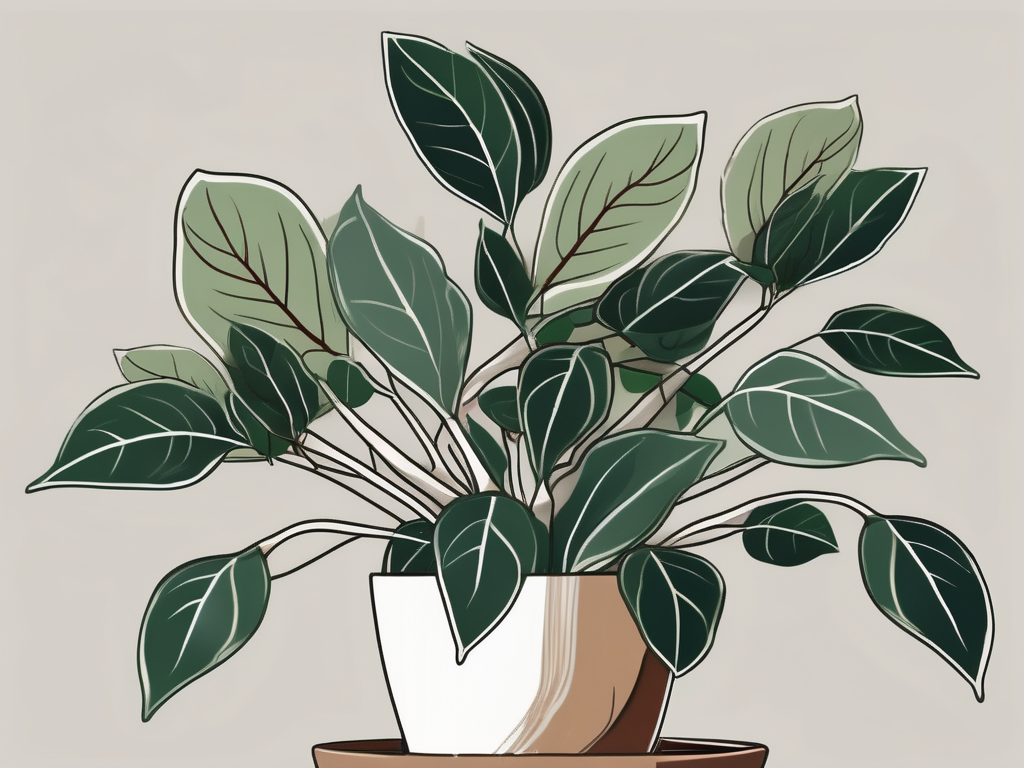
- Rubber Plant (Ficus elastica): This hardy plant is great for beginners. It features thick, shiny leaves and can tolerate lower light conditions than other ficus varieties.
Think about the light levels and space available in your home when choosing your ficus. If you have a sunny spot, the fiddle leaf fig might be perfect. For a more shaded area, consider a rubber plant that can adapt to less light.
Potting and Soil Requirements
Ficus plants appreciate well-draining soil, which is crucial to prevent root rot. When potting your ficus, choose a container with drainage holes to allow excess water to escape. Here's how you can create an ideal soil mix for your ficus:
- Use a base of standard potting soil, which provides essential nutrients.
- Mix in perlite or pumice to enhance drainage.
- Add a bit of peat moss to retain moisture without making the soil soggy.
Repotting is usually needed every two to three years or when you notice roots growing out of the pot's drainage holes. When it's time to repot, gently remove the plant from its current container and place it in a slightly larger pot with fresh soil mix. This gives your ficus the room it needs to grow and access fresh nutrients.
Understanding Light Needs
Light is a critical factor in the health of your ficus plant. Most ficus varieties thrive in bright, indirect light. Direct sunlight can scorch their leaves, while too little light can cause them to drop leaves. Here are some tips to get the lighting just right:
- Place your ficus near a north- or east-facing window where it can receive gentle morning sunlight.
- If you have a south- or west-facing window, use sheer curtains to diffuse the intense afternoon sun.
- In spaces with limited natural light, consider using a grow light to supplement your ficus's needs.
Keep an eye on your plant's leaves as they can provide clues about its light conditions. If the leaves are yellowing or falling off, it might be a sign that your ficus needs more light. Conversely, brown spots might indicate too much direct sun.
Watering Your Ficus
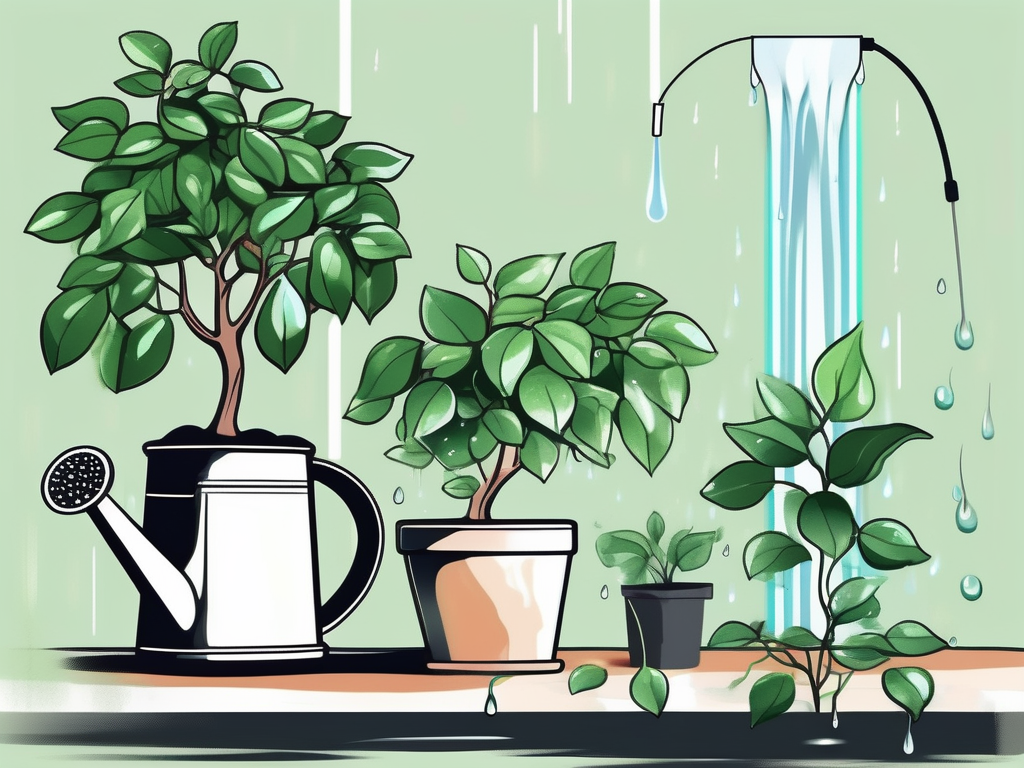
Getting the watering routine right for your ficus is essential for its well-being. Overwatering is a common issue and can lead to root rot, while underwatering may cause leaf drop. Here's a simple approach to watering your ficus:
- Check the soil moisture by sticking your finger about an inch into the soil. If it feels dry, it's time to water.
- Water thoroughly until you see water draining out of the pot's bottom.
- Allow the top inch of soil to dry out before watering again.
Adjust your watering schedule according to the season. During the growing seasons of spring and summer, your ficus might need more frequent watering. In the dormant winter months, you can reduce watering as the plant's growth slows down.
Fertilizing for Growth
Ficus plants benefit from regular feeding during their active growing season. A balanced, water-soluble fertilizer can support healthy growth and vibrant foliage. Here's how to feed your ficus:
- Use a balanced 10-10-10 fertilizer diluted to half strength.
- Feed your plant once a month from spring through early fall.
- Avoid fertilizing in the winter when the plant's growth naturally slows down.
Over-fertilizing can be harmful, so always follow the instructions on the fertilizer package. If you notice burnt leaf tips or an unusual amount of leaf drop, it might be a sign of too much fertilizer.
Dealing with Pests and Diseases
Ficus plants are generally resilient, but they can occasionally fall victim to pests like spider mites, scale, and mealybugs. Keeping an eye on your plant for early signs of infestation is key. Here's how you can manage common ficus pests:
- Inspect your plant regularly for signs of pests, such as webbing or sticky residue.
- Wipe leaves with a damp cloth to remove pests and dust.
- Use insecticidal soap or neem oil to treat infestations while protecting your plant's health.
Prevention is the best strategy, so make sure your ficus has proper air circulation and isn't overwatered, as these conditions can attract pests and diseases.
Pruning and Shaping
Pruning your ficus is not only about aesthetics but also about maintaining its health. Regular pruning can encourage new growth and help you shape the plant to fit your space. Here's how to prune your ficus:
- Use clean, sharp scissors or pruning shears to avoid damaging the plant.
- Remove dead or damaged leaves to allow the plant to focus its energy on healthy growth.
- Cut back leggy growth to encourage a fuller, bushier shape.
Pruning is best done in the spring when your ficus is actively growing. If you want to maintain a specific shape or size, regular pruning will be your best friend.
Creating a Beautiful Space with Ficus
Ficus plants can be a stylish addition to any interior design, providing a natural element that enhances your room's ambiance. Here's how you can integrate ficus into your home decor:
- Use a large ficus like a fiddle leaf fig as a focal point in your living room or entryway.
- Pair smaller varieties, like the rubber plant, with decorative pots that complement your room's color scheme.
- Group different ficus varieties together for a lush, layered look.
By strategically placing your ficus, you can create an inviting and refreshing atmosphere in any room. Let your plants reflect your personal style, and use them to breathe life into your home.
Final Thoughts
Caring for a ficus plant can be a rewarding experience that brings a slice of nature into your home. By choosing the right variety, providing the proper environment, and nurturing it with love and care, your ficus will thrive and beautify your space.
At Cafe Planta, we're passionate about helping you on your plant journey. Whether you're looking for a new plant friend or need advice on plant care, we're here for you. Feel free to email us or reach out on Instagram. Let's grow together and create beautiful, thriving plant collections in our homes.