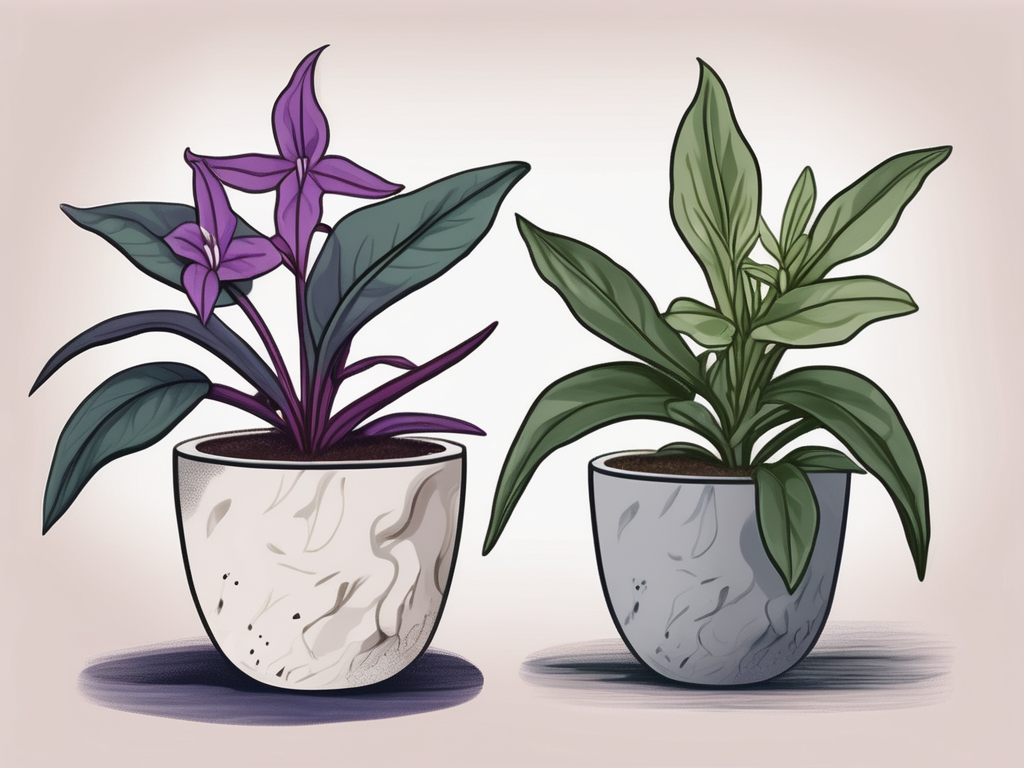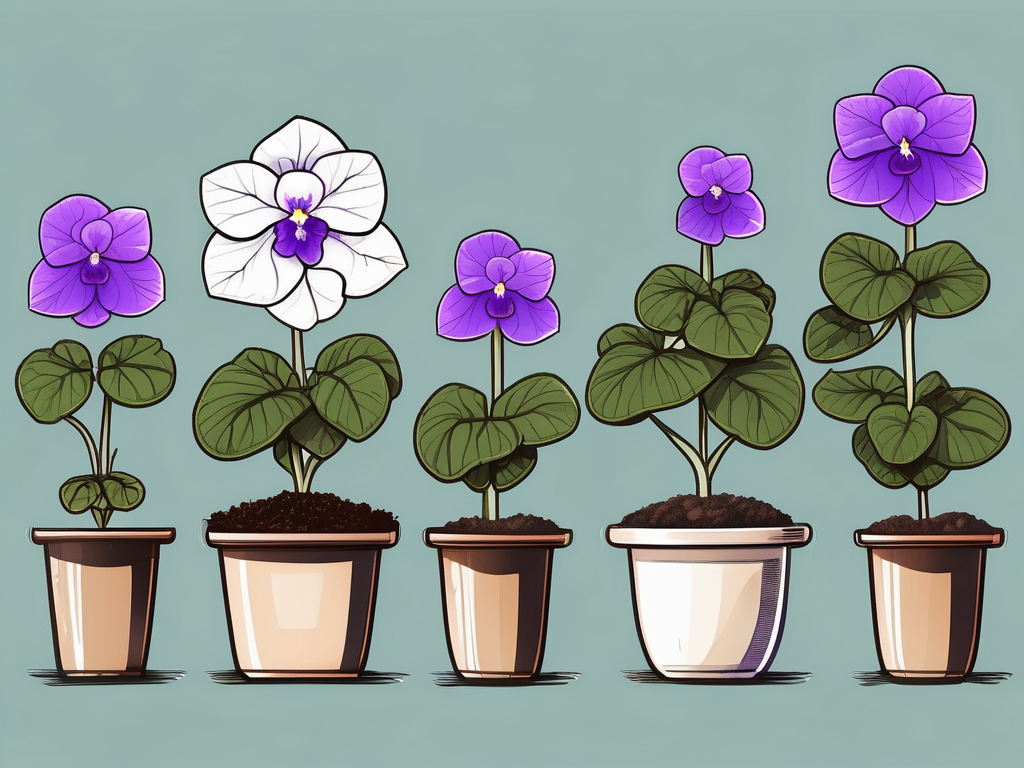
If you're a fan of African Violets, you might already know how charming these little plants can be with their vibrant blooms and velvety leaves. But have you ever thought about starting them from seeds? Growing African Violets from seed can be a fascinating journey filled with anticipation and joy.
In this article, we'll explore the ins and outs of African Violet seeds. We'll cover everything from choosing the right seeds to caring for seedlings and ensuring they grow into healthy, flourishing plants. Whether you're a seasoned plant parent or just starting out, you'll find plenty of tips and tricks to help you on your way.
Choosing the Right African Violet Seeds
Before you can begin the process of growing African Violets from seeds, you'll need to pick the right ones. With so many varieties available, it can be a bit overwhelming. Here are a few tips to help you make the perfect choice:
- Research Varieties: African Violets come in numerous varieties, each with unique colors and leaf patterns. Some popular choices include the classic purple, pink, and white blooms. Consider what aesthetic fits best in your home.
- Consider Seed Quality: High-quality seeds are a must for healthy plants. Look for reputable sellers who provide information about the seed's origin and germination rate.
- Hybrid vs. Heirloom: Decide if you want hybrid seeds, which are bred for specific traits, or heirloom seeds, which are traditional varieties passed down through generations.
Once you've selected your seeds, you're ready to move on to the next step: preparation. But don't worry, it's easier than you might think!
Preparing to Plant African Violet Seeds
Getting ready to plant your African Violet seeds involves a bit of preparation, but it's a rewarding process. Here's how to get started:
Gather Your Supplies: You'll need a few basic items to begin. Here's a quick checklist:
- Seed trays or small pots
- Seed-starting mix or a light, well-draining soil
- A spray bottle for watering
- Plastic wrap or a clear plastic lid to cover the trays
Prepare the Seed-Starting Mix: African Violets prefer a loose, airy soil. A seed-starting mix is ideal, as it's specifically designed for germinating seeds. Moisten the mix slightly before placing it in your seed trays.
Set Up Your Growing Area: Find a warm, bright location for your seed trays. African Violet seeds need light to germinate, so a sunny windowsill or a spot under grow lights works well. Make sure the temperature stays between 70-75°F for optimal germination.
With your supplies ready and your growing area set, it's time to plant those seeds!
Planting Your African Violet Seeds
Now comes the fun part: planting your seeds. This step requires a bit of patience and a gentle touch. Here’s how to do it:
Sow the Seeds: African Violet seeds are incredibly tiny, almost like dust. To plant them, gently sprinkle the seeds over the surface of the moistened seed-starting mix. Avoid covering them completely, as they need light to germinate.
Moisture and Humidity: After sowing, use a spray bottle to mist the surface lightly. Cover the trays with plastic wrap or a clear lid to maintain humidity. This creates a mini-greenhouse effect, keeping the seeds warm and moist.
Monitor Light and Temperature: Ensure your seeds receive plenty of light, but avoid direct sunlight, which can be too harsh. Keep the temperature consistent within the recommended range.
It's a waiting game now. Germination can take anywhere from a few weeks to a couple of months, so patience is key!
Caring for African Violet Seedlings
Once your seeds sprout, you'll see tiny seedlings emerging. It's an exciting moment, but be sure to give them the care they need to thrive:
Gradually Remove Covering: As seedlings grow, they'll need more air circulation. Gradually remove the plastic wrap or lid over a week to acclimate them to the environment.
Watering: Keep the seedlings moist but not soggy. African Violets are sensitive to overwatering, so use a spray bottle or a gentle watering can.
Fertilization: Once the seedlings have a few true leaves, you can start feeding them with a diluted liquid fertilizer. This supports healthy growth and development.
With these care tips, your seedlings will continue to grow strong, setting the stage for the next step: transplanting.
Transplanting African Violet Seedlings
Transplanting is a crucial step in your seedlings' journey to becoming mature plants. Here's how to handle this process with care:
Identify When to Transplant: Seedlings are ready to move to individual pots when they have several true leaves. They should be sturdy enough to handle the transition.
Choose Appropriate Pots: Small pots are ideal at this stage. African Violets prefer being slightly root-bound, so pots around 2-3 inches in diameter work well.
Transplant with Care: Gently remove seedlings from the seed tray, taking care not to damage the roots. Plant them in their new pots, using a well-draining African Violet potting mix.
After transplanting, give your plants a little extra attention to help them settle into their new homes. They'll soon reward you with beautiful blooms!
Common Challenges and Solutions
Like all plants, African Violets can face a few challenges along the way. Here are some common issues and how to address them:
Fungal Issues: Overwatering and poor air circulation can lead to fungal problems. Ensure your plants have good ventilation, and let the soil dry slightly between waterings.
Pests: African Violets can attract pests like aphids and spider mites. Regularly inspect your plants and use insecticidal soap or neem oil if needed.
Wilting or Yellowing Leaves: This can be a sign of overwatering or insufficient light. Adjust your watering schedule and ensure your plants receive adequate, indirect sunlight.
By staying vigilant and addressing issues promptly, you'll keep your African Violets healthy and vibrant.
Creating a Beautiful Indoor Space with African Violets
Once your African Violets are thriving, it's time to integrate them into your home decor. They can add beauty and charm to any space:
Choose the Right Location: African Violets thrive in bright, indirect light. Place them on a windowsill with filtered sunlight or under grow lights.
Consider Grouping: Grouping your plants together can create a stunning display. Mix different varieties and colors for a vibrant, eye-catching arrangement.
Use Decorative Pots: Choose pots that complement your interior style. Whether you prefer classic ceramics or modern, minimalist designs, the right pot can enhance your plant's beauty.
With a bit of creativity, your African Violets can become a stunning focal point in your home.
Advanced Tips for African Violet Enthusiasts
If you're ready to take your African Violet growing skills to the next level, here are some advanced tips to consider:
Propagation: Besides seeds, you can propagate African Violets from leaf cuttings. Simply take a healthy leaf, cut it at a 45-degree angle, and place it in a potting mix. With time, new plantlets will emerge.
Cross-Pollination: For those interested in hybridizing, try cross-pollinating different varieties to create unique blooms. It's a fun way to experiment and develop new strains.
Optimal Conditions: Consider investing in humidity trays or small fans to maintain ideal growing conditions. African Violets prefer humidity levels between 40-60%.
These advanced techniques can add excitement and depth to your African Violet growing experience.
Final Thoughts
Growing African Violets from seeds is a delightful endeavor that combines patience, curiosity, and a touch of magic. From selecting the right seeds to nurturing seedlings into mature plants, each step offers the joy of discovery.
At Cafe Planta, we're passionate about all things green and would love to help you on your plant journey. Whether you have questions or need supplies, feel free to email us or connect with us on Instagram. Let's enjoy the beauty of plants together!