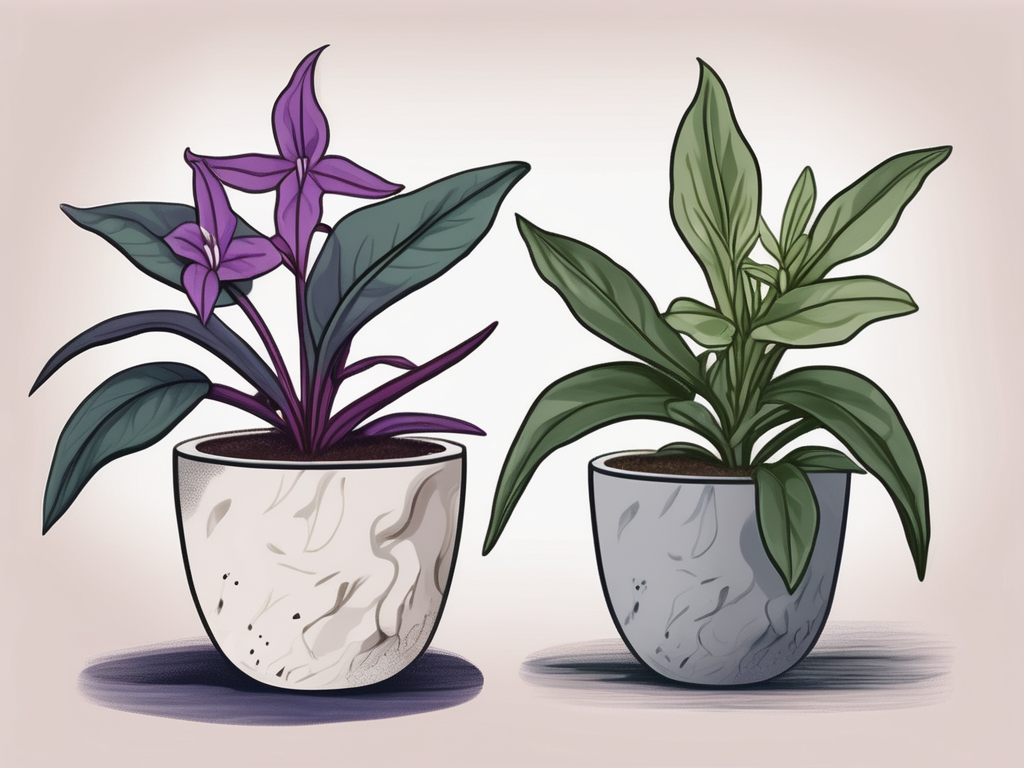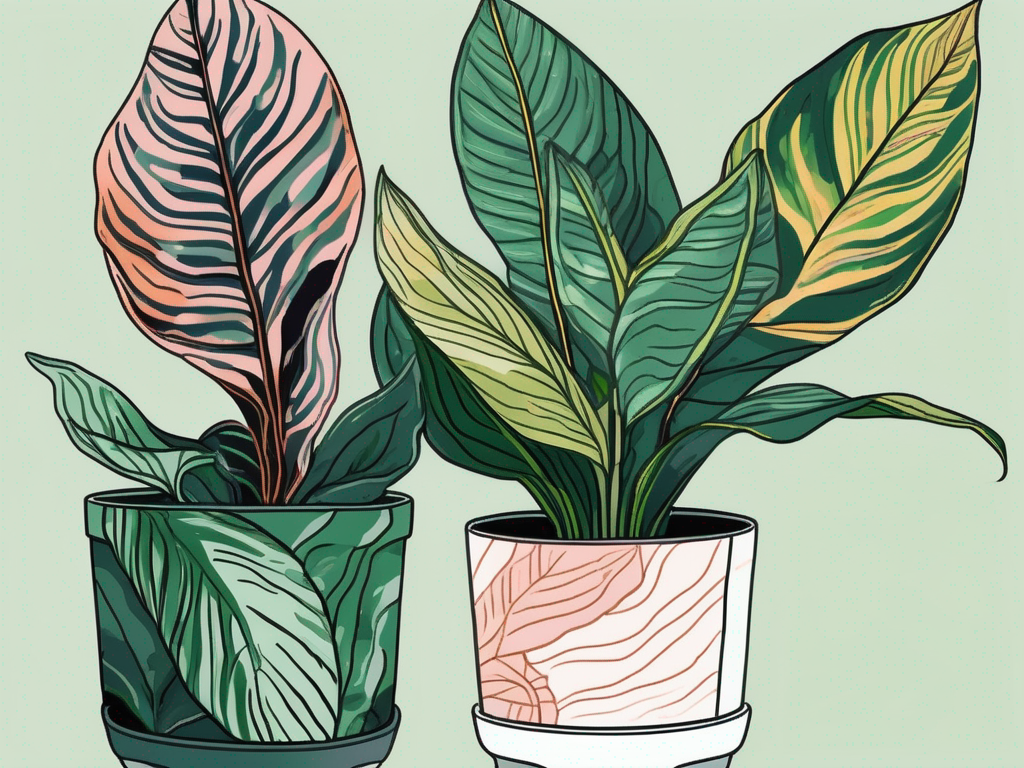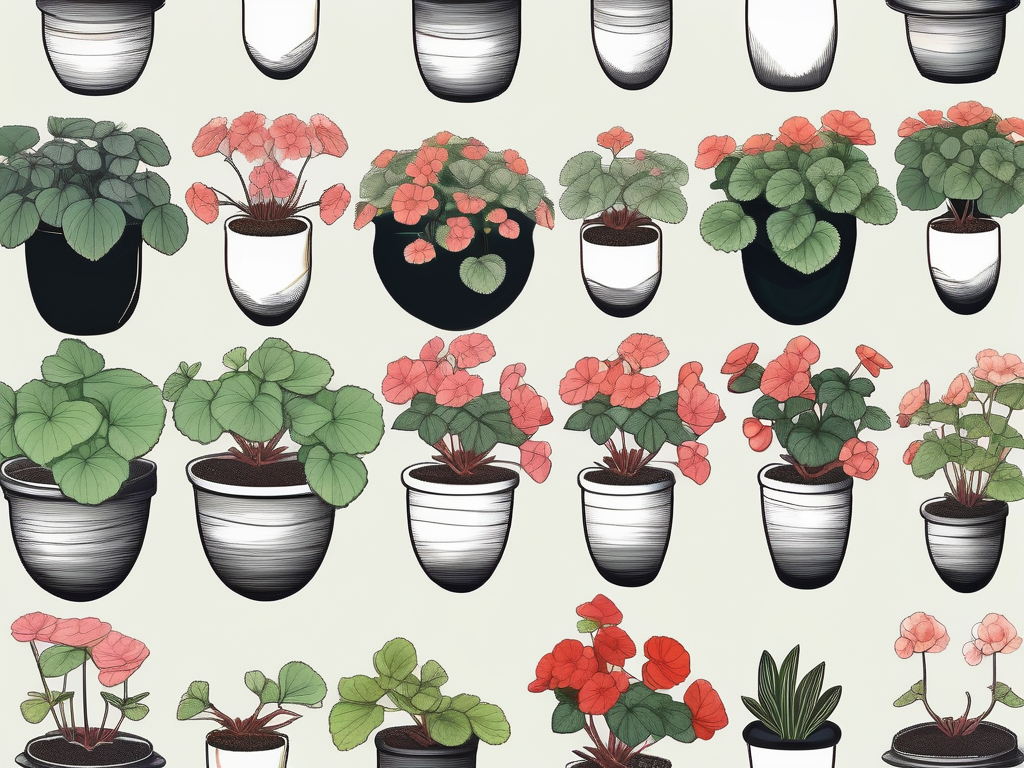
Begonias are beloved for their vibrant flowers and striking foliage, making them a favorite among plant lovers. If you've ever marveled at the beauty of these plants, you might have wondered about growing them from seeds. This process might seem a bit tricky at first, but with the right guidance, you'll find it both rewarding and fun.
In this article, we'll explore everything you need to know about begonia seeds—from selecting the right seeds and setting up your growing area to nurturing your seedlings and dealing with common challenges. Whether you're a seasoned plant parent or a beginner, there's something here for everyone.
Choosing the Right Begonia Seeds
The first step in growing begonias from seeds is selecting the right type. There are numerous varieties of begonias, each with its own unique charm. Some popular options include:
- Wax Begonias: Known for their waxy leaves and bright flowers, these are great for beginners.
- Tuberous Begonias: Famous for their large, showy blooms, they thrive in cooler climates.
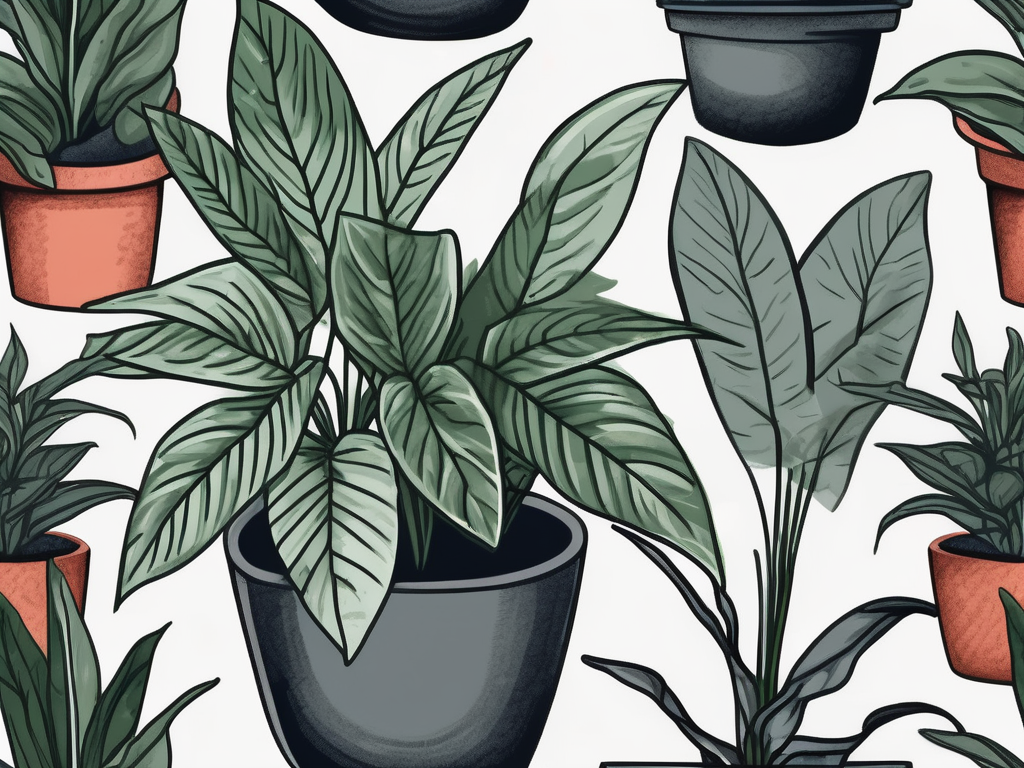
- Rex Begonias: Valued for their stunning leaf patterns rather than flowers.
When purchasing seeds, it's essential to buy from a reputable source. This ensures you're getting viable seeds that will sprout into healthy plants. Check online reviews or seek recommendations from fellow plant people.
Another thing to consider is whether you want a specific color or type. Some seed packets offer mixed varieties, which can be a delightful surprise when they bloom. On the other hand, if you're aiming for a particular look in your garden or indoor space, picking a specific type might be the way to go.
Preparing Your Growing Area
Once you've chosen your seeds, it's time to set up a suitable growing environment. Begonias are a bit picky about their surroundings, so creating the right conditions is crucial for successful germination and growth.
Light and Temperature
Begonia seeds need a good amount of light to germinate. A bright, indirect light source is ideal. If you're growing indoors, placing them near a window that gets morning sun can work well. Alternatively, you can use grow lights to give them the light they need.
The temperature should be kept consistently between 70-75°F (21-24°C). This can be achieved by using a heat mat if you're in a cooler climate or during the colder months. Begonias dislike sudden temperature changes, so try to keep their environment stable.
Choosing the Right Containers
Next, you'll need to select containers for planting. Seed trays or small pots with drainage holes are perfect for starting begonia seeds. The drainage is crucial since begonias don't like to sit in waterlogged soil.
If you're reusing old containers, make sure to clean them thoroughly to prevent any diseases or pests from affecting your new seedlings. A simple wash with soap and water, followed by a rinse with a diluted bleach solution, should do the trick.
Soil and Planting
The right soil mix can make a world of difference when growing begonias from seeds. You'll want a light, airy mix that retains moisture but also drains well. A good seed-starting mix or a blend of peat moss, perlite, and vermiculite can work wonders.
Planting Your Seeds
Fill your containers with the soil mix, leaving about a half-inch of space at the top. Moisten the soil before adding your seeds; it should be damp but not waterlogged. Begonia seeds are tiny, so take care when handling them.
- Sprinkle the seeds evenly over the surface of the soil.
- Do not cover the seeds with soil, as they need light to germinate.
- Gently mist the surface with water to ensure good contact between the seeds and the soil.
After planting, cover the containers with a clear plastic lid or wrap to create a mini-greenhouse effect. This will help retain moisture and warmth, speeding up the germination process.
Caring for Your Begonia Seedlings
Once your seeds have been planted, the waiting game begins. But don't worry, there's plenty to do to ensure your seedlings grow strong and healthy. Patience and consistent care are key during this phase.
Watering
Begonia seedlings need consistent moisture, but it's crucial not to overwater. The top of the soil should be kept slightly moist. A good method is to bottom-water by placing the containers in a tray with water. The soil will soak up moisture without disturbing the seeds.
Keep a close eye on the moisture level, especially if you're using artificial heat or lights, as they can dry out the soil faster.
Thinning
Once your seedlings have a couple of true leaves, it's time to thin them out. This means removing some seedlings to give the remaining ones more space to grow. It might feel a bit harsh, but it's necessary for healthier plants.
Use small scissors to snip off the weaker seedlings at the base, rather than pulling them out. This minimizes disturbance to the roots of the remaining plants.
Transplanting Seedlings
When your seedlings have grown a bit more and are sturdy, it's time to transplant them into larger pots or directly into your garden, depending on your plan. This process can be a bit nerve-wracking, but with gentle handling, your begonias will transition smoothly.
Hardening Off
If you're moving your begonias outdoors, you'll need to harden them off first. This means gradually acclimating them to outdoor conditions. Start by placing them outside for a few hours each day, increasing the time over a week or two. Choose a shaded spot initially to prevent sunburn.
Transplanting
When transplanting, handle your seedlings by the leaves rather than the delicate stem to avoid damage. Plant them at the same depth they were growing in their pots. If you're moving them to a garden bed, space them according to the variety's mature size.
Common Challenges and Solutions
As with any gardening endeavor, growing begonias from seeds comes with its own set of challenges. However, most issues can be resolved with a little know-how and patience.
Pests
Begonias can be susceptible to pests like aphids and spider mites. Regularly inspecting your plants and keeping them clean can help prevent infestations. If you notice pests, try using a gentle insecticidal soap or neem oil spray.
Fungal Issues
Overwatering and poor air circulation can lead to fungal problems, such as powdery mildew. Ensure your begonias have enough space between them for good airflow and avoid getting the foliage wet when watering.
If you spot any signs of fungus, remove the affected leaves and treat the plant with a fungicidal spray.
Designing with Begonias in Your Home
Once your begonias are thriving, you'll want to think about how to display them in your home. Begonias can be a stunning addition to any space, adding color and texture to your décor.
Indoor Display Ideas
- Table Centerpieces: Use a mix of begonia varieties for a vibrant centerpiece that draws attention.
- Hanging Baskets: Trailing begonias look beautiful in hanging baskets, creating a cascade of color.
- Terrariums: Small begonia varieties can thrive in terrariums, offering a miniature garden feel.
Consider the lighting and humidity in your chosen space to ensure your begonias will continue to thrive indoors.
Outdoor Begonia Arrangements
If you're planting begonias outdoors, there are plenty of creative ways to incorporate them into your garden design. Their vibrant colors can be used to brighten up shady spots or as bedding plants in mixed borders.
Garden Borders and Beds
Use begonias as a border plant to add a splash of color along pathways or garden edges. Mix them with ferns or hostas for a lush, textured look.
In flower beds, combine begonias with other shade-loving plants for a layered effect. The contrast between different leaf shapes and colors can create a visually appealing display.
Propagating Begonia Cuttings
If you've successfully grown begonias from seeds and want more, you can also propagate them from cuttings. This method is quicker than starting from seeds and can be a fun way to expand your collection.
Taking Cuttings
Choose a healthy, mature begonia and snip a 3-4 inch cutting just below a leaf node. Remove the leaves from the bottom half of the cutting to reduce moisture loss.
Rooting Cuttings
Place the cutting in a small container of water or directly into a pot with moist soil. If using water, change it every few days to keep it fresh. In the soil, keep it consistently moist until you see new growth, indicating root development.
Once roots have developed, you can plant the cutting in a larger pot or add it to your garden.
Continued Care and Maintenance
Even after your begonias are established, they require ongoing care to keep them looking their best. Regular maintenance helps prevent problems and ensures your begonias thrive for years to come.
Fertilizing
Feed your begonias with a balanced liquid fertilizer every few weeks during the growing season. This provides them with the nutrients they need to produce vibrant flowers and lush foliage.
Pruning
Regularly remove spent blooms and any dead or damaged leaves to keep your begonias looking neat. This also encourages more blooms and reduces the risk of disease.
By following these care tips, you'll enjoy the beauty of begonias in your home and garden season after season.
Final Thoughts
Growing begonias from seeds might seem like a challenge, but with the right approach, it can be a fulfilling experience. From selecting the right seeds to caring for your mature plants, each step brings you closer to a vibrant display of blooms.
At Cafe Planta, we love helping plant parents at every stage of their journey. Whether you're looking for unique houseplants or need advice on plant care, we're here to assist. Feel free to reach out to us via email or Instagram. Let's grow together!