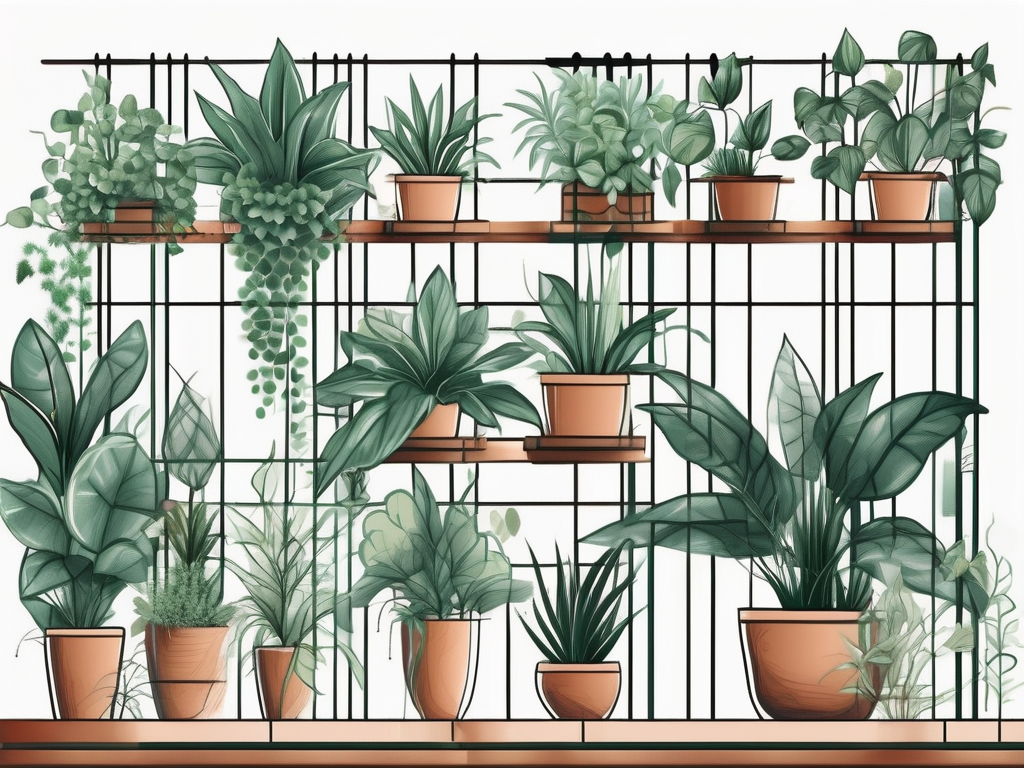
Houseplants bring a touch of nature indoors, offering aesthetic appeal and even improving air quality. But if you've got a climbing plant, or one that has the potential to climb, you might be wondering how to give it the support it needs. That's where a houseplant trellis comes into play. It's not just a support system; it can be a statement piece that adds vertical interest to your greenery.
This article will walk you through everything you need to know about choosing and using a houseplant trellis. From understanding different types of trellises to practical tips on installation and maintenance, you'll discover how to make your indoor jungle even more enchanting.
Understanding the Purpose of a Trellis
Before we get into the details, let's talk about why you might want a trellis in the first place. Simply put, a trellis provides structural support for climbing plants. Many indoor plants, like pothos, philodendrons, and monstera, naturally climb in their native habitats. A trellis allows them to grow upwards as they would in the wild, making them happier and often healthier.
Beyond plant health, a trellis can serve as a decorative element. It can transform your plant into a focal point, drawing the eye upward and adding dimension to your space. Whether you want to create a living wall, a lush divider, or simply add some height, a trellis can help you achieve that vision.
So, if your plant is looking a little unruly or if you're just excited to try something new, a trellis might be worth considering. It's a way to manage plant growth while also enhancing your home decor.
Choosing the Right Trellis for Your Plant
Not all trellises are created equal, and choosing the right one can make a big difference in your plant's growth and appearance. There are several factors to consider: the type of plant, the material of the trellis, and the overall aesthetic you're going for.
Types of Trellises
First off, let's talk about the different types of trellises you might encounter:
- Flat Trellises: These are often used for wall-mounted displays. They work well if you're looking to cover a vertical space with greenery.
- Freestanding Trellises: Typically used in pots, these can be moved around easily and provide a standalone structure for your plant to climb.
- Arched Trellises: Great for creating a dramatic effect, these are often used to train plants over an archway or entrance.
- Obelisk Trellises: Shaped like a tower, these are perfect for adding height without a lot of width, ideal for smaller spaces.
Material Choices
Material is another important consideration. Common materials include:
- Wood: Offers a natural look but may require more maintenance to prevent rot or pests.
- Metal: Durable and often more modern in appearance, but can be heavier and more expensive.
- Bamboo: Lightweight and sustainable, bamboo trellises are great for smaller plants.
- Plastic: Affordable and weather-resistant, though not as eco-friendly or attractive as other materials.
Each material has its pros and cons, so think about your specific needs and the conditions of your indoor space before making a decision.
Installing Your Trellis
Once you've chosen your trellis, it's time to get it set up. Installation can vary depending on the type of trellis and the plant you're pairing it with, but here are some general guidelines.
Preparation
Before you start, gather some basic tools. You might need a hammer, nails, or zip ties to secure the trellis. Make sure your plant is healthy and ready for the change. It's best to repot or install a trellis during the plant's active growing season.
Installation Steps
- Position the Trellis: Place the trellis in the desired location, ensuring it's stable and secure. If it's wall-mounted, make sure it’s level.
- Train the Plant: Gently guide the plant's vines or stems toward the trellis. Use soft ties, like twine or fabric strips, to attach the plant to the trellis without damaging it.
- Adjust as Needed: As your plant grows, continue to guide new growth onto the trellis. Regularly check the ties to ensure they’re not too tight.
Remember, patience is key. It can take some time for your plant to fully adapt to its new support system, but with a little love and care, it will thrive.
Maintaining Your Trellis
Like any other part of your plant care routine, trellises need a bit of maintenance to keep them in top shape. This ensures they continue to provide the support your plant needs while looking great in your space.
Regular Checks
Every few weeks, inspect your trellis and plant. Look for any signs of wear and tear on the trellis itself, like rust on metal or rot on wood. Also, check the ties and adjust them if they’re constricting the plant’s growth.
Cleaning
Dust and dirt can accumulate on both your plant and trellis over time. Use a damp cloth to wipe down the trellis and clean the plant's leaves. This not only keeps things looking nice but also helps prevent pests and diseases.
If you have a wooden trellis, consider treating it with a non-toxic sealant to prolong its life. For metal trellises, a rust inhibitor can be useful, especially if your space is humid.
Incorporating Trellises into Your Decor
Beyond their practical use, trellises can be a beautiful addition to your home decor. Here are some creative ways to integrate them into your space.
Living Walls
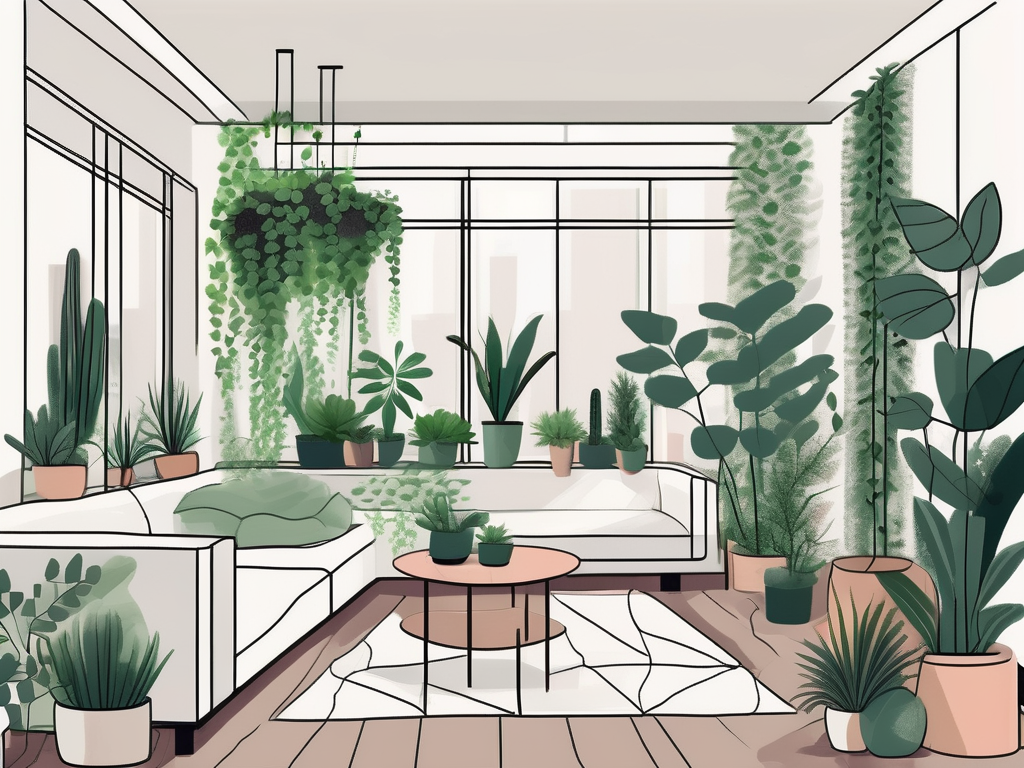
If you have the wall space, consider creating a living wall. This involves mounting multiple trellises and training plants to cover them, resulting in a lush vertical garden. It’s a striking way to bring nature indoors and can be a real conversation starter.
Room Dividers
Trellises can also function as natural room dividers. Use a freestanding trellis with a climbing plant to separate different areas of a room. This can create a sense of privacy and add a bit of greenery in an otherwise open space.
Artistic Displays
Think of your trellis as a canvas. Try arranging trellises in geometric patterns or using multiple materials for a mixed-media look. Pair with colorful or variegated plants to create a living piece of art.
No matter how you choose to use them, trellises can add a unique touch to any room. Let your creativity shine as you experiment with different styles and arrangements.
Popular Plants That Benefit from a Trellis
Not all houseplants need a trellis, but for some, it can make a world of difference. Here are a few popular choices that typically thrive with a little extra support.
- Pothos: Known for their trailing vines, pothos can climb beautifully when given a trellis. They adapt well to most indoor conditions.
- Philodendron: With their heart-shaped leaves, these plants can create a lush, tropical feel when trained to climb.
- Monstera: Often called the “Swiss Cheese Plant,” monsteras are natural climbers, and a trellis can help support their large leaves.
- English Ivy: A classic choice for indoors, ivy grows quickly and can cover a trellis in no time.
- Passionflower: If you’re looking for something a bit more exotic, passionflower plants have beautiful blooms and love to climb.
When choosing a plant for your trellis, consider its growth habits and light requirements to ensure you’re setting it up for success.
Common Challenges and How to Overcome Them
Like any project, adding a trellis to your plant care routine can come with its own set of challenges. But don't worry, most of these are easily manageable with a bit of know-how and patience.
Weak or Flimsy Trellises
If you find that your trellis isn’t holding up, it might be a sign that it’s not sturdy enough for your plant. Consider upgrading to a stronger material or design. You can also reinforce your existing trellis with additional supports.
Overcrowded Plants
As your plant grows, it can become too crowded on the trellis. Prune regularly to maintain airflow and light penetration. This not only keeps the plant looking tidy but also promotes healthy growth.
Pest Issues
Trellises can sometimes harbor pests like spider mites or aphids. Regular cleaning and inspection can help catch these issues early. Natural remedies, like neem oil, can be effective in managing pest problems.
By staying proactive and attentive, you can easily navigate these challenges and keep your trellised plants thriving.
How to Make Your Own Trellis
If you’re feeling crafty, making your own trellis can be a rewarding project. It allows for customization to perfectly fit your space and the specific needs of your plant.
Materials You Might Need
- Wooden dowels or bamboo stakes
- String or twine
- Scissors or pruning shears
- Wood glue or nails
Simple Steps to Create a DIY Trellis
- Design Your Trellis: Sketch out your design. It can be as simple or intricate as you like.
- Cut Your Materials: Use shears to cut your dowels or stakes to the desired length.
- Assemble the Trellis: Arrange the pieces to match your design. Secure them with glue or nails where they intersect.
- Secure in Place: Once dry, place your trellis in the pot and secure it with soil.
Making your own trellis can be a fun way to personalize your plant care routine while saving a bit of money. Plus, you get the satisfaction of saying, “I made that!”
Final Thoughts
Choosing and using a houseplant trellis can transform your indoor garden, providing support for your climbing plants and adding a new dimension to your decor. From selecting the right type and material to creative placement and care, trellises offer both practical and aesthetic benefits.
At Cafe Planta, we're all about helping you care for your plants and create beautiful spaces. If you have questions or need assistance, please feel free to email us or reach out on Instagram. We believe in the power of plants to bring joy and connection, and we're excited to be part of your plant journey!