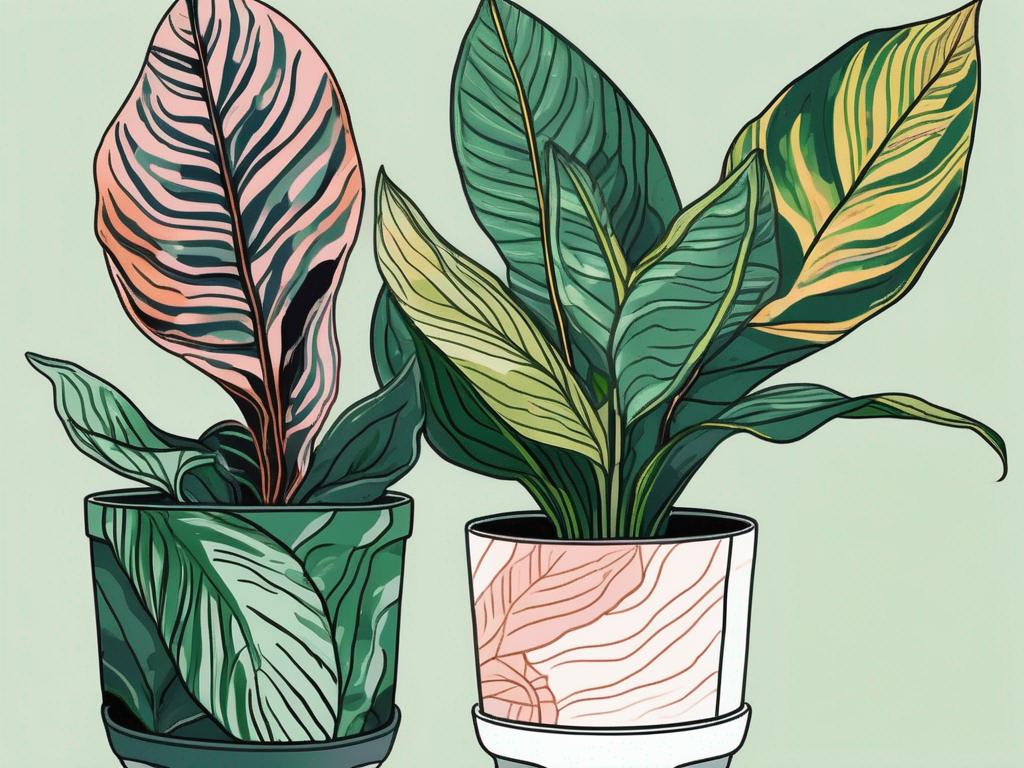
If you’ve ever admired a croton plant with its vibrant, multicolored leaves, you know how striking they can be. These tropical beauties can light up any room, but to keep them looking their best, they need the right care, including proper fertilization.
In this article, we’ll chat about how to choose the best fertilizer for your croton, covering everything from understanding their nutritional needs to selecting the right type of fertilizer. Let’s dig into the details so your croton can thrive all year round.
Understanding Croton’s Nutritional Needs
Crotons are not your average houseplant. They hail from tropical climates, which means they have specific needs to maintain those stunning colors. If you think of plant care as a recipe, then understanding what nutrients crotons need is like knowing the ingredients list.
These plants thrive on a balanced diet of nitrogen (N), phosphorus (P), and potassium (K)—the famous NPK trio you’ll see listed on any fertilizer bag. But why these three? Here’s a quick rundown:
- Nitrogen (N): Vital for leaf growth. It’s what helps your croton produce those lush, colorful leaves.
- Phosphorus (P): Key for root development and overall plant health. It’s like the backbone of the plant.
- Potassium (K): Supports overall function and disease resistance. Think of it as your croton’s immune system booster.
Understanding this trio is crucial because an imbalance can lead to dull colors or, worse, a sick plant. So, before you even start shopping for fertilizers, keep this nutrient balance in mind. It’s the foundation of a healthy croton.
Types of Fertilizers for Crotons
With so many fertilizers on the market, it can feel a bit overwhelming to pick the right one for your croton. But don’t worry, we’ve got you covered. Let’s break down the types so you can choose with confidence.
Liquid Fertilizers
Liquid fertilizers are a popular choice because they’re easy to apply and quickly absorbed by the plant. Simply mix them with water according to the package instructions, and water your croton as usual. They’re great for giving your plant a quick boost, especially during the growing season.
However, because they’re fast-acting, you’ll need to apply them more frequently, usually every couple of weeks. If you’re someone who enjoys a regular plant care routine, liquid fertilizers might be your jam.
Granular Fertilizers
Granular fertilizers are slow-release options that you sprinkle on the soil surface. They’re like the set-it-and-forget-it of plant care—perfect if you prefer low-maintenance solutions. The granules break down over time, offering a steady supply of nutrients.
The downside? They’re not instant. If your croton is looking a bit sad, a granular fertilizer won’t perk it up immediately. But for consistent, long-term nourishment, they’re unbeatable.
Organic vs. Synthetic
Ah, the classic debate. Organic fertilizers, made from natural ingredients, improve soil health and are environmentally friendly. They’re slower to release nutrients, which can be a good thing for steady growth.
Synthetic fertilizers, on the other hand, are chemical-based and deliver nutrients quickly. They’re precise, with exact NPK ratios, but they don’t do much for the soil itself. The choice between organic and synthetic often comes down to personal preference and how you balance convenience with environmental impact.
When to Fertilize Your Croton
Timing is everything, especially when it comes to fertilizing your croton. Knowing when to feed your plant can make a world of difference in its health and vibrancy.
Crotons, like many houseplants, have a growing season from spring to early fall. This is when they’re actively producing new leaves, and they’re hungry for nutrients. During this period, aim to fertilize every 4-6 weeks, depending on the type of fertilizer you’re using.
In the winter months, your croton enters a dormant phase. It’s not growing as much, so you can taper off the fertilizing. Over-fertilizing during this time can lead to salt buildup in the soil, which isn’t great for your plant’s health.
One thing to keep in mind: always water your croton before applying fertilizer. This practice helps prevent root burn, which can occur if the fertilizer is too concentrated. Think of it as giving your plant a drink before its meal.
Signs Your Croton Needs Fertilizer
Plants have a way of telling us what they need if we know how to read the signs. Crotons are no different. Here are a few clues that your croton might be craving a nutrient boost:
- Faded or Dull Leaves: If the colors of your croton are looking a bit lackluster, it might be time for a nutrient top-up.
- Stunted Growth: Notice that your croton isn’t producing new leaves as it should? It might not be getting enough nutrients.
- Leaf Drop: While some leaf drop is normal, excessive shedding can be a sign of nutrient deficiency.
Of course, these symptoms can also be caused by other factors, like improper watering or light conditions. So, it’s always a good idea to consider the whole picture before reaching for the fertilizer.
Common Fertilizing Mistakes to Avoid
Even the most well-meaning plant parent can make mistakes. Here are some common fertilizing pitfalls and how to steer clear of them:
Over-Fertilizing
It’s easy to think that more is better when it comes to fertilizer. However, over-fertilizing can lead to salt buildup in the soil, root burn, and even plant death. Always stick to the recommended dosage and frequency on the fertilizer package. Remember, it’s a marathon, not a sprint.
Using the Wrong Type
Choosing the wrong type of fertilizer can also cause issues. For example, a high-nitrogen fertilizer might encourage lots of leaf growth but not enough root strength. Make sure your fertilizer has a balanced NPK ratio suitable for crotons.
Ignoring the Soil
Fertilizer isn’t a substitute for good soil. If your croton’s soil is poor, compacted, or lacks organic matter, even the best fertilizer won’t be as effective. Consider repotting your croton every couple of years with fresh, well-draining soil to keep it happy.
Fertilizing Tips for Healthy Crotons
Now that we’ve covered what to avoid, let’s focus on some positive steps you can take to keep your croton in tip-top shape.
Test Your Soil
Before you start a fertilizing regimen, test your soil’s pH and nutrient levels. Kits are available at most garden centers and provide insights into what your croton might be lacking. Aim for a pH between 4.5 and 6.5 for optimal croton health.
Follow a Schedule
Consistency is key. Create a fertilizing schedule that aligns with your croton’s growing season and stick to it. This routine helps ensure your plant is receiving the nutrients it needs when it needs them.
Listen to Your Plant
Pay attention to how your croton responds after fertilization. If it looks vibrant and healthy, you’re on the right track. If not, you might need to adjust your approach, whether that means changing the type of fertilizer or altering the amount you use.
DIY Fertilizer Options
If you’re feeling crafty or prefer a more natural approach, DIY fertilizers can be a fun and effective way to feed your croton.
Compost Tea
Compost tea is a nutrient-rich solution made by steeping compost in water. It’s like a smoothie for your plants, full of beneficial microbes. Simply soak a bag of compost in water for a few days, then use the liquid to water your croton.
Banana Peel Fertilizer
Banana peels are high in potassium, which is great for crotons. Chop up some banana peels, let them dry, and then bury them in your croton’s soil. As they decompose, they’ll release nutrients into the soil.
Coffee Grounds
Used coffee grounds are slightly acidic and contain nitrogen. Sprinkle them lightly on the soil surface or mix them into your compost for a slow-release nitrogen boost. Just be careful not to overdo it, as too much acidity can be harmful.
Conclusion
Final Thoughts
Choosing the best fertilizer for your croton is all about understanding its nutritional needs, selecting the right type of fertilizer, and applying it at the right times. By paying attention to your croton’s signals and avoiding common mistakes, you can keep it vibrant and healthy.
At Cafe Planta, we're here to support you on your plant journey. We offer a wide range of houseplants and care accessories to help you create a thriving indoor garden. If you have questions, feel free to email us or send a DM on Instagram. We’re excited to share our love of plants with you!