Choosing the right soil for your houseplants can make all the difference between a thriving indoor jungle and a collection of sad, wilting plants. While it might seem like dirt is just dirt, the truth is that soil is a vital component of your plant's overall health and well-being.
In this article, we're going to explore everything you need to know about selecting the best soil for your beloved houseplants. We'll cover the different types of soil, what to look for on the label, and how to match your plant with the perfect growing medium. Ready to dig in?
Understanding Your Plant's Needs
Before you grab a bag of potting soil off the shelf, it's crucial to understand what your specific plants need. Different plants have different requirements, and the soil plays a significant role in meeting those needs. For instance, succulents and cacti prefer a well-draining mix, while ferns thrive in a more moisture-retentive soil.
Consider these factors when thinking about your plant's soil:
- Water Retention: Does your plant prefer dry or moist conditions? This will determine whether you need soil that retains water well or drains quickly.
- Nutrient Needs: Some plants are heavy feeders and require nutrient-rich soil, while others do better in leaner mixes.
- pH Level: While most houseplants do well in neutral pH soil, some might require acidic or alkaline conditions.
Once you have a clear understanding of what your plants need, you can start looking for the right type of soil to meet those requirements.
Types of Houseplant Soil
When you stroll through the gardening aisle, you’ll encounter a variety of soil types, each tailored for different plant needs. Here are some of the most common types you’ll come across:
- All-Purpose Potting Mix: This is a good starting point for many houseplants. It's typically a balanced mix of peat, bark, and perlite or vermiculite. While it works for a wide range of plants, it might not be ideal for those with specific needs like succulents or orchids.
- Cactus and Succulent Mix: Designed to drain quickly, this mix often contains sand or grit, along with materials like perlite to ensure excellent drainage.
- Orchid Mix: Orchids require a special blend that allows air to reach their roots. This mix often includes chunky bark, charcoal, and perlite.
- African Violet Mix: Known for their beautiful blooms, African violets prefer a light, airy mix with good water retention, often containing peat and vermiculite.
- Seed Starting Mix: This fine-textured mix is designed to give seeds the best start in life. It’s usually free of large particles to allow delicate roots to grow easily.
Choosing the right type of soil depends on the plants you're growing. If you're unsure, it's often a safe bet to start with an all-purpose mix and amend it as needed for specific plants.
Reading the Label
Soil packaging often includes a wealth of information, but it can be confusing if you're not sure what to look for. Here are a few key things to keep an eye out for:
- Ingredients: Check the label for the main components of the soil. Common ingredients include peat moss, perlite, vermiculite, and composted bark.
- Nutrient Content: Some soils come pre-fertilized, which can give your plants a boost when you first pot them. Check for any added fertilizers and their levels.
- pH Level: Most houseplants prefer a neutral pH, but if the soil is specifically acidic or alkaline, it should be noted on the packaging.
- Specialty Mixes: Look for any notes indicating if the soil is formulated for specific plant types, like cacti or ferns.
By understanding how to read the labels, you can make an informed decision and choose the best soil for your plants.
Amending Your Soil
Sometimes, the off-the-shelf soil just doesn't cut it for your plants. That's where soil amendments come in. Amending your soil allows you to tailor it to the specific needs of your plants.
Here are some common amendments and what they do:
- Perlite: This lightweight additive improves drainage and aeration, making it great for plants that don't like to sit in water.
- Vermiculite: Known for its water retention properties, vermiculite is ideal for plants that like to stay moist.
- Peat Moss: Often used to improve soil structure and water retention, peat moss is a common addition to many potting mixes.
- Compost: Adding compost can boost the nutrient content of your soil, which is particularly beneficial for heavy feeders.
- Sand: Mixing in sand can improve drainage, especially for succulents and cacti.
You can experiment with these amendments to create a custom mix that suits your plant's specific needs. Just remember to adjust your watering habits accordingly, as amended soil can change how water moves through the pot.
Common Mistakes to Avoid
When it comes to plant care, the soil is often overlooked, leading to some common mistakes. Here are a few pitfalls to watch out for:
- Overwatering: Using soil that retains too much water can lead to root rot, especially if you have a plant that prefers dry conditions.
- Using Garden Soil: Garden soil is often too dense for houseplants and doesn't provide the proper drainage or aeration.
- Ignoring Plant-Specific Needs: Not all plants are created equal. Using a one-size-fits-all soil can lead to problems for plants with specific needs.
- Not Replacing Old Soil: Over time, soil can become compacted and depleted of nutrients. It's a good idea to refresh your plant's soil every few years.
Avoiding these mistakes can save you a lot of heartache and keep your plants thriving.
Soil and Pests
Believe it or not, the type of soil you choose can have a big impact on pest control. Some pests, like fungus gnats, thrive in moist, organic-rich soils. Here’s how you can manage this:
- Pick the Right Mix: Choose soil with good drainage to avoid overly moist conditions that attract pests.
- Quarantine New Plants: New plants can bring pests with them. Keep them separate until you're sure they're pest-free.
- Use Sterilized Soil: Some soils are heat-treated to kill any pests or pathogens. This is especially important when starting seeds.
- Maintain Cleanliness: Keeping the area around your plants clean can prevent pest infestations. Remove dead leaves or debris promptly.
Being proactive about soil and pest management can help you maintain a healthy indoor garden.
Matching Soil with Plant Types
Now that you understand the different types of soil and amendments, it's time to match them with your plants. Here are a few popular houseplants and the soil they love:
- Succulents and Cacti: A gritty, well-draining soil mix with sand and perlite is ideal.
- Ferns: These moisture-loving plants do well in a rich, organic soil that retains moisture.
- Orchids: A chunky, bark-based mix that allows for excellent drainage and air circulation is best.
- Peace Lilies: They thrive in a potting mix that retains moisture but also drains well, often a mix with peat and perlite.
- Philodendrons: A rich, loamy soil that retains moisture without becoming waterlogged works well.
Matching the right soil type with your plants can significantly improve their health and growth.
Creating a Beautiful Indoor Space with Plants
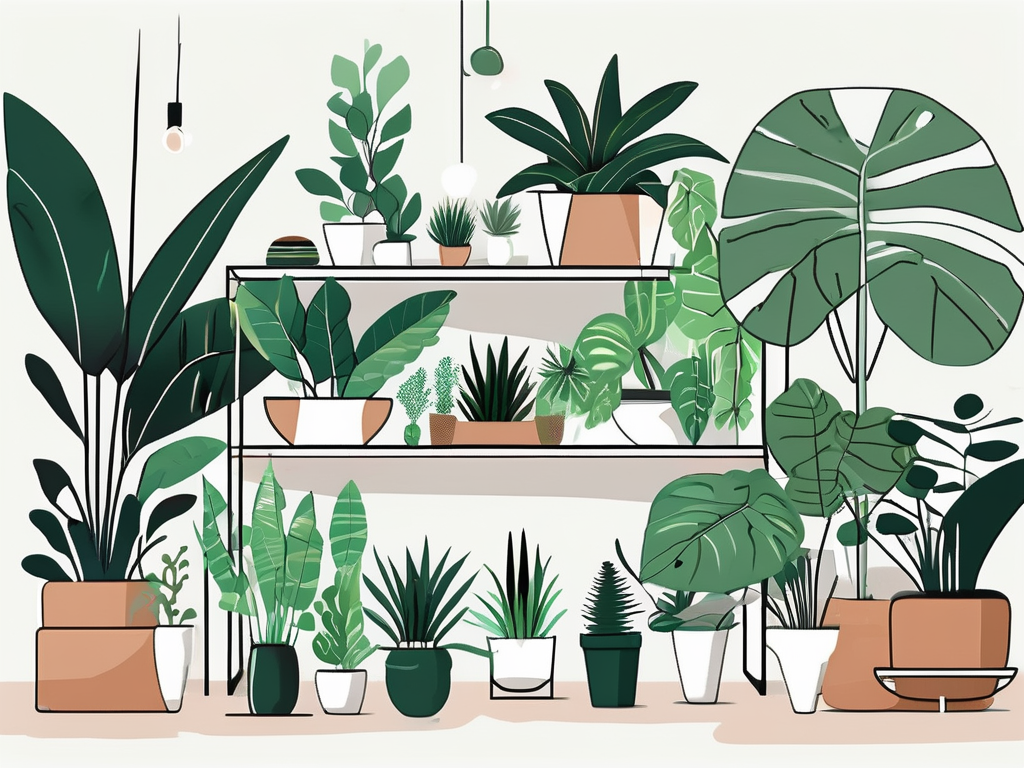
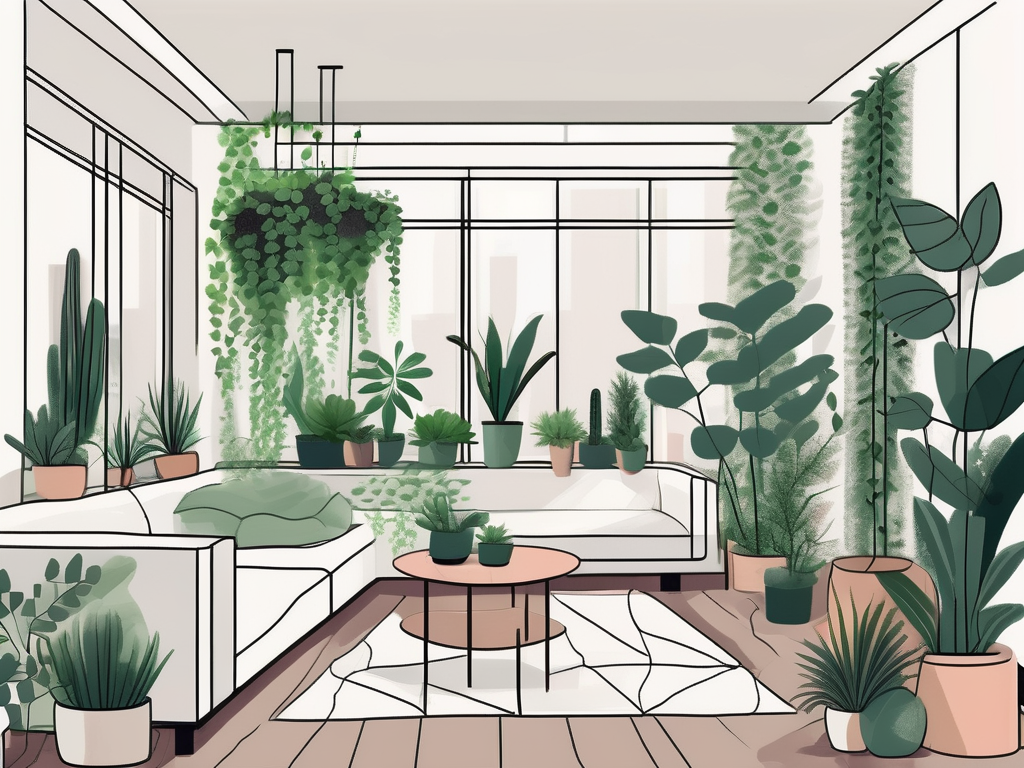
Once your plants are thriving in the right soil, you can focus on how to use them to create a beautiful indoor space. Here are some tips to design a space that’s both functional and aesthetically pleasing:
- Mix and Match: Combine plants of different sizes and textures to create visual interest. Tall, spiky plants can complement shorter, bushy ones.
- Use Decorative Pots: Choose pots that complement your decor and highlight your plants. Don't be afraid to get creative with colors and materials.
- Group Plants Together: Clustering plants can create a lush, jungle-like feel and also helps with humidity levels.
- Incorporate Shelving: Use shelves to display plants at different heights, adding dimension to your space.
- Play with Light: Make sure to place plants where they’ll receive the appropriate amount of light, creating a balance between light and shadow in the room.
With these tips, you can create a space that reflects your style and makes your home feel like a cozy, plant-filled haven.
Final Thoughts
Choosing the right soil is an essential part of plant care, and it can be the key to helping your houseplants thrive. From matching the soil to your plant's specific needs to avoiding common pitfalls, there's a lot to consider. But once you get it right, your plants will reward you with vibrant growth and beauty.
At Cafe Planta, we're passionate about helping you care for your plants. Whether you're looking for unique houseplants or need some advice, we're here to help. Feel free to reach out via email or drop us a message on Instagram. Let's create beautiful plant-filled spaces together!