Goldfish plants, with their vibrant orange blooms resembling little goldfish, are a favorite among houseplant lovers. Their quirky appearance and splash of color can brighten up any room, but like all plants, they require a bit of care and attention to thrive. If you've ever admired these charming plants and wondered about their care, you're in the right place.
This article will cover everything you need to know about goldfish plant leaves, from basic care tips to troubleshooting common issues. Whether you're a seasoned plant parent or just getting started, you'll find plenty of useful advice to help your goldfish plant look its best.
Getting to Know Your Goldfish Plant
Goldfish plants, scientifically known as Columnea gloriosa, are tropical perennials native to Central and South America. They belong to the Gesneriaceae family, which also includes African violets and gloxinias. These plants are loved for their unique flowers that resemble tiny, colorful fish. But what about their leaves?
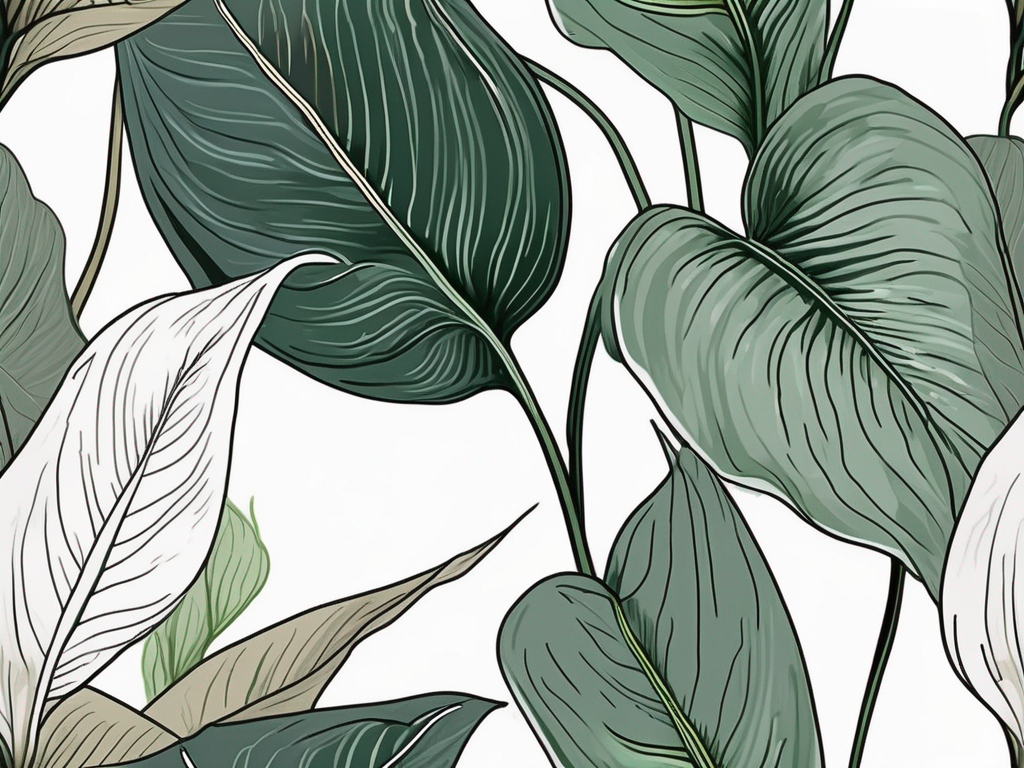
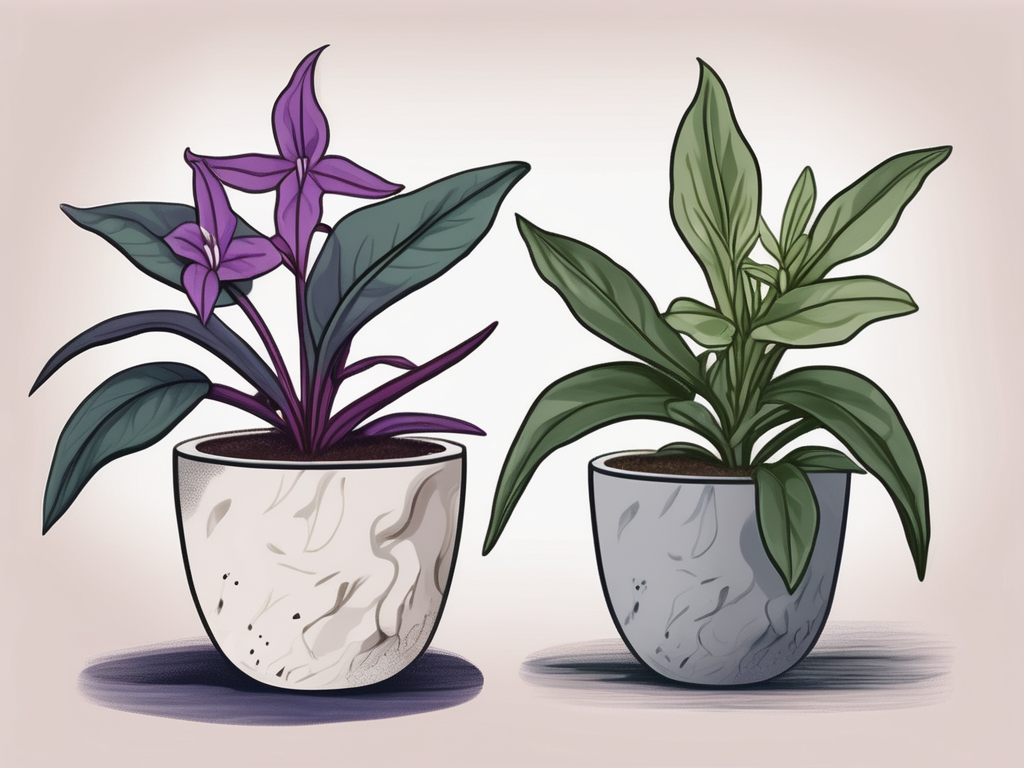
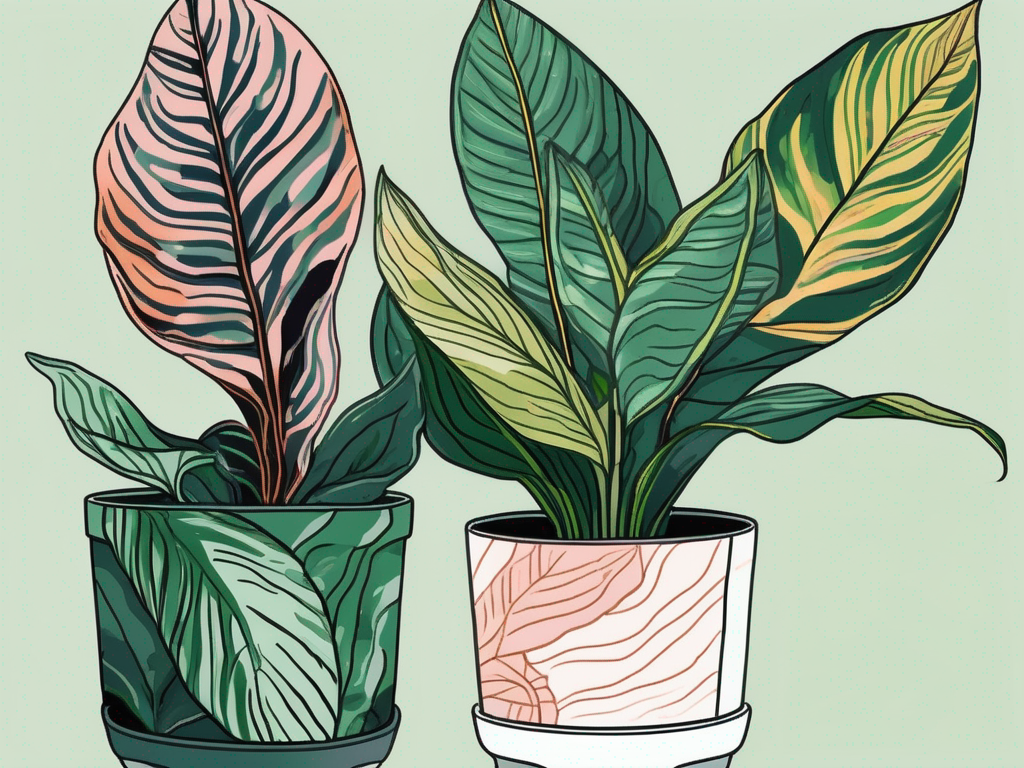
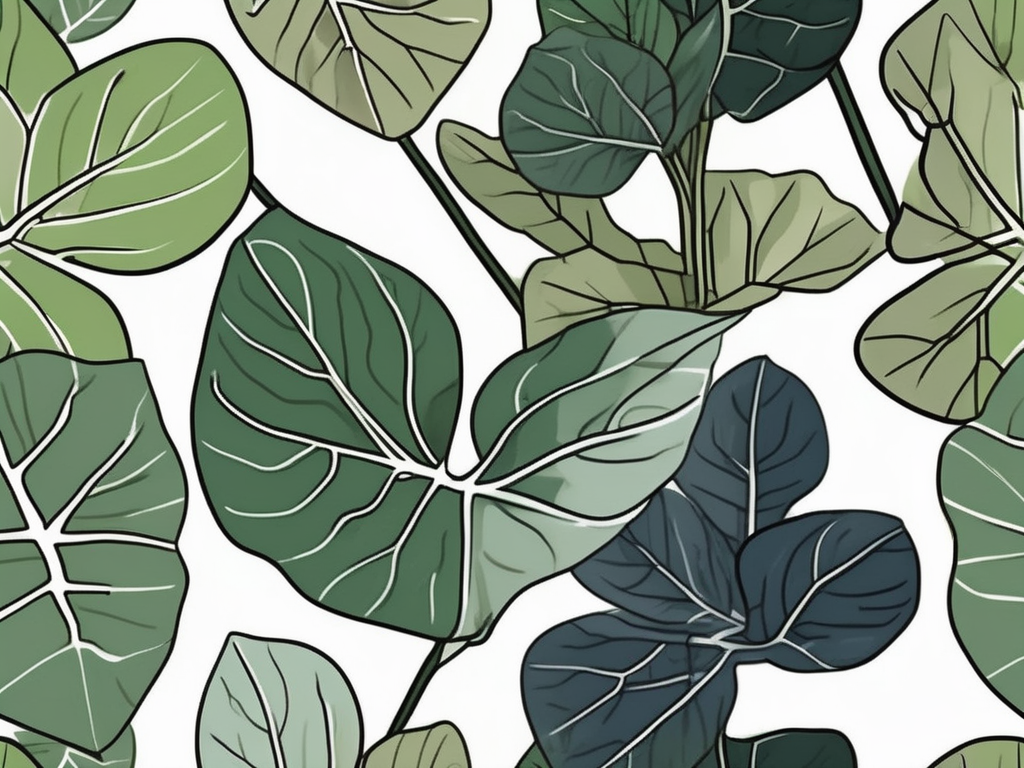
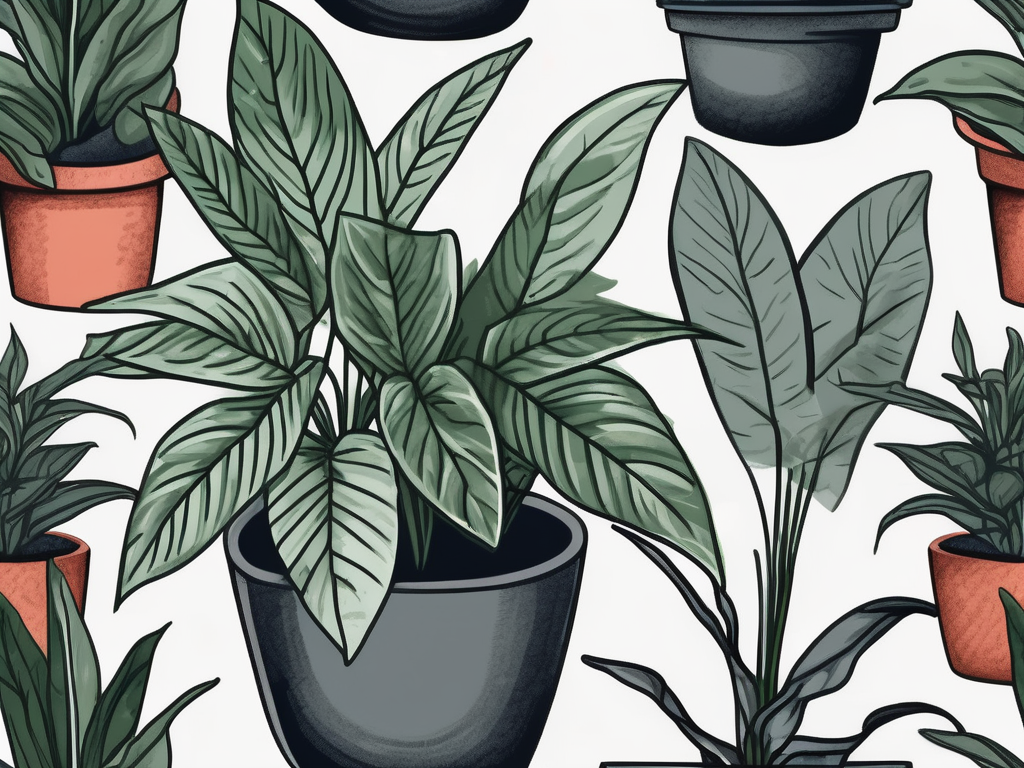
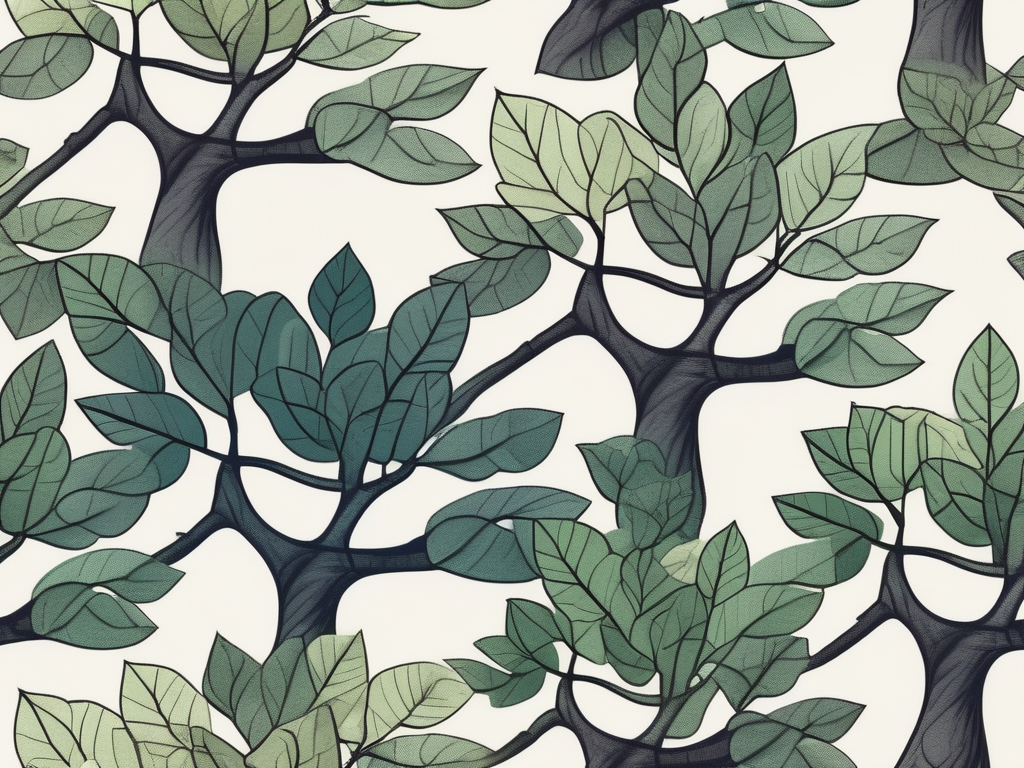
The leaves of a goldfish plant are just as appealing as its flowers. They're typically green, glossy, and slightly fuzzy, adding an interesting texture to the plant. The foliage can vary depending on the specific variety, with some having darker leaves and others showcasing a lighter green shade. Understanding the characteristics of your plant's leaves can help you identify when something is amiss.
Interestingly enough, the leaves are not just there for show; they play a crucial role in the plant's overall health. Healthy leaves are a good indicator that your plant is receiving the right amount of light, water, and nutrients.
The Perfect Spot: Light and Location
When it comes to light, goldfish plants aren't too demanding, but they do have some preferences. They thrive in bright, indirect light. What does that mean? Think of a spot where the sun can light up the room but doesn't directly hit the plant, like a north or east-facing window.
If you're placing your plant near a south or west-facing window, consider using sheer curtains to diffuse the sunlight. Too much direct sunlight can scorch the leaves, leading to brown patches and a stressed plant. On the flip side, too little light can cause the leaves to lose their vibrant color and become leggy.
Here's a quick checklist for finding the right spot:
- Bright, indirect light: Near a window that gets plenty of light but not direct sun.
- Consistent temperature: Goldfish plants prefer temperatures between 65°F and 75°F.
- Avoid drafts: Keep away from air conditioning vents and drafty windows.
- Humidity matters: These plants love humidity, so a kitchen or bathroom might be the perfect place.
Watering Wisely: Keeping Those Leaves Happy
Watering is an art, especially when it comes to goldfish plants. Overwatering and underwatering are both common pitfalls that can lead to unhappy leaves. So how do you strike the right balance?
First, let's talk about overwatering. Goldfish plants like their soil to be evenly moist but not soggy. Overwatering can lead to root rot, which manifests as yellowing leaves that eventually drop off. To avoid this, always check the soil before watering. Stick your finger about an inch into the soil; if it feels dry, it's time to water. If it's still moist, give it a few more days.
Underwatering, on the other hand, can cause the leaves to become dry and crispy. This often happens because the plant is not receiving enough moisture or because the humidity in the room is too low. Make sure you're watering thoroughly each time, allowing water to drain out of the bottom of the pot.
Here's a simple watering routine to keep in mind:
- Check soil moisture: Feel the top inch of soil before deciding to water.
- Water thoroughly: Ensure the entire root ball gets moisture, and let excess water drain away.
- Adjust for seasons: Water more frequently in the growing season (spring and summer) and reduce in fall and winter.
- Embrace humidity: Mist the leaves occasionally or use a humidity tray.
Soil and Potting: The Foundation of Leaf Health
The right soil and potting mix are like a cozy bed for your goldfish plant. They provide the necessary nutrients and a good environment for root development, which in turn supports healthy leaves.
Goldfish plants prefer a well-draining soil mix. You can use a commercial potting mix for African violets, which typically works well, or create your own blend by mixing equal parts peat moss, perlite, and a bit of orchid bark. This combination ensures good drainage while retaining enough moisture for the plant.
When it comes to repotting, goldfish plants generally don't mind being a bit root-bound, so you don't have to rush to give them a larger pot. Repotting every couple of years is usually sufficient. When you do repot, choose a pot that's just one size larger than the current one to avoid excess soil that can hold too much moisture.
Keep these tips in mind for soil and potting:
- Use well-draining soil: A mix of peat moss, perlite, and orchid bark works well.
- Don't overpot: Choose a pot just one size larger when repotting.
- Ensure good drainage: Make sure your pot has drainage holes to prevent waterlogging.
- Refresh soil regularly: Repot every 2-3 years to replenish nutrients.
Feeding Your Goldfish Plant
Just like any living creature, your goldfish plant benefits from a good diet. Feeding it the right nutrients will promote lush foliage and vibrant blooms. But how do you know what and when to feed?
During the growing season, which is typically spring and summer, your plant will appreciate a balanced liquid fertilizer every 4-6 weeks. Look for a fertilizer with equal parts nitrogen, phosphorus, and potassium, such as a 10-10-10 or 20-20-20 mix. This promotes healthy leaf growth and encourages flowering.
In the fall and winter, the plant's growth naturally slows down, so you can cut back on feeding. A feeding every couple of months or even none at all is usually sufficient during this time.
Here are some feeding tips to keep in mind:
- Use a balanced fertilizer: Look for an all-purpose formula with equal NPK values.
- Feed during the growing season: Fertilize every 4-6 weeks in spring and summer.
- Reduce in fall and winter: Cut back feeding as the plant's growth slows.
- Don't overdo it: Over-fertilization can lead to salt build-up and leaf burn, so follow the instructions carefully.
Pruning and Maintenance
Regular pruning is an important part of goldfish plant care. Not only does it keep the plant looking tidy, but it also encourages bushier growth and more blooms. Pruning might sound intimidating, but it's really quite simple once you get the hang of it.
You can prune your goldfish plant at any time of the year, but it's best done in spring or early summer when the plant is actively growing. Use clean, sharp scissors or pruning shears to remove any dead or yellowing leaves, leggy stems, or spent flowers. This not only improves the plant's appearance but also redirects energy to healthier parts.
Don't be afraid to trim back long stems to promote a fuller shape. The plant will thank you by producing more side shoots and blooms.
Here's a quick pruning guide:
- Use clean tools: Prevent disease spread by using sterilized scissors or shears.
- Trim dead or yellow leaves: Remove any unhealthy foliage to improve appearance and health.
- Pinch back leggy stems: Encourage bushier growth by trimming long, sparse stems.
- Prune regularly: Make pruning a part of your routine for a tidy, healthy plant.
Common Pests and Problems
Goldfish plants are generally hardy, but like any houseplant, they're not immune to pests and problems. The most common issues you'll encounter include aphids, spider mites, and mealybugs. These pests can cause damage to the leaves, leading to yellowing, wilting, or deformed growth.
If you notice small insects or webbing on your plant, it's time to take action. A gentle way to start is by wiping the leaves with a damp cloth or spraying them with a solution of water and mild soap. For more stubborn infestations, you might need to use an insecticidal soap or neem oil spray.
Besides pests, you might encounter issues like leaf drop or wilting. These can often be traced back to environmental factors such as incorrect watering, low humidity, or sudden temperature changes.
Here's how to tackle common pests and problems:
- Inspect regularly: Check leaves for signs of pests or damage.
- Wipe with a damp cloth: Remove pests gently with water and mild soap.
- Use insecticidal soap: Treat infestations with a safe pesticide if needed.
- Monitor watering and humidity: Adjust to prevent leaf drop or wilting.
Propagating Goldfish Plants
Propagating your goldfish plant is a fun way to expand your collection or share your plant with friends. Fortunately, goldfish plants are relatively easy to propagate, especially during the spring and summer when the plant is actively growing.
The most common method is through stem cuttings. Simply cut a healthy stem just below a leaf node, remove the lower leaves, and place the cutting in water or moist soil. If using water, change it regularly to prevent stagnation. If you choose soil, keep it moist and cover the cutting with a plastic bag to maintain humidity until roots develop.
In a few weeks, you should see new roots forming. Once the roots are a few inches long, you can transplant the cutting into a pot with fresh soil.
Here's a simple propagation guide:
- Choose a healthy stem: Look for a vibrant, strong stem for cutting.
- Cut below a leaf node: This is where new roots will form.
- Use water or soil: Both methods work; just keep conditions consistent.
- Be patient: Rooting takes time, so give your cutting a few weeks.
Creating a Plant-Friendly Home Environment
Beyond just taking care of your goldfish plant, creating a plant-friendly home environment can make a big difference in how well your plant thrives. Consider how your home's light, temperature, and humidity levels can affect your plant's health.
Start by ensuring that your home has adequate lighting. If natural light is limited, you might want to invest in grow lights to supplement your goldfish plant's needs. These lights can mimic sunlight and help keep your plant happy even in darker rooms.
Humidity is another important factor. Goldfish plants thrive in humid environments, so if your home is particularly dry, consider using a humidifier or placing your plant on a humidity tray. Grouping plants together can also increase humidity naturally.
Lastly, keep an eye on temperature. Avoid placing your plant near heat sources or in drafty areas, as sudden temperature changes can stress the plant.
Here are some tips for a plant-friendly home:
- Supplement with grow lights: Use them to provide additional light when needed.
- Increase humidity: Use a humidifier or tray to keep air moist.
- Group plants together: This can naturally boost humidity levels.
- Monitor temperature: Maintain a consistent, comfortable temperature for your plant.
Final Thoughts
Caring for a goldfish plant might require some effort, but the reward is a beautiful, quirky plant that adds a splash of color to your home. With the right care, your plant can thrive and bring joy for years to come.
At Cafe Planta, we're passionate about helping you succeed with your plant journey. Whether you need advice on plant care or are looking for unique additions to your collection, we're here to help. Feel free to email us or reach out on Instagram. Let's connect and share the love of plants together!