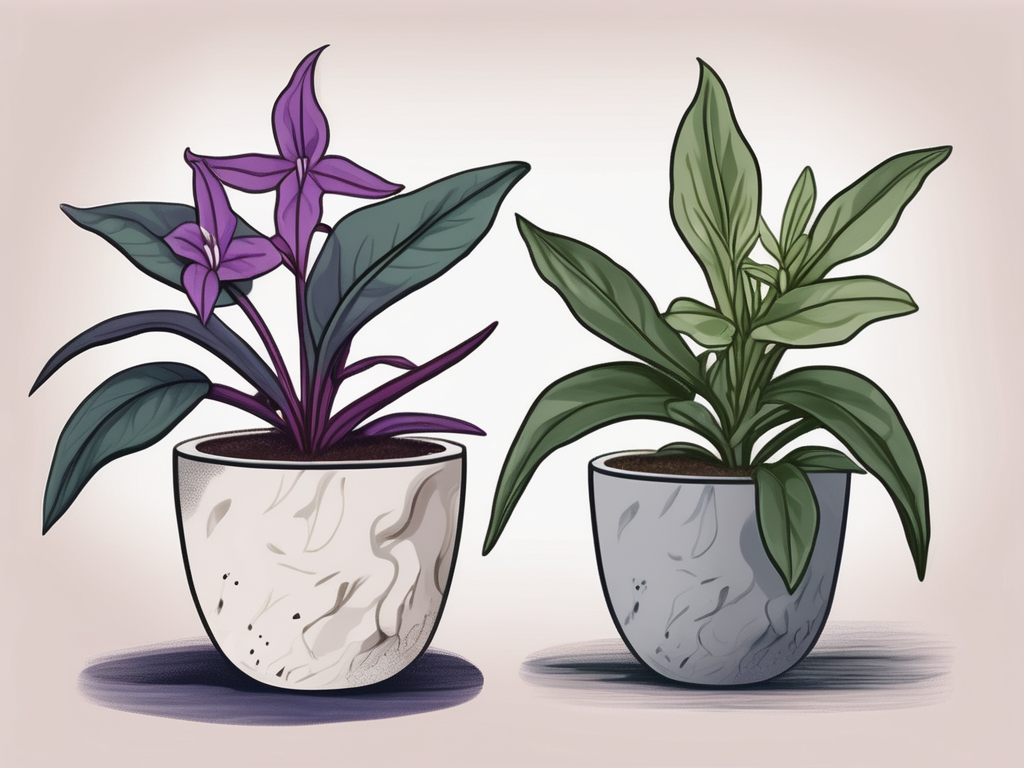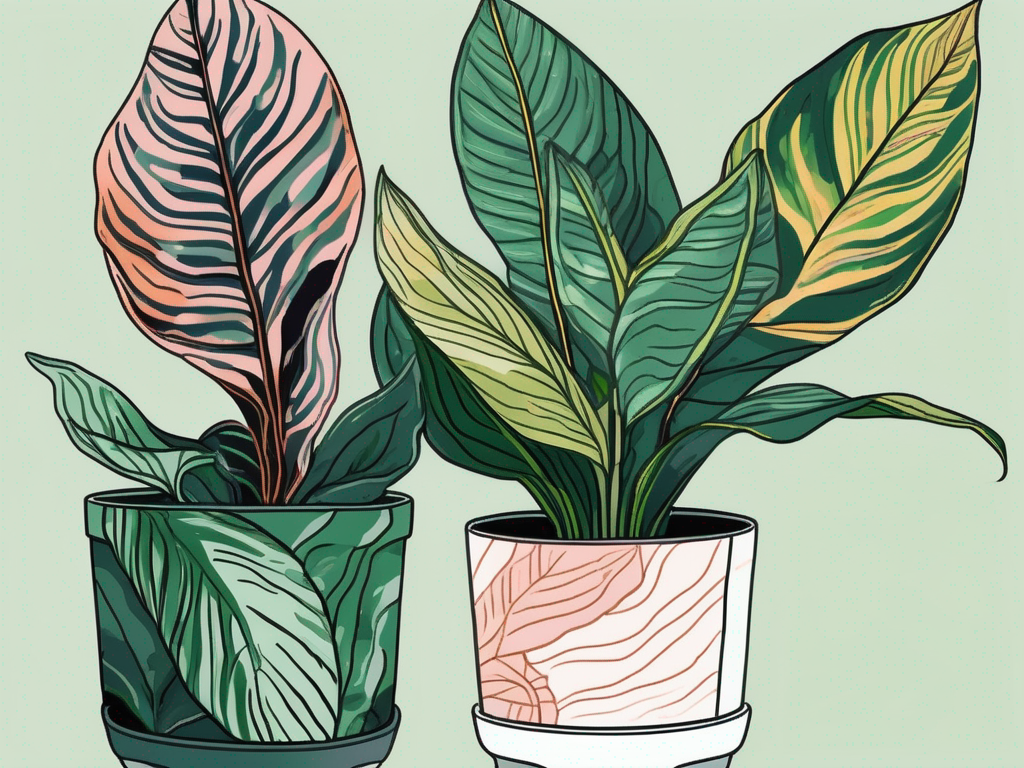
If you're looking for a plant that's as forgiving as it is beautiful, Tradescantia, often called the wandering jew, is a fantastic choice. These vibrant plants are not only easy on the eyes but also simple to care for, especially when grown in water. Yes, you heard that right—no soil required! Whether you're a seasoned plant parent or just starting your green journey, growing Tradescantia in water can add a unique twist to your indoor garden.
This article will guide you through every step of the process, from initial setup to ongoing maintenance. We’ll cover everything from choosing the right vessel to troubleshooting common problems. So grab your favorite plant jar, and let’s get started on creating your very own aquatic Tradescantia masterpiece!
Why Grow Tradescantia in Water?
First things first, why should you consider growing Tradescantia in water? Well, for one, it’s incredibly low maintenance. Water-grown plants don’t require frequent watering or the hassle of changing soil. Instead, you just need to top up the water every now and then. This method is perfect for busy folks who love greenery but might be a bit forgetful when it comes to plant care.
Moreover, Tradescantia thrives in a water environment. These plants are known for their hardiness and adaptability, making them ideal candidates for water propagation. Plus, there's something undeniably cool about seeing roots grow and develop in clear water. It's like watching a little science experiment unfold on your windowsill.
On the aesthetic side, a Tradescantia in water can be quite the conversation starter. It offers a sleek, modern look that can complement any interior style. Whether you’re into minimalist designs or more eclectic setups, a Tradescantia in water can add a pop of color and a touch of life to your space.
Choosing the Right Container
When it comes to growing Tradescantia in water, your choice of container can make a significant difference. The container not only needs to be functional but should also fit well with your home decor. Let’s talk about the practical side first.
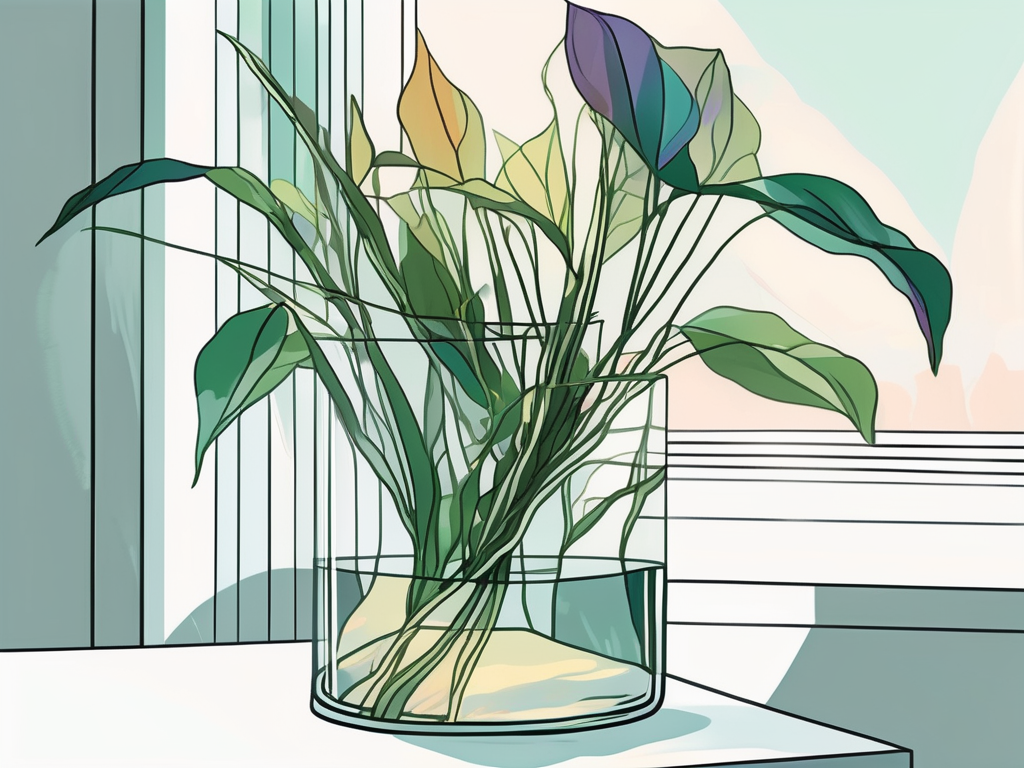
You'll want a container that allows you to see the water level and root development. Clear glass vases or jars are perfect for this. They allow sunlight to reach the roots, which can be beneficial for plant growth. Plus, you get to watch the roots as they twist and turn, adding an interesting visual element to your plant display.
Size matters too! Make sure the container is large enough to hold the plant without cramping the roots. If you're starting with cuttings, a smaller jar will do. But as your Tradescantia grows, you might need to upgrade to a larger vessel. Don’t be afraid to get creative—wine bottles, mason jars, or even old teapots can make unique homes for your plant.
Finally, consider the aesthetics. Your plant's container should complement your existing decor. Go for a sleek, modern glass vase for a minimalist look, or choose something more ornate for a vintage vibe. Remember, this is your indoor garden, and it should reflect your personal style.
Getting Started with Propagation
Ready to start growing your Tradescantia in water? The first step is propagation, which is as easy as pie. You don’t need a green thumb for this—just a little patience and a few basic supplies.
Begin by taking a healthy cutting from an existing Tradescantia plant. Look for a stem with several leaves and a couple of nodes. Nodes are the small bumps where leaves grow, and they’re crucial for root development.
Once you have your cutting, remove the lower leaves, leaving a few at the top. This will prevent the leaves from sitting in water and rotting. Place your cutting in a container of water, ensuring that the nodes are submerged. It’s a good idea to use a narrow-necked container to help support the cutting as it stands upright.
Now comes the easy part—waiting! Place your container in a spot with indirect sunlight, and let nature do its thing. Within a week or two, you should see roots starting to form. It’s an exciting process, so don’t hesitate to check in on your cutting regularly. Just remember to be gentle to avoid damaging those delicate new roots.
The Perfect Spot for Your Tradescantia
Tradescantia plants are quite forgiving when it comes to lighting, but there are still some things to keep in mind for optimal growth. Ideally, you want to place your water-grown Tradescantia in a location that receives bright, indirect sunlight. Too much direct sunlight can scorch the leaves, while too little can cause the colors to fade.
A windowsill that gets morning sun or a well-lit room is perfect. If you notice the leaves looking a bit dull, try moving the plant to a brighter spot. On the flip side, if you see browning or crispy edges, it might be getting too much sun. Adjust its position accordingly, and your Tradescantia should bounce back in no time.
Temperature is another factor to consider. Tradescantia prefers a warm environment, typically between 60-75°F (15-24°C). Avoid placing your plant near drafty windows or air conditioning vents, as sudden temperature changes can stress the plant.
Humidity levels can also play a role in your plant’s health. While Tradescantia isn’t overly fussy, it does appreciate a bit of humidity. If your home is particularly dry, consider placing a small humidifier nearby or grouping your Tradescantia with other plants to create a mini microclimate.
Maintaining Your Water-Grown Tradescantia
Once your Tradescantia has started growing in water, keeping it healthy is a breeze. The main thing you’ll need to do is regularly change the water. Fresh water every week or so will prevent stagnation and reduce the risk of algae or bacteria, which can harm your plant.
When changing the water, gently rinse the roots under lukewarm water to remove any debris. This is also a good time to inspect the roots for any signs of rot or disease. Healthy roots should be firm and white; if you notice any brown or mushy roots, trim them away with clean scissors.
Fertilizing your water-grown Tradescantia isn’t strictly necessary, but it can give your plant a little boost. If you choose to fertilize, use a diluted liquid fertilizer once a month. A quarter-strength solution is usually sufficient for water-grown plants. Just be careful not to overdo it, as too much fertilizer can lead to nutrient burn.
Finally, keep an eye on your plant’s growth. If it starts to outgrow its container, it might be time to move it to a larger space. You can also take cuttings from your existing plant and start the propagation process all over again. This not only keeps your plant looking its best but also allows you to expand your indoor garden.
Common Problems and How to Fix Them
Even the most robust plants can run into issues now and then. Fortunately, most common problems with water-grown Tradescantia are easy to fix. Here’s a quick rundown of what to watch for and how to address them.
Yellowing Leaves: This can be a sign of overwatering or stagnant water. Make sure you’re changing the water regularly and that the roots aren’t sitting in waterlogged conditions. Adjust the amount of sunlight if necessary, as too much direct light can also cause yellowing.
Root Rot: If you notice mushy, brown roots, your plant might be suffering from root rot. Trim away the affected roots and refresh the water. Ensure that the container allows for good air circulation around the roots.
Faded Colors: Tradescantia plants are known for their vibrant colors. If your plant is looking a bit dull, it might not be getting enough light. Try moving it to a brighter spot, but avoid direct sunlight to prevent leaf scorch.
Pests: While not common, water-grown plants can still attract pests like aphids or spider mites. If you notice any unwanted visitors, rinse the leaves and stems with a gentle stream of water. For persistent pests, a diluted neem oil spray can be effective.
By keeping an eye out for these issues, you can ensure your Tradescantia stays healthy and vibrant.
Creative Display Ideas
Growing Tradescantia in water isn’t just about the plant itself—it’s also about how you display it. There are plenty of creative ways to showcase your water-grown plants, adding a touch of personality to your home.
One idea is to create a mini plant station on a windowsill or a shelf. Group several glass jars of different shapes and sizes, each with a Tradescantia cutting. This creates an eye-catching display that highlights the beauty of the roots and foliage.
For a modern twist, consider a hanging water garden. Use macramé holders or hang your glass containers from the ceiling or a wall-mounted hook. This not only saves space but also adds a unique visual element to your decor.
If you love a more rustic look, try using vintage glass bottles or jars. The contrast between the old-fashioned containers and the vibrant, modern plant can be quite striking. Plus, it’s a great way to upcycle and add character to your space.
Finally, don’t be afraid to mix and match. Combine your Tradescantia with other water-friendly plants like pothos or philodendrons for a varied and interesting display. The key is to have fun and let your creativity shine!
Incorporating Tradescantia into Your Home Decor
Tradescantia doesn’t just belong on a windowsill—it can be a part of your home decor in many creative ways. Its vibrant colors and trailing growth habit make it a versatile addition to any room.
In the living room, consider using a Tradescantia as a centerpiece on your coffee table or a side table. A low, wide container allows the plant to spread out and create a lush, inviting look. Pair it with candles or decorative objects for added interest.
In the kitchen, a Tradescantia can add a splash of color and life to your countertop or windowsill. Use a simple glass jar to keep the look fresh and clean. It’s a great way to bring a bit of nature into your cooking space.
For a cozy bedroom vibe, place a Tradescantia on your nightstand or dresser. Its calming presence and gentle trailing leaves can help create a peaceful atmosphere. Choose a container that complements your bedroom decor, whether it’s sleek and modern or more vintage-inspired.
Don’t forget about the bathroom! Tradescantia loves humidity, making it a perfect plant for the bathroom environment. Place it on a shelf or the edge of the bathtub for a spa-like feel.
Wrapping Up Your Tradescantia Journey
Growing Tradescantia in water is not just a fun project but a rewarding way to bring nature indoors. With a bit of care and creativity, you can transform a simple cutting into a thriving plant that enhances your home. Whether you’re a seasoned plant lover or a newbie, this method offers a low-maintenance alternative that still delivers beautiful results.
Remember, the key is to enjoy the process and let your Tradescantia become a part of your home’s story. With its vibrant colors and easy-going nature, it’s sure to become a beloved member of your plant collection.
Final Thoughts
We've covered everything you need to know about growing Tradescantia in water—from choosing the right container to troubleshooting common issues. With these tips, you're well-equipped to create a beautiful and thriving water garden that requires minimal fuss.
At Cafe Planta, we're passionate about helping you care for your plants. Whether you're looking for new additions to your collection or need advice on plant care, we've got you covered. Feel free to email us or DM us on Instagram. Let's connect and celebrate the joy of bringing nature into our homes together!