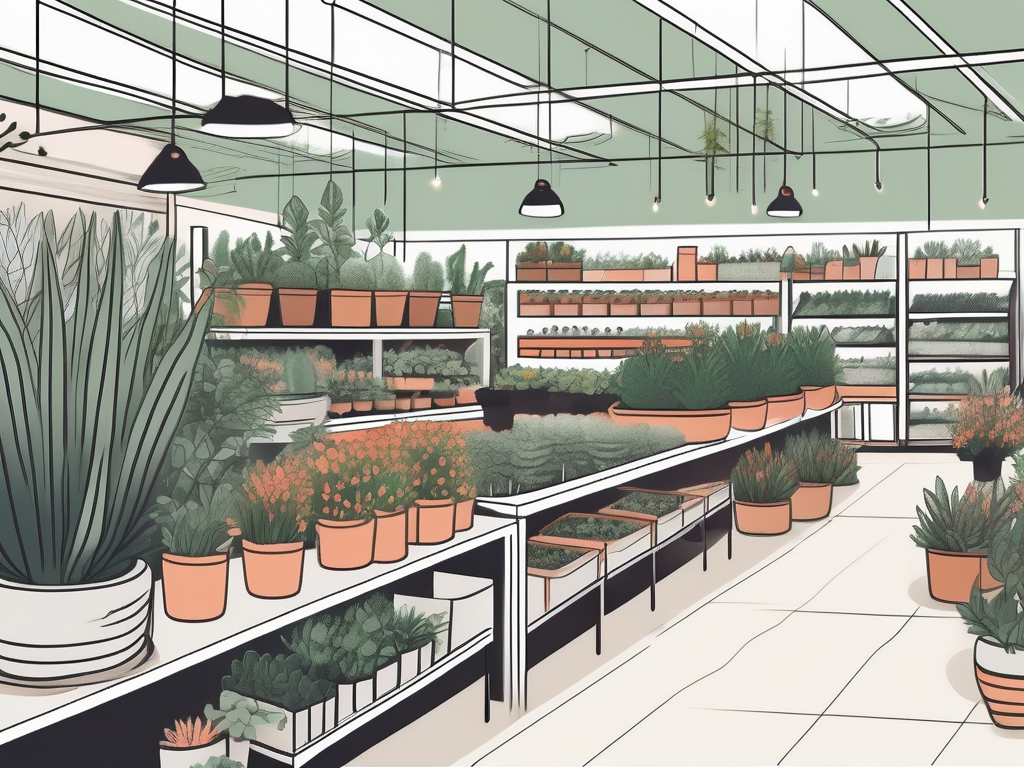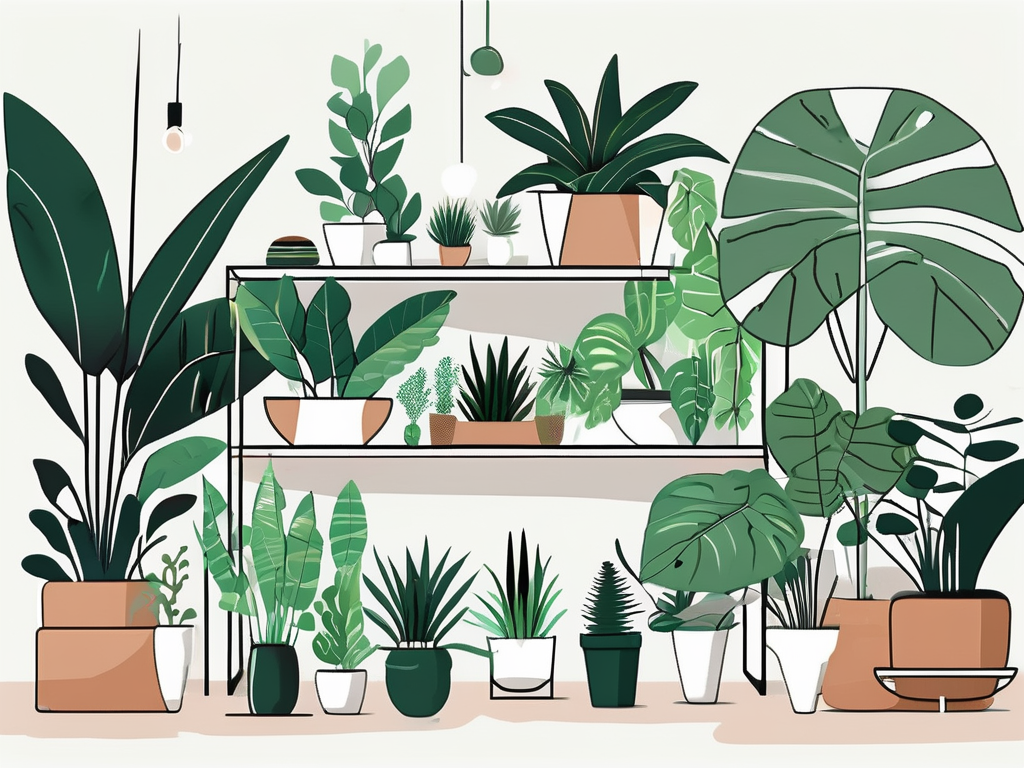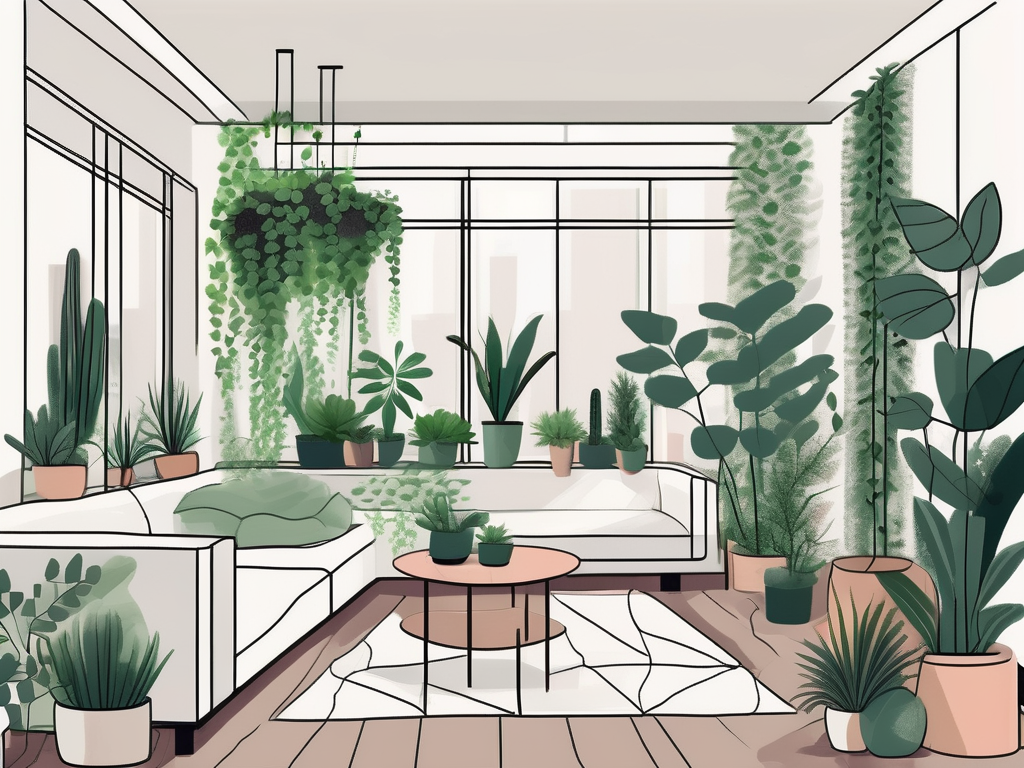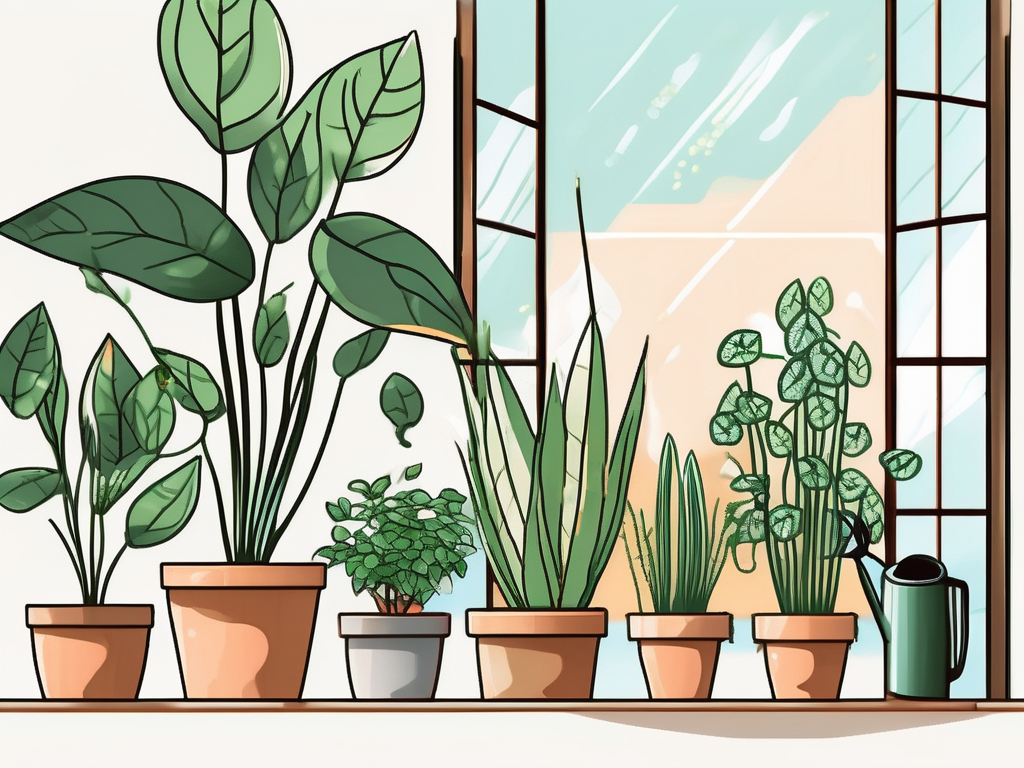
Houseplants have a unique way of transforming any living space into a vibrant, inviting haven. If you're eager to start your indoor garden from scratch, growing houseplants from seeds might just be the adventure you're looking for. Not only is it rewarding to watch your plants grow from tiny seeds into lush greenery, but it also allows you to cultivate a wide variety of plants that might not be available as seedlings or mature plants.
In this post, we'll guide you through everything you need to know about starting houseplants from seeds. From selecting the right seeds and preparing your soil to understanding the care needed as your plants grow, we've got you covered. Let's embark on this green journey together!
Choosing the Right Seeds for Your Indoor Garden
Before planting, you'll want to select seeds that are well-suited for indoor environments. While you might be tempted to grow every plant under the sun, starting with a few that thrive indoors will set you up for success. Some popular choices include herbs like basil and mint, leafy greens like lettuce and spinach, and ornamentals like spider plants and succulents.
When choosing seeds, consider the light conditions in your home. Plants like herbs typically need more sunlight, so they’re ideal for areas with lots of natural light. On the other hand, ferns and some leafy greens can tolerate lower light conditions, making them perfect for shadier spots. Researching each plant's needs will help you make informed decisions.
Don't forget to consider your personal preferences and needs. If you love cooking, herbs can be a great addition to your kitchen. If you're more focused on aesthetics, ornamental plants might be your go-to. Remember, the seeds you choose will set the foundation for your indoor garden, so take your time and select wisely.
Understanding Seed Starting Supplies
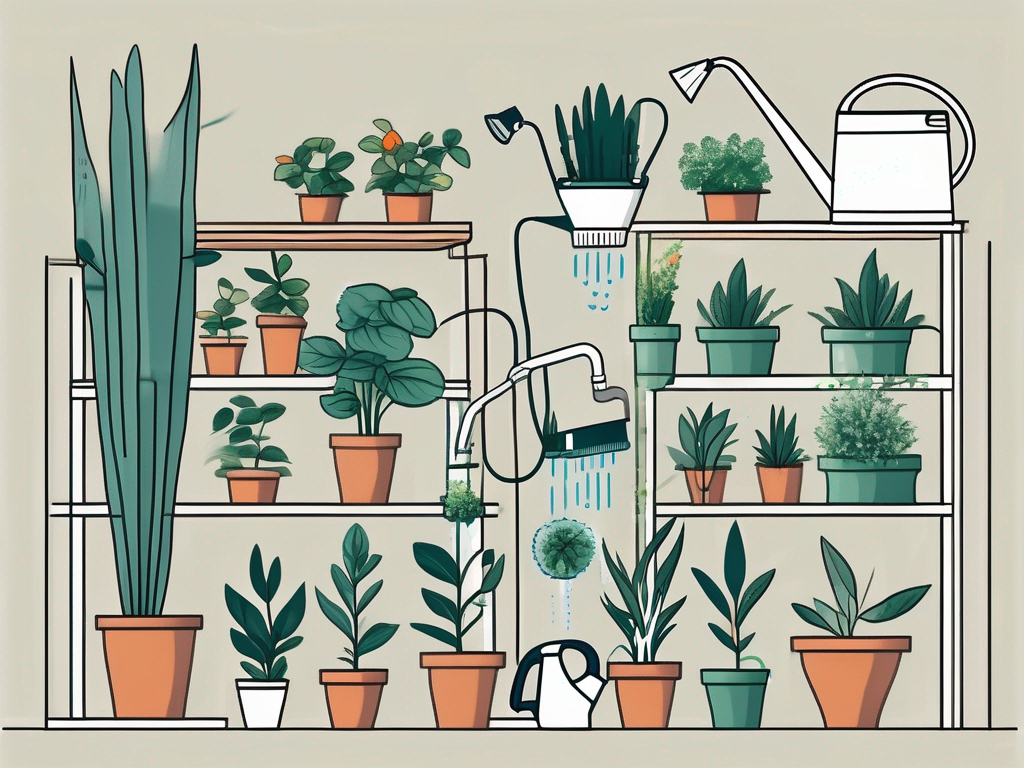
To get started, you’ll need a few basic supplies for seed starting. While you don't need to break the bank, investing in quality materials can make a significant difference in the success of your indoor garden.
- Seed Starting Trays: These are designed to hold soil and seeds. You can find them in various sizes, often with a clear lid to create a mini greenhouse effect.
- Seed Starting Soil: This is different from regular potting soil. It's lighter and more finely milled, which helps seeds germinate more easily.
- Grow Lights: If natural light is limited, grow lights provide the necessary spectrum of light for photosynthesis.
- Labels: Keeping track of what you’ve planted and where is crucial, especially if you’re starting multiple types of seeds.
- Watering Can or Spray Bottle: These are essential for keeping the soil moist without over-watering.
While this list might seem a bit daunting at first, many of these items are reusable, so they’re a worthwhile investment for any plant lover. Plus, once you have them, you're set for many planting seasons to come!
Preparing Your Seeds and Soil
Now that you've got your supplies, it's time to prepare your seeds and soil. The first step is to read the seed packet instructions carefully. Each plant has its own specific needs for light, water, and soil conditions, and these are usually detailed on the packet.
Once you understand the requirements, fill your seed trays with seed starting soil. This soil is specially formulated to provide the right conditions for germination. It's usually lighter and more aerated than regular potting soil, helping to keep the seeds moist without suffocating them.
If your seeds require soaking or scarification (scratching the seed surface to help it absorb water), now is the time to do it. This step can be crucial for some seeds, as it can dramatically increase germination rates.
After preparing your seeds, plant them according to the depth indicated on the packet. Gently cover them with soil and water lightly. You want the soil to be moist but not waterlogged, as too much water can cause seeds to rot.
Maintaining Ideal Growing Conditions
Once your seeds are planted, maintaining the right conditions is crucial for germination. Most seeds need warmth to germinate, so placing your seed trays in a warm spot can help. If your home is chilly, consider using a seedling heat mat to provide consistent warmth.
Light is another vital factor. While some seeds germinate in darkness, most require light once they start sprouting. If your home lacks natural light, grow lights can be a fantastic solution. These lights mimic the sun's spectrum, providing the necessary light for photosynthesis.
Humidity also plays a role in germination. Covering your seed trays with a clear lid or plastic wrap can create a humid environment, helping seeds to sprout. Just remember to remove the cover once the seedlings emerge to prevent mold growth.
Keep the soil consistently moist but not waterlogged. A spray bottle can be handy for watering young seedlings, as it prevents disrupting the soil and causing damage. With these conditions in place, your seeds should start sprouting in no time!
Caring for Seedlings
Congratulations! Your seeds have sprouted, and you're now the proud parent of seedlings. But the journey doesn't stop here. Seedlings require a bit more attention as they grow.
First, ensure they're getting enough light. Seedlings often become leggy when they’re reaching for light. If this happens, consider adjusting your lighting setup or moving them closer to a light source.
Next, you'll want to thin out your seedlings if they’re crowded. This means removing some seedlings to give others more space to grow. While it might feel harsh, it's essential for the health of the remaining plants.
As your seedlings grow, they'll also need to be fed. Start with a diluted liquid fertilizer every couple of weeks, gradually increasing the concentration as they mature. This will provide the nutrients they need to develop strong roots and leaves.
Finally, keep an eye out for pests and diseases. Seedlings are particularly vulnerable, so catching any issues early can save your plants. With proper care, your seedlings will grow into robust plants ready for potting.
Transplanting Seedlings
Once your seedlings have grown strong and sturdy, it's time to transplant them into larger pots or their permanent homes. This step is crucial for their continued growth and development.
To start, choose pots that are the right size for your plants. They should be large enough to allow room for root growth but not so large that the plant becomes overwhelmed. Ensure the pots have drainage holes to prevent waterlogging.
Fill the pots with a high-quality potting mix, which is more suitable for mature plants than seed starting soil. Carefully remove the seedlings from their trays, being gentle with the roots. It's often helpful to hold the plant by its leaves rather than the stem to minimize damage.
Plant the seedlings in their new pots, covering the roots with soil. Water them thoroughly to help settle the soil around the roots. It's normal for plants to experience a bit of transplant shock, but with proper care, they'll quickly bounce back.
After transplanting, continue to care for your plants by providing adequate light, water, and nutrients. With time and attention, they'll thrive in their new environment.
Managing Pests and Diseases
Even the most careful plant parent can encounter pests and diseases. The key is to address them promptly before they become a bigger problem.
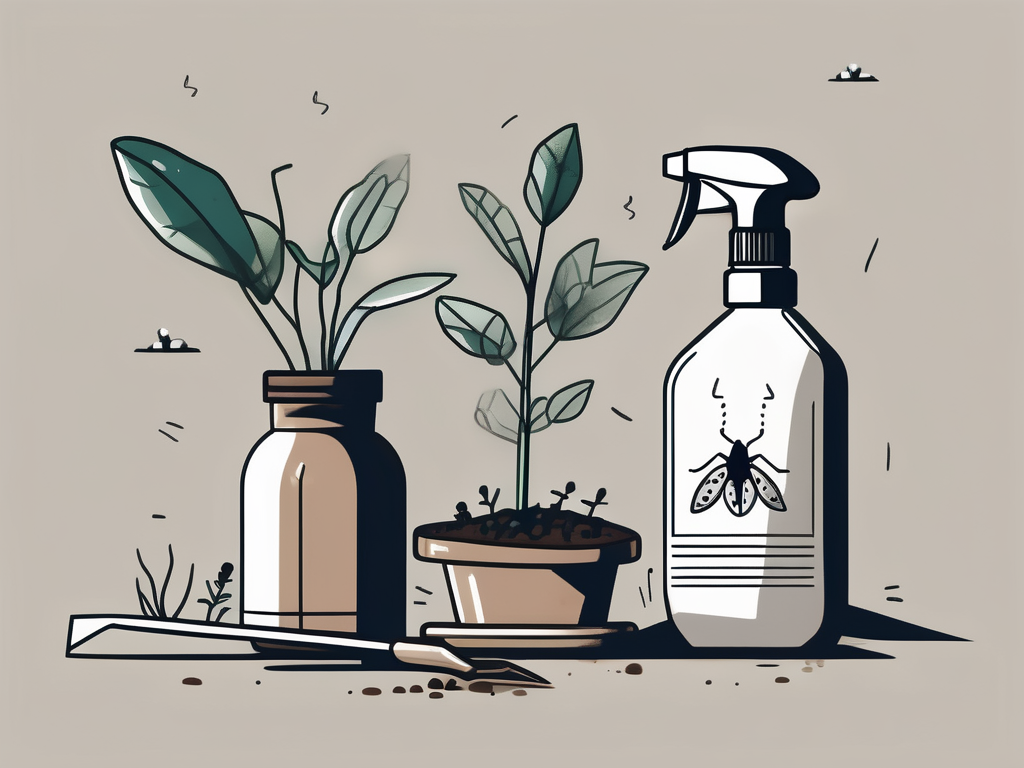
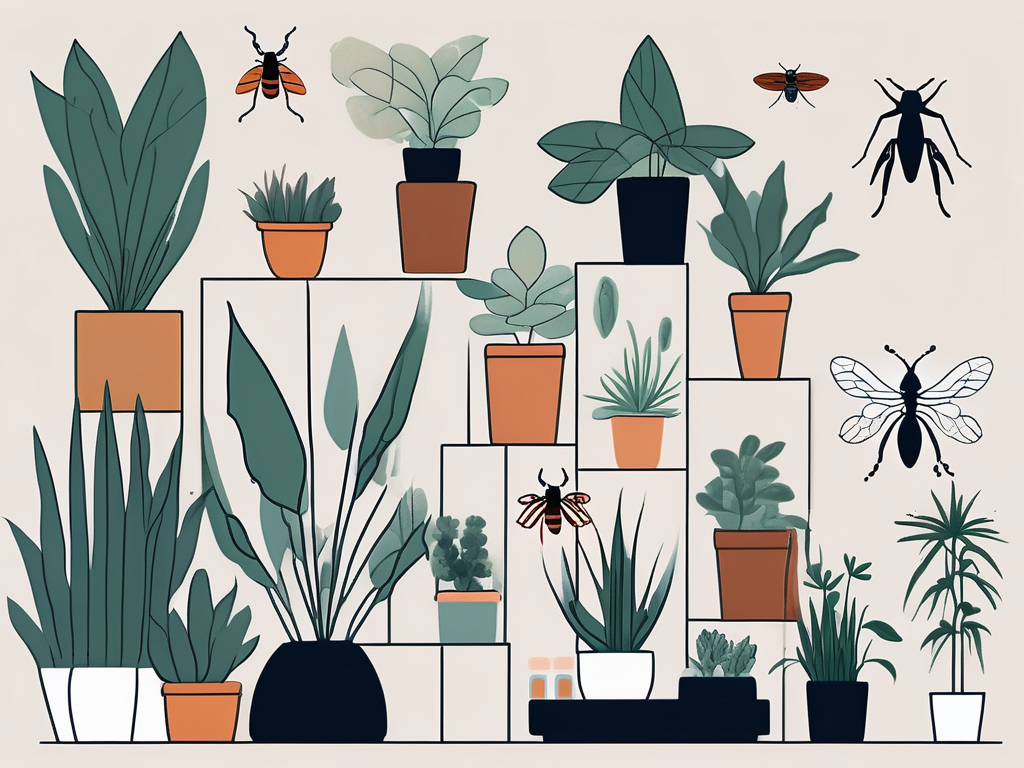
Common indoor plant pests include aphids, spider mites, and fungus gnats. Regularly inspect your plants for signs of these pests, such as sticky residue, webbing, or tiny flies. If you spot any, there are various treatments available, from natural remedies like neem oil to commercial pesticides.
Disease in houseplants is often caused by overwatering, poor air circulation, or lack of light. Fungal infections like root rot and powdery mildew can be serious, so it's important to ensure your plants have the right conditions. Proper watering techniques and ensuring adequate airflow can prevent many issues.
If a plant becomes diseased, isolate it from others to prevent spreading. Prune away affected areas and adjust care practices to improve its health. With vigilance and care, you can keep your indoor garden healthy and thriving.
Designing Your Indoor Garden
With your plants growing nicely, it's time to think about how they'll fit into your home decor. Designing an indoor garden is all about creativity and personal style.
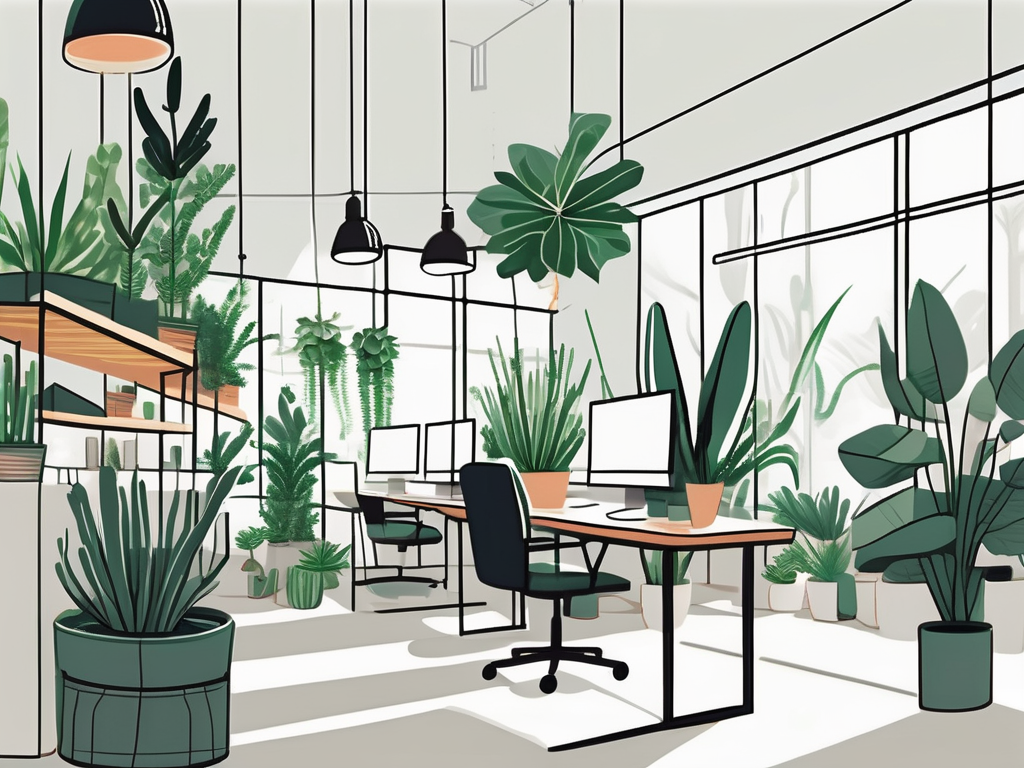
Consider the size and shape of your plants as they mature. Taller plants like fiddle leaf figs make striking focal points, while smaller plants like succulents can be grouped together for visual impact. Mixing different textures and colors adds depth and interest to your space.
Think about the containers you use. Pots come in all sorts of styles, from sleek and modern to rustic and earthy. Choose ones that complement your home and the plants themselves. Don't be afraid to mix and match for an eclectic look.
Placement is also key. Group plants together that have similar light and water needs. This not only makes care easier but also creates a cohesive look. Experiment with different arrangements until you find what works best for your space.
Your indoor garden should reflect your personality and enhance your living space. Have fun with it, and don't be afraid to change things up as your plants grow and your style evolves.
Final Thoughts
Growing houseplants from seeds is a wonderful journey that offers both challenges and rewards. By choosing the right seeds, providing the right conditions, and giving your plants the care they need, you can create a thriving indoor garden that brings joy and beauty to your home.
Cafe Planta is here to support your plant journey. Whether you're looking for new houseplants, plant care accessories, or plant-themed apparel, we've got you covered. If you have any questions or need advice on plant care, feel free to email us or send a message on Instagram. We believe in the power of plants to connect us with nature and each other. Let's grow together!