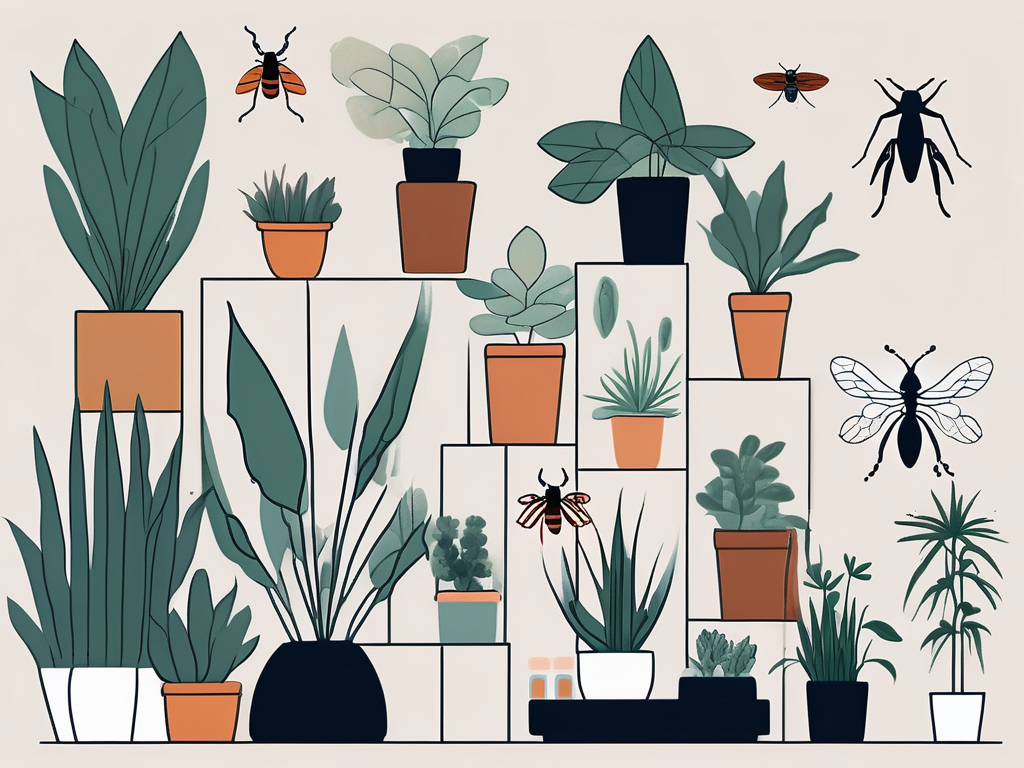
Houseplants can transform any living space into a green oasis, but along with their beauty, they can sometimes bring unwelcome guests. Soil pests are a common nuisance for many plant lovers and can turn your thriving plant corner into a bit of a headache. But fear not! Identifying and eliminating these pesky invaders is entirely possible with a little know-how and some practical steps.
This article will guide you through recognizing the usual suspects lurking in your potting soil, understanding their behavior, and tackling them head-on. So, grab a cup of tea, get comfortable, and let's make your plant collection the envy of all your friends!
Understanding Common Houseplant Soil Pests
Before you can effectively deal with soil pests, it's important to know what you're up against. Different pests have different characteristics and behaviors, and understanding these can make a world of difference.
Fungus Gnats
These tiny, mosquito-like insects are often seen hovering around your plants. Although they aren't harmful to humans, they can be a real pain for your plants. The adult gnats themselves don't cause much harm, but their larvae can wreak havoc on young roots.
- Identification: Adult fungus gnats are small, dark, and have long legs and wings. Their larvae are white or transparent and live in the soil.
- Behavior: Fungus gnats thrive in moist conditions and are often attracted to overwatered plants.
- Elimination: Allow the top inch of soil to dry out between waterings to disrupt their lifecycle. Sticky traps can catch adults, and beneficial nematodes can help control larvae.
Root Aphids
Root aphids are tiny, sap-sucking insects that can cause significant damage to the roots of your plants. They are a bit more challenging to spot because they live below the soil surface.
- Identification: These pests are small and vary in color from white to light brown. Their presence is often indicated by yellowing leaves and stunted growth.
- Behavior: Root aphids feed on plant sap, which weakens the plant and makes it susceptible to other issues.
- Elimination: Introduce beneficial insects like ladybugs or use insecticidal soap to reduce their numbers. Repotting and replacing the soil can also be effective.
Springtails
Springtails are tiny, soil-dwelling creatures that are often mistaken for pests, but they generally pose little threat to plants. They eat decaying organic matter and are more of a nuisance than a danger.
- Identification: Springtails are small, white or gray insects that can jump when disturbed.
- Behavior: They are attracted to moist soil and often appear in overwatered plants.
- Elimination: Drying out the soil can reduce their numbers. They are usually harmless, so drastic measures aren't necessary.
Signs Your Plants Have Soil Pests
Detecting soil pests early can save your plants from serious damage. Here are some telltale signs that your plants might be under attack.
- Wilting or Yellowing Leaves: This is often one of the first signs of distress. If your plant is wilting despite receiving adequate water, pests might be to blame.
- Poor Growth: Stunted growth or a lack of new growth can indicate that your plant's roots are being disturbed by pests.
- Visible Insects: Sometimes, you can see the pests themselves either crawling on the soil or flying around the plant.
- Root Damage: If you notice mushy or damaged roots when repotting, it's a sign that pests may be present.
Preventative Measures to Avoid Soil Pests
Prevention is often the best cure, and there are several measures you can take to keep soil pests at bay.
Proper Watering Techniques
Many soil pests thrive in moist conditions, so getting your watering routine right is crucial.
- Water Wisely: Allow the top inch of your plant's soil to dry out before watering again. This not only helps prevent pests but also encourages healthy root growth.
- Use Well-Draining Soil: Ensure your potting mix drains well to avoid waterlogged soil, which can attract pests.
Regular Soil Inspection
Taking the time to inspect your soil can help catch problems early.
- Look for Changes: Keep an eye out for changes in the soil, such as mold or sudden increases in insect activity.
- Check Under Leaves: Some pests hide under leaves, so regularly checking the undersides can help catch them early.
Keep Your Plants Clean
Maintaining the cleanliness of your plants can deter pests from making themselves at home.
- Wipe Leaves: Use a damp cloth to wipe down leaves, which can remove potential hiding spots for pests.
- Remove Debris: Clear away any fallen leaves or debris from the soil surface, as these can provide breeding grounds for pests.
Effective Treatments for Soil Pests
Once you've identified a pest problem, it's time to take action. Here are some effective treatments to consider.
Natural Remedies
For those who prefer a more organic approach, these remedies can be quite effective.
- Diatomaceous Earth: This natural powder can be sprinkled on the soil surface to deter crawling insects.
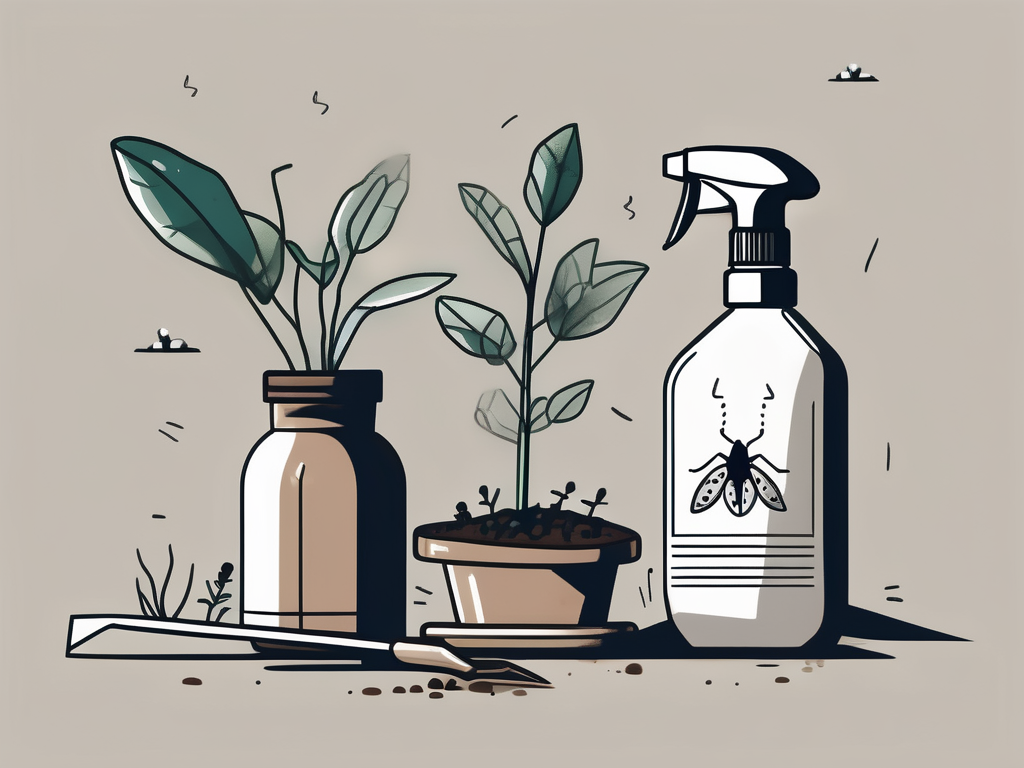
- Neem Oil: A natural pesticide that can be mixed with water and sprayed on the soil to disrupt pest life cycles.
- Essential Oils: Certain oils like peppermint or rosemary can be diluted and sprayed to repel pests.
Chemical Solutions
If natural remedies aren't enough, chemical solutions may be necessary.
- Insecticidal Soaps: These can be used to target specific pests without harming your plants.
- Systemic Insecticides: These are absorbed by the plant and can kill pests from the inside out.
Repotting as a Solution
Sometimes, repotting your plant can be the best way to eliminate soil pests, especially if they're deeply entrenched.
- Choose Fresh Soil: Use fresh, sterile potting mix to ensure no pests are carried over.
- Clean the Pot: Thoroughly clean the pot with a mild bleach solution to kill any remaining pests or eggs.
- Inspect Roots: Check the roots for damage and trim away any that are rotten or heavily infested.
Monitoring and Maintenance
Even after you've tackled the pests, keeping a close eye on your plants is important to prevent future infestations.
- Regular Checks: Continue to inspect your plants regularly for any signs of returning pests.
- Maintain Plant Health: Healthy plants are better equipped to resist pests, so ensure they receive the right light, water, and nutrients.
- Rotate Natural Remedies: Occasionally switch up the natural remedies you use to prevent pests from building resistance.
When to Seek Professional Help
There are times when a pest problem might be too severe to handle on your own. Recognizing when to call in the experts can save your plant from an untimely demise.
- Persisting Infestation: If pests return despite your best efforts, a professional might have more advanced tools and treatments.
- Multiple Plant Involvement: If several plants are affected, a professional can help manage the situation more effectively.
- Unidentified Pests: If you're struggling to identify the pests, a professional can accurately diagnose and treat the issue.
Learning from Experience
Every plant parent has faced pest issues at some point. Learning from each experience not only helps you improve your plant care skills but also builds your confidence.
- Document Your Journey: Keep a plant journal to track how you've dealt with past issues and what worked best.
- Share with Others: Engage with other plant lovers to exchange tips and support. Sometimes, hearing about someone else's experiences can offer new solutions.
Final Thoughts
Tackling soil pests may seem daunting, but with the right approach, your plants can thrive once again. Remember to stay vigilant, maintain good plant care practices, and don't hesitate to ask for help when needed.
At Cafe Planta, we're here to support your plant journey. Whether you need advice or are looking to expand your collection, we've got you covered. Feel free to reach out via email or connect with us on Instagram. Let's nurture our love for plants together!