Indoor tree plants can transform your home into a vibrant oasis, adding a touch of nature and a breath of fresh air. Whether you're looking to spruce up your living room or add some greenery to your office, indoor trees are a fantastic choice. They come in all shapes and sizes, fitting any style or space.
In this guide, we'll explore everything you need to know about indoor tree plants. From selecting the right tree for your space to caring for it and incorporating it into your home decor, we've got you covered. Let's embark on this leafy journey together!
Choosing the Right Indoor Tree Plant
Selecting the perfect indoor tree plant can feel overwhelming with so many options available. However, considering your specific needs and environment will make this decision much easier. First, think about the space you have available. Do you have a well-lit corner that could use a statement piece, or are you trying to add some life to a dimly lit room?
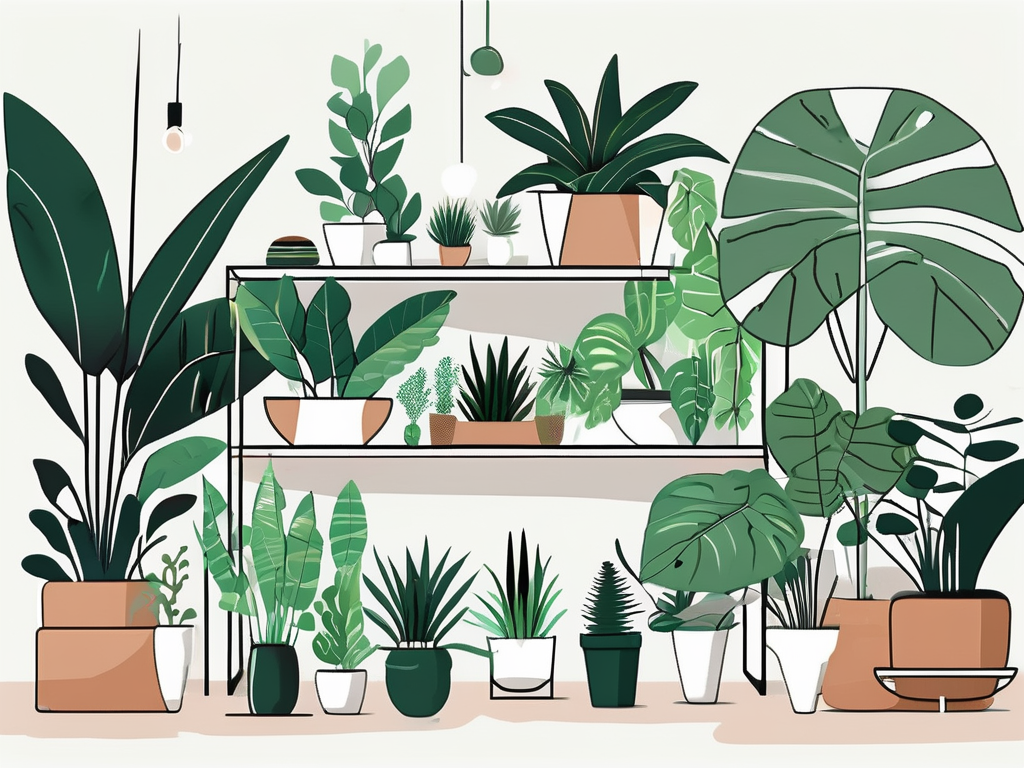
Light is a significant factor in choosing a plant. For bright, sun-drenched areas, opt for plants like fiddle leaf figs or rubber trees. If your room is on the shadier side, consider low-light champions like the snake plant or ZZ plant. It's crucial to match your plant's needs with your home's conditions to ensure it thrives.
Size is another consideration. If you're looking for a dramatic effect, a larger tree like a monstera or bird of paradise might be perfect. For smaller spaces, a dwarf citrus tree or a bonsai could be just right. Don't forget to think about your lifestyle, too. If you're not home often or new to plant parenting, you might want a plant that's a bit more forgiving, like a dracaena or peace lily.
Potting and Soil Care
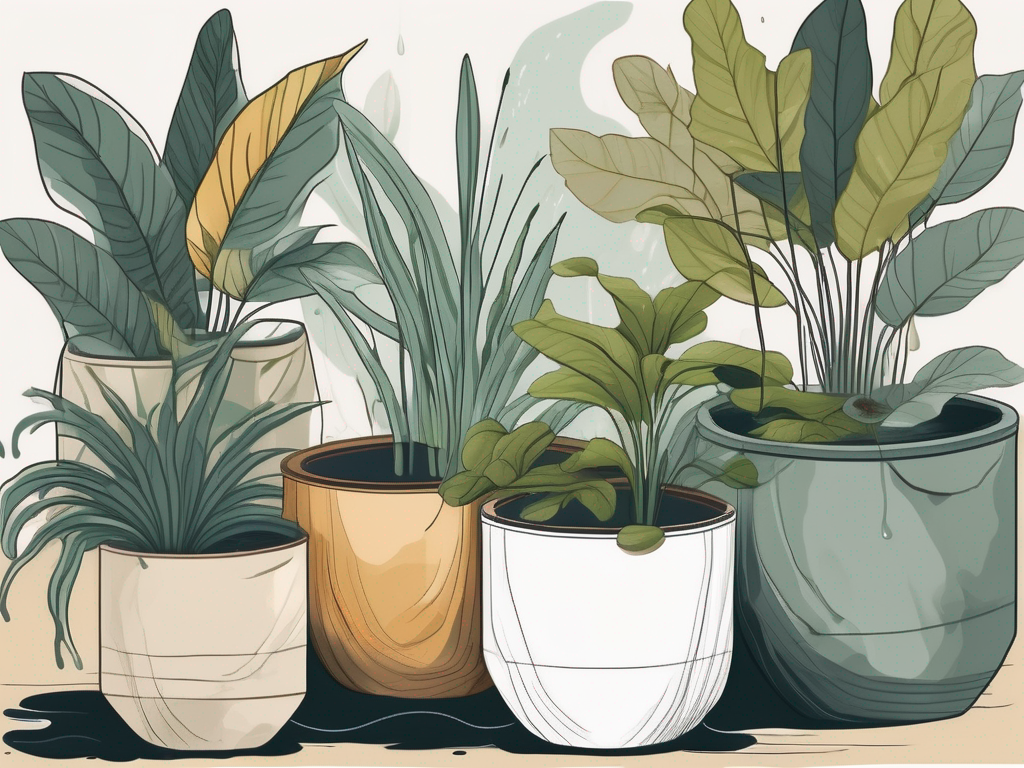
Once you've chosen your indoor tree plant, it's time to think about potting and soil. The right pot and soil will set the stage for your plant's healthy growth. Start with a pot that has drainage holes. This is essential to prevent water from sitting at the bottom and causing root rot.
When it comes to soil, not all plants are equal. While some prefer rich, well-draining soil, others might thrive in a sandy mix. For most indoor trees, a standard potting mix with added perlite or sand for drainage works well. However, always check the specific needs of your plant. Citrus trees, for example, enjoy a slightly more acidic soil.
Repotting is another aspect of care to keep in mind. As your plant grows, it may outgrow its pot. A good rule of thumb is to repot every one to two years. When repotting, choose a pot that's one to two inches larger in diameter than the current one. This gives your plant room to grow without overwhelming it with too much space.
Watering Your Indoor Tree
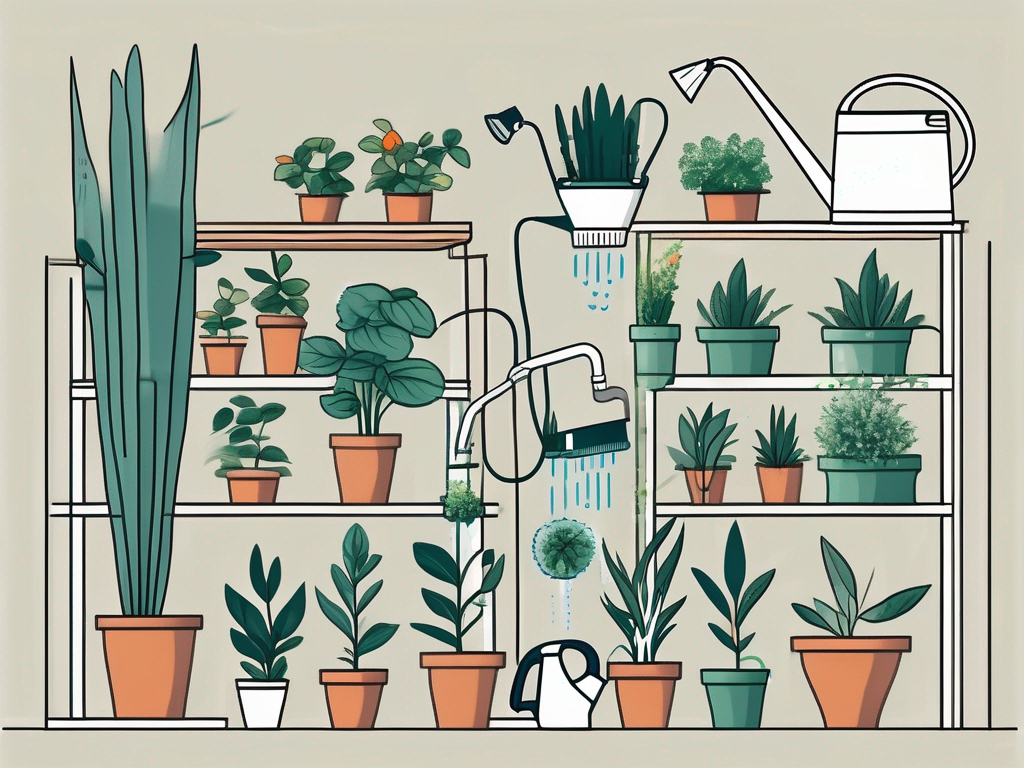
Watering is one of the most crucial aspects of plant care, yet it's often where many plant parents go wrong. The key is to understand your plant's specific needs. Some indoor trees like to dry out between waterings, while others prefer consistently moist soil.
A good way to check if your plant needs water is by sticking your finger an inch into the soil. If it feels dry, it's time to water. If it's still moist, give it a few more days. Overwatering is a common mistake and can lead to root rot, so it's better to err on the side of caution.
Consider the season as well. Most plants need less water in the winter when they're not actively growing. On the flip side, during the growing season, typically spring and summer, they might require more frequent watering. Always adjust your watering schedule to the plant's needs and the environmental conditions.
Dealing with Pests and Fungal Issues
Even the best-kept plants can fall prey to pests and diseases. Common indoor plant pests include spider mites, aphids, and mealybugs. The first step in dealing with pests is regular inspection. Check under the leaves and around the base of the plant for any signs of trouble.
If you spot pests, there are several ways to tackle them. You can start with a gentle approach like a spray of soapy water or neem oil, which can be effective against many pests. For more persistent infestations, you might need to use a more targeted insecticide.
Fungal issues often appear as spots on the leaves or a white powdery substance. These can be caused by overwatering or poor air circulation. To prevent fungal issues, ensure your plant has good airflow and avoid getting the leaves wet when you water. If you notice a fungal problem, you might need to trim affected leaves and use a fungicide.
Pruning and Maintenance
Pruning is an essential part of keeping your indoor tree healthy and looking its best. It helps remove dead or damaged leaves, encourages new growth, and can shape your plant into a more pleasing form. The best time to prune most indoor trees is during the growing season.
When pruning, use clean, sharp scissors or pruning shears. Make your cuts at a 45-degree angle just above a node (where the leaf meets the stem). This encourages new growth in the right direction. Don't be afraid to prune your plant! It might seem daunting, but it's much like getting a haircut. Your plant will feel refreshed and ready to grow.
Regular maintenance tasks include dusting the leaves, which helps the plant photosynthesize more efficiently, and checking for any signs of stress or disease. By keeping up with these simple tasks, you'll ensure your plant stays healthy and happy.
Incorporating Indoor Trees into Your Decor
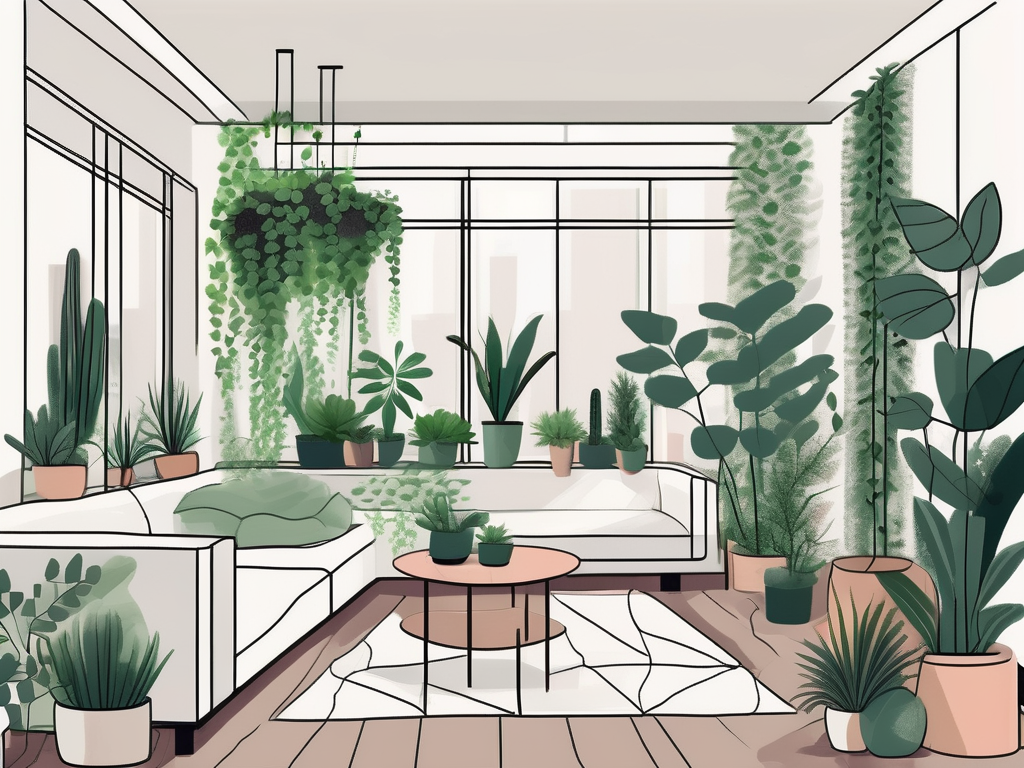
Indoor trees are not just about greenery; they're a fantastic way to add style and personality to your home. The key is to match the plant's aesthetics with your decor style. A tall fiddle leaf fig can make a bold statement in a modern, minimalist room, while a lush palm might suit a more bohemian setting.
Consider the pot as part of your decor. Choose something that complements your home's color scheme and style. A sleek, ceramic pot might be perfect for a contemporary space, while a woven basket could add a touch of rustic charm.
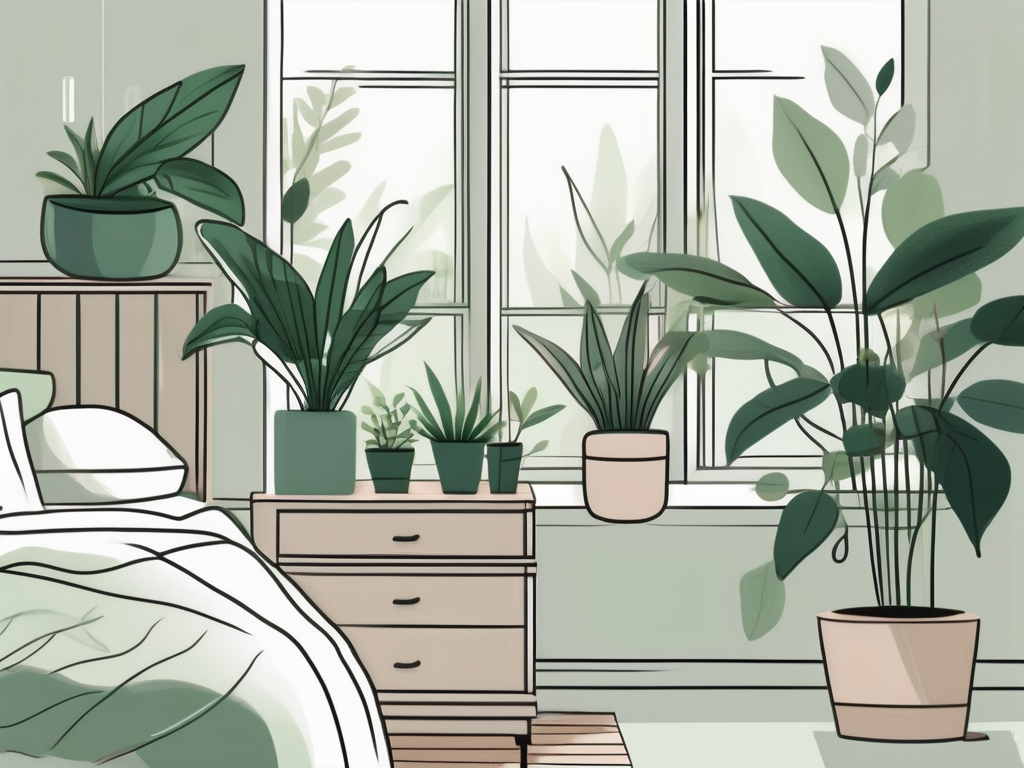
Don't forget about placement. A well-placed plant can draw the eye and balance a room. Think about using plants to fill empty corners, create a focal point, or even as a natural room divider. The possibilities are endless, and the right indoor tree can truly transform your space.
Lighting and Placement
Understanding your plant's lighting needs is crucial for its health. Light can be a bit of a juggling act, especially with indoor plants. Most indoor trees prefer bright, indirect light. However, some can tolerate lower light conditions.
If your plant is stretching or leaning towards the light, it might not be getting enough. On the other hand, if the leaves are scorched or turning brown, it could be getting too much direct sunlight. Adjust the placement accordingly to find the sweet spot.
Natural light isn't your only option. If your space lacks enough natural light, consider using grow lights. They can supplement your plant's needs and keep it thriving even in darker corners of your home.
Benefits of Indoor Tree Plants
Indoor tree plants aren't just pretty to look at—they come with a host of benefits. One of the most talked-about advantages is their ability to improve air quality. Plants can filter toxins from the air, providing you with a cleaner, healthier environment.
Beyond air purification, plants also have psychological benefits. They can boost your mood, reduce stress, and even improve focus and productivity. There's something incredibly calming about having a bit of nature around you, especially in our often hectic lives.
Finally, indoor trees can increase the humidity in your home, which is especially beneficial during dry winter months. A more humid environment can help prevent dry skin and respiratory issues, making your home more comfortable overall.
Final Thoughts
Indoor tree plants offer a wonderful way to bring nature into your home, adding beauty, improving air quality, and boosting your mood. From choosing the right plant to caring for it and incorporating it into your decor, there's plenty to enjoy about being a plant parent.
At Cafe Planta, we're passionate about helping you on your plant journey. Whether you're looking for a new houseplant or need advice on plant care, we're here to help. Feel free to reach out via email or connect with us on Instagram. We believe in the power of plants to bring people together and inspire connection with nature.