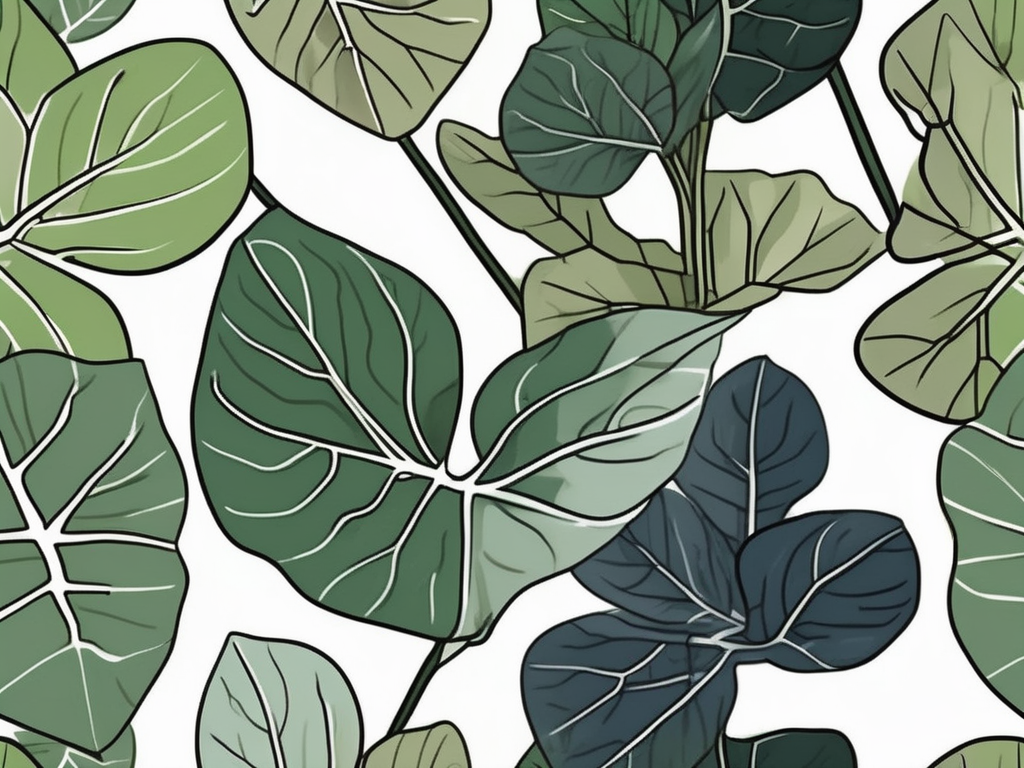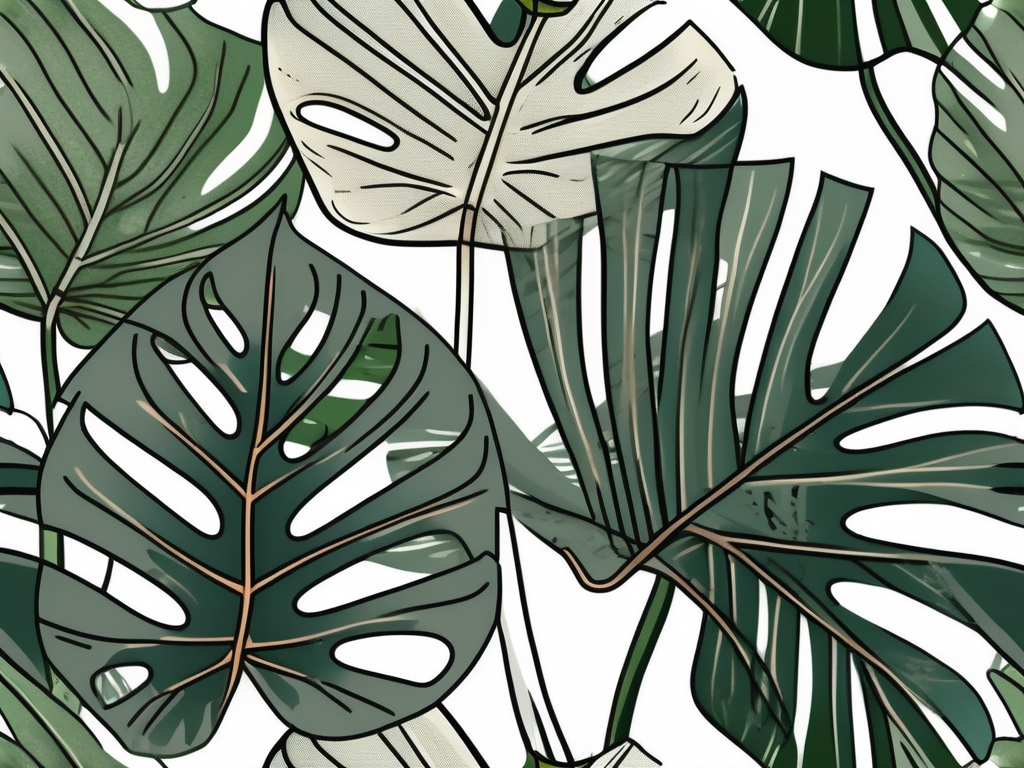
Monstera Adansonii, often called the Swiss cheese plant for its distinctive, holey leaves, is a favorite among plant lovers. It's not just its looks that make it appealing—this plant is also relatively easy to propagate through cuttings, making it a great choice for those looking to expand their plant family without breaking the bank.
In this article, we'll walk you through everything you need to know about propagating Monstera Adansonii from cuttings. From the initial snip to watching your new plant grow, we're covering each step in detail so you can confidently nurture your own thriving Monstera family.
Understanding Monstera Adansonii
Before we jump into propagation, it's helpful to know a bit about the plant you're working with. Monstera Adansonii is a tropical plant native to Central and South America. It thrives in humid environments with plenty of indirect light. You might be wondering why the leaves have holes, or fenestrations, as they're known. While the exact reason is debated, one theory suggests that the holes allow light to reach lower leaves, helping the plant grow taller and spread wider in dense forests.
These characteristics make Monstera Adansonii a versatile houseplant. It's adaptive, meaning it can thrive in various indoor environments, provided its basic needs for light and humidity are met. Understanding these needs can help when you're trying to propagate new plants, as replicating the right conditions can make a huge difference in success rates. For those new to plant care, this Monstera is often forgiving, but knowing a bit about its natural habitat helps give your cuttings the best start.
Gathering Your Supplies
Getting ready to propagate your Monstera Adansonii involves a little preparation. Here's a list of the essentials you'll need to ensure a smooth process:
- Clean, sharp scissors or pruning shears: You'll need these to make a clean cut without damaging the plant.
- Rooting hormone (optional): This can help speed up the rooting process, though it's not strictly necessary.
- Small pots or containers: These will hold your cuttings while they root. Make sure they have drainage holes.
- Well-draining potting mix: A mix designed for tropical plants often works best.
- Water: You'll need this to moisten the soil and possibly for water propagation.
- Plastic bags or a propagation dome: These can help maintain humidity for your cuttings.
Having these supplies on hand will make the propagation process easier, giving you more time to focus on caring for your new plant babies. Ensuring your tools are clean is especially important to prevent any disease from affecting your cuttings. So, if you've been using those scissors for some non-plant activities, give them a good cleaning first!
Choosing the Right Cutting
Picking the right part of the plant for your cutting is crucial. You'll want to look for a healthy vine with at least one node. A node is the small bump where leaves and roots grow out of the stem. It's like the plant's growth hub, and it's where new roots will sprout from. Without a node, your cutting won't grow roots, which means it won't turn into a new plant.
Look for a section of the vine that has healthy leaves and appears strong. Avoid taking cuttings from any part of the plant that looks wilted or diseased. A good rule of thumb is to make your cuttings four to six inches long, with at least one or two leaves. This size gives the cutting enough energy to survive while it grows new roots.
Once you've found the perfect spot, use your clean, sharp scissors to make the cut just below a node. If you're feeling a little nervous about snipping your plant, remember that Monstera Adansonii is quite forgiving. Plus, your plant will often grow back bushier after pruning, which is an added bonus!
Soil vs. Water Propagation
Now that you have your cuttings, it's decision time: soil or water? Each method has its own set of pros and cons, so let's break them down.
Soil Propagation
Soil propagation involves planting the cutting directly into a pot filled with a well-draining potting mix. This method allows the cutting to settle into its new environment from the start, which can make the transition to a mature plant smoother. Here's how you do it:
- Moisten the soil before planting to ensure it's damp but not soggy.
- Make a small hole in the soil and gently place the cutting inside, ensuring the node is buried.
- Firmly tap the soil around the cutting to keep it stable.
- Cover the pot with a plastic bag or place it under a propagation dome to maintain humidity.
Soil propagation is great if you’re looking for a more hands-off approach. However, it can be harder to monitor root growth since you can’t see it happening beneath the soil.
Water Propagation
Water propagation is a bit like putting your plant cutting in a spa—it’s relaxing to watch! Here's how you do it:
- Place the cutting in a jar or glass of water, ensuring the node is submerged but the leaves are not.
- Change the water every few days to keep it fresh and oxygenated.
- Once roots are a few inches long, you can transfer the cutting to soil.
This method allows you to watch those roots grow, which can be quite exciting. However, the transition from water to soil can sometimes be tricky, as the plant has to adjust to a new environment.
Ultimately, the choice between soil and water propagation comes down to personal preference. If you’re the type who likes to watch the action, water might be for you. If you’re more about setting it and forgetting it, soil could be your go-to.
Caring for Your Cuttings
Once your cuttings are settled in their new homes, the real nurturing begins. Proper care at this stage is crucial for successful root development and growth.
Light and Temperature
Monstera Adansonii cuttings thrive in bright, indirect light. Too much direct sunlight can scorch the leaves, while too little light can slow down growth. A spot near a window, filtered through a sheer curtain, is often ideal. As for temperature, aim for a warm environment, between 65-75°F (18-24°C). These plants also appreciate higher humidity, which is why covering them with a plastic bag or dome can be beneficial.
Watering
Water management is all about balance. If you're propagating in soil, keep the medium moist but not waterlogged. For water propagation, change the water every few days to prevent stagnation and algae growth. Remember, overwatering can lead to root rot, which is a common pitfall for new plant parents.
Signs of Growth
With proper care, you should start to see new growth within a few weeks. Look for new roots emerging from the nodes and new leaves unfurling. It can be exciting to witness your cuttings transform into thriving plants, and patience is your best friend during this phase.
Transplanting Your Rooted Cuttings
Once your cuttings have developed a robust root system, it's time to move them to a more permanent home. This process, known as transplanting, requires a gentle touch to avoid damaging those tender new roots.
For soil propagation, you may simply need to repot the plant into a larger container. If you've been propagating in water, here's how to transition to soil:
- Choose a pot with drainage holes to prevent water accumulation.
- Fill it with a well-draining potting mix, suitable for tropical plants.
- Gently remove the cutting from the water and place it in the soil, burying the roots but not the leaves.
- Firmly press the soil around the base and water lightly.
After transplanting, keep the plant in a warm, humid environment to ease the transition. It's normal for the plant to look a little droopy right after transplanting, but it should perk up as it acclimates to its new pot.
Dealing with Common Problems
Even with the best care, you might run into a few hiccups along the way. Here are some common issues and how to tackle them:
Yellowing Leaves
Yellowing leaves can indicate overwatering or nutrient deficiency. Check the soil moisture levels and adjust watering as needed. If the issue persists, consider using a balanced houseplant fertilizer to give your plant a nutrient boost.
Fungus Gnats
These pesky little flies are attracted to damp soil. To combat them, allow the top inch of soil to dry out between waterings. You can also use sticky traps or introduce beneficial nematodes to control the population.
Slow Growth
If your cuttings aren't growing as quickly as you'd like, it might be due to insufficient light or low humidity. Reassess the plant's location and consider adding a humidifier if the air is too dry.
Remember, patience and observation are key. Every plant is unique, and sometimes it takes trial and error to figure out what works best for yours.
Incorporating Monstera Adansonii into Your Home Decor
Beyond their ease of propagation, Monstera Adansonii makes a stunning addition to any home decor. Their trailing vines and unique leaves add a touch of the tropics, creating a lively, green aesthetic that's hard to beat.
Hanging Baskets
Monstera Adansonii's natural trailing habit makes it ideal for hanging baskets. Hang them in a spot with plenty of indirect light to let the vines cascade down, creating a lush, green curtain effect.
Wall Planters
If you're short on floor space, consider mounting your Monstera on the wall. Use wall planters to create a vertical garden that maximizes your living space while adding a decorative element.
Mixed Plant Displays
Mix your Monstera Adansonii with other houseplants to create a vibrant display. Pair it with contrasting foliage, like the bold leaves of a rubber plant or the delicate fronds of a fern, to add depth and interest to your arrangement.
By experimenting with different display options, you can showcase your Monstera Adansonii in a way that suits your style and space.
Final Thoughts
Propagating Monstera Adansonii cuttings can be a rewarding experience, allowing you to grow your plant collection and share the joy with others. By understanding the plant's needs and providing the right care, you'll soon have a thriving new addition to your home.
At Cafe Planta, we love helping plant people like you succeed in their plant care journey. Whether you're looking for a new plant friend or have questions about care, we're here to help. Feel free to email us or reach out on Instagram. Let's grow together and keep our spaces beautifully green.