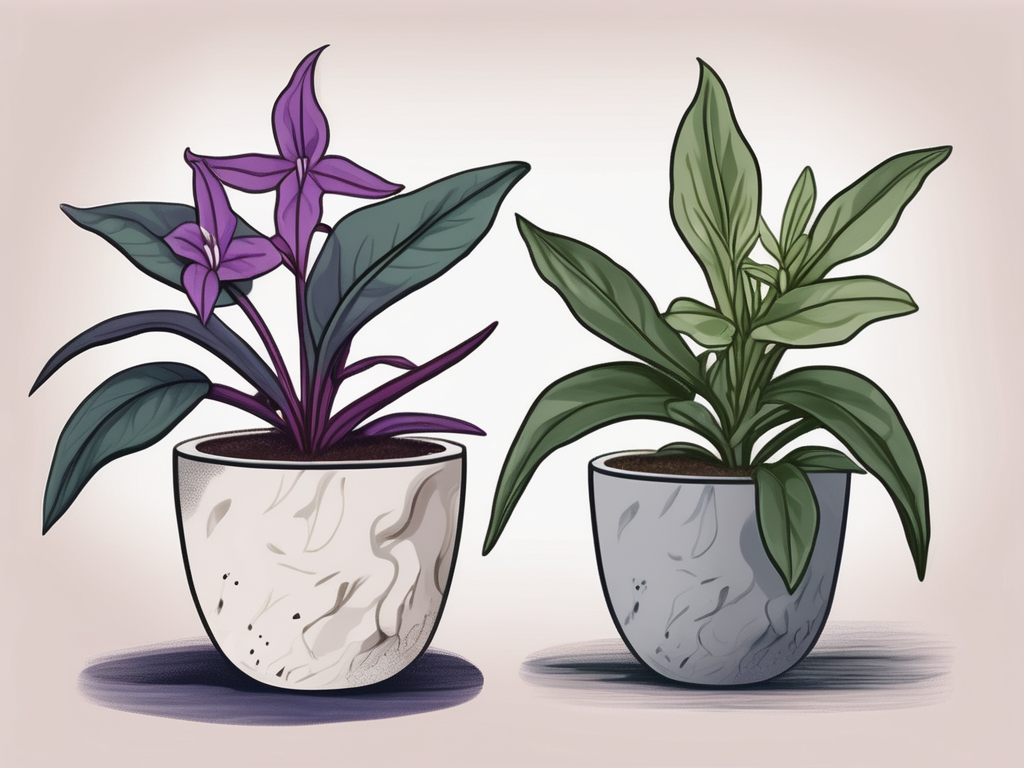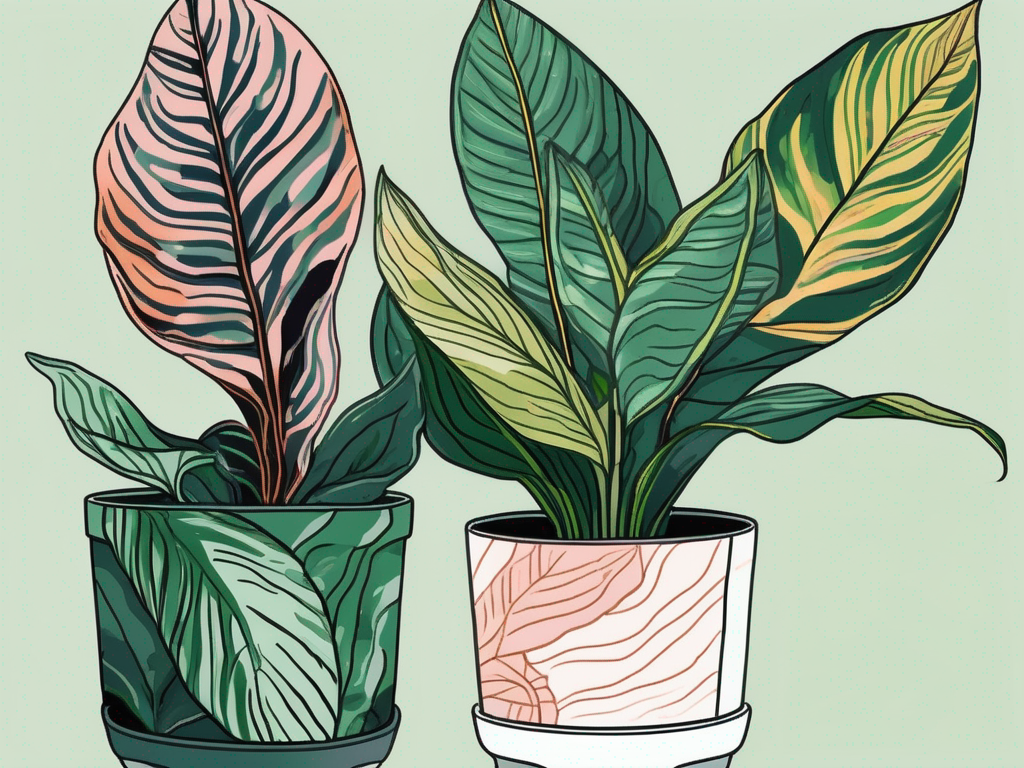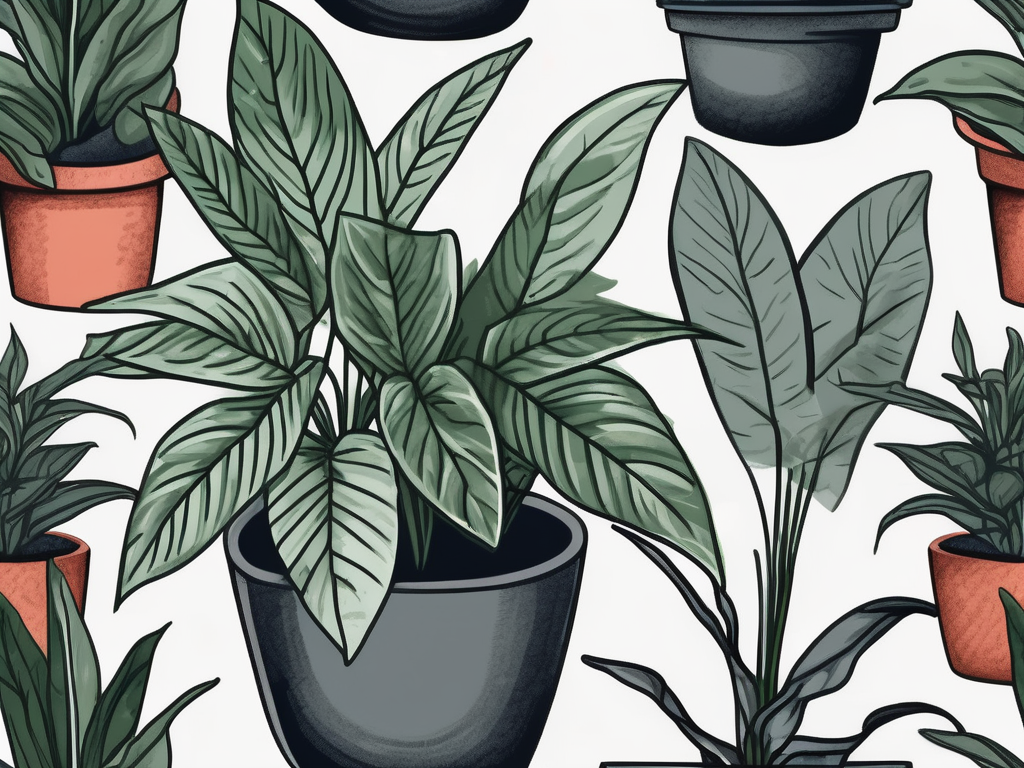
There's something undeniably charming about Peacock plants, with their striking foliage that seems to dance in the light. These beauties, also known as Calathea, are popular among plant lovers for a good reason. However, keeping them happy can be a bit tricky, especially when it comes to watering. If you've ever found yourself wondering how much water is too much or too little, you're not alone.
Today, we're diving into the world of Peacock plant watering. From understanding their unique needs to practical tips and tricks, you'll learn everything you need to keep these stunning plants thriving in your home. So, let's get started on this green journey and take the mystery out of caring for your Peacock plant.
Why Watering Matters for Peacock Plants
The first thing to know about Peacock plants is that they hail from the tropical rainforests of Brazil. This means they are accustomed to a humid environment with consistent moisture. Their natural habitat is quite different from the average home, which can make replicating those conditions a bit of a challenge. But don't fret! Understanding this background is the first step in keeping your plant healthy.
Watering is crucial not just for hydration but also for maintaining the right humidity levels around the plant. Too little water can lead to brown, crispy leaves, while too much can cause root rot. Finding that Goldilocks zone of "just right" can be a bit of trial and error, but with some patience and practice, you'll get the hang of it.
So, why does watering matter so much? Well, Peacock plants have delicate roots that need just the right amount of moisture to absorb nutrients effectively. This makes it essential to monitor your watering habits closely. But don't worry, we'll guide you through it all step by step.
When to Water: Timing is Everything
Timing your watering routine is like setting the rhythm for your plant's growth. One of the common mistakes is watering on a strict schedule without considering the plant's actual needs. Instead, it's better to let the plant tell you when it's thirsty.
Here's a simple trick: stick your finger about an inch into the soil. If it feels dry, it's time to water. If it's still moist, check back in a day or two. This method helps prevent overwatering, which is one of the most common issues with houseplants.
Another thing to watch out for is the time of day. Watering in the morning is ideal as it allows the plant to use the moisture throughout the day. Watering in the evening can lead to water sitting in the soil overnight, increasing the risk of fungal infections.
Remember, factors like the size of the pot, type of soil, and even the time of year can affect how often your Peacock plant needs water. During the growing season (spring and summer), you might find yourself watering more frequently compared to the dormant phase in fall and winter.
How Much Water? Finding the Right Balance
Now that we've talked about when to water, let's tackle the "how much" part of the equation. This is where many plant parents get a bit anxious, but no worries—I've got a few tips to help you here too.
The goal is to provide enough water to moisten the soil evenly without creating a swamp-like situation. A general rule of thumb is to water until you see a little bit of water coming out of the drainage holes at the bottom of the pot. This ensures that the entire root system gets hydrated.
It's important to allow the excess water to drain away and not let the plant sit in water, as this can lead to root rot. If you're using a saucer under the pot, make sure to empty it after watering to prevent water from collecting.
Over time, you'll get a feel for how much water your specific plant needs. Every plant is a bit different, even within the same species, so don't be afraid to make adjustments as you go.
Choosing the Right Water
Believe it or not, the type of water you use can also make a difference. Peacock plants can be a bit finicky when it comes to water quality. They can be sensitive to the minerals and chemicals often found in tap water.
Ideally, use distilled water or rainwater for your plant. If neither is available, you can let tap water sit out overnight to allow the chlorine to evaporate. Some plant parents also use filtered water to reduce mineral buildup, which can cause leaf spots.
If you've noticed brown edges on your Peacock plant's leaves, it might be a sign that the water is too hard. In this case, switching to one of the alternatives mentioned above could help your plant thrive.
Signs of Overwatering and Underwatering
Sometimes, despite our best efforts, things don't go as planned. That's okay! The key is to recognize the warning signs early so you can make adjustments.
Signs of overwatering include:
- Yellowing leaves: A common sign that the roots are struggling to absorb oxygen.
- Mushy or soft stems: This can be a sign of root rot, which needs immediate attention.
- Fungus gnats: These pesky bugs love damp soil and can be a sign you're watering too much.
On the flip side, signs of underwatering might include:
- Browning or crispy leaf edges: Often an indication that the plant is too dry.
- Wilting leaves: This can happen when the plant isn't getting enough moisture.
Once you identify the issue, you can adjust your watering routine accordingly. Remember, plants are resilient, and with a little care, they can bounce back from most issues.
Potting and Soil: Creating the Perfect Environment
Beyond watering, the type of pot and soil you use can significantly impact your Peacock plant's health. These elements work together to create an environment that supports proper hydration and nutrient absorption.
When it comes to pots, drainage is your best friend. Choose a pot with drainage holes to prevent water from accumulating at the bottom. This helps keep the roots healthy and avoids the dreaded root rot.
As for soil, a well-draining mix is crucial. You can create your own blend by mixing standard potting soil with some perlite or orchid bark. This combination improves aeration and ensures excess water doesn't linger in the soil.
Repotting your plant every couple of years can also refresh the soil and provide more space for the roots to grow. Just make sure to choose a pot that's only a size larger to avoid overwhelming the plant with too much space and soil.
Humidity: An Important Factor
Peacock plants love humidity, and higher moisture levels in the air can mimic their natural habitat. Unfortunately, many homes, especially during the winter months, tend to have dry air that can stress these plants.
Here are a few ways to boost humidity around your Peacock plant:
- Misting: Lightly mist the leaves with water a few times a week.
- Humidity trays: Place a shallow tray filled with water and pebbles under the pot. As the water evaporates, it increases humidity around the plant.
- Grouping plants: Cluster your plants together to create a microclimate with higher humidity levels.
- Using a humidifier: This is the most effective way to maintain consistent humidity, especially in drier climates.
Experiment with these methods to see what works best for your space and lifestyle. Your Peacock plant will thank you with glossy, vibrant leaves.
Dealing with Pests and Fungal Issues
Sometimes, even with perfect watering and humidity, pests and fungal issues can still rear their ugly heads. Common pests include spider mites and aphids, which can be managed with a little vigilance and some natural remedies.
For pests, you can:
- Wipe the leaves with a damp cloth to remove bugs physically.
- Use insecticidal soap or neem oil spray as a natural deterrent.
- Introduce beneficial insects like ladybugs to your home to keep pests in check.
Fungal issues often result from too much moisture, so ensuring proper drainage and air circulation is key. If you spot fungus, remove the affected leaves and adjust your watering routine. Using a fungicide can also help if the problem persists.
Regularly inspecting your plant helps catch these issues early, making them easier to handle. Don't be discouraged—dealing with pests and fungi is just part of the plant parenting journey.
Creating a Beautiful Plant-Filled Space
Once you've mastered the art of watering your Peacock plant, why not consider incorporating it into a stunning interior design? These plants make wonderful focal points in any room, thanks to their eye-catching foliage.
Here are some ideas to style your Peacock plant:
- Use decorative pots that complement your home decor. Think of them as an accessory for your plant.
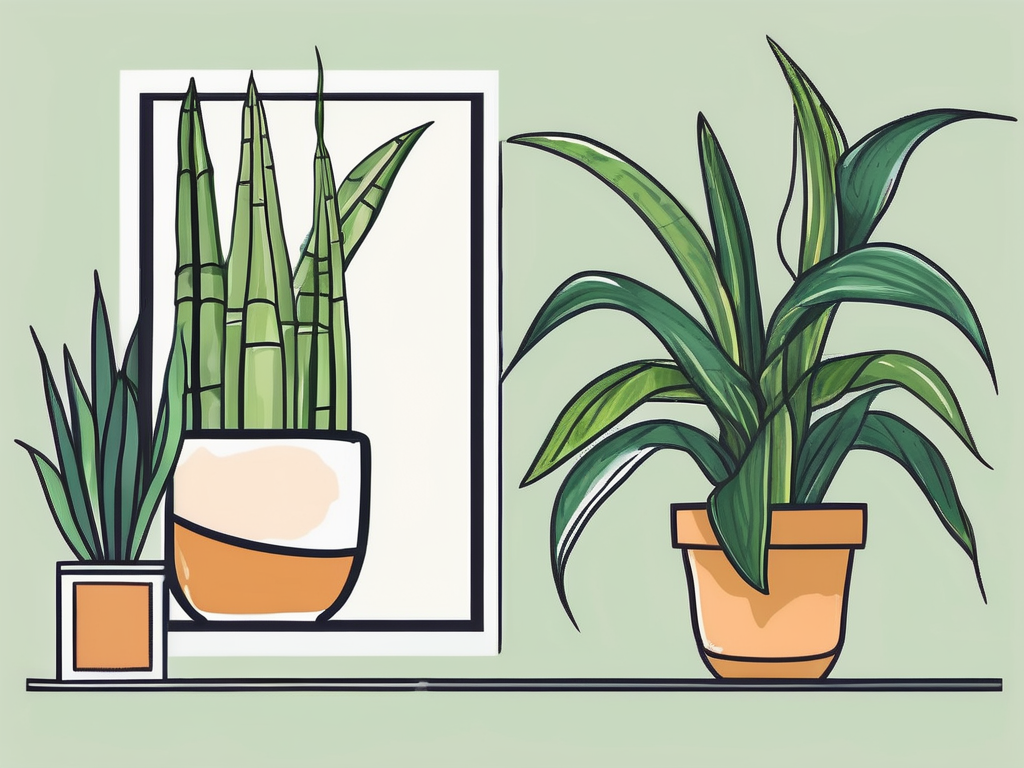
- Pair with other tropical plants like ferns or snake plants for a lush jungle vibe.
- Place your plant near a window with indirect light to highlight its natural beauty.
- Consider a plant stand to elevate your plant and make it a centerpiece in your space.
Remember, plants not only add beauty but also improve air quality and create a calming atmosphere. Whether you're a seasoned plant parent or new to the game, having a Peacock plant in your home can be a rewarding experience.
Final Thoughts
Caring for a Peacock plant is all about understanding its unique needs, especially when it comes to watering. By paying attention to timing, water quality, and the plant's environment, you can enjoy a thriving, beautiful addition to your home.
At Cafe Planta, we love helping our fellow plant lovers. Our shop offers a wide variety of houseplants and care accessories to help you on your plant journey. If you have any questions or just want to chat about plants, feel free to email us or drop a message on our Instagram. We're excited to help you create a thriving plant collection that brings joy and nature into your life.