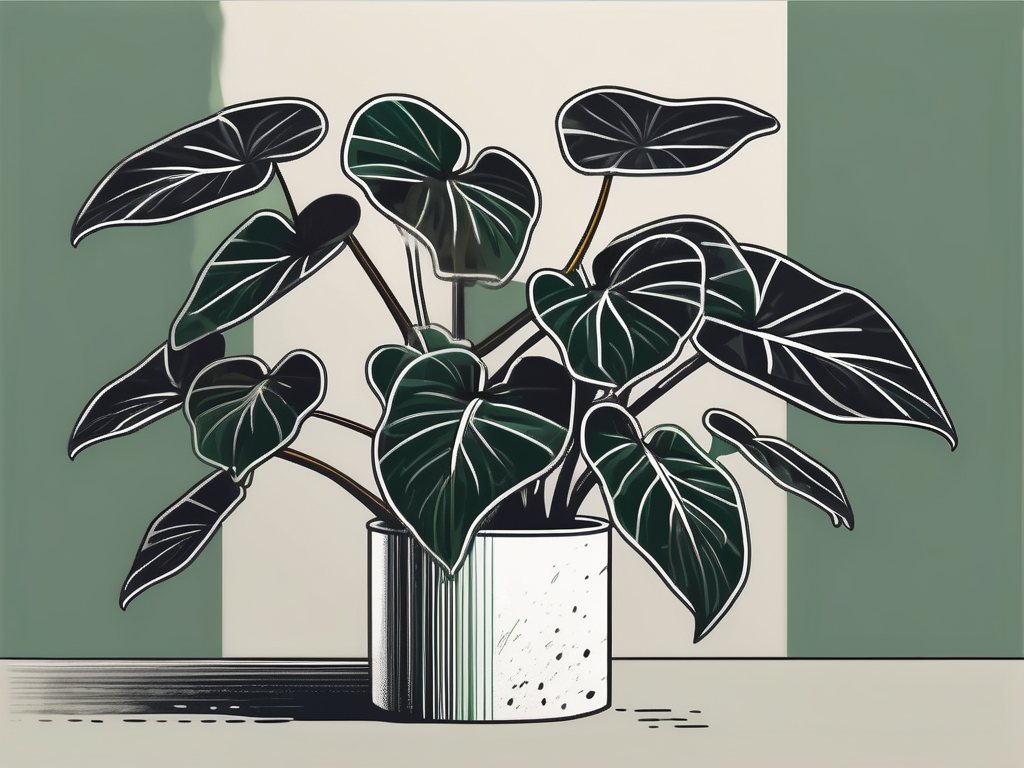
Philodendron Melanochrysum, with its velvety leaves and striking appearance, is a beloved choice among plant lovers. If you've been lucky enough to add one of these beauties to your collection, you're probably eager to see it thrive. One key element to achieving that is understanding its fertilization needs.
Today, we'll explore everything you need to know about fertilizing your Philodendron Melanochrysum. From the best types of fertilizers to use, to tips on how to apply them, and how often, you'll find all the information you need to keep your plant healthy and happy.
Understanding Fertilizer Basics
Before diving into specifics, let's start with the basics of what fertilizers do. Fertilizers supply essential nutrients that plants need to grow. Think of them as multivitamins for your plants. The primary nutrients in most fertilizers are nitrogen (N), phosphorus (P), and potassium (K), often referred to as N-P-K. Each of these plays a crucial role in plant health:
- Nitrogen (N): Promotes leaf growth and overall plant vigor. It's essential for photosynthesis and gives leaves their lush green color.
- Phosphorus (P): Supports root development and flowering. It's also involved in energy transfer within the plant.
- Potassium (K): Helps with water regulation and disease resistance. It strengthens the plant's overall structure.
So, when you see a fertilizer labeled "10-10-10," it means it contains equal parts of these three nutrients. For Philodendron Melanochrysum, a balanced fertilizer or one slightly higher in nitrogen is typically ideal.
Choosing the Right Fertilizer
Now that you know the basic components, let's talk about selecting the right fertilizer for your Philodendron Melanochrysum. There are a few options, and the best choice depends on your specific needs and preferences.
Liquid Fertilizers
Liquid fertilizers are popular because they're easy to apply and quickly absorbed by plants. They usually come as concentrates that you dilute with water. This type of fertilizer is great for regular, controlled feeding. It's especially useful if you're someone who likes to keep a close eye on your plant's progress.
However, be cautious with liquid fertilizers as they can cause nutrient burn if over-applied. Always follow the manufacturer's instructions for dilution and frequency of application.
Granular Fertilizers
Granular fertilizers are another option, providing a slow-release of nutrients over time. They're sprinkled on the soil surface and work well for those who prefer a "set it and forget it" approach. Granular fertilizers are less likely to cause nutrient burn but require more planning to ensure even distribution.
Organic vs. Synthetic
You'll also need to decide between organic and synthetic fertilizers. Organic fertilizers, like compost or worm castings, are derived from natural sources and improve soil health over time. They're a great choice for environmentally conscious plant parents.
Synthetic fertilizers, on the other hand, are chemically formulated to provide precise nutrient ratios. They're often more concentrated and can deliver faster results. However, they can sometimes lead to salt build-up in the soil if not managed carefully.
How Often to Fertilize
Getting the frequency right is just as important as choosing the right type of fertilizer. Over-fertilizing can harm your plant just as much as under-fertilizing, so it's crucial to strike a balance.
For Philodendron Melanochrysum, a general rule of thumb is to fertilize every 4-6 weeks during the growing season, which typically runs from spring through early fall. During the winter months, when the plant's growth naturally slows down, you can reduce or even halt fertilization entirely.
Keep an eye on your plant's growth and appearance. If you notice yellowing leaves or stunted growth, it might be a sign you're not fertilizing enough. Conversely, if the leaves are browning at the edges or the plant seems to be growing too rapidly, you might be overdoing it.
Signs of Nutrient Deficiency
Sometimes, despite our best efforts, our plants start showing signs of nutrient deficiency. Recognizing these signs early can help you adjust your fertilization routine accordingly.
- Yellowing Leaves: Often indicates a lack of nitrogen. This is especially common in the older leaves at the base of the plant.
- Poor Growth: If your plant isn't growing as expected, it might need more phosphorus to support root and shoot development.
- Weak Stems: Can be a sign of potassium deficiency, which affects the plant's overall structure and resilience.
If you see these symptoms, a balanced fertilizer with a slightly higher concentration of the deficient nutrient can help. Remember to adjust gradually to prevent shock.
Applying Fertilizer: Step-by-Step
Applying fertilizer might seem straightforward, but a few tips can help ensure you're doing it effectively and safely. Here's a simple step-by-step guide:
- Read the Instructions: Always start by reading the instructions on your fertilizer package. Different brands and types have specific guidelines.
- Water Your Plant First: Before applying fertilizer, water your plant thoroughly. This helps prevent nutrient burn and ensures even distribution.
- Measure Accurately: Use a measuring spoon or cup to ensure you're using the correct amount of fertilizer. Over-application can harm your plant.
- Apply Evenly: Spread the fertilizer evenly around the base of the plant, avoiding direct contact with the leaves.
- Rinse the Leaves: If any fertilizer gets on the leaves, rinse it off to prevent damage.
Repeat this process according to your chosen fertilization schedule, and your Philodendron Melanochrysum will thank you!
Common Mistakes to Avoid
Even seasoned plant people make mistakes now and then. Here are a few common pitfalls to watch out for when fertilizing your Philodendron Melanochrysum:
- Over-Fertilizing: More isn't always better. Too much fertilizer can lead to nutrient burn, which causes brown leaf tips and can potentially kill the plant.
- Ignoring the Growth Cycle: Fertilizing during the dormant season can stress your plant and waste resources. Adjust your routine to match the plant's natural growth cycle.
- Using the Wrong Fertilizer: Not all fertilizers are created equal. Using one with the wrong N-P-K ratio can lead to imbalances in your plant's nutrition.
- Skipping Organic Options: Some plant parents overlook organic fertilizers, but they can be a gentle way to nourish your plant and improve soil quality.
By being mindful of these common mistakes, you'll be well on your way to keeping your Philodendron Melanochrysum healthy and thriving.
Monitoring Soil and Plant Health
Regularly checking your plant's soil and overall health can provide valuable insights into its fertilization needs. Here are some tips for monitoring:
- Check the Soil: Feel the soil for moisture and compactness. Overly compact soil can hinder nutrient absorption.
- Inspect the Leaves: Look for signs of nutrient deficiencies or excesses, such as yellowing or browning.
- Observe Growth Patterns: Healthy plants typically show steady growth during their active season. Stalled growth can indicate an issue.
Keeping tabs on these indicators will help you fine-tune your fertilization routine and address any issues promptly.
Benefits of Proper Fertilization
When done correctly, fertilizing your Philodendron Melanochrysum has numerous benefits. Here are a few reasons to keep up with this vital care step:
- Enhanced Growth: Fertilizer provides the nutrients necessary for vigorous growth and robust leaf development.
- Better Resilience: A well-nourished plant is more resistant to pests and diseases, reducing the need for intervention.
- Improved Aesthetics: Healthy, vibrant leaves are a sign of a well-cared-for plant, enhancing the beauty of your indoor space.
These benefits make fertilization a worthwhile investment in your plant's health and your home's ambiance.
Final Thoughts
In summary, fertilizing your Philodendron Melanochrysum doesn't have to be complicated. By choosing the right fertilizer, applying it correctly, and monitoring your plant's health, you'll support its growth and vitality. Keep these tips in mind, and your Philodendron will continue to be a stunning addition to your home.
At Cafe Planta, we're passionate about helping you care for your plants. Whether you're looking for new plant pals, care accessories, or even a cozy plant-themed hoodie, we've got you covered. If you have questions or need advice, feel free to email us or drop us a message on our Instagram. We're excited to be part of your plant journey and can't wait to see your collection grow!